

















































For years, Wi-Fi has been the invisible backbone of our digital lives, connecting our smartphones, laptops, smart home devices, and workplaces. Now, a new standard has arrived, promising to transform our wireless experience: Wi-Fi 6 (802.11ax). But what exactly is it, and why does it matter?
1)What is Wi-Fi 6?
Wi-Fi 6, also known as 802.11ax, is the most recent Wi-Fi network protocol. Wi-Fi 6 delivers faster speeds and bigger data transfers, allowing more devices to connect to the same network without service interruptions. Wi-Fi 6 also provides WPA3 encryption, making it a more secure protocol than its successor, Wi-Fi 5.
2)What are the benefits of Wi-Fi 6?
Wi-Fi 6 resolves many of the issues that have plagued earlier Wi-Fi standards.
The main benefits of Wi-Fi 6 include:
- Increased capacity on a single router
- Improved performance in crowded areas and buildings
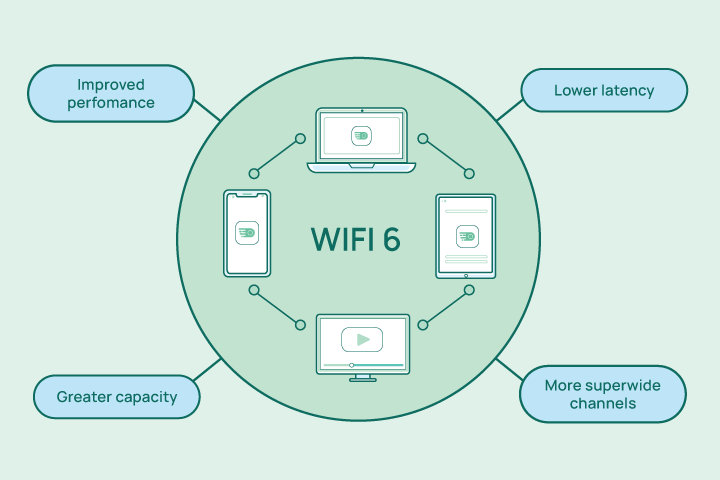
- Faster connection and data transfer speeds
- Better battery life on your devices
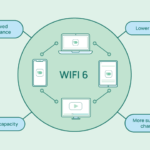
We’ve all been in a situation where the Wi-Fi network we’re connected to just isn’t cutting it. A large part of the problem of a spotty connection is an overload of activity. That isn’t a problem on Wi-Fi 6, because data transmission happens much more efficiently. Before, each device had to wait in line for a connection, but now everyone’s connection can work at the same time.
A Wi-Fi 6 router can handle much more traffic, and it even provides a data stream directly to your device, instead of broadcasting to a general area. The increased capacity is one of the biggest benefits and the one that’s arguably most noticeable to most users.
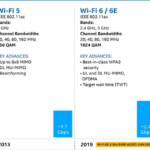
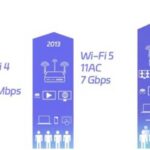
Wi-Fi 6 speeds are faster because more data is sent more times per second. The result is that heavy data streaming is smoother and you can, for example, watch TV online more easily. Wi-Fi 6’s max speed is 9.6 Gbps, while Wi-Fi 5’s is only 3.5 Gbps. While this is a big jump, you probably won’t notice the difference with just one device connected. If you’re on a busy network with lots of other people, you likely will.
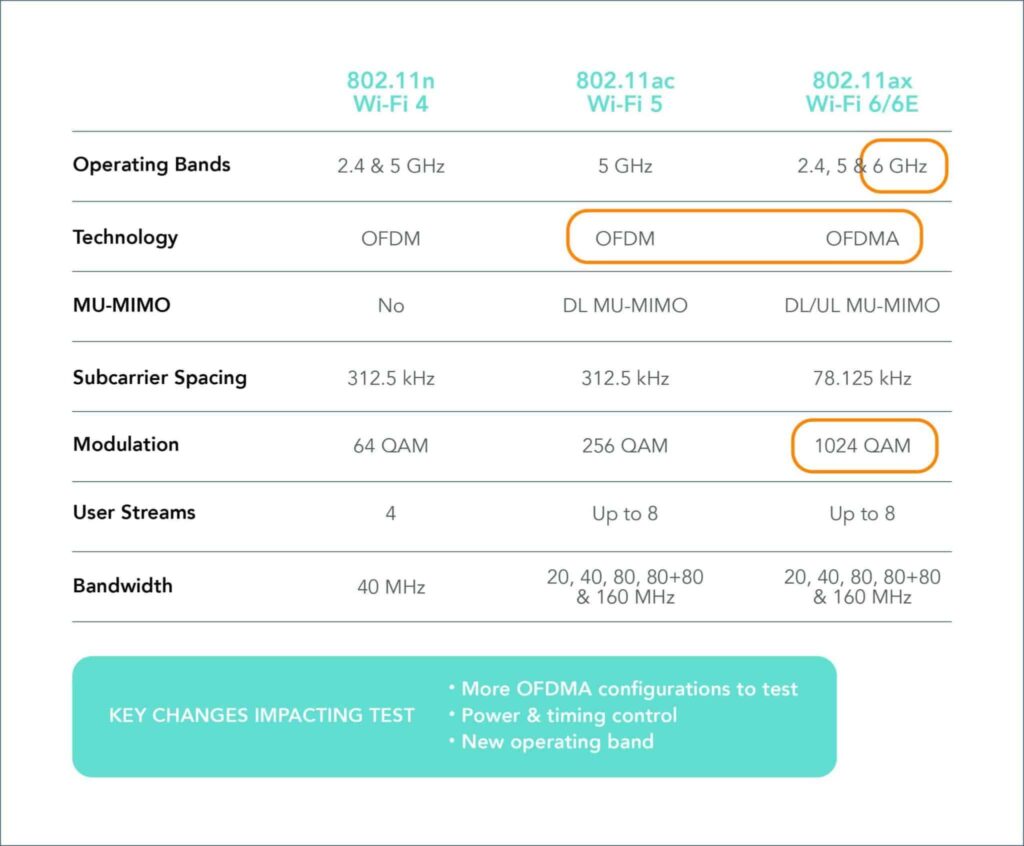
Beyond just faster speeds, Wi-Fi 6 is engineered for efficiency, capacity, and performance in our increasingly crowded digital world. At its core, Wi-Fi 6 is the sixth generation of Wi-Fi technology, succeeding Wi-Fi 5 (802.11ac). It operates on both the 2.4 GHz and 5 GHz bands and introduces support for the newer 6 GHz band (as Wi-Fi 6E), but its true magic lies in intelligent data management.
The key innovations of Wi-Fi 6 include:
OFDMA (Orthogonal Frequency Division Multiple Access):
Imagine a delivery truck (data packet) that used to carry a single order to one house. With OFDMA, that truck can now be split into smaller compartments, delivering packages to multiple households simultaneously. This drastically reduces latency and improves efficiency, especially for many small, simultaneous devices.
MU-MIMO (Multi-User, Multiple Input Multiple Output):
While introduced earlier, Wi-Fi 6 enhances MU-MIMO. It allows a router to communicate with up to eight devices at once, both upstream and downstream, compared to Wi-Fi 5’s four-device limit. This means smoother streaming and gaming in multi-user households.
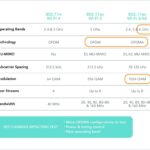
- 1024-QAM (Quadrature Amplitude Modulation): This increases the data density of each transmission. Think of it as moving from a 10-word vocabulary to a 12-word vocabulary in the same sentence—you convey 25% more information per signal. This is where the raw speed boost comes from.
- Target Wake Time (TWT): A game-changer for IoT. This feature allows the router to schedule specific “wake times” for connected devices (like smart sensors or doorbells). By spending more time in sleep mode, these devices consume significantly less power, extending battery life for years.
- BSS Coloring: This technology reduces interference in dense environments (like apartment complexes) by “tagging” data packets from your network with a specific “color.” Your devices can ignore packets from neighboring networks, minimizing congestion and improving stability.
3)Who needs Wi-Fi 6?
If your home has dozens of connected devices, you experience lag during video calls while others stream, or you crave the absolute best performance for 4K/8K streaming and VR, Wi-Fi 6 is your answer. For businesses, it’s essential for supporting high-density offices, campuses, and public venues.
Upgrading to Wi-Fi 6 requires both a Wi-Fi 6 capable router and client devices (like the latest smartphones, laptops, and tablets) to unlock its full potential. While older devices will still work, they won’t benefit from the new features.
In essence, Wi-Fi 6 isn’t just an incremental update; it’s a foundational shift designed for the future of connectivity. It’s about handling the explosion of the Internet of Things, supporting immersive technologies, and delivering consistent, reliable performance to every device in your ecosystem.
4)FAQ For WiFi 6
1. What is Wi-Fi 6?
Wi-Fi 6 is the sixth generation of Wi-Fi technology, based on the IEEE 802.11ax standard. It’s designed to improve speed, capacity, and efficiency in dense environments with many connected devices.
2. How is Wi-Fi 6 different from Wi-Fi 5 (802.11ac)?
Key improvements include:
- Higher data rates (up to 9.6 Gbps theoretical maximum vs. 3.5 Gbps for Wi-Fi 5).
- OFDMA (Orthogonal Frequency Division Multiple Access) for better multi-device efficiency.
- MU-MIMO enhancements (now supports both uplink and downlink).
- Target Wake Time (TWT) for better battery life on devices.
- 1024-QAM modulation for higher throughput.
3. What are the benefits of Wi-Fi 6?
- Faster speeds in congested areas (e.g., airports, stadiums, offices).
- Lower latency for gaming and real-time applications.
- Improved battery life for IoT and mobile devices.
- Better performance in environments with many connected devices.
4. Is Wi-Fi 6 backward compatible with older devices?
Yes, Wi-Fi 6 routers and access points support older Wi-Fi standards (802.11a/b/g/n/ac). However, to enjoy Wi-Fi 6 benefits, both the router and client devices (smartphones, laptops, etc.) must support Wi-Fi 6.
5. Do I need a new router for Wi-Fi 6?
Yes, you need a Wi-Fi 6 certified router or access point. Many newer ISPs and manufacturers offer Wi-Fi 6 compatible hardware.
6. What devices support Wi-Fi 6?
Most recent smartphones (iPhone 11 and later, Samsung Galaxy S10 and later), laptops (Intel® Wi-Fi 6 enabled), tablets, and smart devices now support Wi-Fi 6. Look for “Wi-Fi 6” or “802.11ax” in the specifications.
7. Does Wi-Fi 6 work with 5GHz and 2.4GHz bands?
Yes, Wi-Fi 6 operates on both 2.4 GHz and 5 GHz bands, and it also supports the newer 6 GHz band (in Wi-Fi 6E).
8. What is Wi-Fi 6E?
Wi-Fi 6E extends Wi-Fi 6 into the 6 GHz frequency band, offering additional spectrum, less interference, and more channels for high-bandwidth applications.
9. Is Wi-Fi 6 more secure?
Yes, Wi-Fi 6 mandates WPA3 (Wi-Fi Protected Access 3) for enhanced encryption and security, making it harder for attackers to crack passwords.
10. Will Wi-Fi 6 improve my internet speed?
It can improve local network speeds and efficiency, but your actual internet speed depends on your Internet Service Provider (ISP) plan. Wi-Fi 6 helps maximize the usage of your available bandwidth.
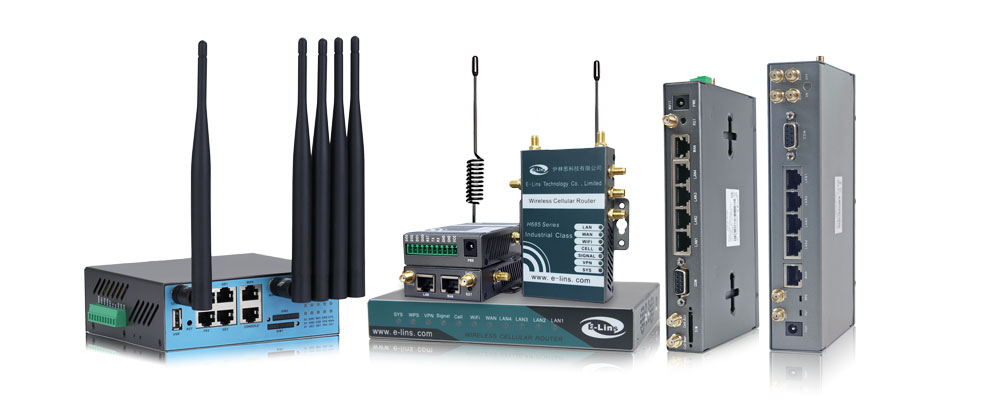
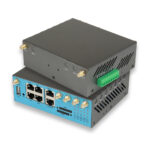
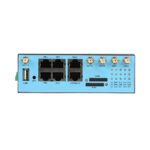
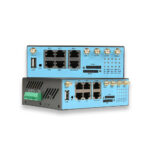
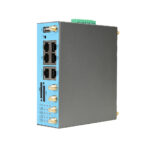
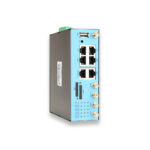
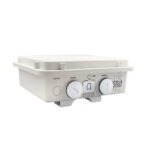
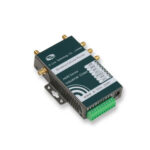
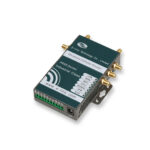
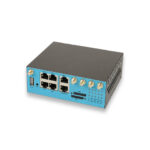
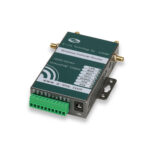
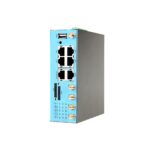
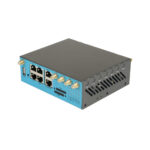
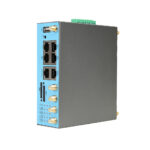
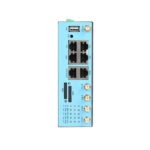
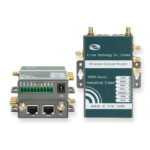
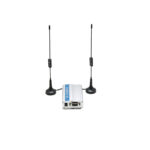
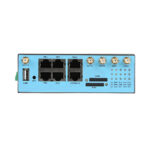
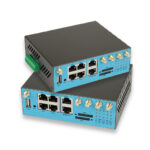
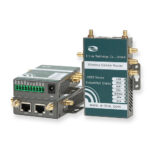
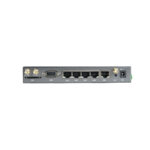
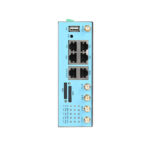
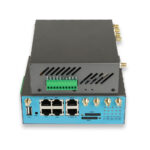
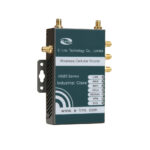
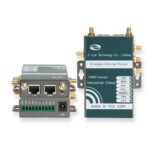
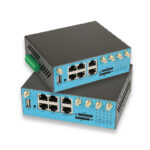
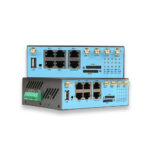
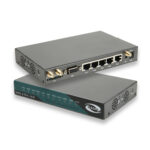
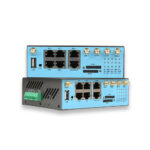
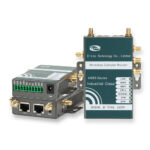
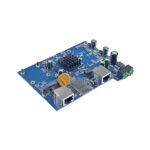
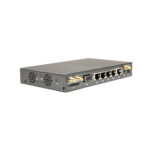
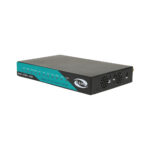
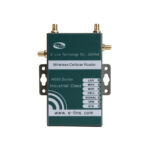
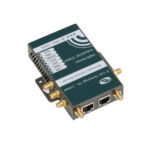
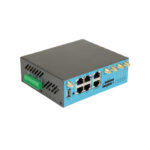
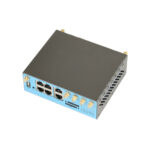
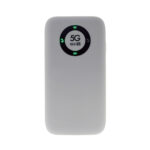
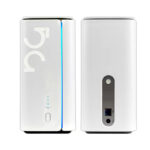
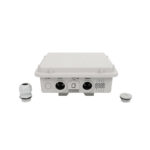
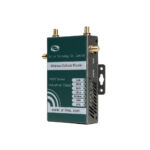
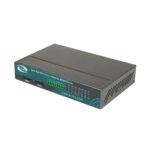
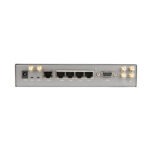
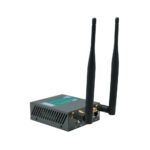
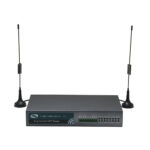
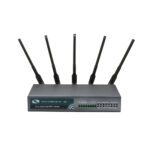
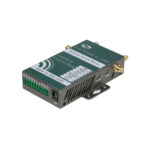
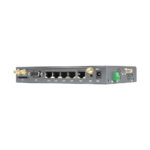
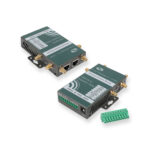
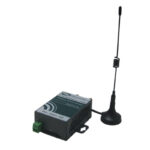
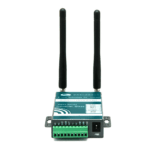
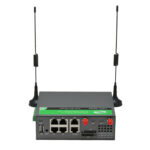
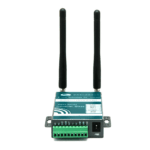
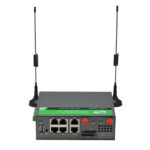
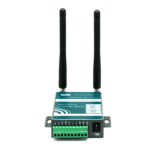
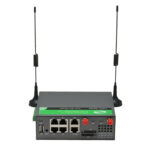
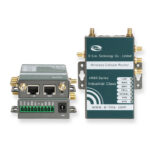
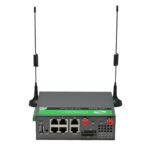
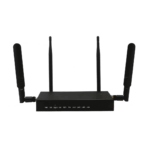
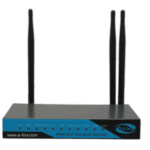
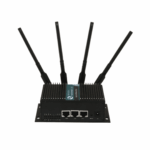
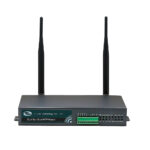
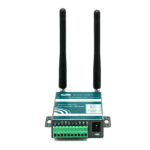
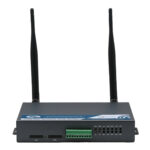
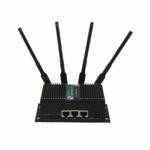
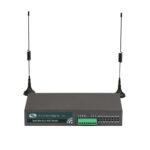
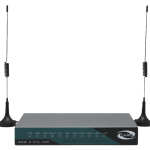
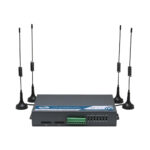
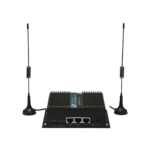
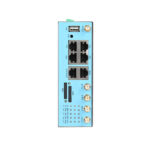
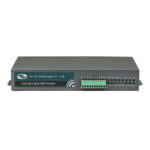
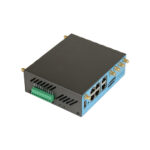
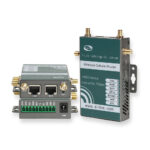
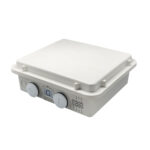
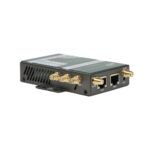
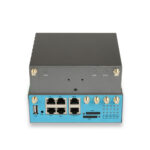
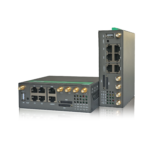
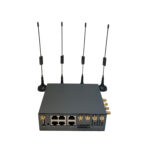
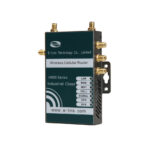
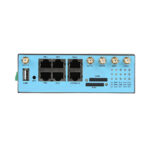
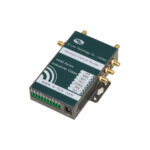
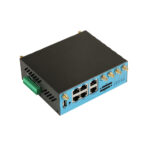
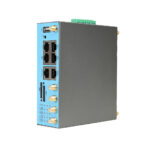
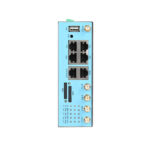
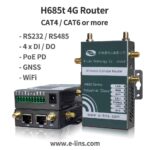
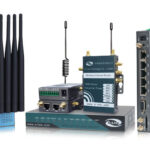
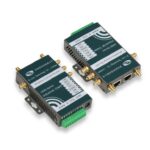
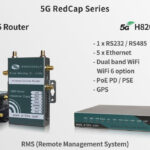
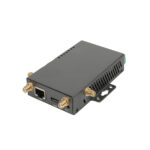
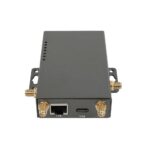
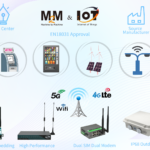
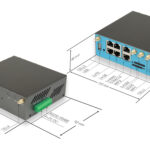
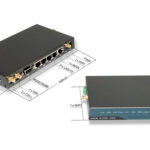
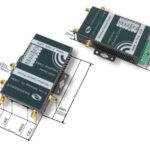
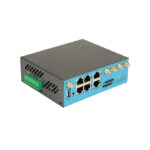
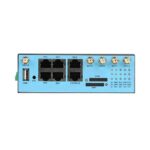
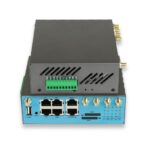
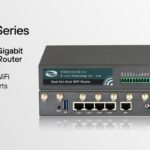
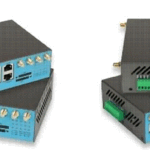
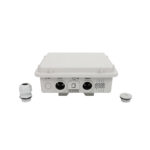
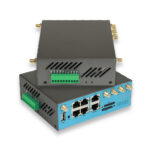
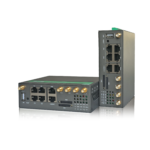
If you are sourcing a IoT Router with Wi-Fi 6, you can check with E-Lins, the China best 4G Router & 5G Router Manufacturer, providing you many excellent 4G/5G Routers with Wi-Fi 6.