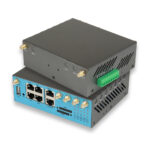
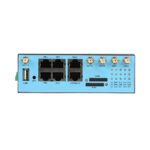
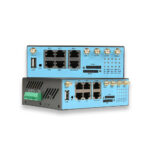
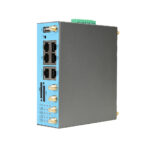
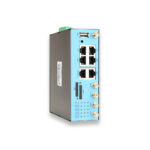
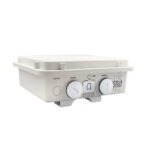
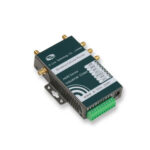
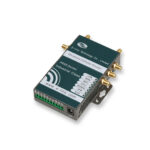
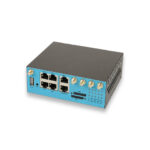
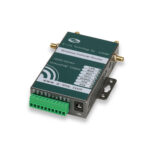
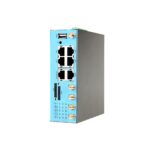

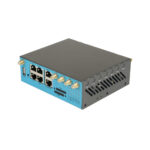
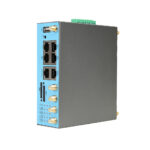
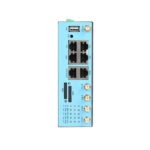
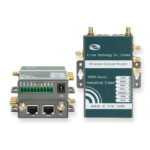
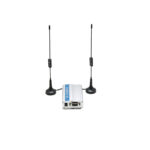
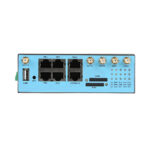
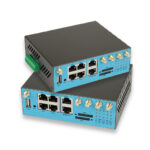
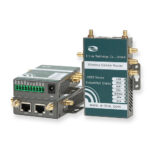
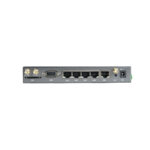
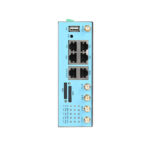
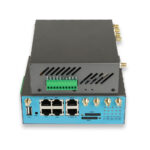
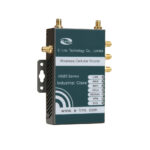
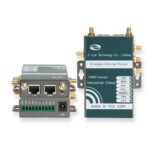
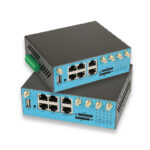
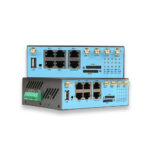
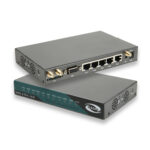
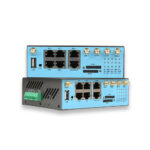
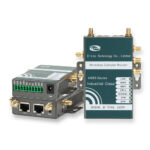
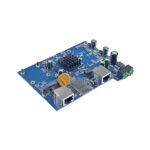
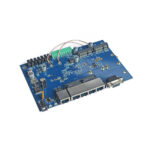
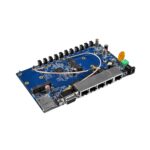
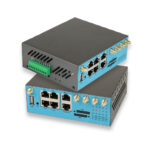
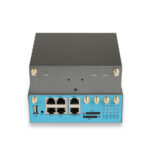
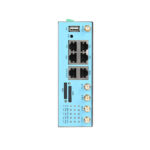
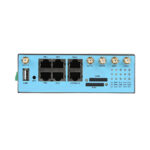
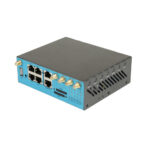
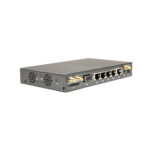
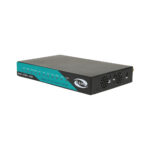
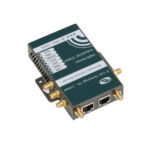
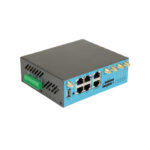
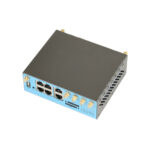



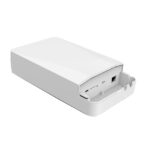
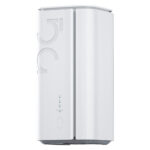

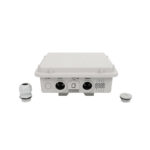
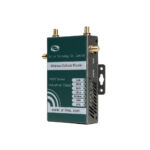
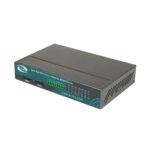
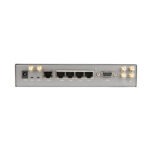
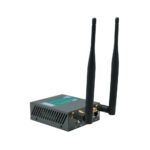
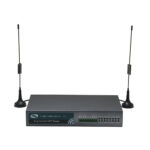
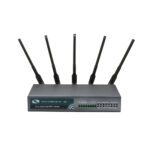
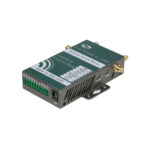
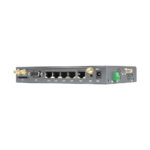
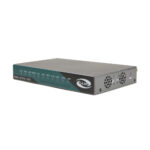
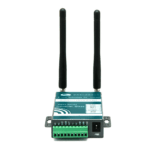
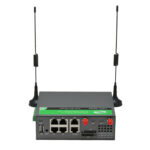
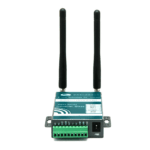
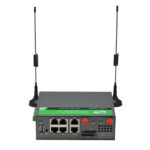
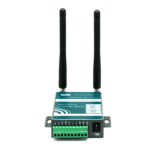
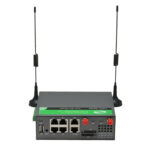
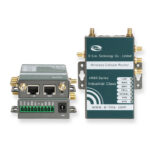
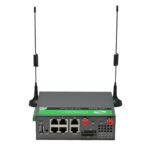

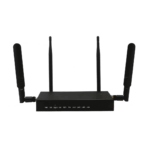
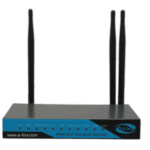
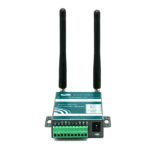
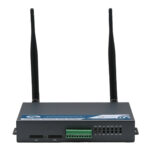
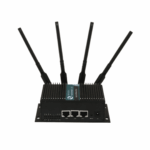

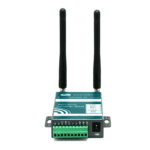
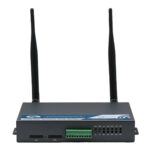
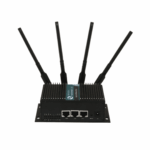
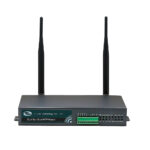

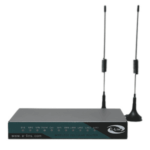
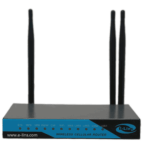
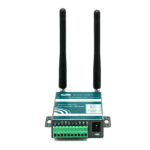
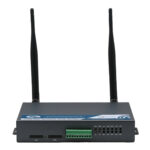
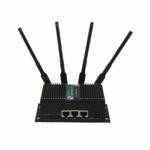
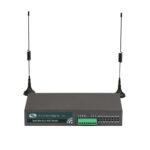
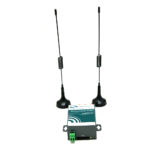
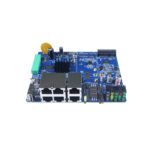
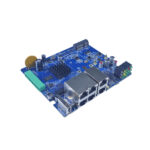
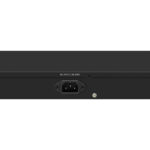
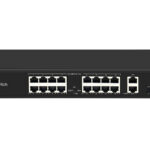
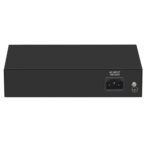
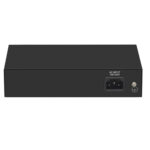
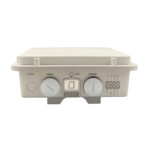
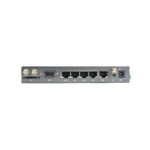
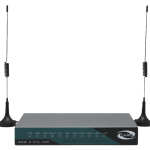
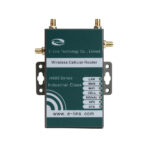
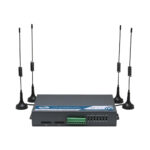
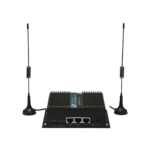
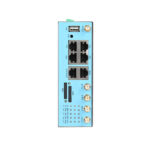
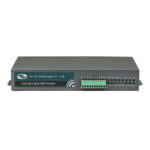
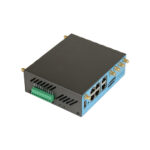
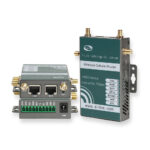
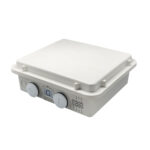
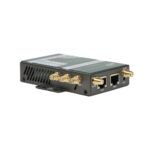
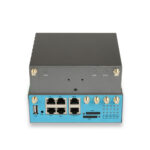
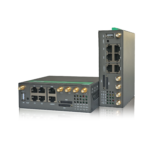
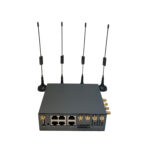
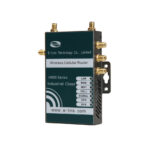
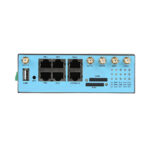
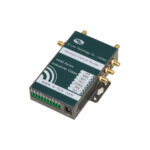
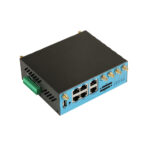
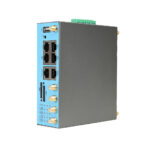
















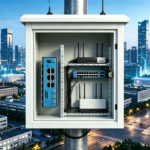
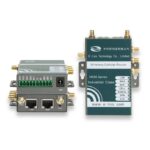

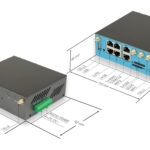





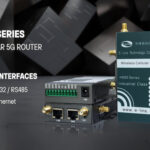





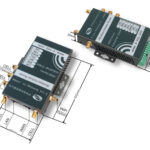
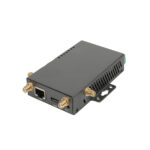
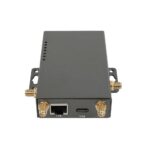





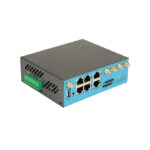
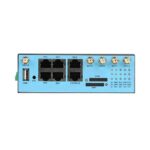
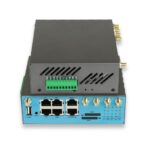










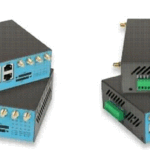


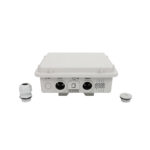
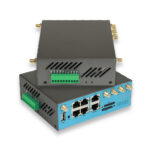














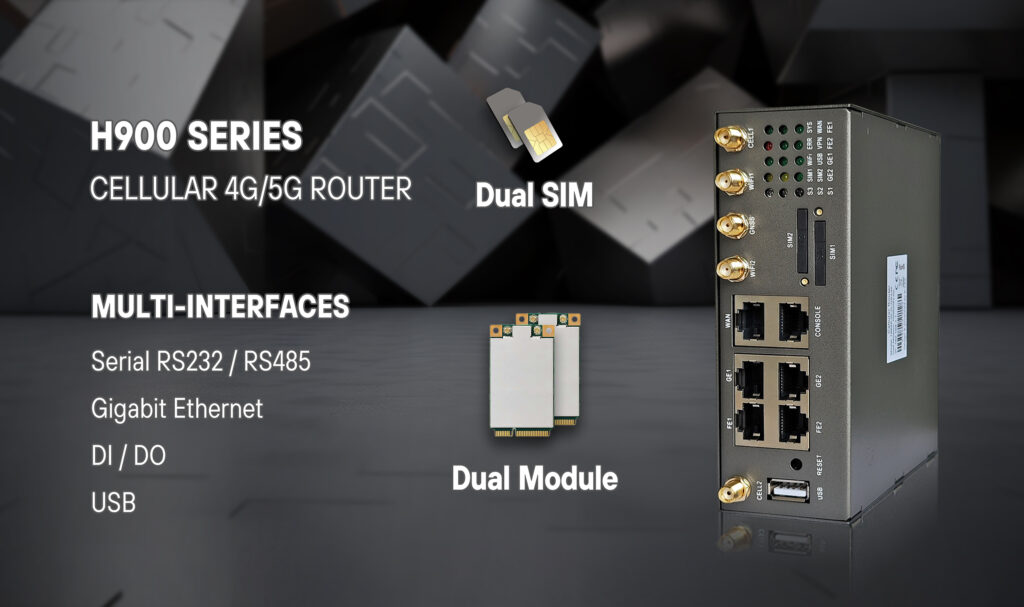
In the era of Industry 4.0, where automation, IoT, and real-time data exchange are the cornerstones of operational excellence, industrial connectivity solutions must be robust, versatile, and efficient. The industrial 5G PoE router emerges as a pivotal device that bridges the gap between high-speed wireless communication and simplified power delivery, addressing the unique challenges of industrial environments. Unlike consumer-grade routers, industrial 5G PoE routers are engineered to withstand harsh conditions, support mission-critical applications, and streamline the deployment of IoT devices—all while leveraging the speed and low latency of 5G networks and the convenience of Power over Ethernet (PoE) technology.
This blog explores the core value, key features, real-world applications, and frequently asked questions about industrial 5G PoE routers, helping businesses understand how this technology can transform their operations.
What Is an Industrial 5G PoE Router?
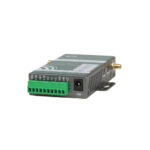
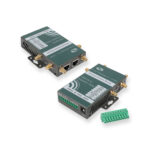
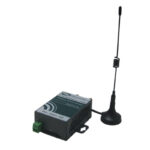
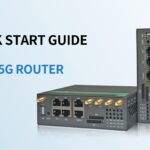
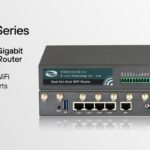
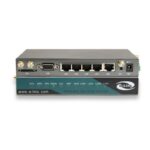
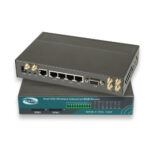
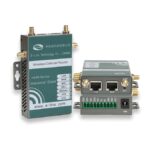
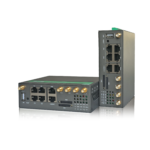
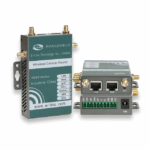
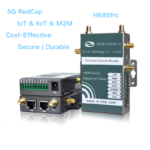
An industrial 5G PoE router is a specialized networking device designed to provide reliable, high-speed 5G wireless connectivity while delivering power to connected devices via Ethernet cables (PoE). It combines two critical technologies—5G cellular connectivity and Power over Ethernet—to create a all-in-one solution for industrial IoT (IIoT) deployments. Unlike standard routers, industrial-grade models are built to operate in extreme temperatures, high humidity, dust, vibration, and electromagnetic interference (EMI), making them suitable for factories, warehouses, construction sites, transportation hubs, and other harsh industrial settings.
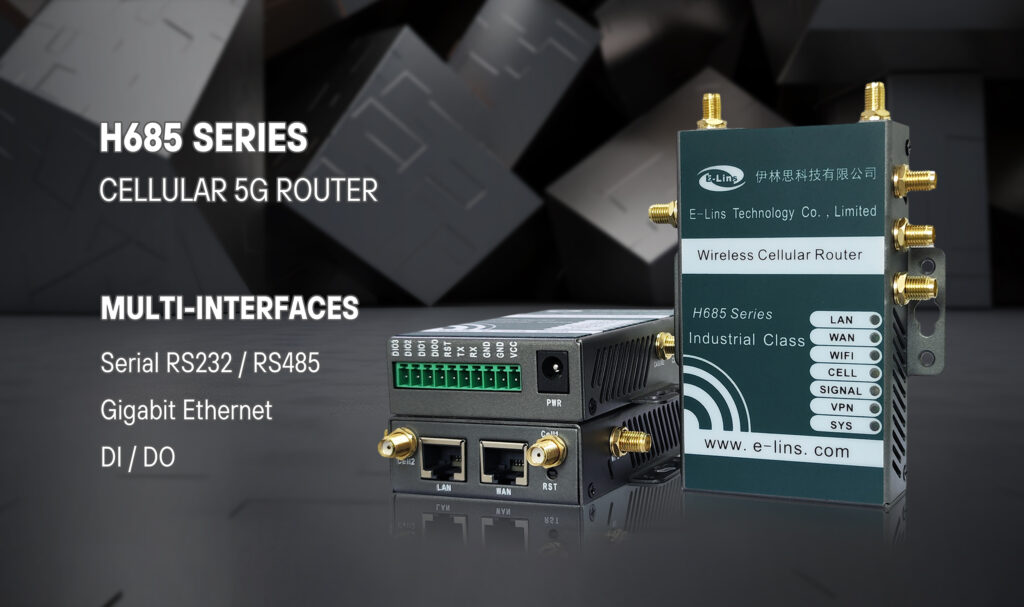
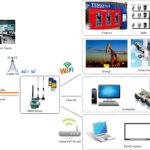
At its core, an industrial 5G PoE router acts as a gateway between IIoT devices and the cloud or a LAN. It uses 5G networks to transmit data at ultra-high speeds with ultra-low latency (as low as 1ms), ensuring real-time communication between devices and control systems. Simultaneously, it delivers PoE power to connected devices, eliminating the need for separate power cables and reducing installation costs and complexity. This integration makes it an ideal solution for scenarios where running power cables is impractical or costly, such as outdoor surveillance, remote industrial sites, or temporary deployments.
1)Key Features of Industrial 5G PoE Routers
Industrial 5G PoE routers are distinguished by a set of features tailored to meet the rigorous demands of industrial environments. These features ensure reliability, durability, and performance, even in the most challenging conditions. Below are the most critical features to look for:
1. Industrial-Grade Durability and Environmental Resistance
Industrial environments are far more demanding than residential or office settings, so industrial 5G PoE routers are built with rugged components and enclosures. Most models feature a metal housing with an IP68 or IP30 and support a wide operating temperature range of -40°C to 75°C, ensuring they can operate in extreme cold (e.g., outdoor winter deployments) and extreme heat (e.g., factory floors with high machinery temperatures). They also comply with industrial standards such as IEC 61000-6-2 for EMI resistance, preventing interference from nearby industrial equipment like motors, transformers, and heavy machinery.
2. High-Speed 5G Connectivity with Redundancy
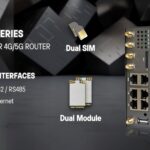
Industrial 5G PoE routers support 5G NR technology, compatible with both SA and NSA 5G networks, as well as backward compatibility with 4G LTE and 3G networks for areas with limited 5G coverage. This ensures seamless connectivity even in remote locations where 5G signals may be weak. Many models also feature dual SIM card slots for redundant backup, allowing the router to switch to a secondary network provider if the primary connection fails—critical for mission-critical applications where downtime is costly. The 5G modules support global frequency bands, making them suitable for international deployments, with downlink speeds of up to 2.1 Gbps (SA mode) and 2.5 Gbps (NSA mode), and uplink speeds of up to 900 Mbps (SA mode).
3. PoE Power Delivery Compliance
All industrial 5G PoE routers comply with IEEE 802.3af/at (PoE/PoE+) standards, delivering power over Ethernet cables to connected devices. IEEE 802.3af provides up to 15.4W per port (usable 12.95W), suitable for low-power devices like IP cameras and sensors, while IEEE 802.3at (PoE+) delivers up to 25.5W per port, supporting higher-power devices like PTZ cameras and advanced wireless access points. Some high-end models also support IEEE 802.3bt (PoE++), delivering up to 71.3W per port for power-hungry industrial devices. This eliminates the need for separate power supplies and cables, simplifying installation and reducing maintenance costs, especially in hard-to-reach areas.
4. Advanced Security Features
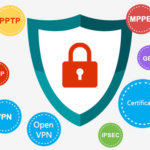
Industrial networks handle sensitive data, including production metrics, control commands, and equipment status, making security a top priority. Industrial 5G PoE routers come equipped with robust security features to protect data in transit and at rest. These include VPN (Virtual Private Network) support (IPSec, OpenVPN, GRE, L2TP), which encrypts data between the router and the cloud or LAN, preventing unauthorized access. They also feature built-in firewalls with IP, MAC, URL, and keyword filtering, as well as DoS (Denial of Service) protection to block malicious attacks. Additionally, many models support secure remote management, allowing administrators to configure and monitor the router from a centralized platform without exposing the network to external risks.
5. Flexible Management and Monitoring
Industrial 5G PoE routers are designed for easy management, even in large-scale deployments. They support remote management via web interfaces, CLI (Command Line Interface), SMS, or cloud-based platforms, allowing administrators to monitor network status, configure settings, update firmware, and troubleshoot issues from anywhere. Many models also feature built-in diagnostic tools, such as ICMP Check, ping tests, and route tracing, to quickly identify and resolve connectivity problems. Some routers also support SNMP (Simple Network Management Protocol) for integration with industrial network management systems, enabling centralized monitoring of multiple routers and connected devices.
2)Real-World Applications of Industrial 5G PoE Routers
The versatility of industrial 5G PoE routers makes them suitable for a wide range of industrial applications, where reliable connectivity and simplified power delivery are critical. Below are some of the most common use cases:
1. Smart Factories and Manufacturing
In smart factories, industrial 5G PoE routers connect IoT devices, PLCs (Programmable Logic Controllers), and robots, enabling real-time data exchange between machines and control systems. The high-speed 5G connectivity ensures low-latency communication, critical for automated production lines where even a slight delay can cause downtime. PoE power delivery simplifies the deployment of IP cameras for quality control, sensors for temperature and pressure monitoring, and wireless access points for employee connectivity. Additionally, the routers’ industrial-grade durability ensures they can withstand the dust, vibration, and high temperatures of factory floors. For example, a manufacturing plant can use an industrial 5G PoE router to connect a network of sensors that monitor equipment health, sending real-time data to a cloud-based analytics platform to predict maintenance needs and prevent breakdowns.
2. Transportation and Logistics
Industrial 5G PoE routers are ideal for transportation and logistics applications, including smart warehouses, ports, and in-vehicle connectivity. In warehouses, they connect barcode scanners, RFID readers, and IP cameras, enabling real-time inventory tracking and security monitoring. PoE power delivery eliminates the need for separate power cables in large warehouses, reducing installation costs. In ports, routers connect sensors and cameras that monitor container movement, crane operations, and environmental conditions (e.g., wind speed, humidity), ensuring efficient and safe operations. For in-vehicle use, models with E-mark certification and ignition-sense options provide secure 5G backhaul for onboard systems and passenger Wi-Fi, with dual-SIM redundancy to ensure connectivity even in remote areas. For example, a logistics company can use an industrial 5G PoE router in its delivery vehicles to track location, monitor driver behavior, and send real-time delivery updates to the central office.
3. Smart Cities and Infrastructure
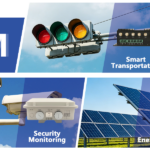
In smart cities, industrial 5G PoE routers play a key role in connecting smart infrastructure, such as smart streetlights, traffic cameras, environmental sensors, and public Wi-Fi access points. PoE power delivery simplifies the deployment of these devices, as they can be powered via Ethernet cables without the need for separate power lines. 5G connectivity ensures high-speed data transmission, enabling real-time monitoring of traffic flow, air quality, and energy usage. For example, a city can deploy industrial 5G PoE routers to power and connect smart streetlights that adjust brightness based on pedestrian traffic, reducing energy consumption. The routers also connect traffic cameras that feed real-time data to a central traffic management system, helping to reduce congestion and improve safety. Additionally, they can be used in utility tunnels to monitor gas, water, and electrical lines, ensuring early detection of leaks or faults.
4. Remote Industrial Sites and Mining
Remote industrial sites, such as mines, oil rigs, and solar farms, often lack access to wired internet, making 5G connectivity essential. Industrial 5G PoE routers provide reliable wireless connectivity to these sites, connecting sensors, cameras, and control systems. PoE power delivery is particularly valuable in these locations, as running power cables is often impractical or costly. For example, a solar farm can use an industrial 5G PoE router to connect sensors that monitor solar panel performance, sending real-time data to a cloud-based platform for analysis. In mines, routers connect cameras and sensors that monitor air quality, temperature, and equipment status, ensuring the safety of workers and preventing accidents. The routers’ rugged design ensures they can withstand the harsh conditions of these environments, including dust, vibration, and extreme temperatures.
3)FAQ About Industrial 5G PoE Routers
Below are answers to the most frequently asked questions about industrial 5G PoE routers, helping businesses make informed decisions about their deployment.
Q1: What is the difference between an industrial 5G PoE router and a consumer-grade router?
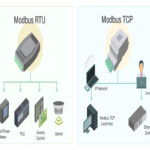
The key differences lie in durability, performance, and functionality. Consumer-grade routers are designed for residential or office use, with plastic enclosures, limited environmental resistance (operating temperature range of 0°C to 40°C), and basic security features. They do not support industrial protocols or PoE power delivery (in most cases) and are not built for 24/7 operation. Industrial 5G PoE routers, on the other hand, have rugged metal enclosures, IP68/IP30, wide operating temperature ranges (-40°C to 75°C), and support for industrial protocols (Modbus etc.). They also feature PoE power delivery, advanced security (VPN, firewalls), and dual-SIM redundancy, making them suitable for harsh industrial environments and mission-critical applications.
Q2: Can an industrial 5G PoE router work without 5G coverage?
Yes. Most industrial 5G PoE routers are backward compatible with 4G LTE and 3G networks, so they can switch to these networks if 5G coverage is unavailable. Additionally, many models support dual-SIM cards, allowing them to use two different network providers for redundancy. Some routers also support Ethernet WAN as a backup, ensuring continuous connectivity even if the cellular network fails. This flexibility makes them suitable for remote areas where 5G coverage is limited or inconsistent.
Q3: What devices can be powered by an industrial 5G PoE router?
Any PoE-compatible device can be powered by an industrial 5G PoE router, including IP cameras (fixed and PTZ), wireless access points, VoIP phones, sensors (temperature, humidity, pressure), RFID readers, and small IoT controllers. The type of device depends on the PoE standard supported by the router: IEEE 802.3af (15.4W) for low-power devices, IEEE 802.3at (25.5W) for medium-power devices, and IEEE 802.3bt (up to 71.3W) for high-power devices. It is important to check the power requirements of the connected devices to ensure compatibility with the router’s PoE output.
Q4: How secure is an industrial 5G PoE router?
Industrial 5G PoE routers are designed with security as a top priority. They feature multiple layers of protection, including VPN encryption (IPSec, OpenVPN, GRE, L2TP) to secure data in transit, built-in firewalls with IP, MAC, URL, and keyword filtering to block unauthorized access, and DoS protection to prevent malicious attacks. Many models also support secure remote management, with password-protected interfaces and firmware updates to address security vulnerabilities. Additionally, they comply with industrial security standards, ensuring they meet the requirements of sensitive industries such as manufacturing, energy, and transportation.
Q5: How easy is it to install and manage an industrial 5G PoE router?
Industrial 5G PoE routers are designed for easy installation and management, even in large-scale deployments. They support multiple mounting options (wall mount, din rail mount, desktop mount, pole installation), making them suitable for different industrial environments. Installation is simplified by PoE power delivery, which eliminates the need for separate power cables. For management, most routers offer web-based interfaces, CLI, or cloud-based platforms that allow administrators to configure settings, monitor network status, update firmware, and troubleshoot issues remotely. Built-in diagnostic tools (ping tests, ICMP check) also help to quickly identify and resolve connectivity problems, reducing maintenance time and costs.
Q6: What is the average lifespan of an industrial 5G PoE router?
Industrial 5G PoE routers have a longer lifespan than consumer-grade routers, typically 5-10 years. This is due to their rugged design, industrial-grade components, and support for firmware updates that extend functionality and address security vulnerabilities. The average mean time between failures (MTBF) for industrial routers is over 500,000 hours, ensuring reliable 24/7 operation for years. Regular maintenance, such as firmware updates and physical inspections, can further extend the lifespan of the router.
Q7: Can industrial 5G PoE routers be used in outdoor environments?
Yes. Most industrial 5G PoE routers are designed for outdoor use, with IP68 and a wide operating temperature range (-40°C to 75°C). They also feature weather-resistant enclosures and corrosion-resistant components, making them suitable for outdoor applications such as smart streetlights, outdoor surveillance, and remote industrial sites. Some models also support outdoor antennas for improved 5G signal reception in remote areas. It is important to choose a router with the appropriate for the specific outdoor environment.
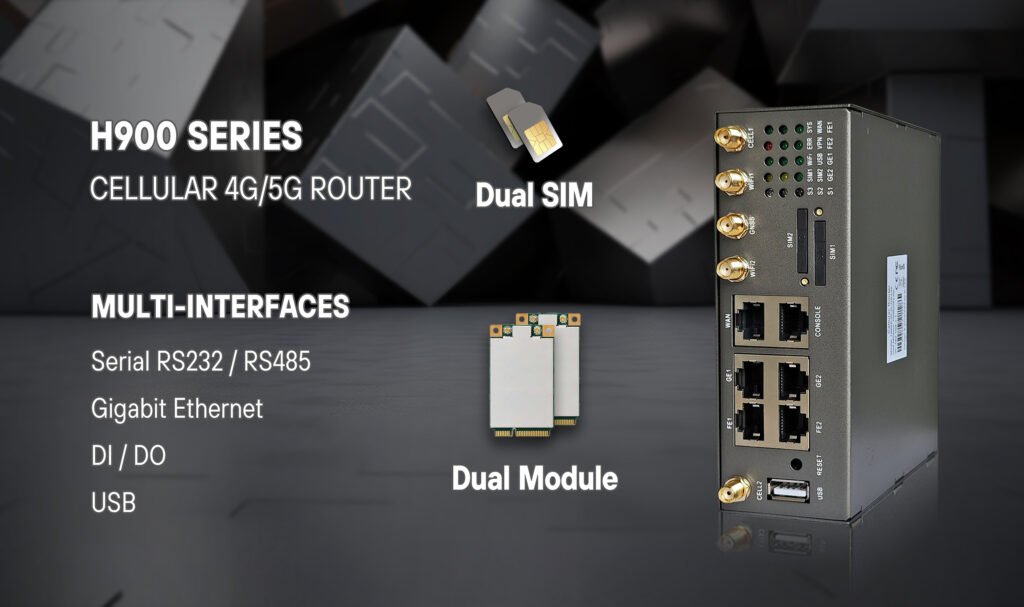
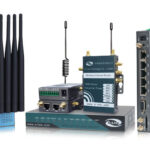
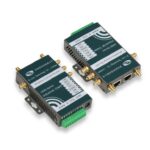
Are you ready to deploy an industrial 5G PoE Router? Take a quick view of E-Lins, a IoT expert providing many excellent industrial 5G PoE Routers.