
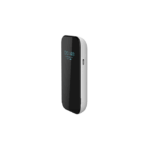

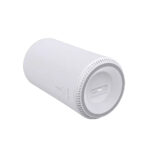
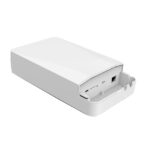
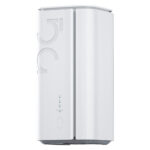


































At the end of the day, is 5G RedCap going to serve use cases that are dramatically different than LTE Cat-4 or Cat-6? For the most part, no. The speeds are comparable. It’s going to meet the same or similar use cases. Think about 5G RedCap more as a natural progression of technology standards than a total paradigm-shift of how we think about radio technology. At the risk of overusing the car analogy, it’s like gas vs. electric – yes, the underlying motor is different, but they are both just cars on the same highway.
That’s not to downplay the improvements that 5G delivers over LTE, which are significant. You will notice improvements in latency, reliability, and power efficiency within these use cases.
I think that the primary question folks are asking is whether now is the right time to transition to a 5G-first solution. We’re in the inter-generation limbo period between LTE and 5G. If you are designing a new device, what do you choose? The answer won’t be the same for everyone.
The factors for you decide to choose 5G RedCap:
- How important is it for you to be a first-mover?
Will adding “5G ready” to your datasheet put you ahead of competition. I tend to dislike this line of reasoning, because it feels more marketing-driven than results-driven. But it’s important nonetheless, especially in our competitive environment - How long will your devices be in the field? More than 5 years (i.e. >2029)? Strongly consider RedCap – definitely. Less than 5 years? Stick with LTE unless there’s a new 5G feature you need. Disclaimer: – I have absolutely no idea how long the LTE networks will be around, this is just my rule of thumb.
- How important is network reliability? Today, LTE networks are very reliable and wide-spread. There are a lot of lanes on the LTE highway. But as carriers allocate spectrum to 5G, the LTE “lanes” will become tighter. So this question goes hand-in-hand with your device’s life expectancy. If your device needs high network reliability and will still be operational in the late 2020’s, I might choose 5G RedCap. It’s important not to think about the date when LTE will be officially decommissioned. It’s more prudent to consider when we reach that critical point where 5G’s growth begins to affect the LTE network reliability in a meaningful way. That critical point will happen well before the LTE network officially closes down.
- Do you have power consumption concerns? 5G RedCap is optimized to reduce power consumption by simplifying the 5G protocol stack. This includes more efficient sleep modes, reduced signaling overhead, and optimizations that allow devices to maintain connectivity with less frequent communication with the network. This can lead to significant power savings, particularly in devices that spend a lot of time in idle or low-activity states.
- Price – Everyone’s favorite question. Simply put, the price of 5G RedCap modules will be somewhere in between today’s LTE Cat-4 and the 5G eMMB high-speed modules.
It’s not a terribly easy decision to make in 2024, whether to stick with LTE for your new device or move to 5G RedCap. But now is the time to be thinking about it.
LTE to 5G Transition
Let’s dive further into how 5G and LTE will coexist over the next decade, with 5G eventually replacing LTE altogether. This process will be smoother, for sure, than the transition from 3G to LTE. That’s because of the availability of more spectrum and a strategy of Dynamic Spectrum Sharing (DSS). DSS allows both LTE and 5G to operate on the same frequency bands simultaneously. Carriers can continue deploying 5G within the same spectrum that LTE operates in today, without having to reallocate or wait for new spectrum auctions.
The U.S.-based MNOs seem to be moving away from DSS recently (see this article by LightReading), but we haven’t found any similar stories for European operators. If you weren’t around in this industry for the 3G to LTE transition, allow me to give you a few highlights.
- The transition from 3G to LTE required significant spectrum reallocation, often necessitating that 3G services be reduced or refarmed to clear spectrum for LTE. This was a more complex and time-consuming process, leading to periods where networks had to manage decreased 3G capacity to make room for LTE.
- The shift required more extensive investment in new infrastructure and often meant running 3G and LTE networks in parallel but on separate spectrums. This dual operation increased costs and complexity during the transition period.
- Users had to contend with potential service disruptions or reduced service quality as spectrum was repurposed from 3G to LTE. This made the transition more challenging, especially in areas where 3G coverage was still heavily relied upon.
- Spectrum efficiency improvements were realized with LTE, but the need to dedicate specific bands to LTE meant that some spectrum was underutilized during the transition.
The increased spectrum availability and other network infrastructure architectures will help, but not totally eliminate, these growing pains as we transition from LTE to 5G. Some bands will be more “crowded” than others.
- DSS will allow both LTE and 5G to share the same frequency bands (highway), while each technology is allocated certain bandwidth (lanes) within that spectrum. Most importantly, it is dynamic, meaning DSS will allocate lanes according to real-time demand on the network for LTE and 5G.
- 5G Non-Standalone (NSA) was an architectural decision to help ease the financial burden on carriers as they deploy new 5G base stations, antennas, and cores to support a fully 5G Standalone (SA) network. That is a VERY EXPENSIVE undertaking. 5G NSA uses much of the existing LTE infrastructure for tasks like signaling, control functions, and some data transmission. By avoiding a “hard” switch like we did during the 3G -> LTE transition, carriers may actually be able to build out the nationwide 5G SA faster and more completely. I would expect, because of this smoother transition, the time between an announcement of upcoming LTE decommissioning to the actual decommissioning will be a narrower window since carriers have had time to build up a robust 5G network in all geographies.
- DSS will help avoid service disruptions and reliability issues as 5G becomes the dominant network choice. However, I think it’s prudent to be a little suspicious in DSS’ performance within the carriers’ networks. If reliability is a top priority for you, it’s always best to be using the technology with the most bandwidth assigned to it.
Many carriers are utilizing 5G NSA and DSS to achieve their current 5G network rollout. However, T-Mobile, who in many ways leads the U.S.’ 5G deployments, has taken a more aggressive approach to migrating to 5G SA. Band 41, acquired from T-Mobile’s takeover of Sprint, is used almost exclusively for an aggressive rollout of 5G nationwide. They use no DSS but instead allocate slices of existing bands into LTE and 5G spectrum.

In 2024, don’t make a decision based on fear of the LTE networks shutting down. I think you need to be cognizant of the steady spectrum allocation towards 5G at the expense of LTE and what that could mean for your device’s reliability in years to come.
3)FAQ for 5G RedCap
1. What is 5G RedCap?
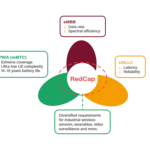
5G RedCap (Reduced Capability) is a standardized feature within 3GPP Release 17 that defines a new class of 5G devices with reduced complexity, cost, and power consumption compared to enhanced Mobile Broadband (eMBB) devices. It’s designed for mid-tier IoT and industrial use cases that don’t require the full performance of standard 5G.
2. What are the key technical reductions in 5G RedCap devices?
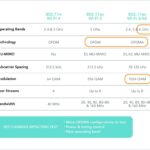
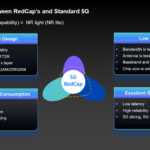
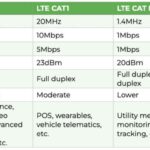
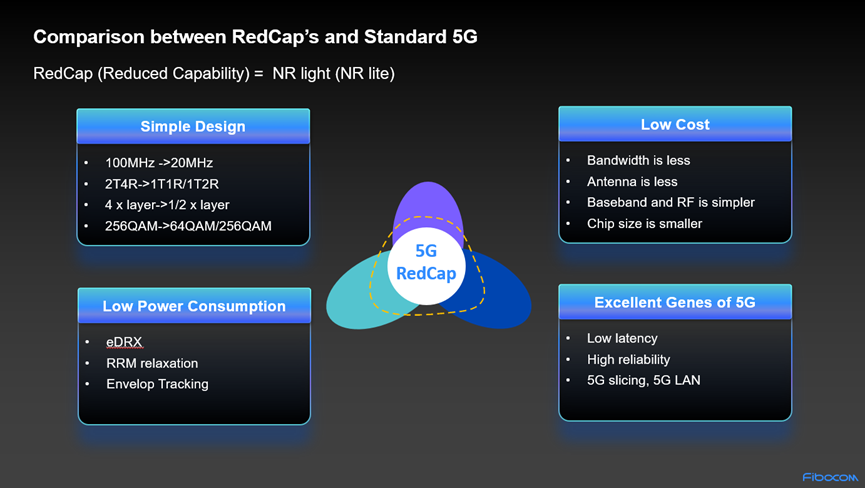
RedCap devices feature reductions in several areas, including: lower maximum bandwidth (e.g., 20MHz in FR1, 100MHz in mmWave), fewer MIMO layers (often 1×1 or 2×2), support for half-duplex FDD, a reduced number of antenna branches, and lower order modulation (e.g., 64-QAM instead of 256-QAM). These simplifications lead to cheaper, less complex modems.
3. What are the main use cases for 5G RedCap?
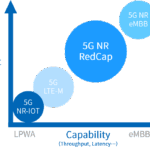
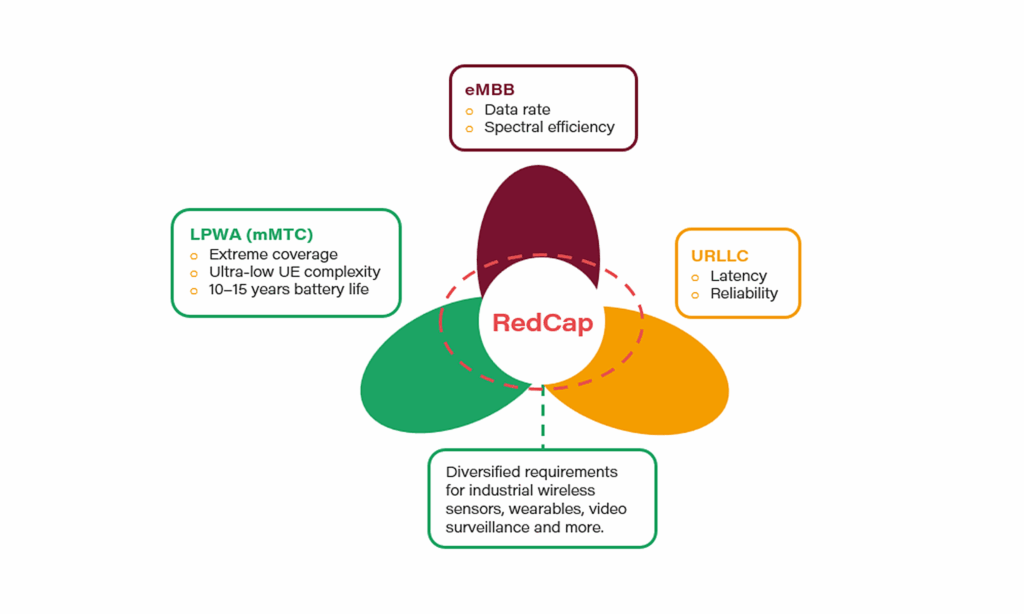
Primary use cases include: Industrial Wireless Sensor Networks (IWSN), video surveillance (with mid-tier cameras), wearables (like advanced smartwatches or AR glasses), and low-end Fixed Wireless Access (FWA) CPEs. It fills the gap between high-end eMBB/low-latency URLLC and low-power massive IoT (NB-IoT/LTE-M).
4. How does 5G RedCap differ from LTE Cat-1/Cat-1bis and LTE-M/NB-IoT?
5G RedCap offers higher data rates (e.g., ~100-200 Mbps downlink) and lower latency than LTE-M/NB-IoT, making it suitable for more demanding applications. Compared to LTE Cat-1, it provides native 5G advantages like network slicing, improved efficiency, lower latency, and a migration path within the 5G ecosystem, though at a potentially higher initial cost.
5. What is a 5G RedCap Router?
A 5G RedCap Router is a gateway or Customer Premise Equipment (CPE) device that incorporates a 5G RedCap module as its cellular modem. It provides connectivity (e.g., Wi-Fi, Ethernet) for multiple local devices by routing their data traffic over a 5G network, but it is built with a cost- and power-optimized RedCap chipset.
6. When would I choose a RedCap Router over a standard 5G Router?
Choose a RedCap Router for applications where cost, device size, or power consumption are critical, and the full performance (e.g., multi-gigabit speeds, ultra-low latency) of a premium 5G router is not required. Examples include cost-sensitive SOHO FWA, secondary backup links for SMEs, connectivity for mid-rate IIoT gateways, or temporary event networks.
7. Can a 5G RedCap device connect to any 5G network?
Yes, 5G RedCap is a 3GPP standard, so RedCap devices are designed to operate on public 5G networks that support the required functionalities (based on Release 17 and beyond). However, network operators must enable RedCap support in their core network and radio access network (RAN). Initial deployments are focused on 5G Standalone (SA) networks.
8. What are the power consumption benefits of 5G RedCap?
By simplifying the modem’s RF components, processing requirements, and supporting enhanced power-saving features (like eDRX and longer sleep cycles), RedCap devices can achieve significantly lower power consumption than full-featured 5G devices. This is crucial for battery-powered devices like wearables and sensors.
9. Does 5G RedCap support advanced 5G features like network slicing?
Yes, a key advantage of 5G RedCap over LTE alternatives is its native integration into the 5G system architecture. This means it can support core 5G features like network slicing, which allows operators to create virtual networks tailored for specific IoT application requirements (e.g., guaranteed bandwidth for surveillance).
10. Is 5G RedCap available now? When will it be widely deployed?
Commercial RedCap modules and devices started becoming available in 2024. Widespread network support and device availability are expected to ramp up through 2025 and 2026, as operators with mature 5G SA networks upgrade their software and device ecosystems expand. The rollout pace varies by region and operator.
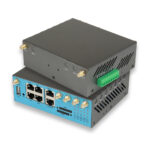
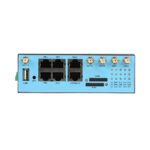
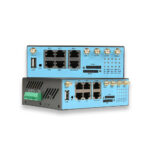
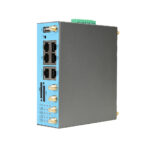
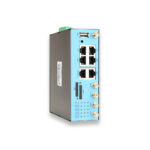
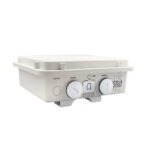
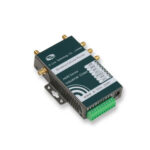
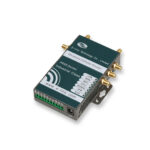
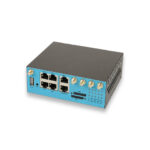
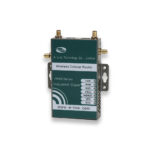
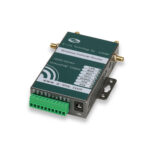
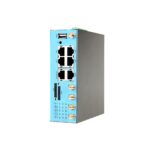
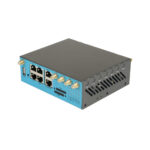
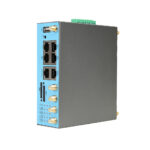
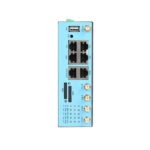
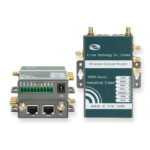
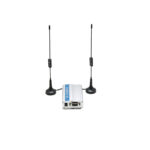
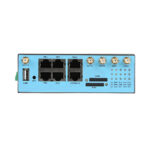
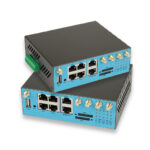
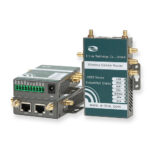
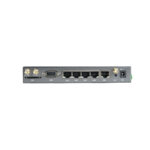
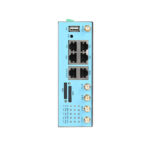
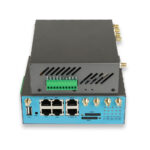
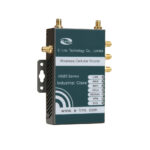
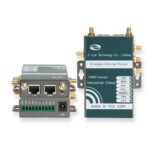
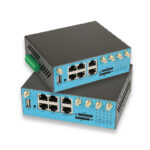
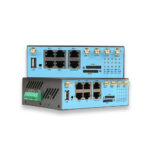
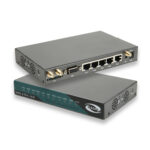
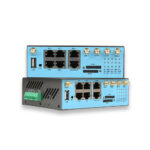
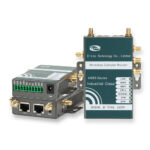
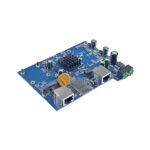
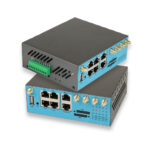
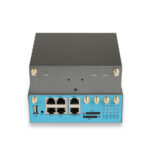
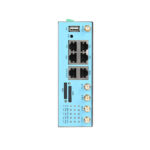
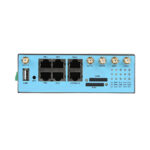
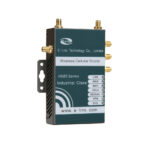
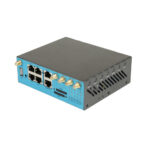
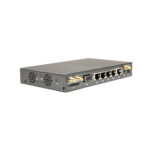
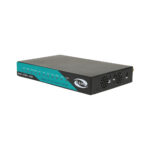
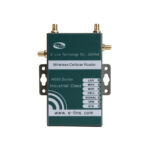
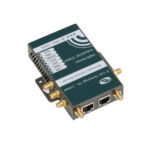
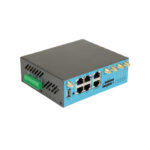
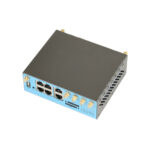
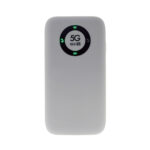
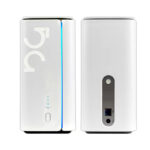
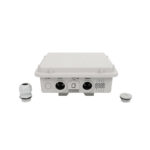
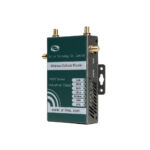
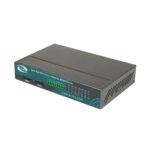
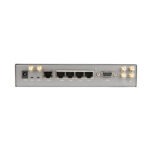
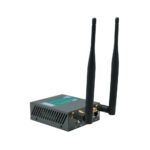
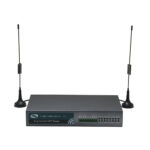
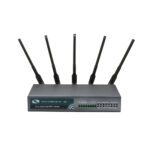
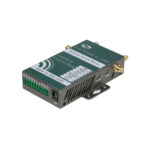
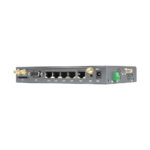
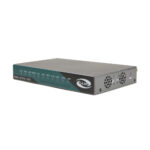
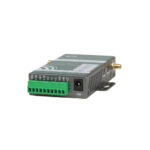
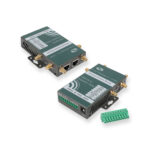
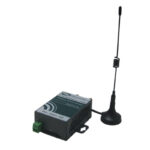
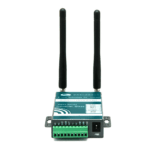
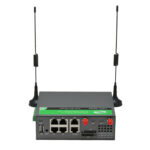
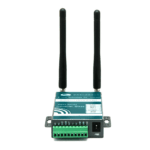
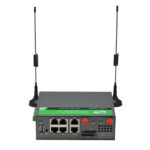
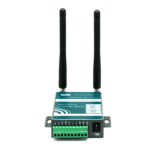
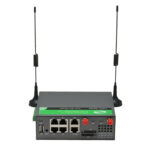
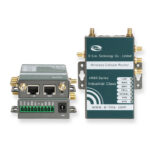
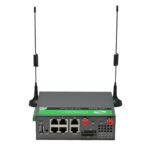
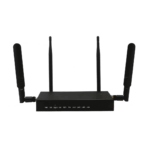
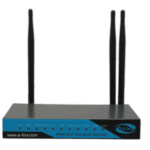
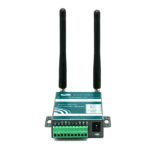
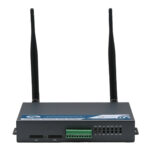
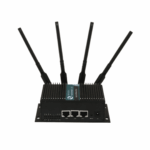
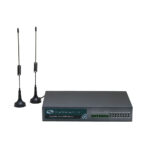
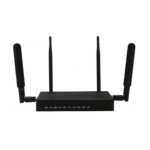
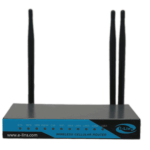
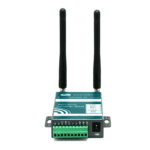
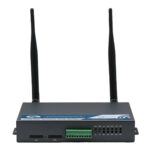
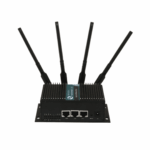
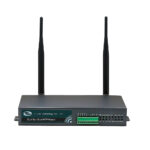
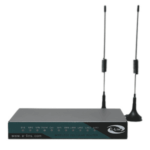
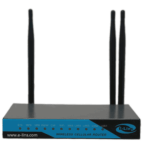
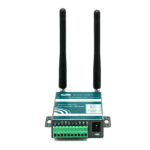
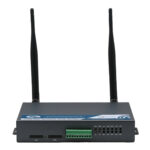
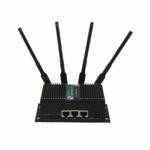
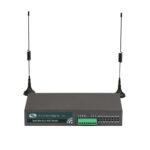
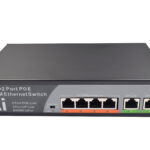
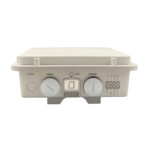
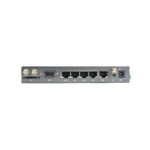
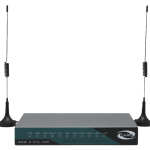
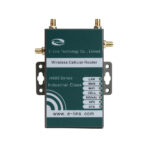
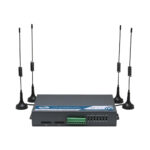
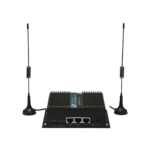
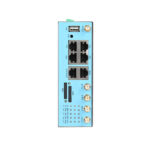
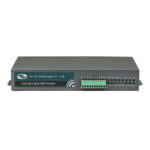
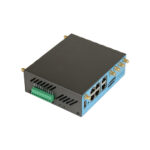
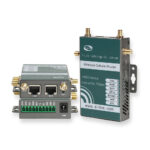
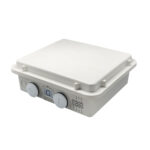
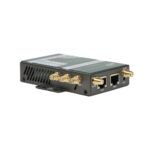
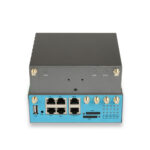
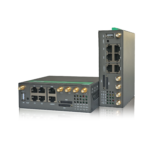
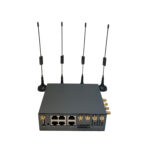
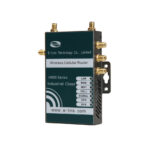
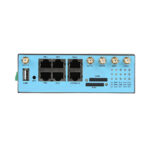
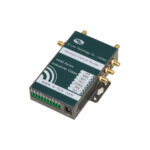
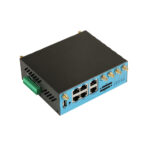
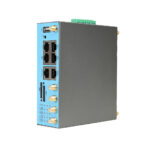
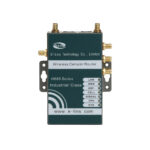
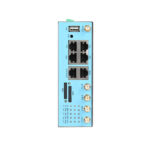
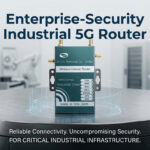
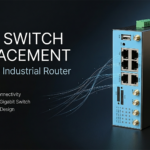
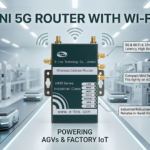
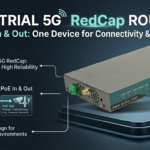
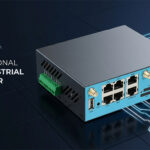
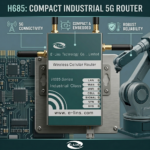
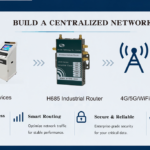
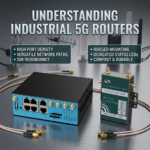
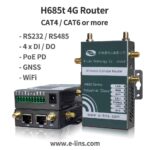
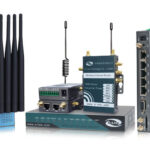
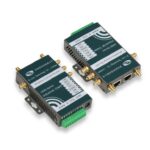
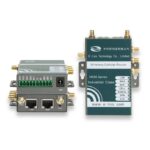
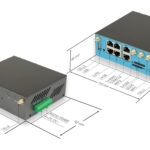
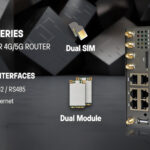
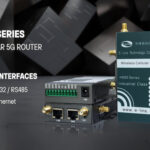
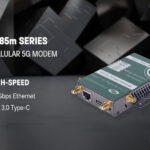
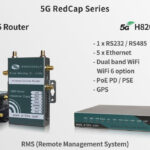
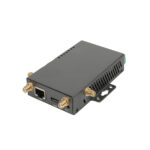
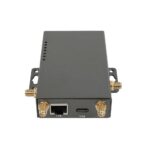
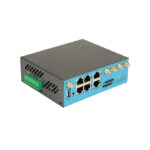
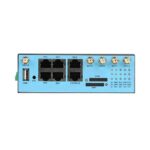
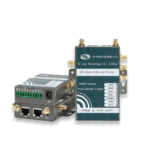
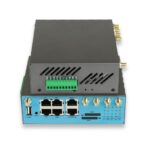
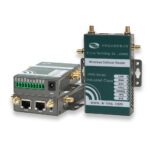
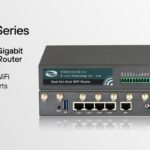
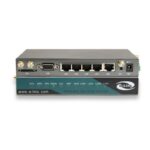
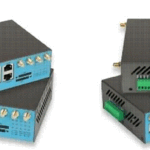
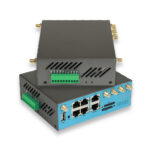
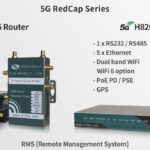
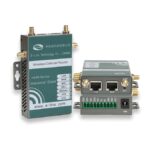
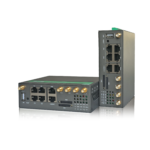
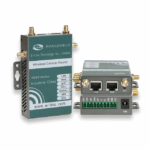
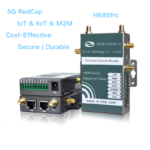
If you just consider IoT 5G RedCap Routers, E-Lins will be the best choice for you, as China best 4G Router & 5G Router Manufacturer, releasing some excellent 5G RedCap Routers.