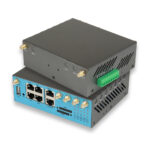
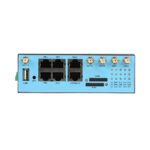
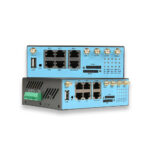
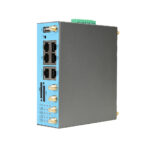
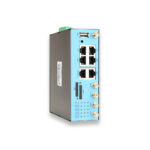
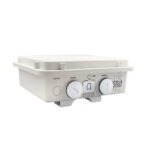
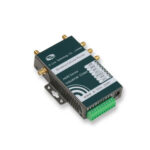
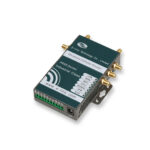
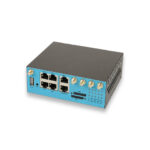
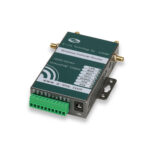
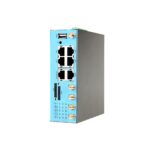

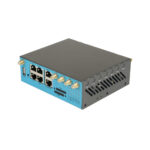
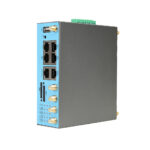
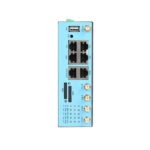
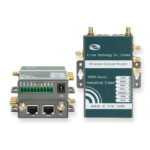
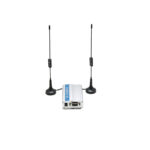
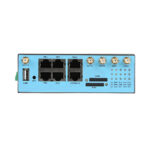
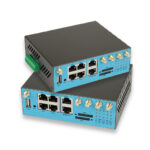
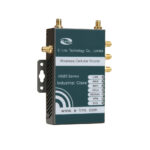
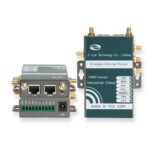
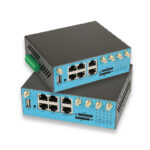
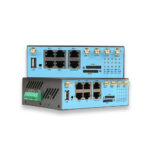
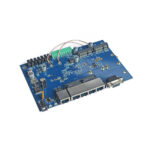
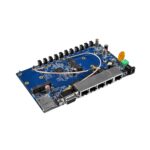
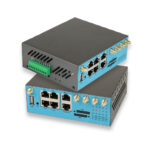
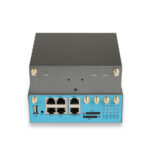
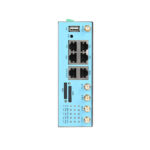
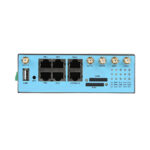
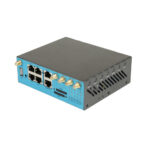
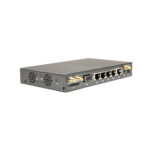
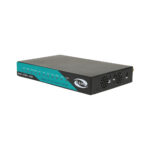
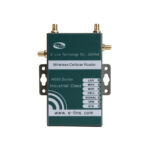
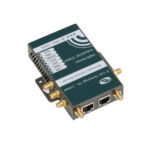
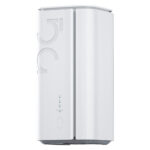
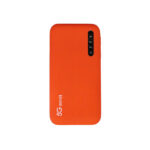
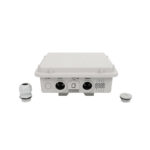
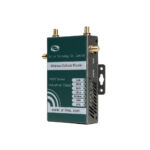
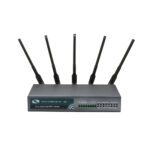
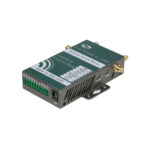
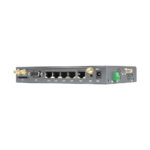
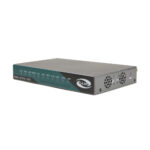
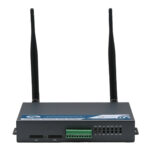
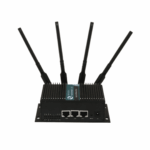
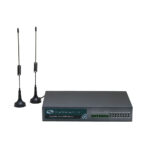
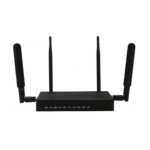
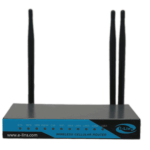
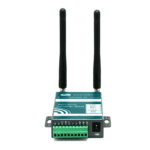
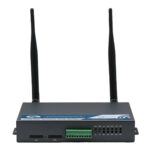
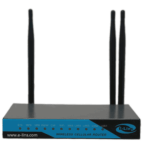
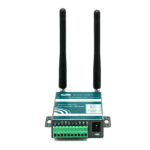
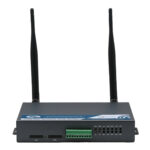
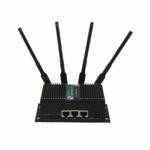
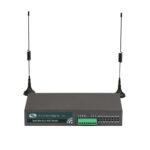
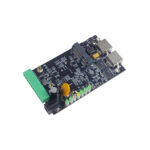
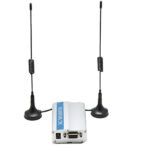
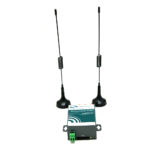
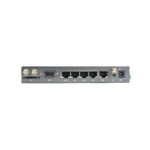
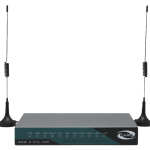
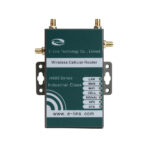
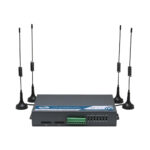
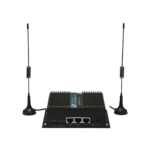
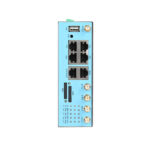
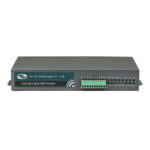
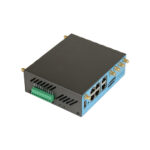
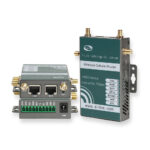
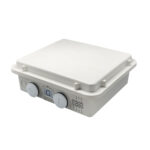
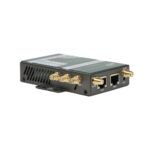
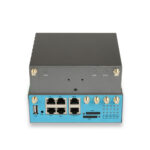

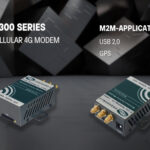
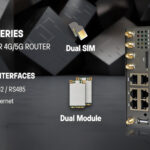

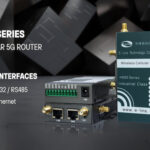
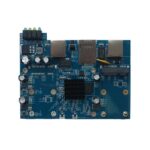
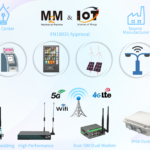

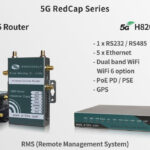

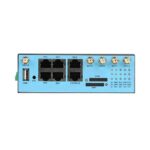
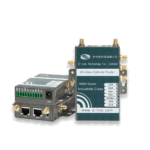
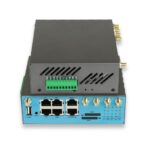













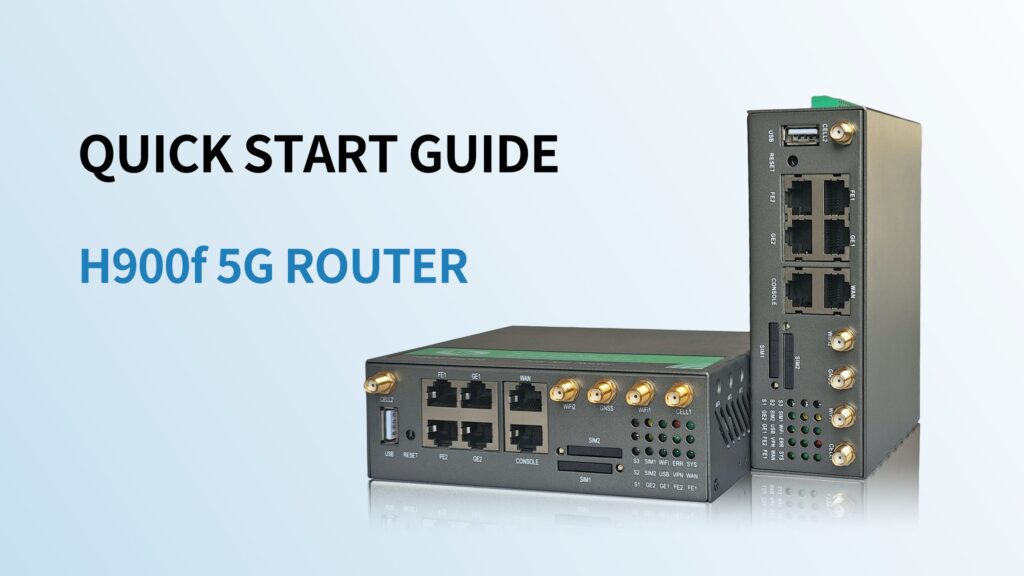
As we all know, the next generation of cellular communication technology is called-5G. The evolution of wireless technology has brought us to the 5G era. It much faster, reliable, stable than 4G.
The 5G technology has been touted as the next big thing in wireless connectivity. The projected growth rate for the worldwide 5G services market keeps growing.
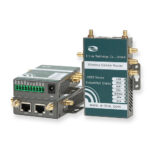
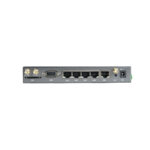
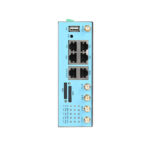
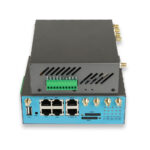
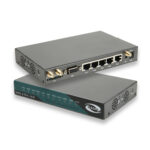
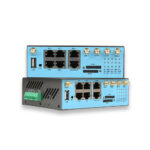
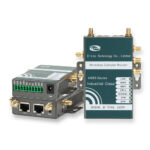
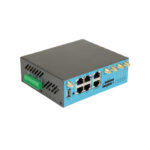
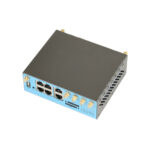
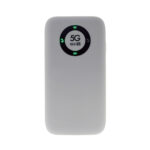
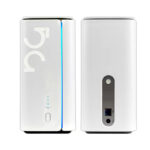
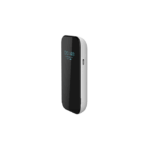
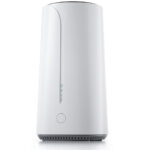
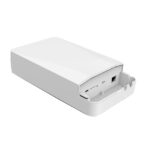
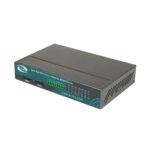
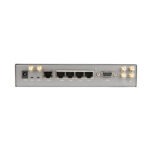
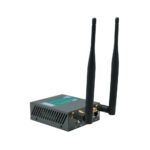
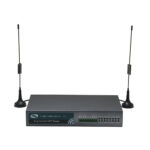
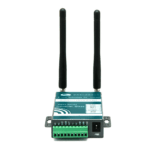
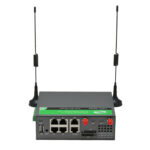
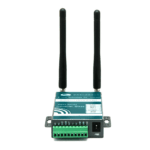
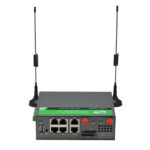
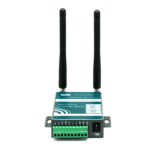
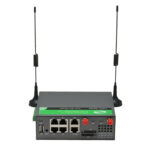
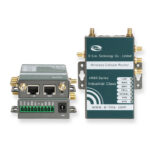
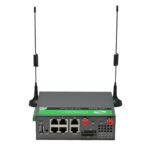
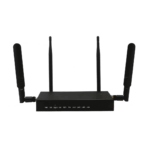
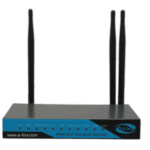
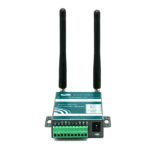
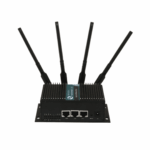
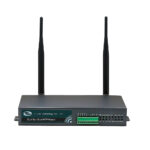
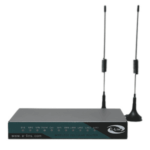
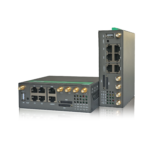
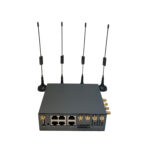
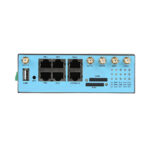
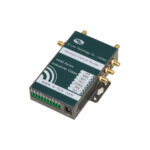
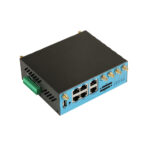
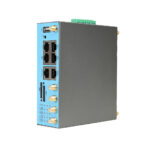
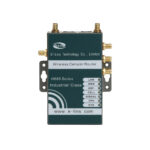
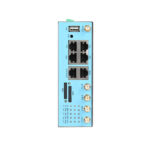
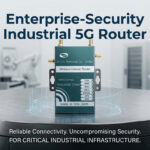
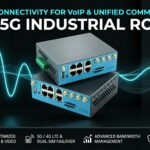
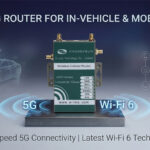
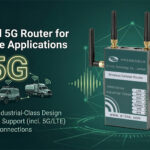
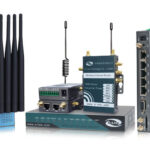
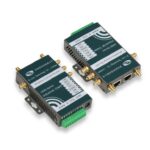
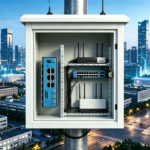
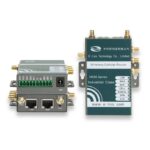
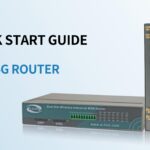
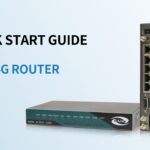
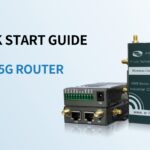
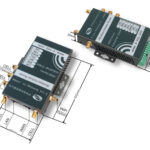
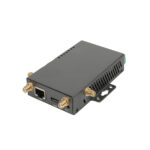
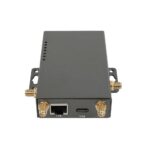
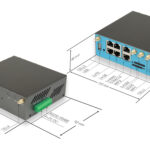
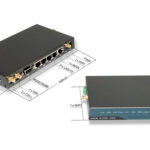
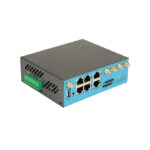
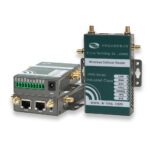
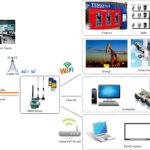
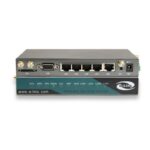
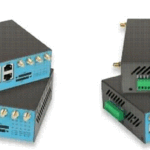
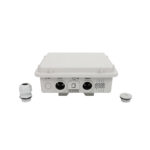
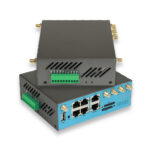
And, 5G router has a big role to play when it comes to bringing 5G-enabled devices to work. It is a new device that lets you connect with 5G-enabled devices as they become available.
This article will share some ideas of 5G router, what they are, what are the benefits, why you should consider one and many others.

1)What is 5G Technology?
The term “5G” refers to the fifth generation of cellular network technology, and represents the latest generation of mobile cellular communication. 5G networks deliver higher data rates and faster speeds, reduced latency and delay, and increased capacity compared with 4G.
2)What is a 5G router?
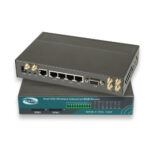
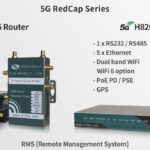
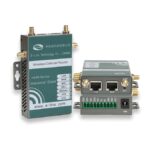
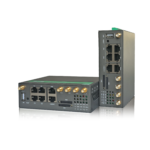
Routers connect two or more packet-switched networks or subnetworks. It routes data packets to IP addresses and lets numerous devices share an Internet connection. A 5G router is a device that connects your devices to the internet using wireless 5G technology.
One of the primary advantages resulting from 5G technology is the elimination of the necessity for a physical landline connection. In contrast, the means of connecting to the internet commonly involves the utilization of a SIM card, which facilitates unrestricted data usage in addition to voice calls and text messaging.
3)What are the benefits of 5G Router?
5G is set to revolutionize the way we use the internet by becoming the next generation wireless standard. The introduction of 5G will mean faster connections and less congestion when using mobile devices. 5G router benefits both businesses and consumers.
For business owners, 5G router with Cellular Intelligence (CI) is scalable and flexible to meet the business requirements of a growing business and provide required advanced active management capabilities. CI makes your network smart, safe, and highly efficient.
For consumers, 5G is expected to bring faster speeds with lower latency that will give them an improved customer experience when using online services such as streaming video or music services, online gaming platforms, social media sites and e-commerce platforms.
4)How much faster is 5G router?
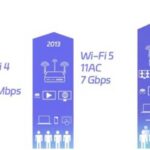
The speed of 5G technology surpasses that of 4G technology to a significant extent. According to estimates, the potential download speed of 5G networks is projected to reach 20 Gbps, which is significantly higher compared to the existing 4G networks that provide rates of 1 Gbps. The primary drivers behind this observed speed are twofold: the effective use of higher frequency bands and the shorter latency times (less than 5 ms).
Comparison Table
| Items | 5G Cellular | 4G Cellular |
| Latency | Less than 5 ms/td> | 60 to 98 ms |
| Download Speed | 20 Gbps | 1 Gbps |
| Base Stations | Small Cells | Cell Towers |
| OFDM Encoding | 100-800 MHz channels | 20 MHz Channel |
| Goal for Cell Density | 100 times greater than 4G | 200 to 400 users per cell |
Another notable distinction between 4G and 5G is in the prevalent base station need for signal transmission.The 4G technology facilitates the transmission of signals from cellular towers while the utilization of small cell technology is a key aspect of 5G networks, primarily driven by its enhanced speed capabilities and utilization of mmWave frequency bands.
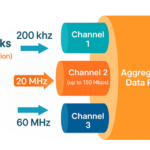
Another key difference between 4G and 5G is the OFDM encoding. The use of Orthogonal Frequency Division Multiplexing (OFDM) in data encoding facilitates the enhancement of download rates in 4G and 5G networks. This is achieved by allocating distinct signal channels to each network, as opposed to a common channel. 4G technology uses channels with a bandwidth of 20 MHz. In contrast, 5G will employ channels with a significantly wider bandwidth ranging from 100 MHz to 800 MHz.
And lastly, the goal for density of 5G is much higher than 4G. 5G networks are being designed to support a greater density of cells, resulting in increased capacity and connectivity.
5)Why should we choose 5G Router?
A 5G router can have many advantages, depending on the application it’s needed for.
Home & office use – For consumer or work from home applications, a 5G router works great for:
- Better Internet performance – A 5G router can significantly improve home internet speeds and reliability in areas where traditional broadband connections are limited or unavailable. For example, 5G Internet can have much faster performance than DSL Internet or satellite connections.
- Backup connection – A 5G router with “dual WAN” capabilities can use a wired connection and a 5G connection together so that the Internet stays up, even when the wired connection goes down. A 5G router running on an Uninterruptible Power Supply (UPS) can maintain Internet connection even when the power goes out, which can cause certain types of traditional Internet (Cable Internet) to go down.
Business Internet use – For business use, 5G router can deliver:
- More reliable Internet connections – A 5G router with “dual WAN” capabilities can use a wired connection and a 5G connection together so that the Internet stays up, even when the wired connection goes down.
- Easier installation and setup – 5G router can be truly plug-and-play, where you simply plug in the router and it connects to the Internet over the 5G cellular network, and creates a local Wi-Fi connection you can use with your local devices such as computers, laptops and mobile devices.
- A reliable backup for fiber optic Internet – Even when you have a fiber optic Internet connection, things can happen that cause you to lose Internet. With a dual-WAN 5G router, your connection can be instantly switched over to the 5G cellular network, keep your business up and running.
Mobile applications – When mobility is needed beyond a fixed location, 5G router is excellent for:
- RV and work-from-anywhere applications – A mobile 5G router can travel with you, keeping you connected at high speeds. Using multiple SIM cards connected to different carrier networks and external antennas can ensure you maintain connectivity in as many places as possible.
- Marine, boating and yacht applications – On rivers, lakes and near-shore ocean locations, 5G router with cellular coverage can bring high-speed Internet to passengers and crews on board boats, ships and yachts.
- Telemedicine – 5G networks high-bandwidth capabilities are ideal for remote telemedicine applications where speed and bandwidth are critical, even when teams are far from traditional means to connect to the Internet.
- Emergency services – Ambulances, rescue, and other emergency services applications require fault-tolerant connectivity on the move in “urban canyons” and distant, remote locations. With multi-carrier connectivity, robust multi-SIM 5G router can ensure teams stay connected.
- Disaster management & recovery – When disaster strikes and traditional networks are down, disaster recovery teams need reliable connectivity under adverse conditions. Remote teams can then maintain connectivity through 5G router that may also be connected to satellite systems such as Starlink.
Industrial uses – In an industrial environment, 5G router performance as below:
Monitoring and surveillance – The high-bandwidths available with 5G are particularly suited for high-resolutions monitoring and surveillance. In remote locations, mobile 5G router can provide robust connectivity for cameras and intrusion detection.
IoT applications – 5G is well suited for IoT applications due to its’ high bandwidth, low latency. It’s been designed to support a massive number of connections and 5G “network slicing” allows the creation of multiple virtual networks that can be tailored to meet the needs of IoT applications. There are also low-power modes available for battery-powered and remote devices.
Factory applications – With 5G, factory floors are beginning to look at replacing their Wi-Fi networks with private 5G networks, which are designed to scale far more effectively than traditional Wi-Fi. In particular, 5G private networks provide improved scalability to thousands, or even millions, of devices, and are less susceptible to interference than Wi-Fi.
6)How to choose the best 5G Router
As you evaluate 5G router, here are some factors to consider:
A. Connectivity Needs
Band Support: Different regions and carriers may use different frequency bands. If you’re looking for the ultimate in 5G speed performance, consider what bands your router and network are using:
- Sub-6GHz Bands: The lower-frequency bands below 6GHz are often referred to as sub-6GHz. These bands provide a balance between coverage and data speeds, and are typically used for wider area coverage in urban and suburban environments.
- Mid-Band (C-Band and others): Mid-band frequencies like the C-band are in the range of 2GHz to 6GHz. These frequencies offer a compromise between coverage and capacity, and provide faster data speeds compared to sub-6GHz bands.
- Millimeter Wave Bands: High-frequency bands above 24GHz are called mmWave bands. These bands offer the highest bandwidth, but have a shorter, more limited range to reach from the cellular network to your router.
B. Data Speeds
Consider the maximum data speeds the router can provide. If you need high-speed Internet, opt for a router that supports faster speed 5G connections and frequency bands. Also consider the router’s data throughput, as some routers have faster processing speeds and can handle faster data connections than others.
C. SIM Card Slots
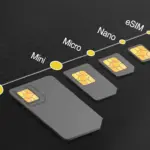
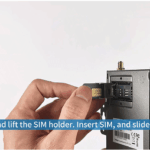
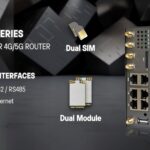
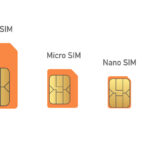
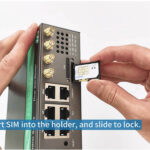
Some routers allow you to supply your own SIM card or offer dual SIM capabilities, allowing for connection failover or using two different carriers. Consider how many SIM cards you plan to use and make sure the SIM router has enough SIM card slots.
D. Use Cases
Home vs Travel: If you’re traveling and plan to be away from power sources, a compact router can be essential. If you intend to use the router in your home or office, a larger model with more features may better suit your needs.
Rural Areas or Large Spaces: In areas with weak signals, consider a router with external antenna connections or multiple antennas built in to boost reception and extend coverage.
E. Main Features
Ethernet and USB Ports: Will you be connecting wired devices like computers, smart home appliances or IP cameras, or sharing storage? Make sure your router has all the Ethernet and USB ports you’ll need.
Security Features: VPN support, firewall capabilities, and strong encryption are essential for business users and those concerned about privacy.
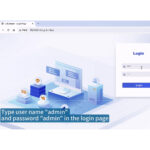
Management and Configuration: Some routers offer user-friendly apps or web interfaces for configuration and monitoring. Others allow remote management from a central location using network management software or cloud services.
F. Price
Cellular routers vary widely in price, so consider your budget and compare options within your price range. More expensive routers tend to have advanced features and better build quality, meaning increased reliability, but there are many budget-friendly options that may also suit your needs.
7)Frequently Asked Questions
Q: Does 5G use more data than 4G?
A: The use of 5G technology does not result in the automatic usage of data compared to 4G technology. The improved network offers enhanced speeds, shorter latency, and more capacity. Nevertheless, it is anticipated that the benefits of 5G technology will lead to a gradual escalation in data consumption.
Q: Can 5G router replace broadband?
A: While 5G promises to be faster than 4G, it’s important to remember that 5G is not a replacement for broadband. Instead, it will be used to connect devices and provide mobile internet access in areas where there is no broadband.

Conclusion
5G is the new trend of cellular market and 5G router owns a bright feature in IoT & IIoT. Need help in finding the right 5G router solution for IoT & IIoT solutions? Contact E-Lins, a 5G Router expert since 1999.