









































Connectivity is no longer a luxury confined to our homes and offices; it is an expectation that follows us everywhere—especially into our vehicles. Whether you are a first responder racing to an emergency, a fleet manager tracking millions of dollars in assets, or a family on a cross-country RV trip, the demand for high-speed, reliable internet on the move is insatiable.

Leading this charge is the latest evolution of the 5G cellular router. These ruggedized, intelligent devices are transforming cars, trucks, and trains into mobile command centers and entertainment hubs. This article explores the cutting-edge technology powering the next generation of in-vehicle networking.
What is a 5G Cellular Router and How Does It Work?
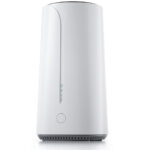
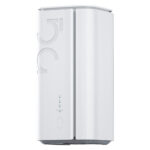
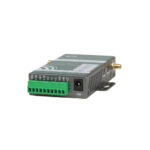
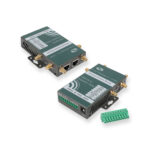
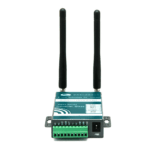
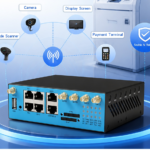
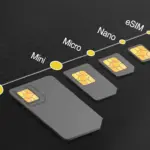
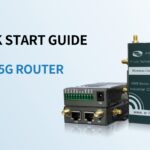
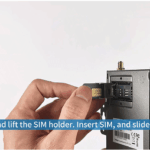
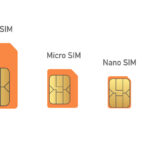
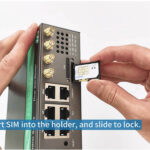
A 5G cellular router is a network device that replaces the need for a physical cable (like DSL, cable, or fiber) coming into your building. Instead, it inserts a SIM card—much like the one in your smartphone—and connects to the internet via the nearest 5G cell tower. It then broadcasts that connection as a Wi-Fi network, allowing all your devices to get online.
1)E-Lins and the Quest for Centimeter-Level Accuracy
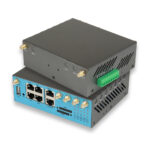
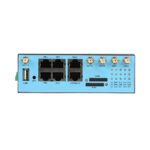
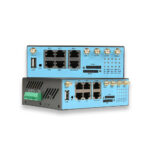
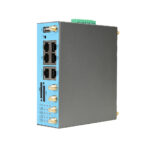
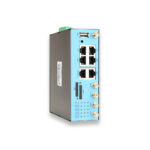
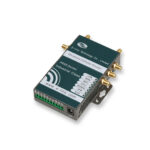
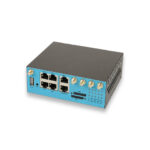
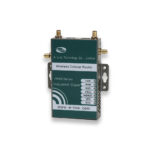
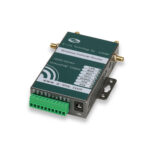
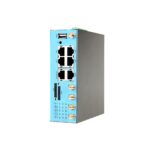
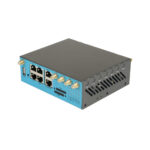
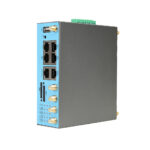
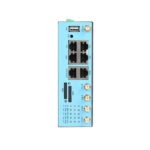
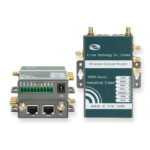
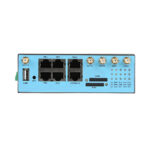
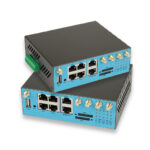
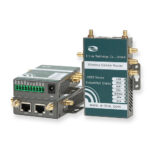
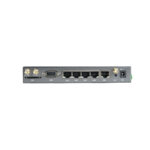
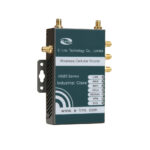
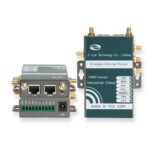
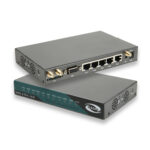
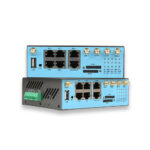
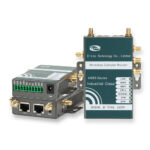
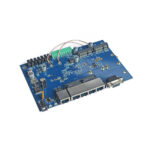
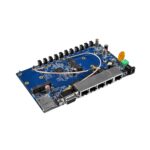
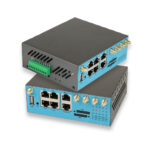
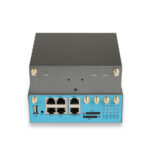
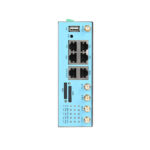
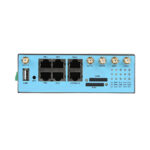
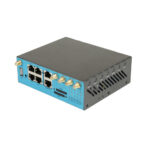
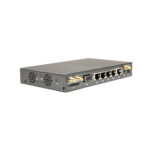
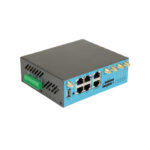
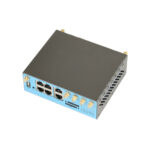
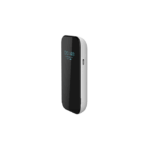
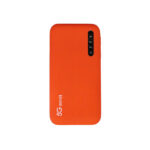
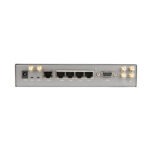
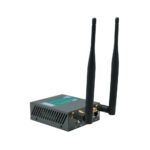
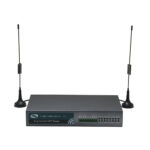
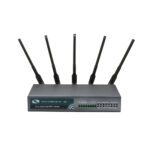
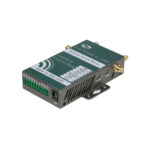
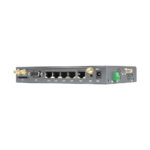
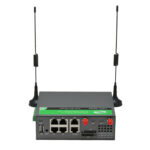
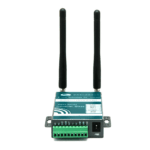
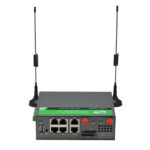
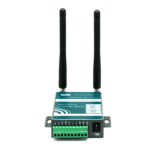
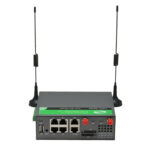
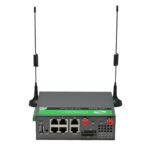
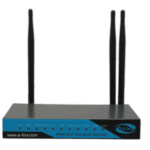
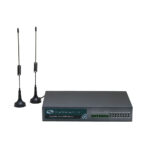
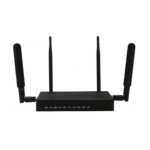
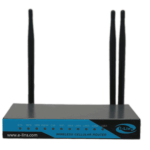
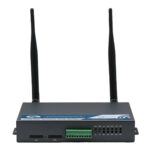
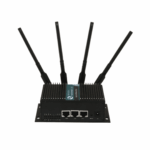
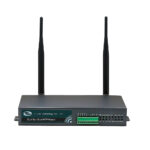
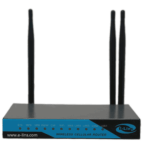
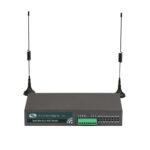
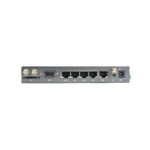
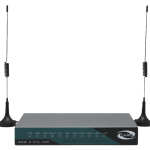
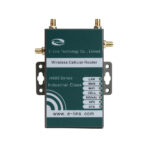
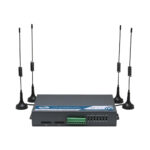
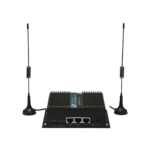
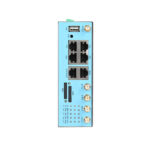
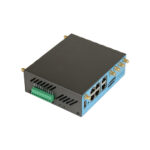
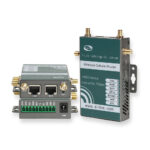
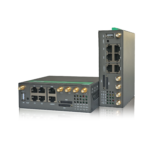
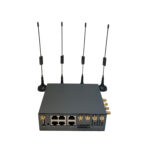
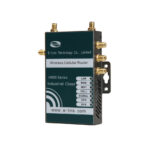
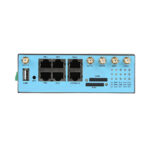
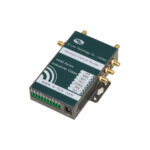
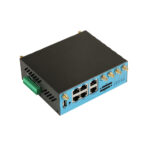
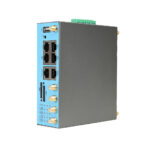
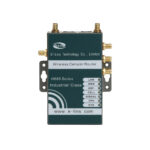
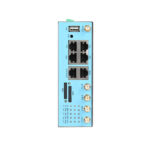
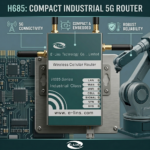
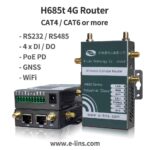
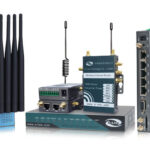
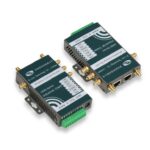
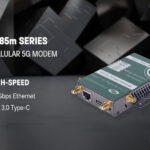
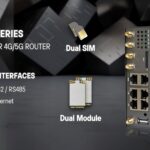
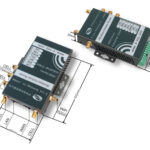
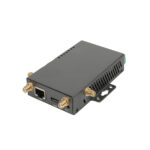
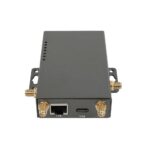
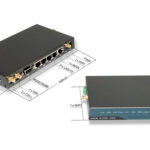
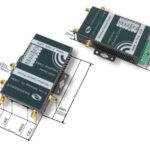
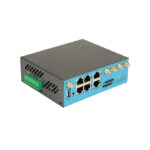
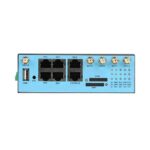
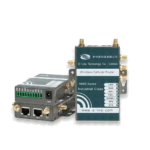
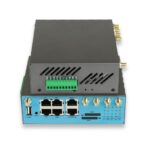
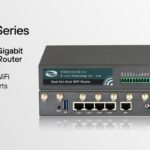
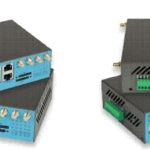
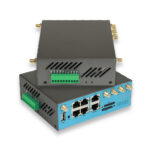
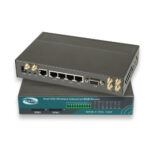
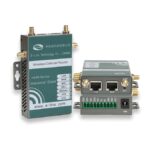
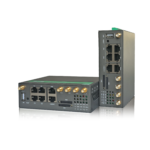
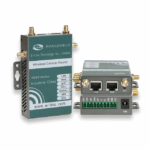
At the Mobile World Congress, E-Lins H685f, a device that redefines what a vehicle router can do. It is not just about internet access; it is about precision. By integrating Real-Time Kinematics (RTK) and dead-reckoning technology, the H685f improves vehicle positioning from the standard 1–3 meters down to approximately 1 centimeter.
This “lane-level” accuracy is a game-changer for public safety and autonomous vehicle testing. It allows dispatchers to know exactly which lane an ambulance is in or enables precise tracking of drones landing on moving platforms.
2)The “No-Dead-Zones” Promise: Multi-Network Madness
The fear of every traveler is the “No Service” icon. To combat this, the latest routers are becoming network agnostic. The H685f supports up to five simultaneous cellular connections alongside multiple Low-Earth-Orbit (LEO) satellite connections.
This means the router can aggregate bandwidth from different carriers or switch to satellite backhaul when it leaves cellular coverage, providing a truly seamless global connectivity experience.
3) Serving Those Who Serve: Public Safety and First Responders
Perhaps the most critical application of mobile 5G routers is in public safety. As police and fire departments adopt data-heavy tools like 4K body cameras and aerial drones, the network backbone must keep up.
1. Guaranteed Connectivity with Network Slicing
During a natural disaster, commercial networks become congested with panicked civilians posting on social media. First responders cannot afford to have their bandwidth throttled. E-Lins’s H685f series routers are designed specifically for this scenario.
This creates a dedicated “fast lane” for emergency communications. Even when the commercial network is jammed, a police cruiser equipped with an H685f router will have pristine connectivity for real-time video analytics and drone feeds.
2. AI at the Edge
It is inefficient to stream hours of 4K footage from a body camera to the cloud. Modern 5G routers are solving this with edge computing.
4) The Rise of 5G RedCap: Right-Sizing IoT Connectivity
Not every device in a vehicle or remote location needs the blistering speed of a smartphone. For sensors, trackers, and simple telemetry devices, 5G was often overkill and too power-hungry. Enter 5G RedCap.
What is RedCap?
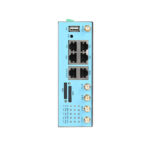
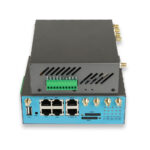
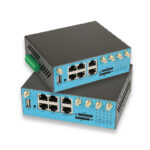
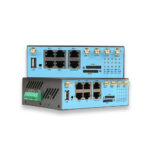
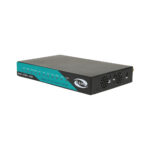
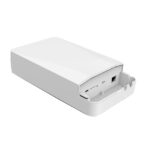
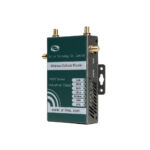
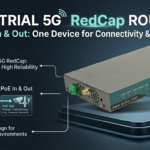
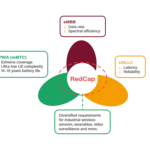
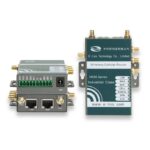
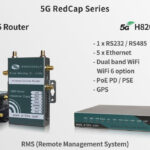
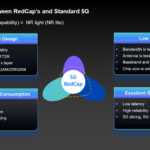
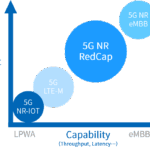
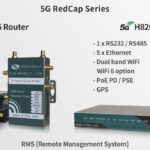
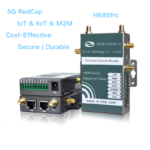
RedCap is a new standard that bridges the gap between LTE and full-fat 5G. E-Lins has introduced the H685f and H900f routers utilizing this technology.
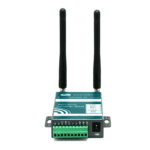
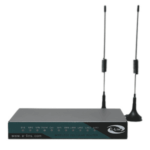
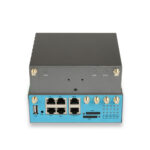
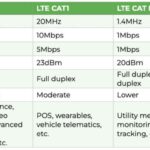
These routers require only two antennas instead of four, consume less power, and are cheaper to manufacture, yet they offer higher throughput and lower latency than LTE Cat-4. They are perfect for the “Internet of Things” (IoT) in transit—think smart ticketing machines on buses, digital signage in train stations, or predictive maintenance sensors on fleet vehicles. They ensure that as carriers eventually shut down their 4G towers, these devices will still operate on the 5G standalone network.
5) Practical Features for the Everyday Traveler
While centimeter-accurate GPS is great for autonomous buses, what about the average RV owner?
1. The Battle Against Battery Drain
If you have ever used your phone as a hotspot in a car, you know it kills the battery and overheats the device. Dedicated 5G routers solve this. Devices like the H685f feature high-capacity batteries designed for 24/7 operation. They also support USB-C power delivery, allowing them to be hardwired into a vehicle’s 12V system without the risk of draining the starter battery.
2. Antennas: The Secret to Rural RVing
For those camping off the beaten path, signal strength is the ultimate challenge. High-end mobile routers often feature removable antennas. NETGEAR offers optional omnidirectional MIMO antennas with up to 2.5dBi gain that can be magnetically mounted to the roof of an RV, effectively turning the entire vehicle into a giant antenna to pull in distant signals.
6)FAQ for 5G Cellular Router
Q1: Can I use a standard home 5G router in my car?
Technically yes, but it is not recommended. Home routers are not designed to handle constant vibration, temperature fluctuations, or the rapid handoff between cell towers. In-vehicle routers like the H685f & H900f series have specialized firmware for mobility.
Q2: What is the difference between a 5G RedCap router and a regular 5G router?
A regular 5G router is designed for high-bandwidth applications like video streaming. A 5G RedCap router is designed for IoT applications. It is smaller, cheaper, and uses less power, making it ideal for connecting sensors and telematics devices, but it does not support the same multi-gigabit speeds.
Q3: How does a vehicle router get a signal if I’m driving through a tunnel?
While advanced routers use multiple SIMs from different carriers to maximize coverage, physical obstructions like tunnels are still challenging. The latest models mitigate this by utilizing “dead reckoning” for GPS tracking when satellite signals are lost, and some are beginning to integrate with LEO satellite networks for backhaul.
Q4: Are in-vehicle 5G routers secure?
Yes, they often feature higher security than consumer devices. They support IPSec VPN tunnels to encrypt data back to a headquarters server, ensuring that sensitive data from a police laptop or fleet GPS tracker cannot be intercepted over the air.
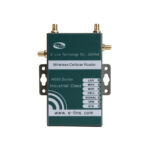
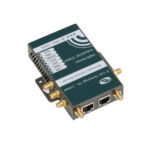
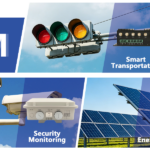
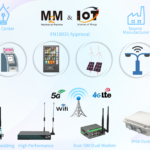
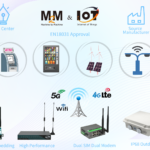
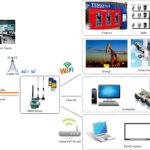
The 5G cellular router is a primary infrastructure device for various IoT & IIoT cases. It is widely used in many projects worldwide, leading a IoT revolution. We can benefit much from 5g Cellular router’s performance.
Conclusion
The mobile 5G router market is diversifying at a rapid pace. From the ruggedized, life-saving tech inside a fire engine to the efficient, low-power RedCap modules inside a city bus, these devices are ensuring that the world stays connected, no matter how fast it moves. The road ahead is not just electric; it is hyper-connected.

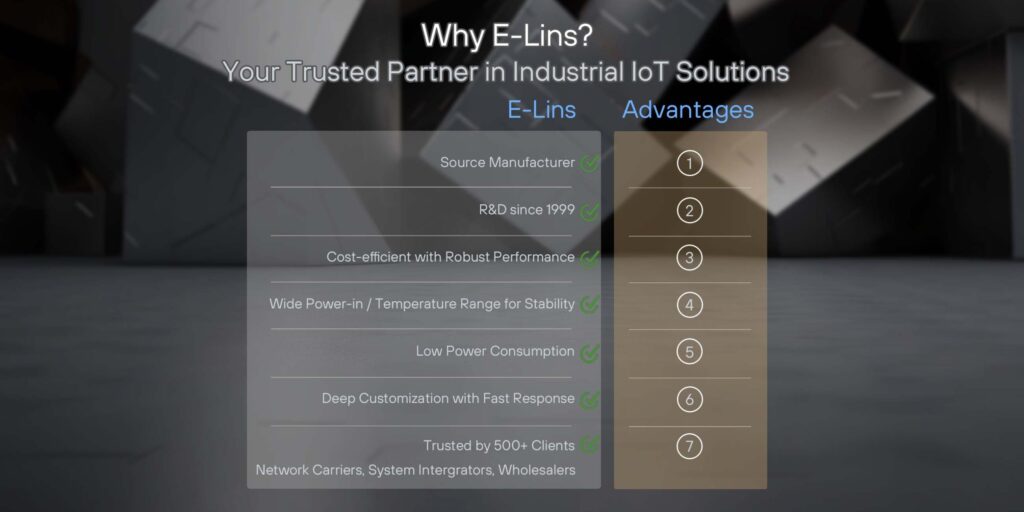
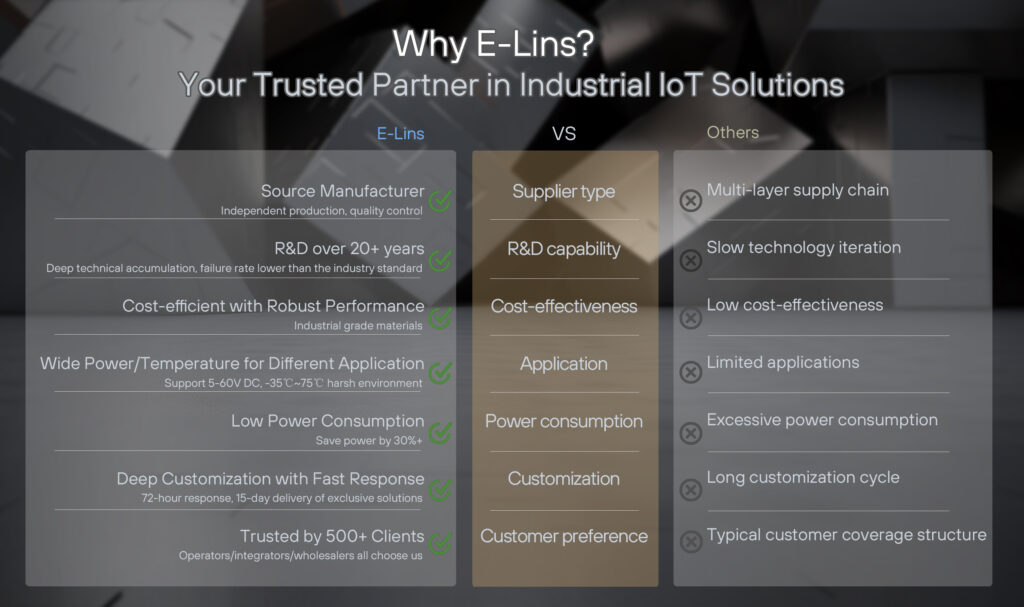
Are you source an 5G Cellular Router? E-Lins will be an excellent choice for you. Founded since 1999, specialized on manufacturing industrial 5g cellular routers.