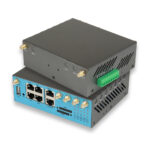
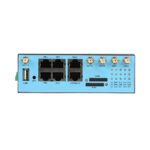
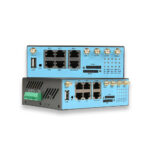
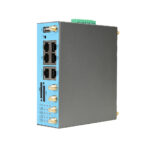
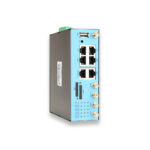
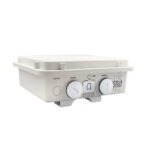
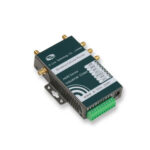
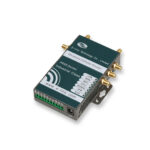
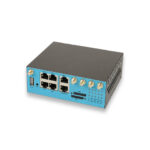
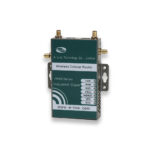
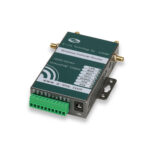
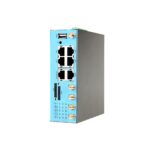

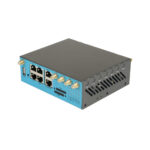
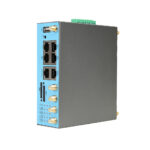
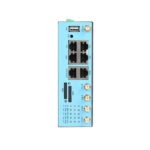
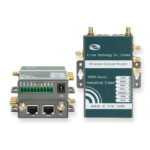
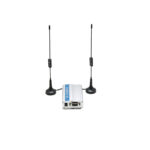
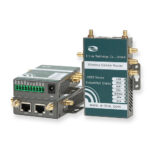
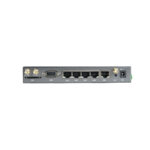
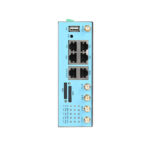
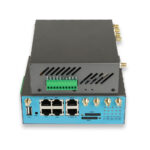
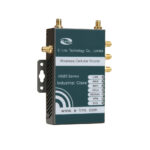
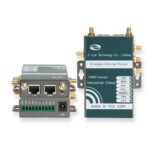
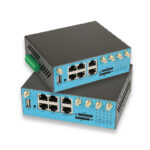
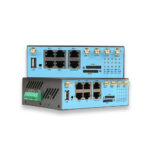
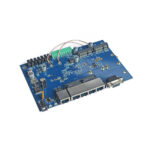
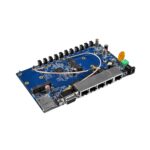
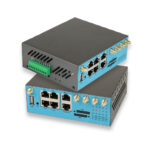
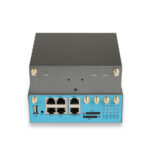
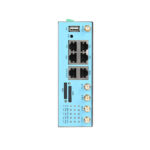
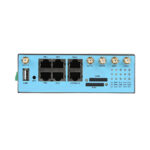
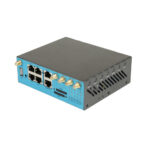
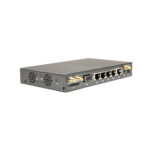
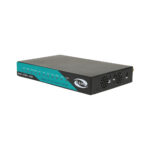
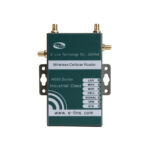
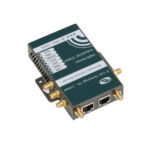
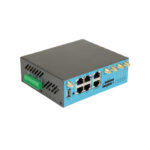
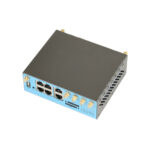
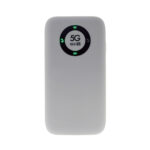
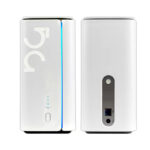
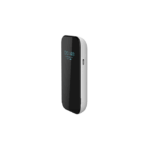

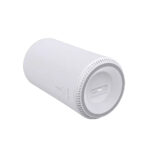
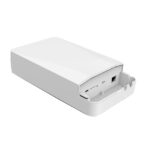
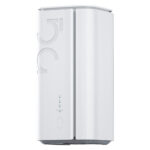
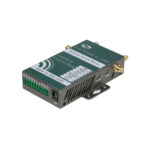
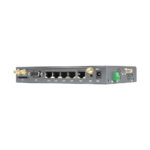
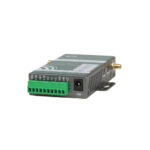
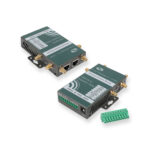
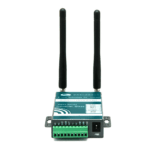
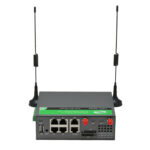
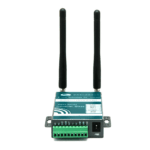
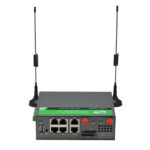
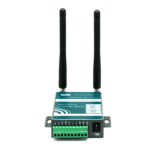
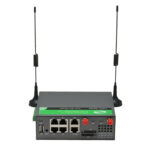
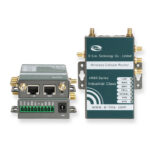
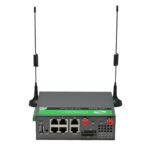
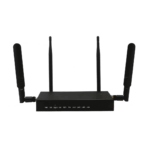
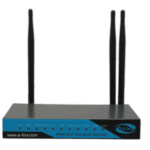
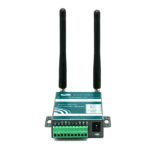
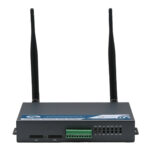
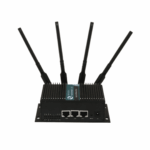
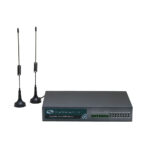
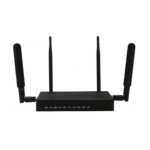
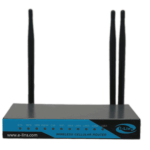
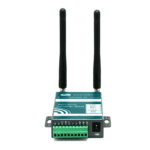
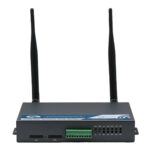
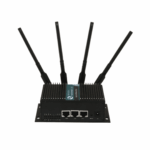
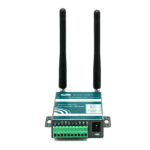
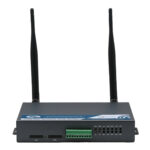
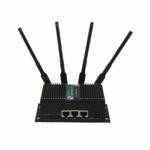
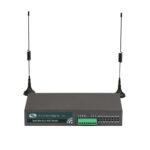
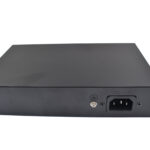
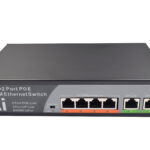
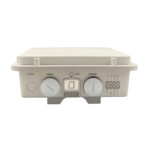
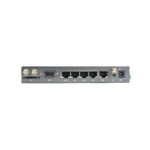
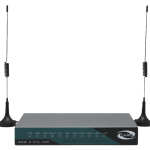
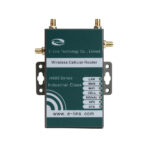
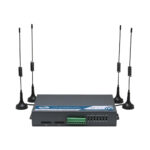
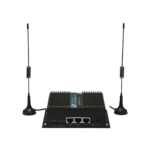
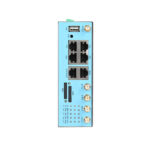
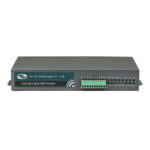
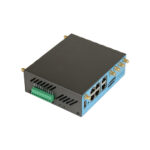
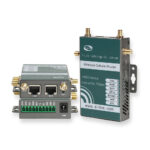
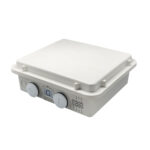
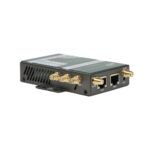
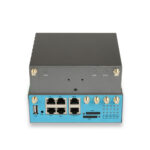
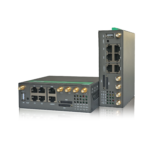
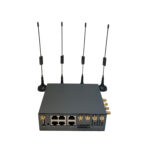
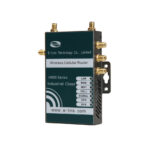
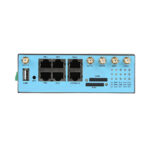
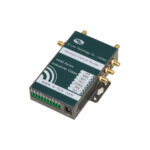
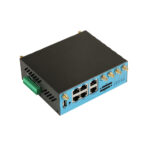
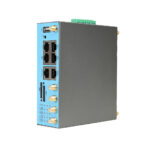
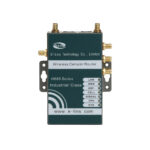
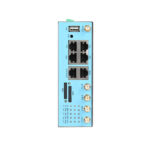




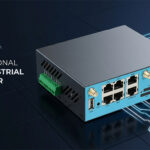
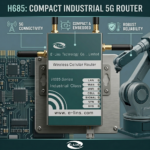
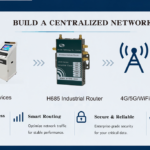
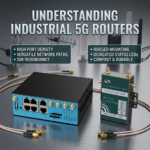








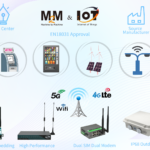


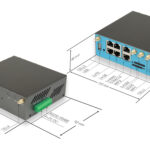
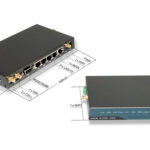
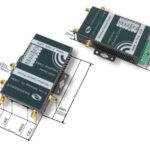
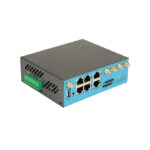
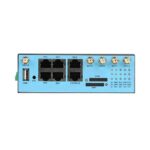
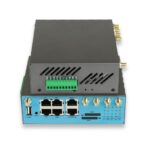



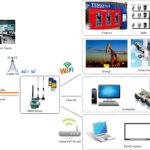



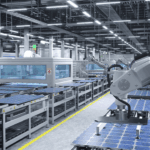









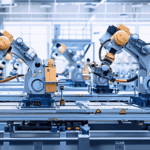


Walk through a modern automated factory, and you might be struck by what you don’t see. In their place, a silent, wireless orchestration is taking over, driven by an unsung hero: the 5G Router. This isn’t just an upgrade; it’s the cornerstone of a new era in Industrial Automation Manufacturing, enabling a level of connectivity, flexibility, and intelligence previously confined to theory.
For decades, industrial automation relied on a wired nervous system—fieldbuses, Ethernet cables, and fiber optics. While reliable, this infrastructure created a “spaghetti factory” of cables that was expensive to install, a nightmare to reconfigure, and vulnerable to physical damage. The dream of truly flexible, mobile, and agile manufacturing remained out of reach. Enter 5G, and specifically, the industrial-grade 5G Router, which acts as the secure, high-performance gateway unleashing 5G’s potential on the shop floor.
1)What is 5G Technology?
The term “5G” refers to the fifth generation of cellular network technology, and represents the latest generation of mobile cellular communication. 5G networks deliver higher data rates and faster speeds, reduced latency and delay, and increased capacity compared with 4G.
2)Why 5G? Beyond Smartphones on the Factory Floor.
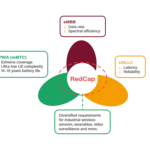
It’s crucial to move past the consumer view of 5G as merely “faster phone internet.” In an industrial context, 5G offers a triad of revolutionary capabilities:
- Ultra-Reliable Low Latency Communication (URLLC): Enabling near-instantaneous data transmission with 99.9999% reliability. This is non-negotiable for controlling a high-speed robotic arm or a synchronized fleet of Autonomous Guided Vehicles (AGVs).
- Enhanced Mobile Broadband (eMBB): Providing massive bandwidth to handle vast data streams from thousands of sensors, high-definition vision systems, and digital twin models in real-time.
- Massive Machine-Type Communication (mMTC): Connecting an unprecedented density of devices—up to 1 million per square kilometer—forming the backbone of the pervasive Industrial Internet of Things (IIoT).
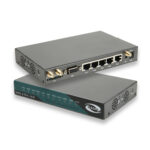
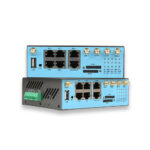
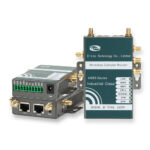
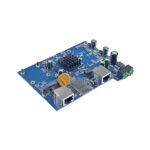
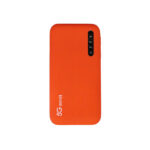
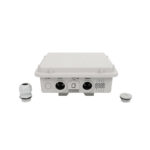
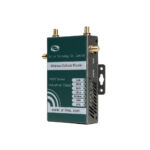
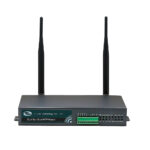
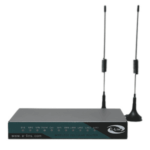
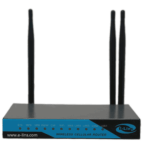
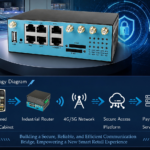
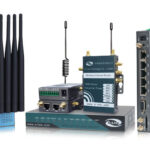
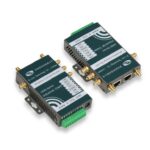
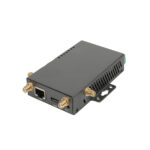
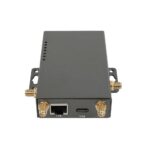
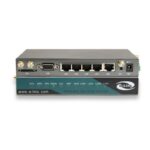
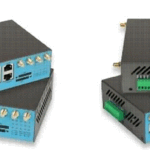
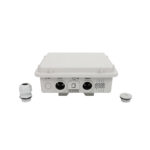
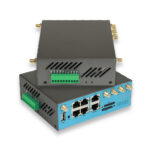
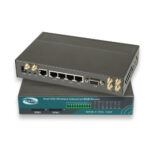
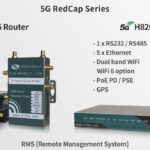
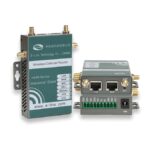
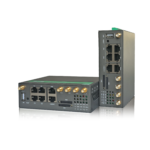
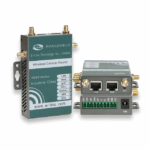
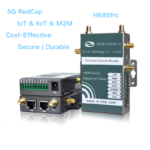
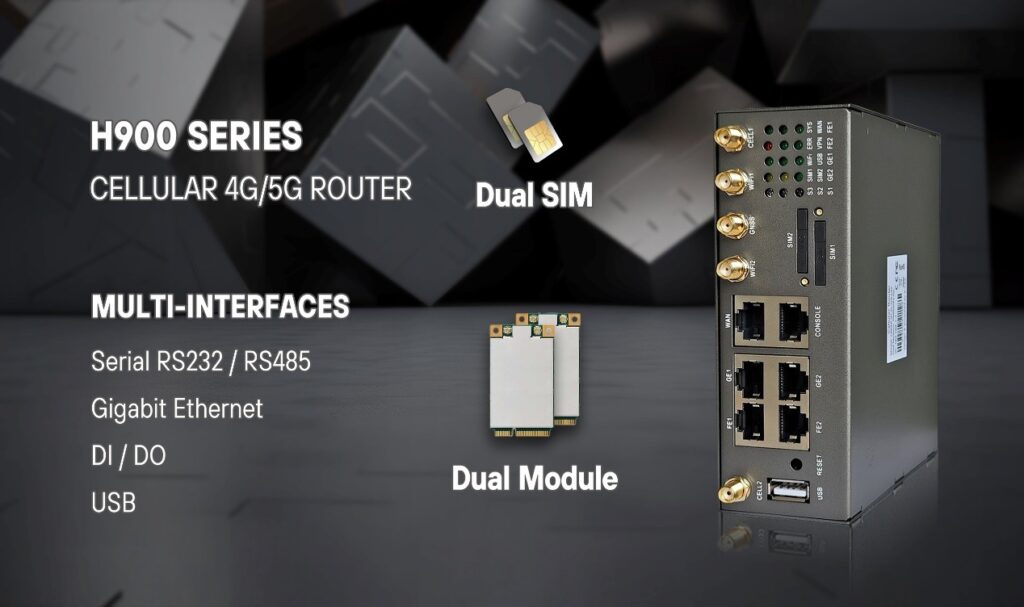
The 5G Router is the critical hardware that translates this cellular promise into industrial reality. It’s a ruggedized, secure device that connects machines, robots, and sensors to a private, localized 5G network—often a 5G Private Network—ensuring data sovereignty, security, and deterministic performance.
3)Transformative Applications Powered by the 5G Router
So, what does this enable in concrete terms? Let’s explore the use cases revolutionizing the factory.
1. Wireless Precision and Control.
High-precision applications like robotic welding, painting, or assembly require microsecond synchronization. With URLLC delivered via a 5G Router, controllers can communicate wirelessly with robotic joints and end-effectors. This eliminates the last cables, enabling easier reconfiguration of workcells and the use of collaborative robots in previously inaccessible areas.
2. The Age of the “Smart Pallet” and Process Tracking.
Imagine every pallet, fixture, or even product component having a low-cost sensor transmitting its location, temperature, and vibration data. A 5G Router network, with its mMTC capability, can handle this massive device load. This creates a transparent, track-and-trace ecosystem from raw material to finished goods, enabling predictive quality control and perfect traceability.
3. Plug-and-Produce Flexibility and Line Reconfiguration.
Market demands change rapidly. With a pervasive 5G network anchored by robust 5G Routers, adding a new machine or completely rearranging a production module becomes as simple as powering on the equipment and connecting it wirelessly to the network. This drastically reduces downtime and capitalizes on the promise of modular, agile manufacturing.
4. Real-Time Digital Twins and AI-Driven Optimization.
A digital twin is a virtual, real-time mirror of a physical asset. Feeding it requires a constant, massive stream of sensor data. 5G Router provides the pipe for this data deluge. Coupled with edge computing, this allows for real-time analytics and AI-driven adjustments—predicting machine failure before it happens, optimizing energy consumption, or dynamically adjusting parameters for perfect quality.
4)Navigating the Implementation: Key Considerations
Adopting 5G-driven automation isn’t without its roadmap.
- Private vs. Public Networks: For critical control, most manufacturers opt for a local 5G Private Network. This ensures complete control over security, latency, and coverage, with the factory’s 5G Routers connecting exclusively to this dedicated infrastructure.
- Security is Paramount: The 5G Router is the first line of defense. Industrial models come with advanced firewalls, VPN support, network slicing (creating separate virtual networks for OT and IT traffic), and strict authentication protocols to create a “zero-trust” environment.
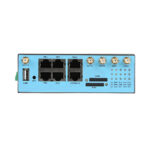
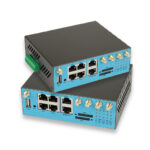
- Integration with Existing OT: The transition is gradual. 5G Routers often feature multiple industrial ports (e.g., Ethernet, serial) to bridge legacy PLCs and systems into the new wireless network, protecting existing investments.
Industrial uses – In an industrial environment, 5G router performance as below:
- IoT applications – 5G is well suited for IoT applications due to its’ high bandwidth, low latency. It’s been designed to support a massive number of connections and 5G “network slicing” allows the creation of multiple virtual networks that can be tailored to meet the needs of IoT applications. There are also low-power modes available for battery-powered and remote devices.
- Factory applications – With 5G, factory floors are beginning to look at replacing their Wi-Fi networks with private 5G networks, which are designed to scale far more effectively than traditional Wi-Fi. In particular, 5G private networks provide improved scalability to thousands, or even millions, of devices, and are less susceptible to interference than Wi-Fi.
- Monitoring and surveillance – The high-bandwidths available with 5G are particularly suited for high-resolutions monitoring and surveillance. In remote locations, mobile 5G router can provide robust connectivity for cameras and intrusion detection.
5)The Future is Wireless, Adaptive, and Intelligent.
As 5G standards evolve and ecosystem matures, we will see even more profound applications: pervasive AR for maintenance and training, fully autonomous “lights-out” factories, and hyper-connected supply chains. It all starts with that critical piece of hardware—the 5G Router—quietly humming away, not just connecting machines, but weaving the very fabric of Industry 4.0. The silent revolution has begun, and it is transmitting on a 5G frequency.
Are you source a 5G Router? Please do not hesitate to contact with E-Lins, a IoT expert since 1999.