




















































1)What is VPN?
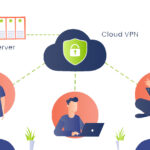
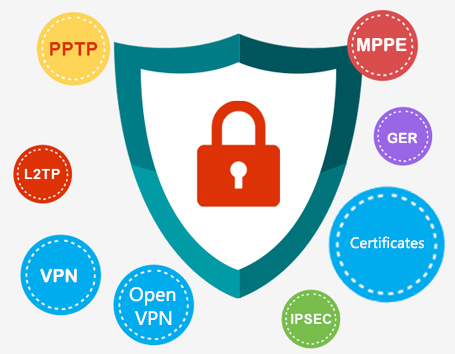
VPNs (Virtual Private Networks) have become a sought-after-privacy tool in the digital age because they encrypt your internet traffic and mask your IP address, keeping your data safe and secure from malicious actors, advertisers, ISPs (Internet Service Providers), and other third parties.
If you want to enhance your privacy and security, then a VPN is just what you need. Your sensitive and confidential data gets routed through a secure and encrypted VPN tunnel, which means that not only are third parties unable to decipher your data, but your online activities remain concealed and hidden, so no one would be able to track your data.
2)Why Using a VPN Is Essential?
There are various reasons why organizations and individuals need a VPN to help tackle the digital landscape and preserve their privacy and security. Some of the primary reasons why you need a VPN include:
1. Protecting Your Data
Every time you’re using the data, your data can easily be tracked by various third parties, including your ISP. Advertisers can use your data to target you with personalized recommendations and ads tailored to your needs and preferences. If malicious actors and hackers access your sensitive and confidential information, they can use your data for identity theft and financial fraud.
VPNs have a range of extensive security features, such as a Kill Switch, Smart Mode, and a strict No Logs policy, ensuring that no malicious actor can decipher your sensitive data. E-Lins is a reliable VPN provider offering other security features like AES 256 encryption and robust encryption protocols like OpenVPN and Wireguard to protect your data and help you browse the web securely and anonymously.
2. Bypass Geolocation Restrictions & Censorship
VPNs are also effective in helping you bypass geolocation restrictions and strict censorship. For instance, you want to catch up on the latest movie or TV show on your preferred streaming service but can’t access it from your home country because of geolocation restrictions. A VPN lets you connect to a server where the streaming service is readily available.
3. Save Money
Different countries offer different prices for the same products and services. If let’s say, you want to book a flight or a hotel, and it’s proving to be expensive from your location, then you can connect to a VPN server that offers the same products and services at a cheaper rate. This can help you afford products and services and ultimately save money.
4. Preventing ISP Throttling
ISPs (Internet Service Providers) have access to your IP address and can use it to track your online activities and location. The government has allowed ISPs to sell your data to third parties, which is a cause of concern for itself. You can prevent all this by connecting to E-Lins VPN, as it will assign you an IP address from a different location, making it difficult for E-Lins VPN to track your online whereabouts.
VPNs can also help prevent ISP throttling so you can continue streaming your favorite online games and watching the content of your favorite TV shows and movies without worrying about your ISP throttling your connection and affecting the connection speed.
3)Does VPN Worth It?
You might be wondering do VPNs really work and is VPN worth it. The answer is yes. VPNs are 100% worth it, as they can help take your privacy and security to the next level and ensure that your sensitive and confidential data remains safe and secure from malicious actors and other third parties. VPNs are also beneficial when scrolling social media or browsing the internet when connected to a public network. Since public networks are the most susceptible to interception and cyber attacks, using a VPN adds an extra layer of security and ensures that your sensitive and confidential data remains safe and secure even when you’re using the VPN.
However, while VPNs help protect your privacy and security, they aren’t the only solution to protect your privacy and security. They must be used alongside other security measures to get the best out of maximum protection online. For example, VPNs can protect sensitive and confidential data but won’t help you eliminate online threats like Malware, adware, or spyware. You will need to invest in reliable antivirus software for that.
4)What are the typical applications for VPN?
- Public Wi-Fi security: When you use open Wi-Fi at a cafe, airport, or hotel, a VPN encrypts your traffic so others on the same network can’t eavesdrop.
- Travel and geo-restriction bypass: You travel abroad and want to access streaming services or websites restricted to your home country. A VPN enables you to appear as if you’re in your home country.
- Remote work access: You’re working from a remote location and must access corporate resources. A VPN helps secure that connection.
- Privacy from ISPs: You’re in a country or location where the ISP or network operator monitors or throttles your traffic. A VPN hides your traffic content from the local network.
- Avoiding censorship: VPNs can help obtain a freer internet connection in regions with internet restrictions or surveillance while respecting local laws.
- Multi-device protection: You own multiple devices (smartphone, tablet, laptop) and want a consistent, secure tunnel when switching between networks.
- Accessing services securely on mobile: Using your mobile phone on untrusted networks (e.g., public transit Wi-Fi), a VPN adds a layer of protection for mobile apps and data in transit.
- Secure file sharing: If you use peer-to-peer services or need to share files on networks that restrict such traffic, a VPN may help circumvent those restrictions.
5)Factors To Consider When Choosing A Reliable VPN Provider
You’ll need to consider various factors when choosing to opt for a reliable VPN to ensure your privacy and security needs are handled. The main factors that you’ll need to take into consideration include:
1. Security Features
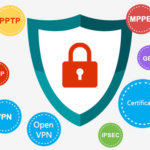
VPN providers should offer robust encryption protocols like AES-256 and support secure VPN protocols like OpenVPN, IKEv2, and WireGuard. They should also have a strict No-Logs Policy, meaning they will not keep track of your online activities when you’re using the VPN.
2. Server Locations
The more servers the VPN provider has, the better chances that they’ll be able to perform better and easily access geo-restricted content. It would help if you noted whether the provider has servers in locations to bypass censorship and access geo-blocked content.
3. Speed and Performance
The VPN provider should have fast connection speeds and minimal latency. Check whether the provider offers a split tunneling feature, which enables you to route only specific traffic through the VPN to enhance speed.
4. Device Support & Compatibility
The VPN provider should be compatible with different devices and operating systems, such as Windows, macOS, Linux, Android, and iOS. They should also allow multiple simultaneous connections on a single subscription if you use it for various devices.
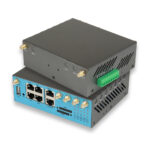
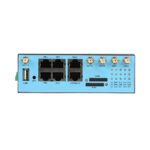
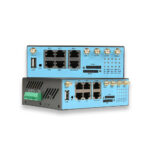
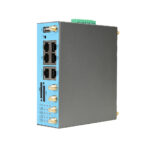
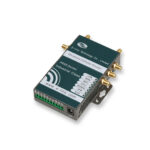
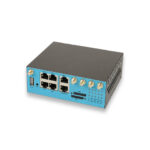
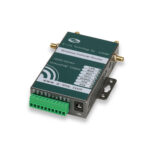
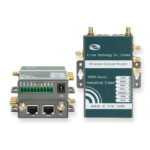
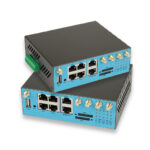
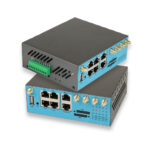
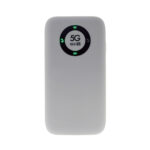
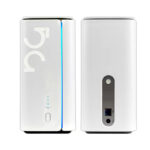
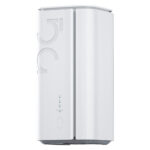
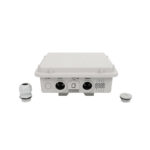
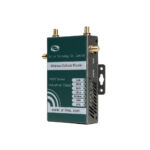
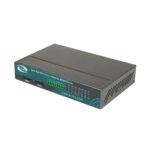
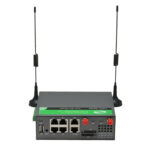
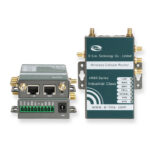
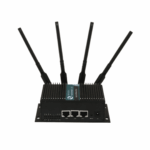
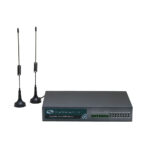
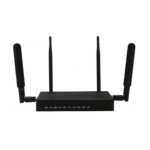
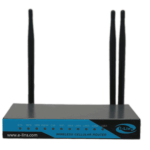
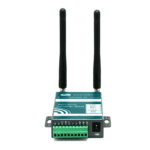
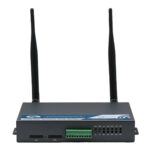
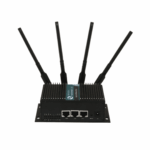
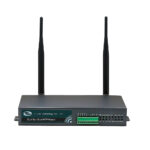
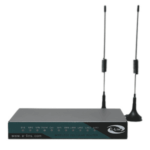
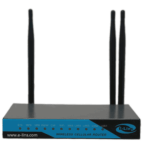
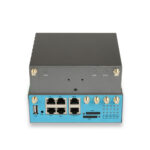
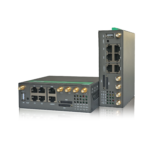
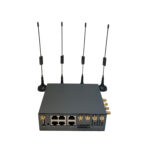
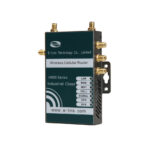
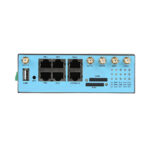
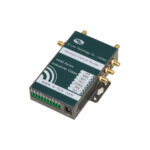
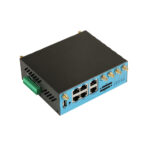
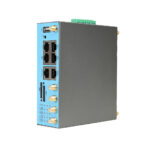
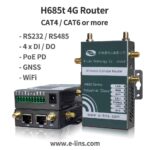
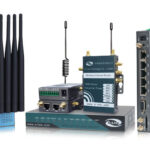
Consider above factors, E-Lins is a expert since 2005. You could find many excellent IoT 4G Routers and IoT 5G Routers from sourcing manufacturer E-Lins.