





















































1)Introduction
Although 5G dominates headlines, 4G LTE remains the backbone of global mobile connectivity. Billions of smartphones, routers, industrial devices, and IoT products still rely on 4G networks every day. At the center of this connectivity is the 4G modem — the critical component that enables devices to communicate over LTE networks.
This article explores what a 4G modem is, how it works, its architecture, key technologies, and why it continues to matter in 2026 and beyond.
2)What Is a 4G Modem?
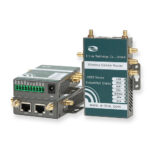
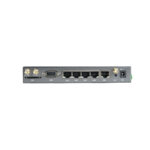
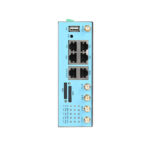
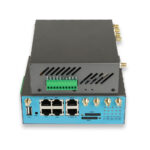
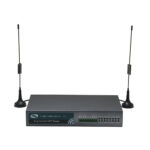
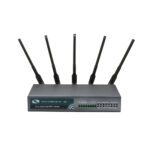
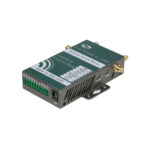
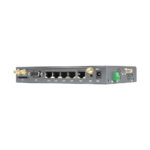
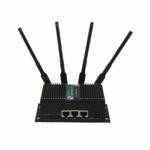
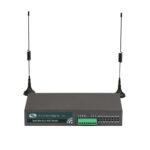
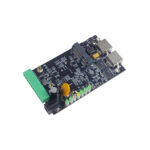
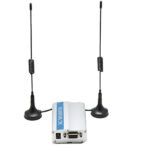
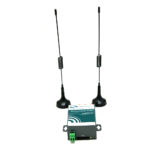
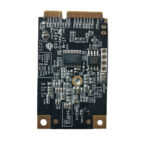
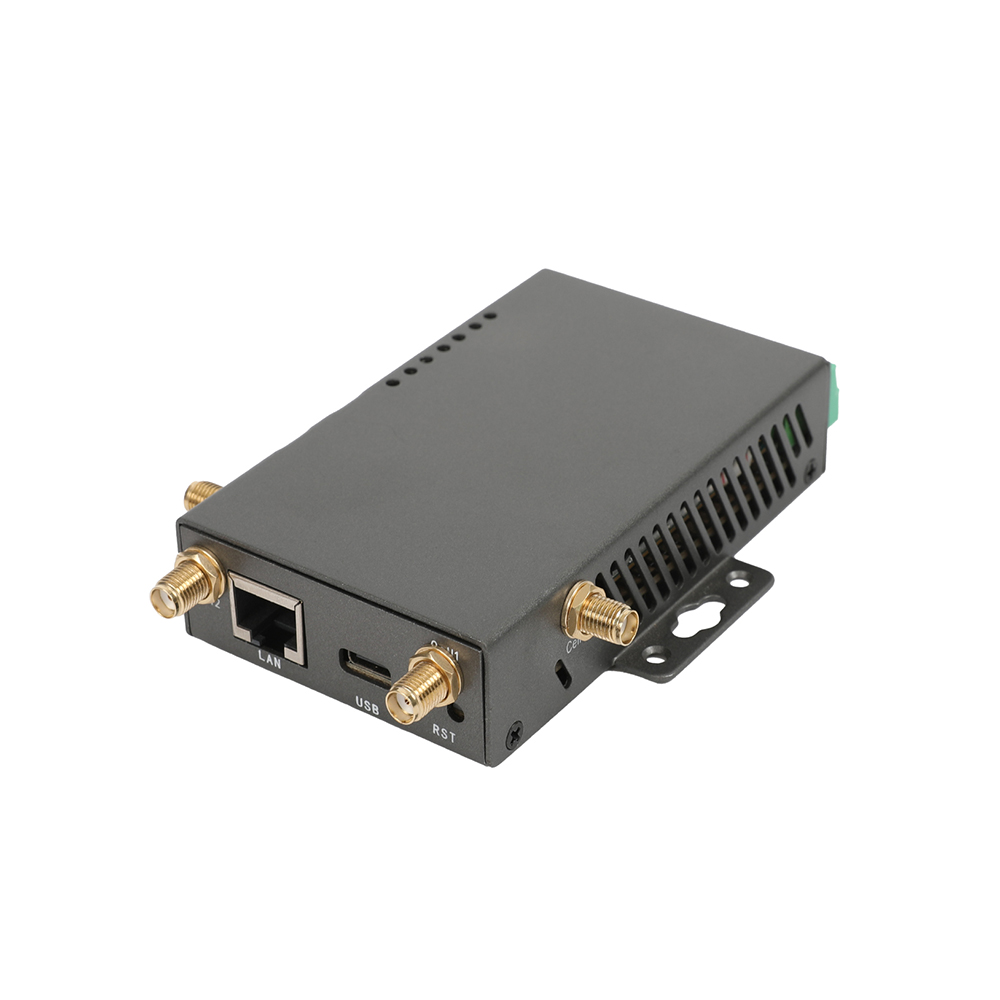
A 4G modem is a communication chip that enables a device to connect to LTE (Long Term Evolution) cellular networks. It converts digital data from your device into radio signals and vice versa.
In simple terms:
The application processor handles computing tasks.
The modem handles network communication.
Without a modem, your smartphone, router, or IoT device cannot connect to cellular networks.
3)Evolution of 4G LTE Technology
4G LTE was developed under standards defined by 3rd Generation Partnership Project (3GPP). It represented a massive upgrade over 3G by introducing:
All-IP architecture
Higher bandwidth (up to 20 MHz per carrier)
Lower latency
Advanced modulation schemes
Carrier aggregation
Later upgrades like LTE-Advanced and LTE-Advanced Pro significantly increased performance.
4)Core Architecture of a 4G Modem
A typical 4G modem includes several major components:
1. Baseband Processor
The baseband handles:
Modulation and demodulation
Error correction (Turbo codes)
Scheduling
Carrier aggregation control
HARQ retransmissions
It performs complex digital signal processing (DSP) operations in real time.
2. RF Transceiver
The RF transceiver converts digital signals into analog radio waves for transmission through antennas.
It must support:
Multiple LTE bands (low, mid, high)
Frequency division duplex (FDD)
Time division duplex (TDD)
3. Power Management Unit
4G modems are designed for battery-powered devices. Power-saving features include:
Discontinuous reception (DRX)
Idle mode optimization
Efficient envelope tracking
4. Antenna Interface
Modern 4G modems support:
2×2 MIMO
4×4 MIMO (LTE-Advanced)
Antenna diversity
This improves throughput and signal reliability.
5)Key Technologies Inside 4G Modems
1. OFDMA
Orthogonal Frequency Division Multiple Access divides bandwidth into smaller subcarriers, improving efficiency and reducing interference.
2. Carrier Aggregation
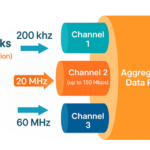
Carrier aggregation combines multiple LTE carriers into a single logical connection.
Example:
2 × 20 MHz carriers = 40 MHz total bandwidth.
This significantly increases download speeds.
3. MIMO (Multiple Input Multiple Output)
MIMO allows multiple antennas to transmit and receive simultaneously, boosting performance and spectral efficiency.
4. 64-QAM and 256-QAM
Advanced modulation schemes enable higher data rates by encoding more bits per symbol.
5)4G Modem Performance Metrics
When evaluating a 4G modem, consider:
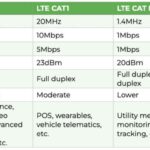
LTE Category (Cat 4, Cat 6, Cat 12, Cat 18, etc.)
Maximum download speed
Maximum upload speed
Number of aggregated carriers
Supported bands
Power consumption
Example LTE categories:
| LTE Category | Max Downlink |
| Cat 4 | 150 Mbps |
| Cat 6 | 300 Mbps |
| Cat 12 | 600 Mbps |
| Cat 18 | 1.2 Gbps |
6)Real-World Applications of 4G Modems
Smartphones
Even in 2026, many mid-range and budget smartphones rely on LTE-only modems.
Fixed Wireless Routers
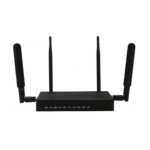
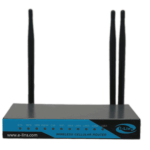
4G LTE routers provide home broadband in rural areas.
Industrial IoT
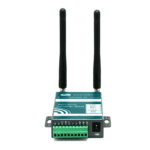
Remote monitoring systems rely heavily on LTE Cat 1 and Cat 4 modules.
Automotive
Vehicle telematics systems use LTE for navigation and emergency communication.
POS Terminals
Retail payment systems use embedded 4G modems for secure transactions.
7)Why 4G Modems Still Matter
Despite 5G growth, 4G remains critical because:
Global coverage is wider than 5G
Infrastructure is mature
Device cost is lower
Power consumption can be optimized
IoT deployments do not require 5G speeds
In many regions, LTE will remain operational well into the 2030s.
Security in 4G Modems
Security features include:
SIM authentication
AES encryption
Secure boot
IPsec support
Network authentication protocols
8)The Future of 4G Modems
While peak innovation is slowing, 4G continues evolving in:
LTE-M (Cat-M1)
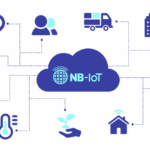
NB-IoT
Reducing power consumption
Enhanced IoT integration
4G and 5G will coexist for many years.
9)FAQ – 4G Modem
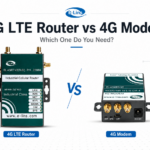
1. What is the difference between a 4G modem and a 5G modem?
A 4G modem connects only to LTE networks, while a 5G modem supports newer 5G NR standards.
2. Can a 4G modem work in a 5G area?
Yes. 5G networks are backward compatible with LTE.
3. Is 4G fast enough in 2026?
For most everyday use—streaming, browsing, video calls—yes.
4. What LTE category should I choose?
It depends on your speed needs and cost constraints.
5. Will 4G networks shut down soon?
Unlikely in the near term. Many regions will maintain LTE for at least another decade.
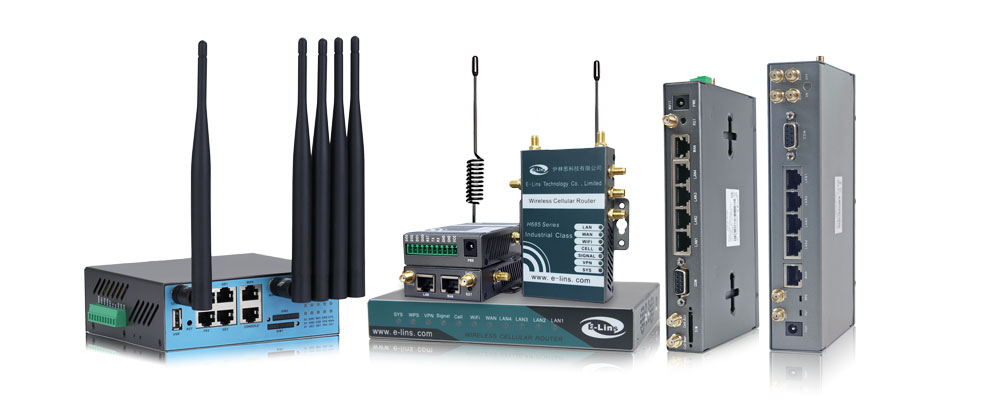
Are you source a 4G Modem? E-Lins will be a good choice for you, please do not hestitate to contact with E-Lins for more details.