





























1)Introduction:
Deploying one industrial router is straightforward. Deploying and managing one hundred—or one thousand—across multiple countries is an entirely different challenge. Manually configuring each device, traveling to remote sites for troubleshooting, and ensuring consistent security policies is a logistical and financial nightmare. The solution lies not in the router hardware alone, but in the cloud-based software that manages it. This blog explores how centralized management systems are the unsung hero that makes large-scale Industrial IoT projects feasible, scalable, and secure.
The Pain Points of Distributed Device Management
Imagine you need to update the Wi-Fi password or a firewall rule on every router in your fleet. Doing this manually would require:
- Massive OpEx: Sending technicians to every site, incurring travel, time, and labor costs.
- Human Error: Inconsistent configurations leading to network vulnerabilities or performance issues.
- Long Deployment Cycles: Taking months or years to fully roll out a network.
- Poor Visibility: No real-time insight into device health, leading to prolonged downtime when failures occur.
Centralized management platforms, often using protocols like TR-069 or vendor-specific cloud architectures, are designed to eliminate these pains.
2)Key Capabilities of a Centralized Management System
1. Zero-Touch Provisioning (ZTP)
This is a game-changer for mass deployment. With ZTP, a non-technical person can install a router at a remote site. The moment it powers up and connects to the internet, it automatically “phones home” to the management platform. The platform then pushes a pre-defined configuration specific to that site’s role (e.g., “Water Pumping Station #52”)—including VPN settings, SSIDs, and security policies—without any on-site technical expertise. This slashes deployment time and cost.
2. A Single Pane of Glass for Monitoring and Diagnostics
The management dashboard provides a real-time, geographical view of your entire fleet. You can instantly see the status of every router: online/offline, cellular signal strength, data usage, active WAN connection, and more. This provides unparalleled visibility, allowing you to identify and often diagnose problems before a site even reports an issue.
3. Bulk Configuration and Firmware Updates
Need to change a setting across your entire network? Instead of logging into hundreds of devices, you make the change once in the management platform, define the target group (e.g., “All routers in Germany”), and push the update. The same process applies to critical firmware updates, ensuring your entire fleet is protected against the latest security vulnerabilities simultaneously and consistently.
4. Enhanced Security and Compliance
Centralized management is a security force multiplier.
- Policy Enforcement: Ensure that security policies (firewall rules, VPN settings) are uniformly applied across the organization.
- Audit Trails: Maintain detailed logs of who made what configuration change and when.
- Automated Alerts: Receive instant notifications for security events, like a VPN tunnel going down or a router going offline.
5. Data Usage Monitoring and Analytics
For networks relying on cellular connectivity, controlling data costs is crucial. The management platform provides detailed reports on data consumption per device, allowing you to identify trends, prevent overage charges, and troubleshoot devices that may be using abnormal amounts of data due to a misconfiguration or malware.
3)Use Case: A National Retail Chain
A retail chain with 500 stores wants to deploy digital signage, in-store Wi-Fi, and integrated POS systems. Using industrial routers with a cloud management platform, they:
- Pre-stage all routers at headquarters with a base configuration.
- Ship them to stores where staff simply plug in power and Ethernet.
- The routers auto-configure, connecting securely to headquarters.
- The IT team at HQ now has a dashboard showing all 500 stores. They can push a new guest Wi-Fi splash page to all stores with a few clicks and receive alerts if any store loses connectivity, often before the store manager is even aware.
4)Choosing a Platform: What to Look For
When selecting a router vendor, evaluate their management platform as critically as the hardware:
- Ease of Use: Is the interface intuitive?
- API Access: Can it integrate with your existing NMS (Network Management System) or IT workflows?
- Scalability: Can the platform handle your projected growth?
- Security: How is communication between the router and platform secured? (Look for TLS/SSL encryption).
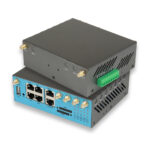
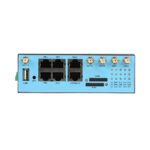
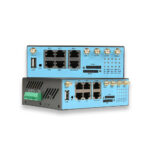
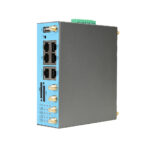
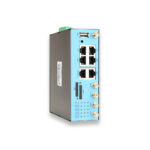
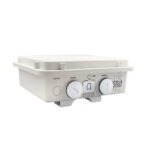
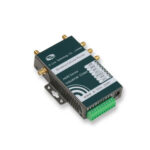
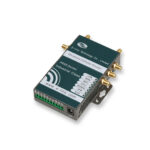
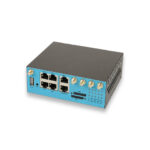
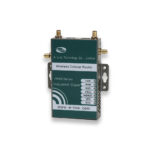
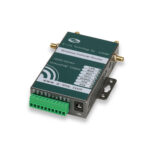
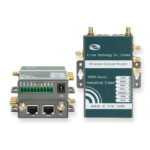
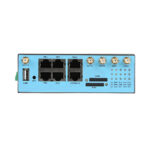
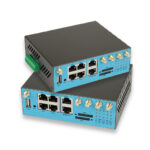
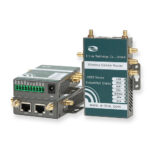
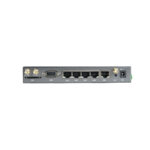
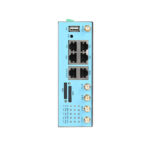
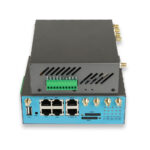
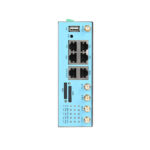
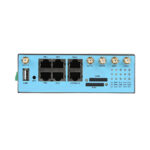
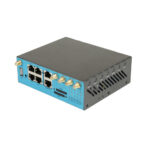
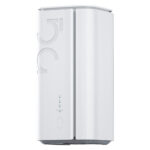
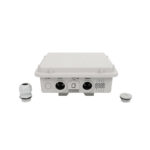
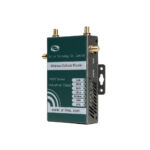
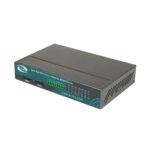
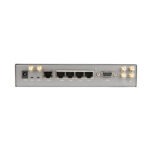
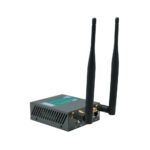
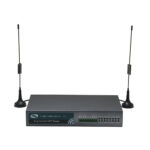
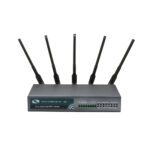
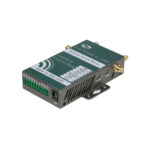
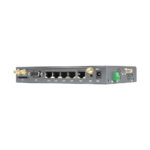
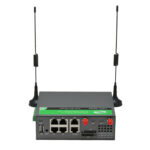
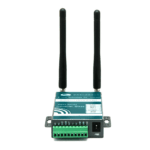
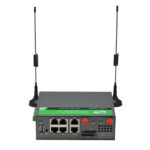
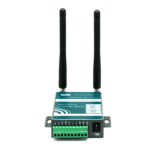
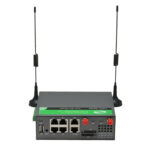
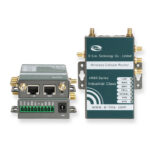
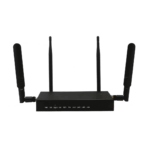
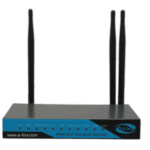
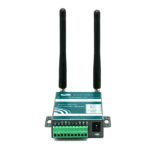
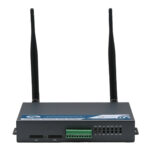
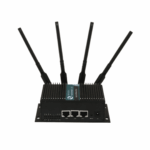
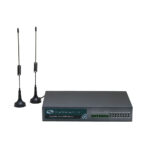
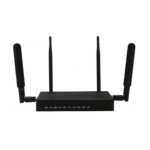
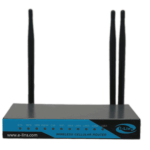
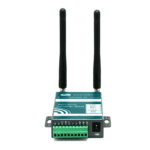
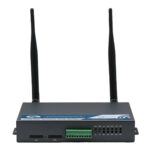
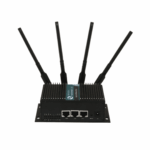
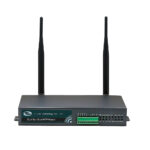
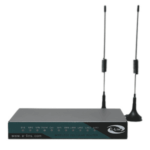
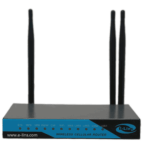
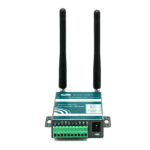
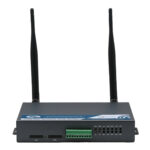
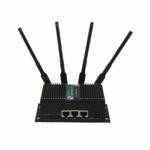
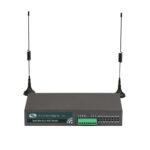
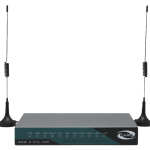
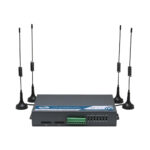
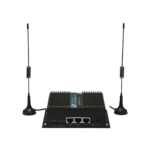
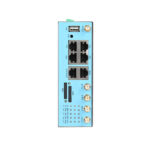
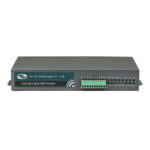
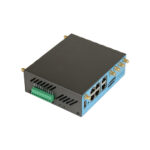
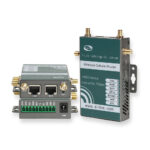
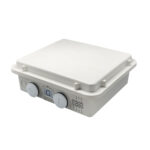
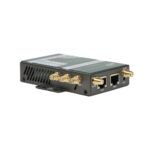
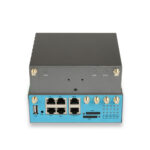
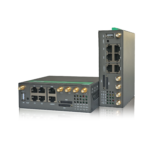
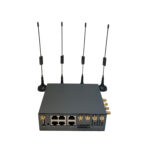
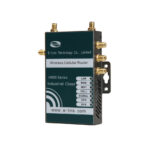
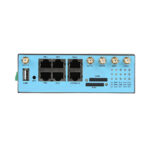
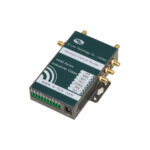
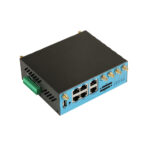
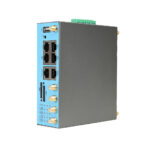
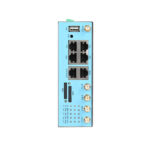
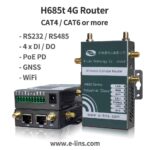
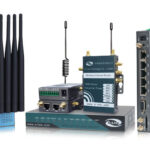
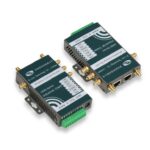
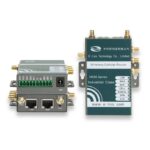
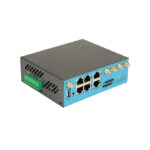
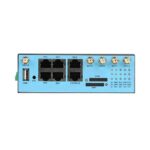
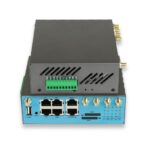
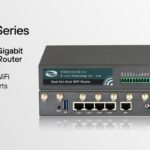
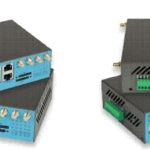
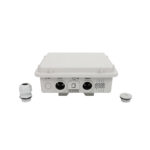
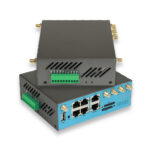
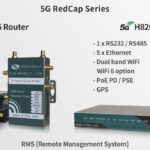
Based on the above requirements, E-Lins will be the suitable choice; as the China best 4G Router Manufacturer and 5G Router Manufacturer, E-Lins is providing many excellent industrial 4G/5G Routers, which all passed the newest CE-Red EN 18031.
If you just need this type products, just freely contact with E-Lins.