







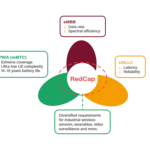






















For engineers and tech enthusiasts, the real beauty of 5G RedCap lies in its elegant design. It’s not a dumbed-down 5G; it’s an intelligently optimized one. Let’s peel back the layers and see how 3GPP engineered this “right-sized” device category.
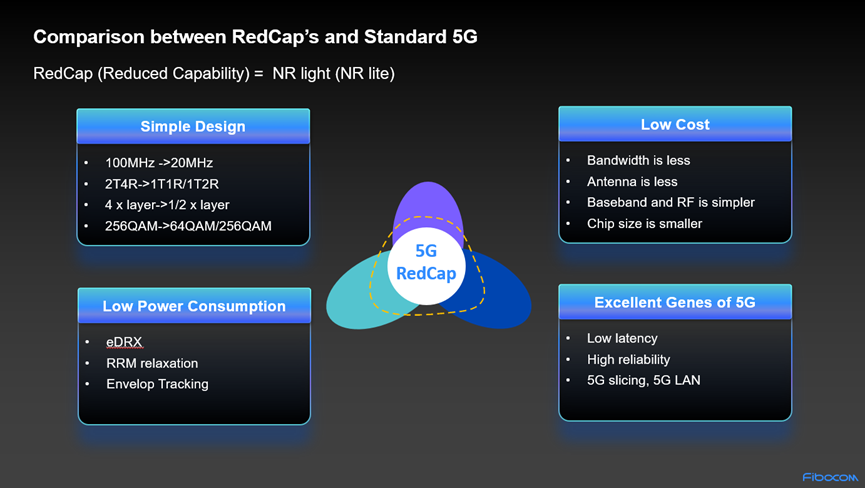
The Three Pillars of Reduction
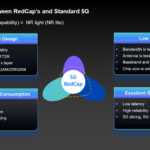
RedCap achieves its goals—lower cost, power, and complexity—through three primary levers, all defined within the 5G NR framework.
1. Reduced Bandwidth & Duplex Flexibility:
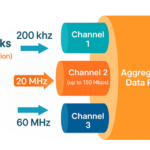
- Full 5G FR1 (Sub-6GHz) can use up to 100MHz bandwidth. RedCap is limited to 20MHz. This dramatically reduces the cost and power of the RF front-end components (like power amplifiers and filters).
- It also supports Half-Duplex FDD, allowing the device to use a single oscillator and switch between transmit and receive modes instead of needing separate, simultaneous circuits. This is a major power and cost saver, borrowed from LTE-M/NB-IoT playbooks.
2. Fewer Antennas (MIMO Layers):
- High-end 5G devices use 4 receive antennas (4R) or more for advanced MIMO spatial multiplexing. RedCap mandates a maximum of 2 receive antennas (2R) in FR1 and 1 transmit antenna (1T) for both FR1 and FR2 (mmWave).
- Fewer antennas mean fewer radio chains, simpler RFICs, less complex beamforming algorithms (in mmWave), and a smaller physical antenna array. This is perhaps the single biggest contributor to lower device complexity.
3. Relaxed Modulation and Processing:
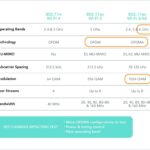
- While full 5G supports 256-QAM (and beyond) for peak spectral efficiency, RedCap’s maximum downlink modulation is 64-QAM. Lower-order modulation is easier to demodulate, requiring less processing power and yielding better signal robustness at the edge of a cell.
- It also supports Extended Discontinuous Reception (eDRX) with cycles up to ~10 seconds for paging, allowing the device to “sleep” for much longer periods, slashing idle power consumption to levels suitable for battery-operated sensors.
What Does RedCap KEEP? The 5G Foundation
Crucially, RedCap retains the architectural advantages of 5G New Radio (NR):
- Native 5G Core Integration: Supports network slicing, edge computing (MEC), and unified authentication.
- Advanced Beamforming: Especially in mmWave bands, it still benefits from 5G’s directional beam management.
- Improved Spectral Efficiency: Even with reductions, it’s more spectrally efficient than LTE.
- Integrated Access & Backhaul (IAB): Can act as a relay, extending network coverage.
The Network Impact: Seamless Coexistence
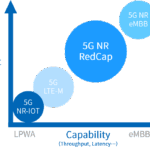
From a network perspective, RedCap devices are first-class 5G citizens. The base station (gNB) identifies them during initial access (via their specific IMSI range or capability signaling) and can apply tailored policies. They coexist on the same carrier as flagship smartphones and URLLC devices, with scheduling algorithms managing resources efficiently between all device types.
In summary, RedCap is a masterpiece of standards-based optimization. It proves that 5G is not a monolith but a flexible toolkit. By making intelligent, specific trade-offs, it opens the door to a universe of devices that need 5G’s modern architecture but not its maximum performance, finally making the economics of mass-scale 5G IoT work.
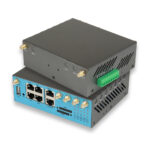
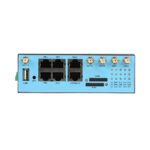
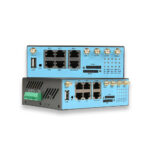
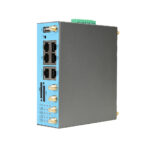
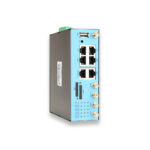
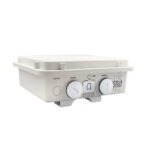
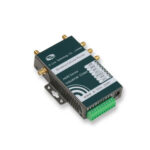
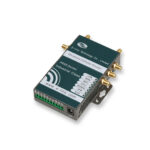
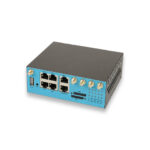
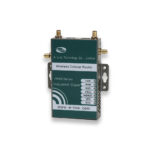
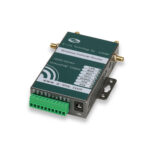
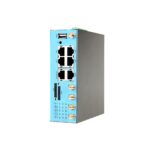
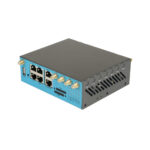
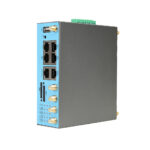
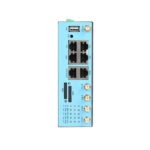
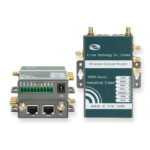
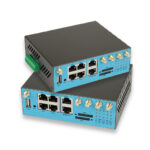
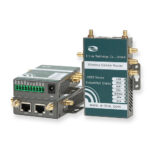
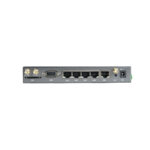
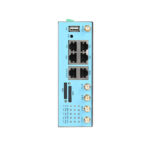
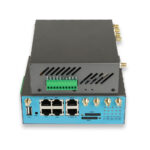
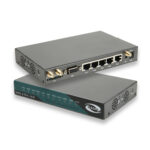
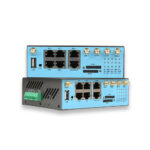
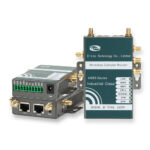
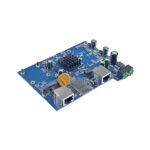
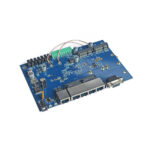
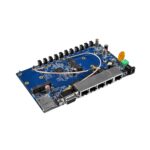
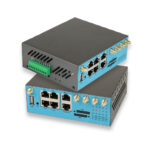
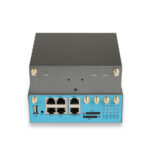
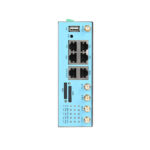
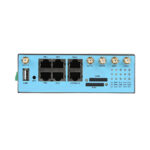
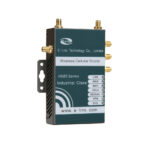
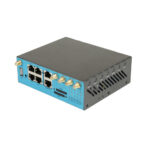
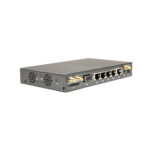
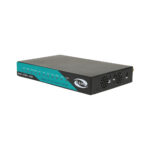
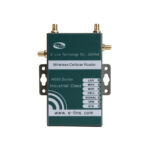
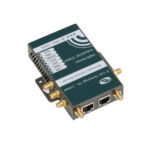
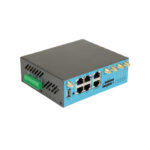
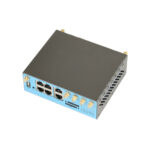
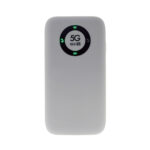
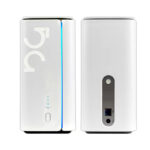
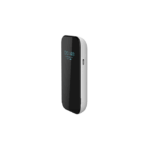
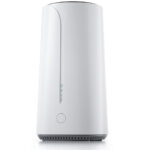
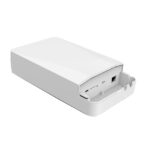
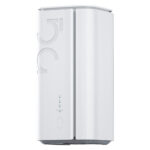
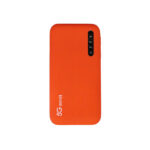
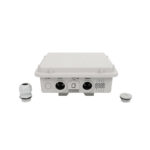
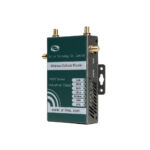
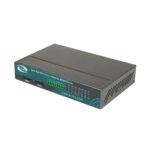
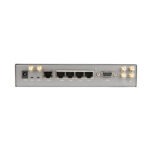
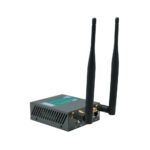
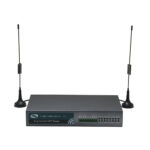
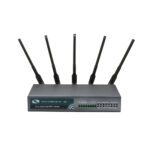
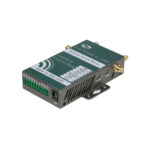
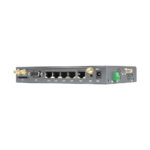
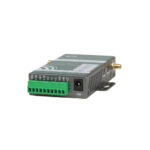
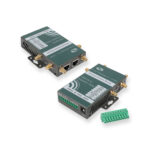
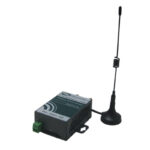
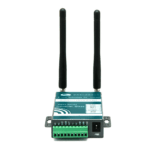
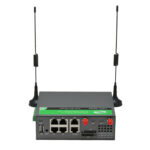
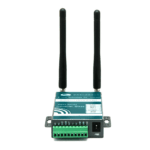
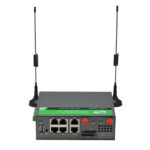
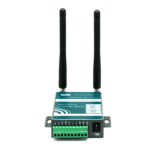
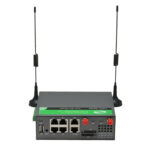
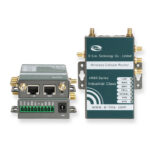
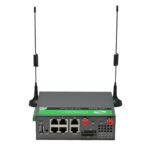
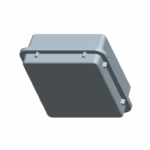
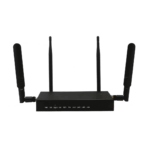
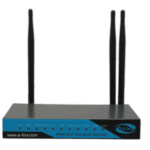
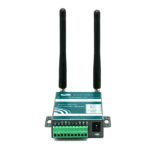
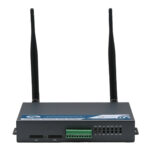
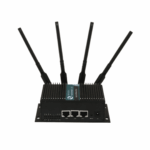
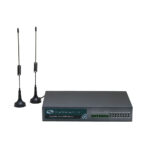
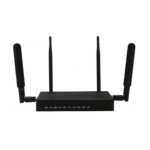
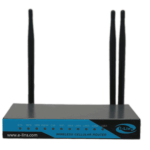
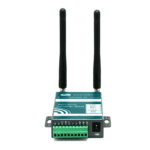
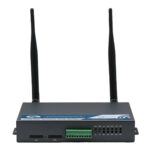
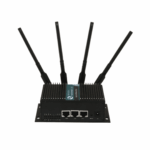
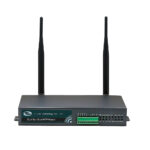
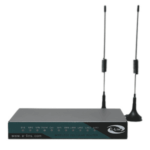
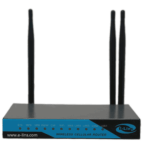
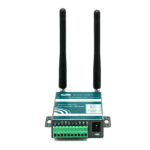
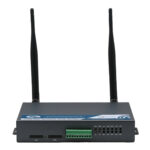
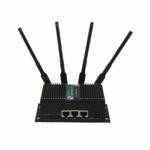
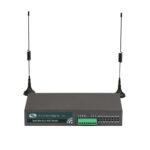
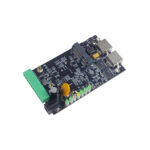
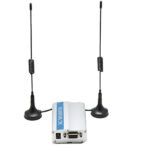
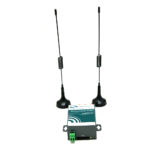
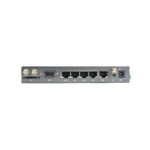
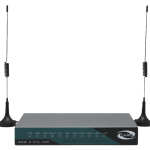
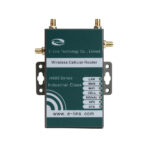
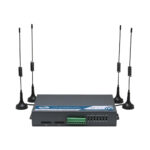
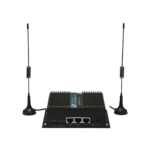
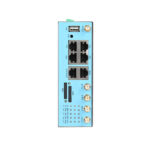
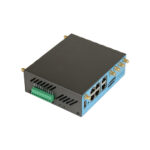
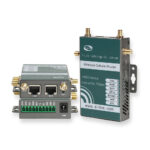
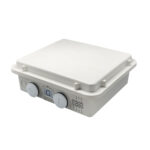
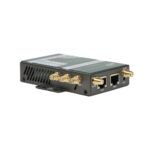
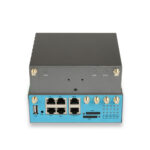
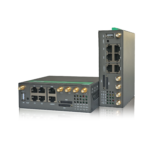
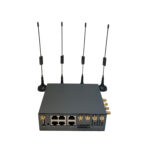
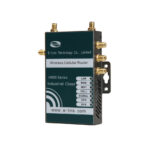
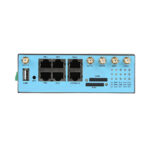
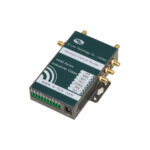
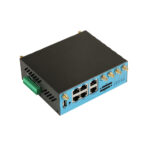
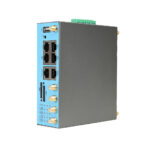
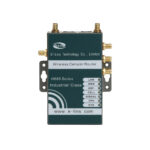
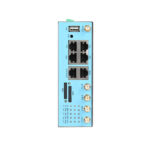
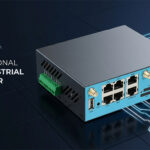
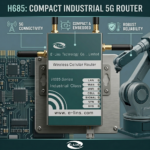
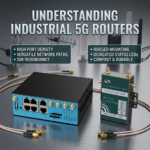
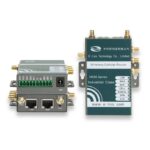
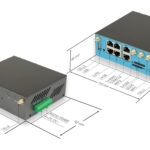
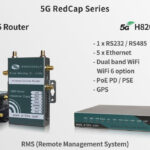
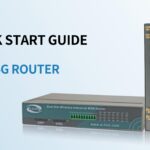
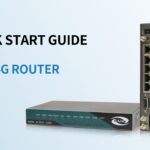
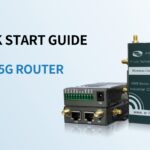
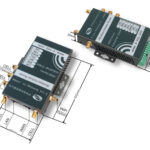
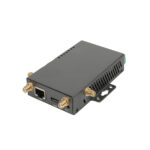
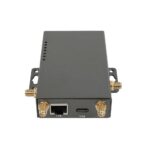
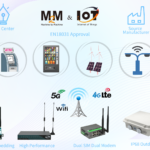
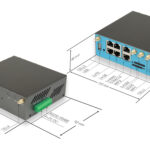
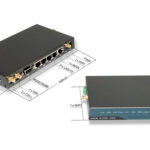
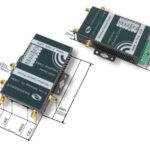
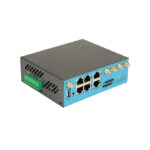
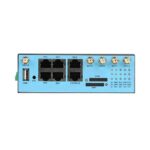
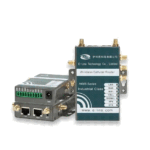
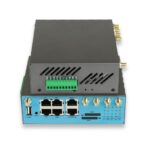
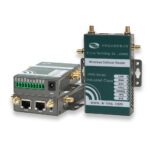
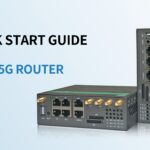
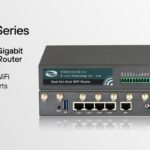
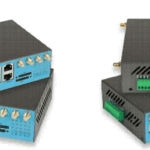
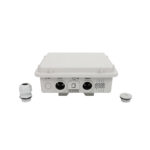
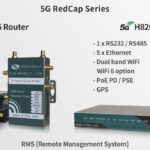
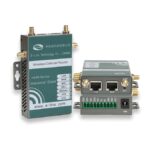
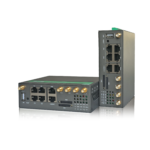
For IoT 5G RedCap Routers, you can trust E-Lins, China best 5G Router Manufacturer, released some excellent 5G RedCap Routers.