









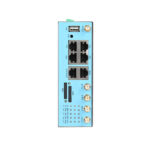
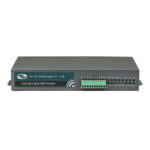
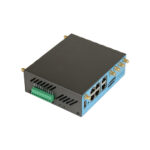
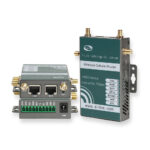





















































You’re convinced of the benefits: global agility, operational efficiency, and enhanced security. Now, how do you actually implement eSIM technology in your next industrial router project? Transitioning from physical SIMs to eSIM requires careful planning across technology, partnerships, and processes. This guide walks you through the key steps for a successful deployment.
Phase 1: Planning & Design
- Define Your “Why”: Is your primary goal global coverage, reducing truck rolls, or future-proofing? This will guide vendor selection and platform features.
- Profile Strategy: Decide on your connectivity approach. Will you use a single Mobile Network Operator (MNO) with global affiliates, a Mobile Virtual Network Aggregator (MVNA) offering a multi-IMSI profile, or a pure-play IoT Connectivity Management Platform (CMP) that dynamically assigns the best network?
- Lifecycle Planning: Map out the expected 10-15 year lifecycle of your devices. When might carrier switches be needed? How will you handle the eventual sunset of 4G/LTE networks?
Phase 2: Selecting the Right Partners & Technology
This is the most critical phase. Your ecosystem dictates your success.
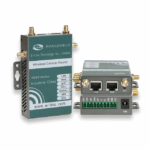
- Industrial Router Vendor: Ensure they offer native eSIM support (not just a USB dongle). Key questions:
- Does it comply with GSMA eSIM (M2M or the newer SGP.32 for IoT) standards?
- Is the eSIM chip (eUICC) from a reputable provider (e.g., Thales, G+D, IDEMIA)?
- Does the router firmware integrate with major CMPs via standard APIs (LwM2M, etc.)?
- Connectivity & Platform Provider: You need a platform to manage the eSIMs. Evaluate:
- Coverage: Do they have robust agreements in your target countries?
- Management Portal: Is it intuitive? Does it offer automation (policy engines), detailed diagnostics, and API access?
- Security & Compliance: What certifications do they hold (ISO 27001, SOC 2)?
- Billing: Do they offer consolidated, data-usage-based billing across all networks?
Phase 3: Procurement & Testing
- Pilot Program: Never go straight to a 10,000-unit deployment. Start with a pilot of 50-100 units in a mix of key regions.
- Test Rigorously: Test the entire flow:
- Bootstrap: Does the router connect to the provisioning platform out-of-the-box?
- Profile Download: Does the operational profile download and activate seamlessly?
- Fallback & Switching: Test failure scenarios. Does the router switch profiles as per policy?
- Remote Management: Test a bulk profile update or carrier switch from the portal.
- Refine Logistics: Streamline your shipping and staging process. With eSIM, devices can go “factory-to-field.”
Phase 4: Deployment & Ongoing Management
- Deploy with Confidence: Ship devices globally. The first power-on initiates the automated provisioning.
- Monitor & Optimize: Use the platform dashboard to monitor data usage, network performance, and device health. Set alerts for anomalies.
- Iterate on Policies: As you gather data, refine your connectivity policies. Perhaps latency is more critical for some devices, while cost is paramount for others.
- Plan for Evolution: Stay informed about new carrier technologies (5G SA, NTN) and work with your partners to understand how new profiles can be pushed to your fleet to leverage these advances.
Common Pitfalls to Avoid
- Vendor Lock-In: Avoid proprietary eSIM solutions that tie you to one carrier or platform. Insist on GSMA standards.
- Underestimating Platform Power: The eSIM is just the hardware. The real value is in the software platform. Don’t choose based on hardware cost alone.
- Neglecting Security Setup: Properly configure and restrict access to your eSIM management portal. It’s a powerful tool.
By following this structured approach, you can harness the full power of eSIM, turning a complex technological shift into a smooth, successful, and highly rewarding project that delivers value for years to come.
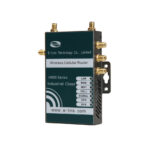
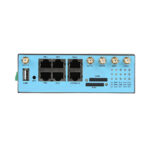
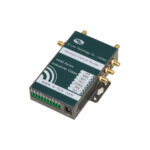
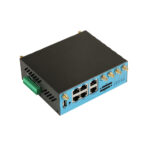
When you consider to purchase a 5G Router with eSIM, you can check with E-Lins, the China best 5G router manufacturer.