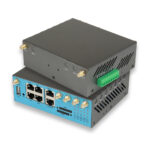
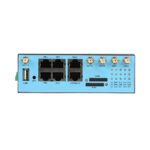
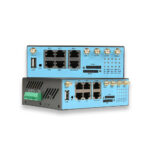
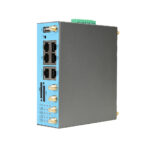
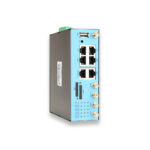
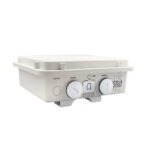
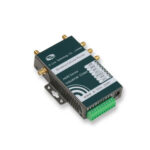
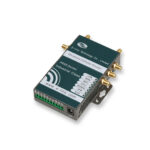
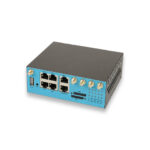
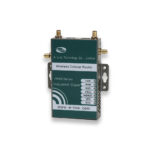
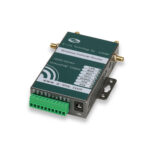
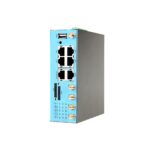

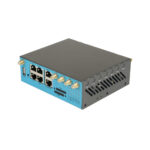
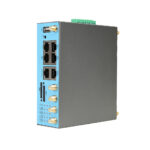
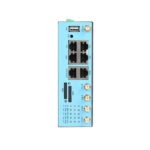
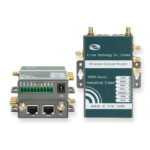
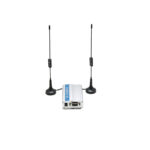
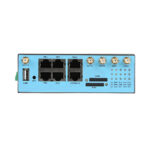
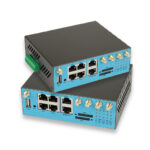
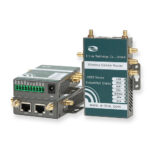
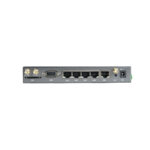
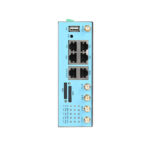
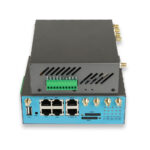
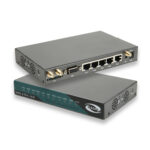
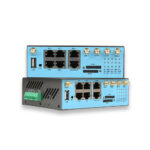
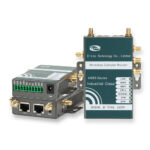
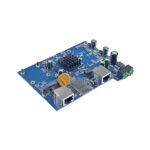
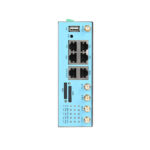
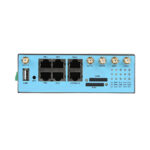
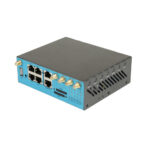
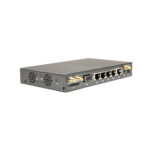
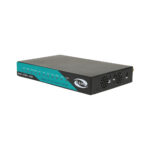
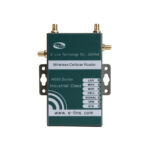
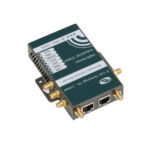
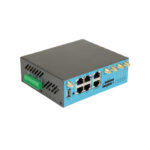
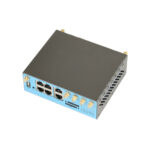
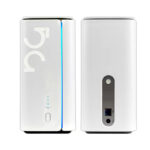
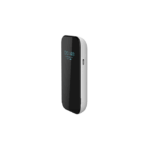
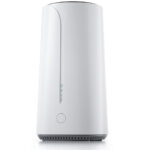
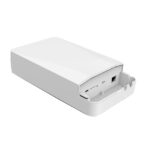
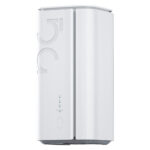
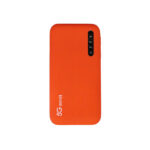
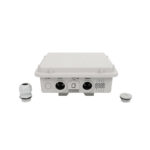
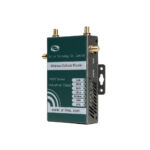
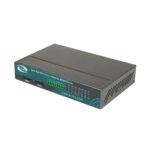
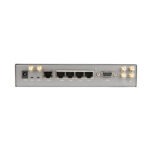
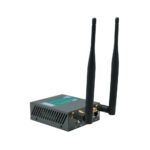
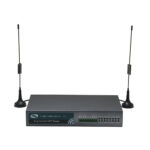
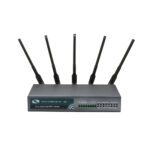
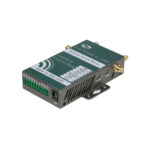
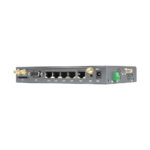
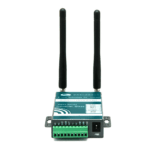
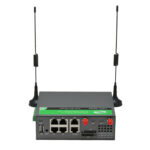
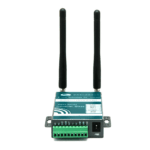
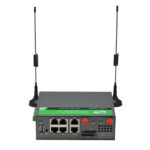
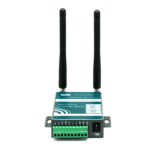
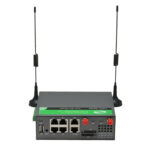
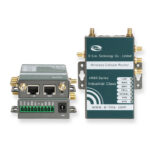
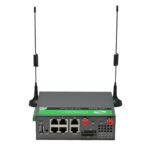
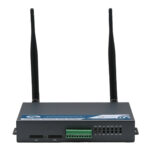
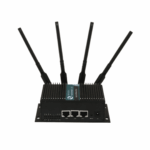
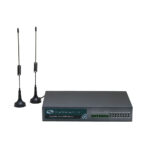
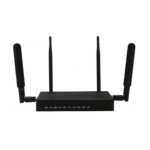
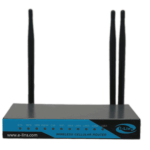
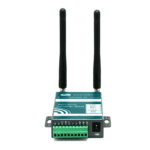
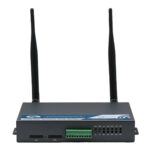
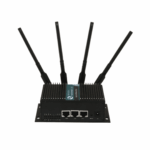
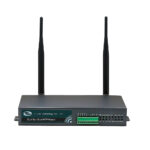
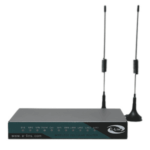
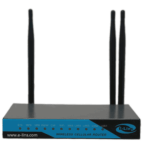
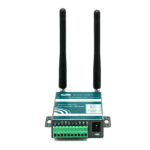
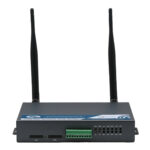
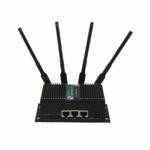
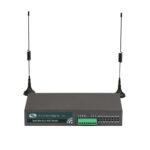
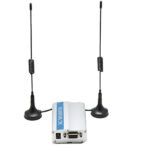
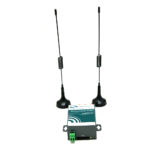
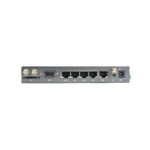
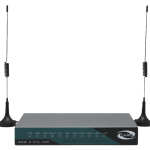
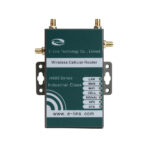
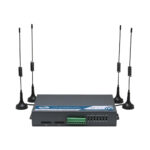
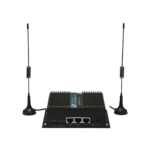
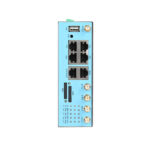
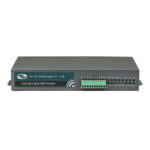
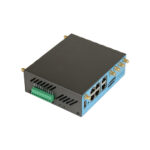
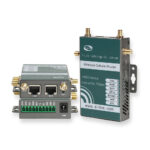
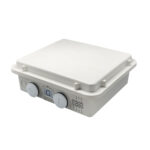
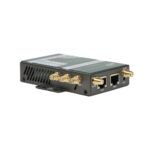
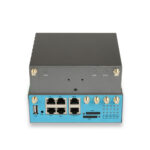
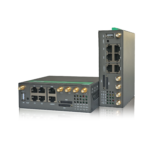
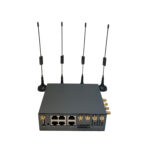
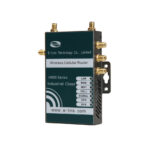
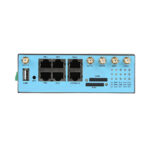
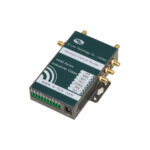
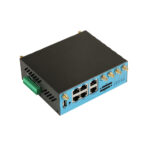
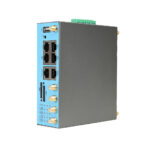
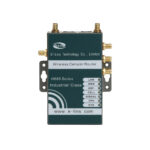









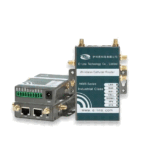
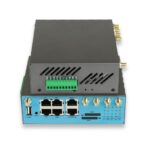













The way we connect to the internet is undergoing a seismic shift. For decades, the average home or office relied on a fixed-line broadband connection—DSL, cable, or fiber—plugged into a traditional router. While these systems are reliable, they tie you to a physical address. Enter the 5G Wi-Fi router.
In 2026, a 5G Wi-Fi router is no longer a niche product for early adopters; it is a mainstream solution for digital nomads, rural residents, and even busy families looking for a reliable backup connection. Unlike a standard router that requires an Ethernet cable from the wall, a 5G router contains a cellular modem. You simply insert a SIM card, and it taps into the nearest 5G cell tower to broadcast a high-speed Wi-Fi network.
This guide will explore why these devices are taking over the market, how they compare to your current setup, and what you need to know before buying one.
1) 5G Router vs. Traditional Router: Understanding the Difference
To appreciate the value of a 5G Wi-Fi router, you must first understand how it differs from the traditional router gathering dust in your closet.
1. The Connectivity Factor (WAN)
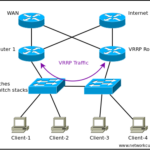
The most significant distinction lies in the Wide Area Network (WAN) connection. A traditional router relies on a physical tether—coaxial cable or fiber optic lines—to connect to the internet service provider (ISP). This setup is fixed; if you move house, you must transfer the service or cancel it.
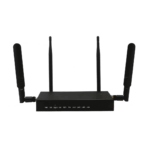
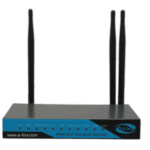
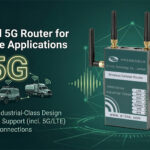
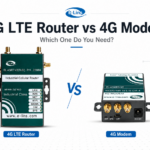
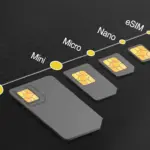
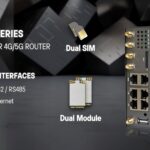
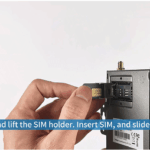
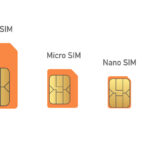
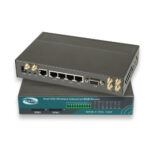
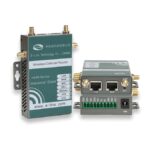
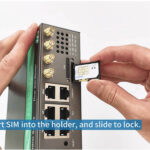
A 5G router, often referred to as a 5G CPE (Customer Premises Equipment) device, uses a cellular connection. It has a slot for a SIM card. As soon as the device is powered on, it locks onto the local 5G or 4G LTE signal. This makes it “location agnostic.” You can use it at home, in a vacation rental, or in an RV without changing any hardware.
2. Performance and Throughput
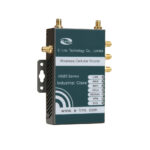
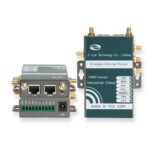
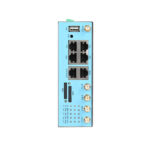
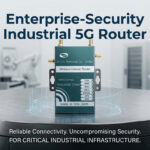
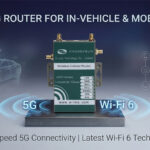
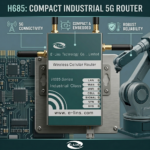
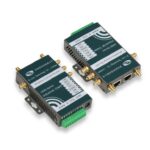
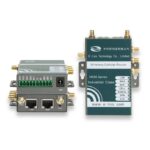
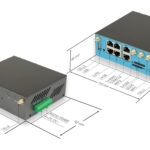
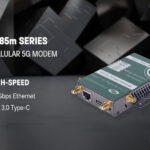
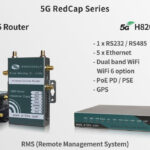
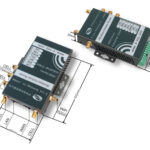
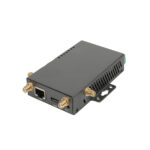
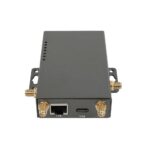
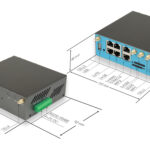
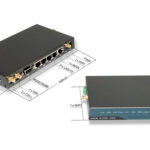
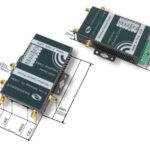
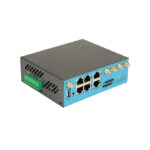
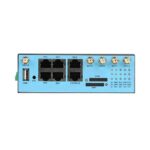
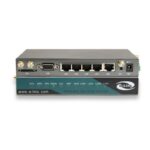
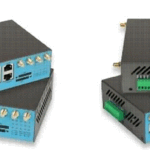
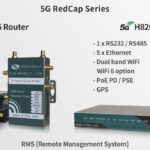
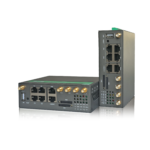
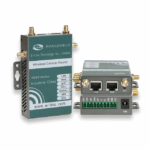
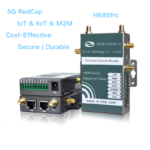
There is a common misconception that cellular connections are slower than wired ones. With the maturation of 5G networks in 2026, this is no longer true. High-end 5G routers, like the E-Lins H685f, can achieve 5G speeds up to 6 Gbps. This rivals or exceeds many fiber optic connections.
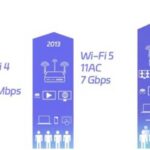
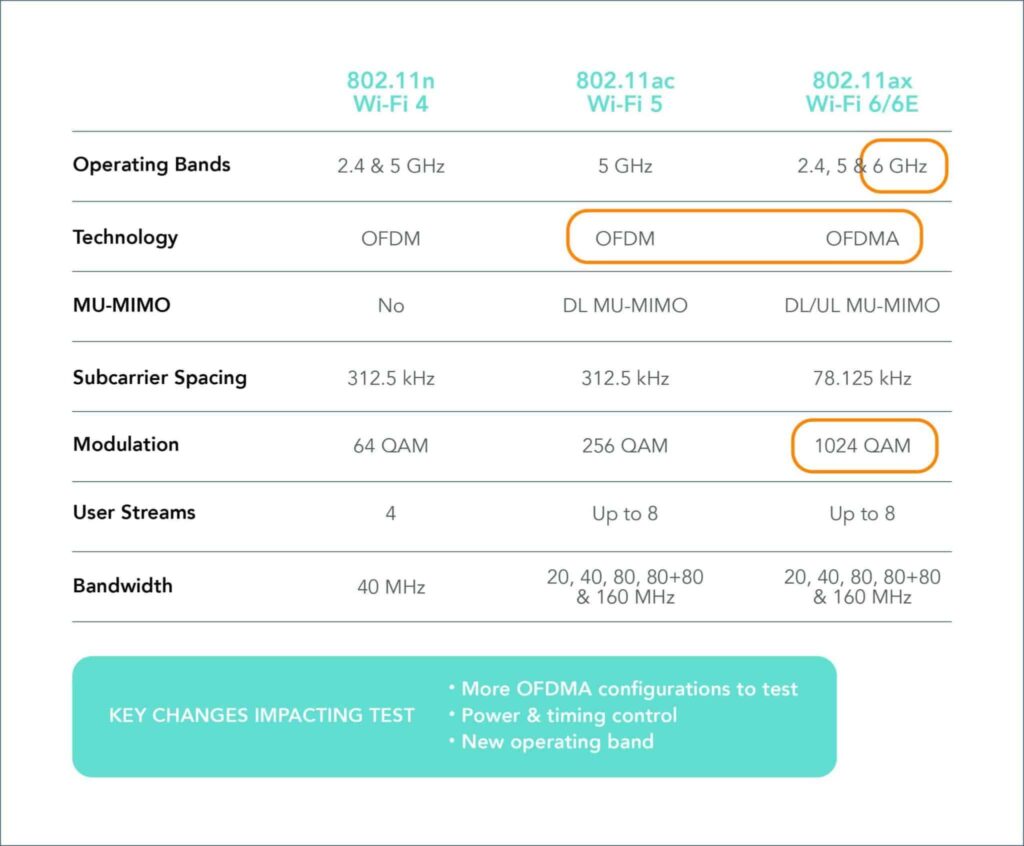
Furthermore, modern 5G routers come equipped with the latest Wi-Fi standards:
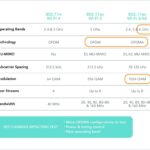
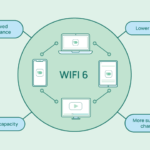
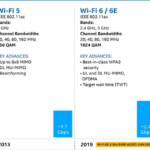
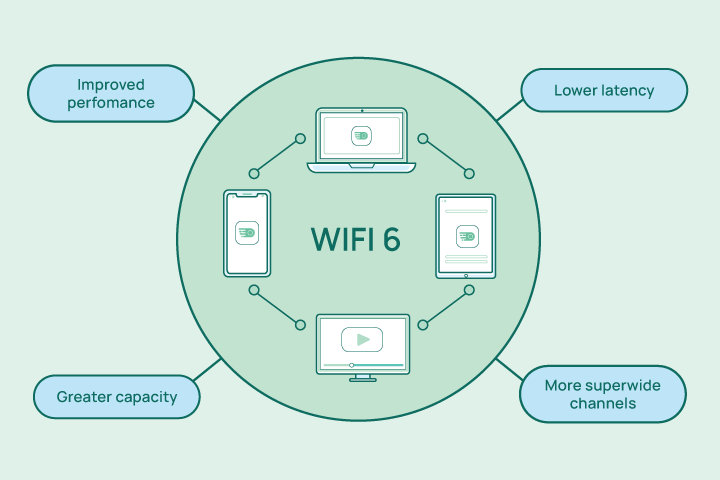
- Wi-Fi 6: Offers up to 3.6 Gbps, handling multiple devices efficiently.
- Wi-Fi 7: The latest standard, offering up to 5.8 Gbps, specifically designed for the high throughput of 5G networks.
2) The Rise of the Portable 5G Hotspot
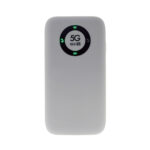
While stationary 5G routers for home use are gaining traction, the portable 5G hotspot market has exploded. These battery-powered devices fit in your pocket and provide secure, private internet wherever you go.
1. Why Ditch Phone Tethering?
For years, travelers have relied on phone tethering (personal hotspot) to get their laptops online. While convenient in a pinch, phone tethering has significant drawbacks:
- Battery Drain: Using a phone as a hotspot drains the battery rapidly and can cause the device to overheat.
- Interruption: If you receive a phone call or text, it can interrupt the data stream for connected devices.
- Limited Connections: Phones typically support only a handful of connections.
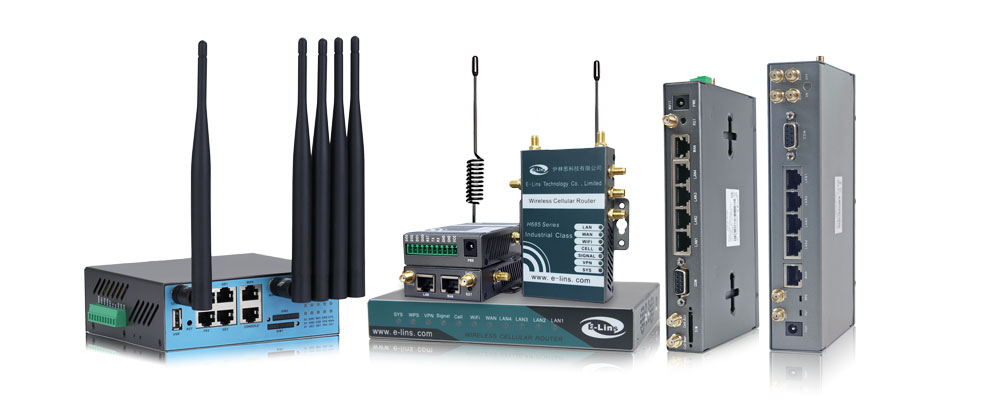
Dedicated portable 5G routers solve these problems. The E-Lins H685f, for example, offers up to 13 hours of battery life and can support 32 devices simultaneously. The new M7 Pro ups the ante, supporting up to 64 devices.
2. International Travel and Security
Public Wi-Fi networks in hotels, airports, and cafes are notoriously insecure, often dubbed “evil twin” attack hotspots. Using a personal 5G router creates a private network for you and your family. Premium models like the Nighthawk series are unlocked and support global SIMs, working with providers in over 125 countries. This allows you to buy a local data plan and avoid expensive international roaming charges.
3) Key Features to Look For in 2026
When shopping for a 5G Wi-Fi router this year, pay close attention to these specifications:
1. 5G Speeds and Carrier Aggregation
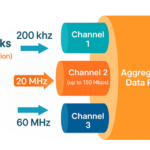
Not all 5G is created equal. Look for routers that support sub-6 GHz and mmWave (where available) for the best coverage. Devices like the Nighthawk M7 Pro utilize advanced carrier aggregation to combine different 5G signal bands, boosting speeds and stability.
2. Wi-Fi Standards: 6 vs. 7
If you are investing in a 5G router, ensure it supports at least Wi-Fi 6. For future-proofing, Wi-Fi 7 is ideal. Wi-Fi 7 is designed to handle the multi-gigabit speeds that 5G provides, ensuring your wireless signal isn’t a bottleneck.
3. External Antenna Ports
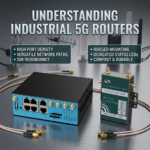
For those living in rural areas or using the device in an RV, signal reception can be tricky. Look for routers with TS-9 ports for external antennas. An omnidirectional MIMO antenna can dramatically improve reception in weak signal areas, effectively “squeezing” every last drop of cellular range.
4) Real-World Use Cases
- Remote Work: Digital nomads can set up a secure office anywhere with a power outlet.
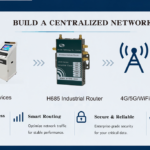
- Home Internet Backup: Even if you have fiber, a 5G router acts as a failover. If the wired line goes down, the network automatically switches to cellular, ensuring your video surveillance or smart home never skips a beat.
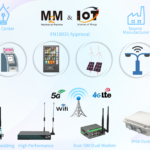
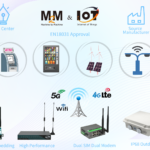
- Live Events & Pop-Ups: Food trucks, market stalls, and event pop-ups need instant connectivity for mobile payment terminals. A 5G router provides this instantly without waiting for an ISP technician.
5) Frequently Asked Questions (FAQ)
Q1: Can I use a 5G Wi-Fi router at home instead of cable?
A: Absolutely. Many users are switching to 5G home internet as their primary connection. Devices like the H685f feature an “In-Home Performance Mode” when plugged in, making them ideal for replacing a fixed-line ISP, especially in areas where fiber isn’t available.
Q2: Do I need a special SIM card for a 5G router?
A: You need a data-only SIM plan from a mobile carrier. While the routers are unlocked and compatible with major carriers, you should check with your provider for a plan that supports hotspot or router data usage, as some unlimited phone plans restrict tethering.
Q3: Is a 5G router better than a phone hotspot?
A: Yes, for heavy or regular use. Portable 5G routers provide stronger antennas, longer battery life (up to 13+ hours), support for many more devices (up to 64), and keep your phone’s battery free for your own use.
Q4: What is the coverage of a 5G router?
A: The Wi-Fi coverage inside your home is typically around 1,000 square feet for portable models. However, the 5G reception depends on your proximity to a cell tower. Using external antennas can help extend the cellular range the device can “see.”
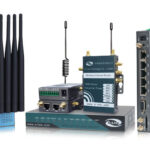
Are you source an 5G Wi-Fi Router? E-Lins will be an excellent choice for you. Founded since 1999, specialized on manufacturing industrial 5G Wi-Fi Routers.