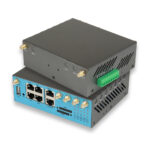
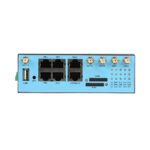
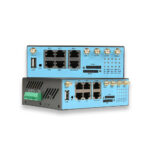
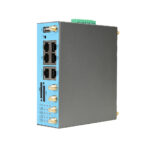
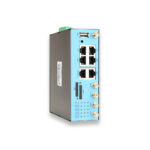
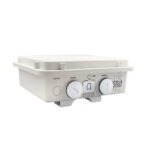
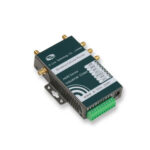
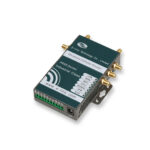
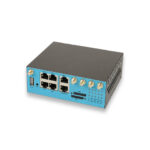
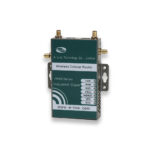
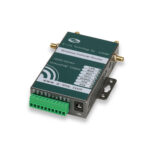

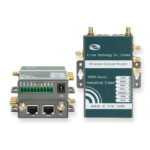
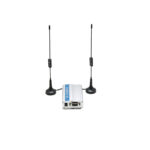
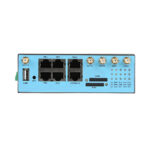
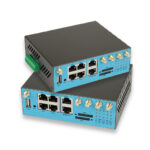
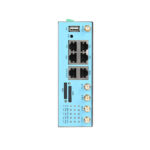
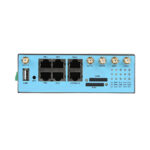
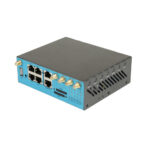
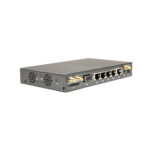
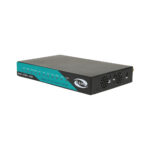
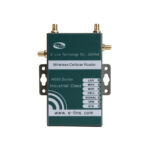
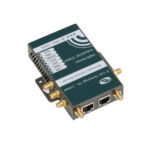
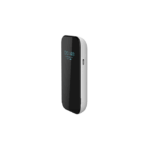
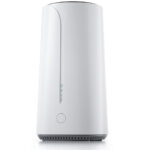
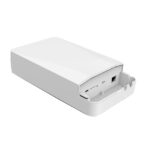
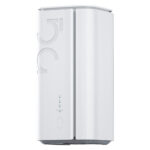

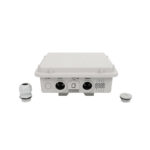
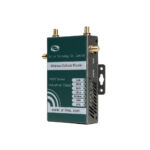
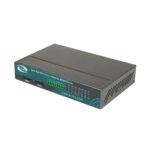
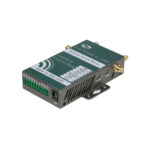
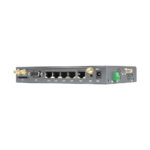
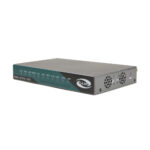
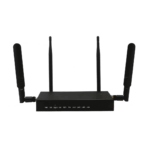
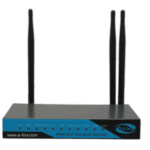
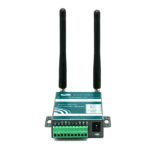
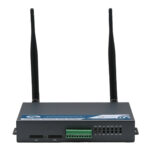
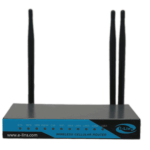
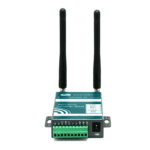
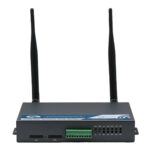
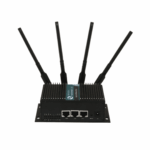
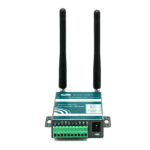
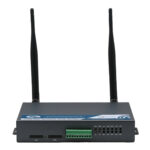
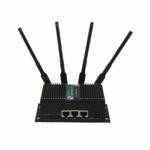
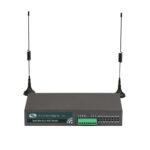
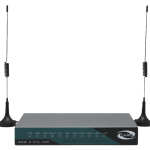
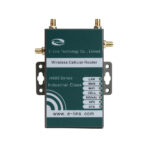
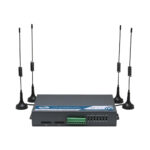
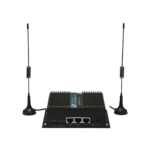
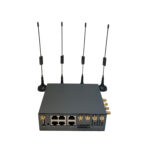
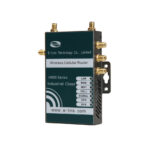
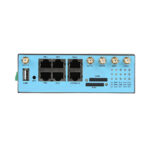
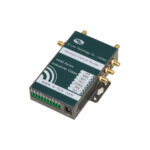






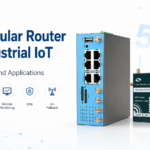



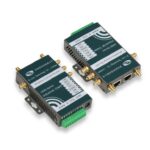
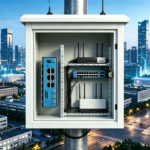
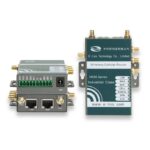

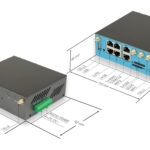





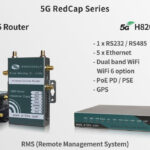



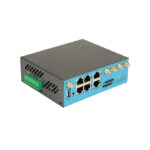
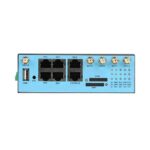
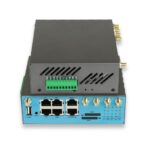


















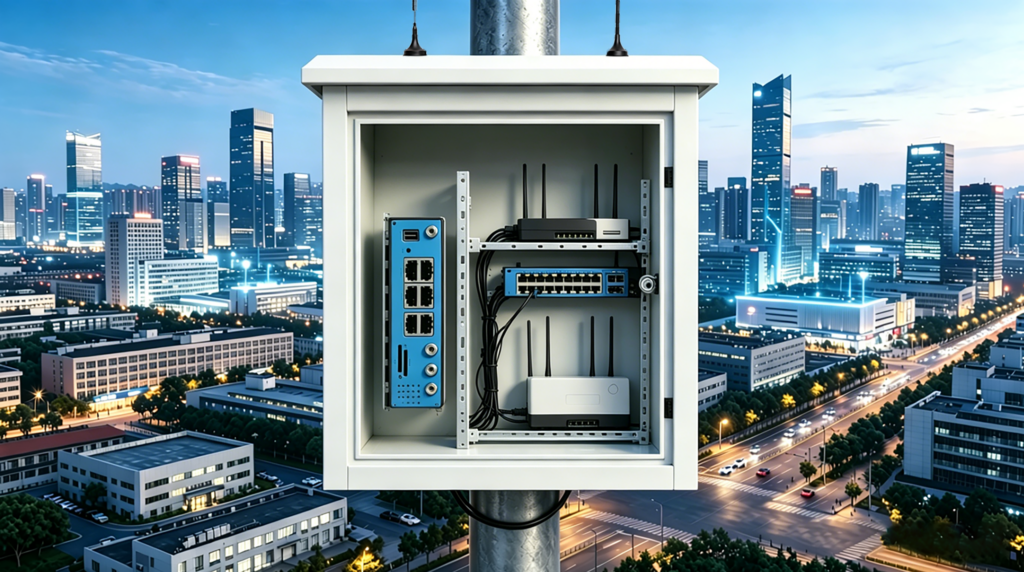
As industrial organizations race to digitalize their operations, the demand for reliable, cost-effective, and energy-efficient connectivity solutions has never been higher. Industrial 5G RedCap routers have emerged as a critical enabler of this digital transformation, offering a right-sized alternative to full 5G and LTE routers that aligns perfectly with the needs of mid-speed industrial IoT (IIoT) applications. From smart factories to remote energy infrastructure, these routers are already being deployed worldwide to improve operational efficiency, reduce costs, and enhance reliability.

In this blog, we’ll dive into real-world use cases, practical implementation tips, and future trends that are shaping the adoption of industrial 5G RedCap routers.
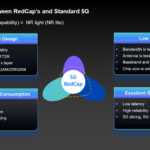
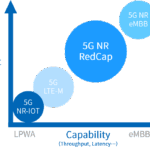
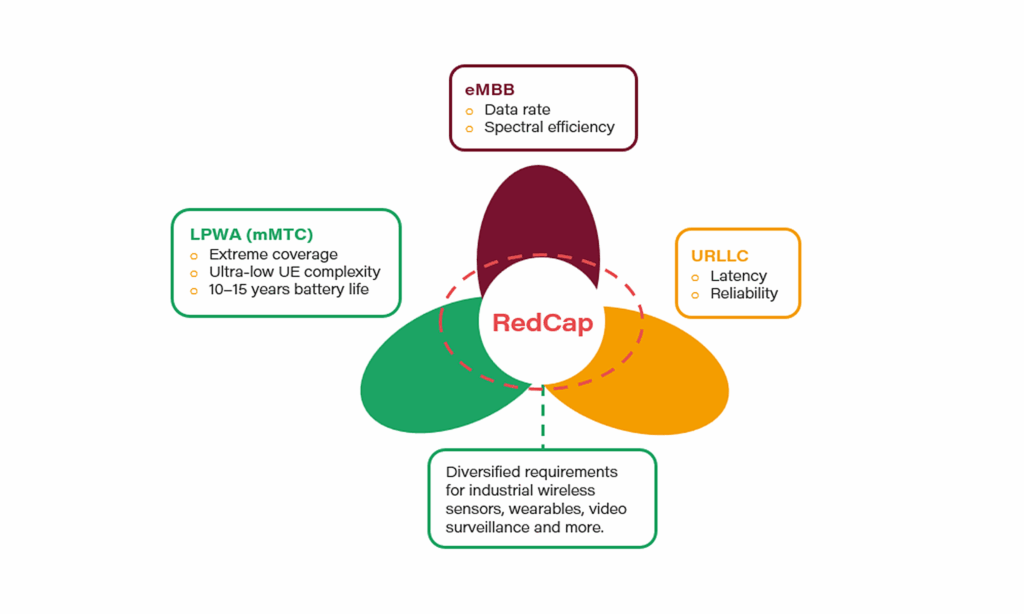
The adoption of industrial 5G RedCap routers is being driven by three key factors: the need to replace aging LTE infrastructure, the high cost of full 5G eMBB solutions, and the growing demand for low-power IIoT deployments. According to industry reports, the global industrial 5G RedCap market is expected to grow at a CAGR of over 40% through 2030, with deployments spanning manufacturing, energy, transportation, and smart cities. This growth is fueled by the unique value proposition of RedCap: delivering 5G’s core benefits—low latency, network slicing, and future-proofing—at a fraction of the cost and power consumption of full 5G.
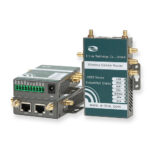
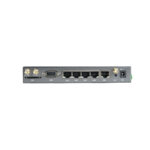
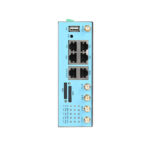
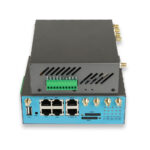
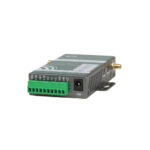
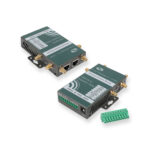
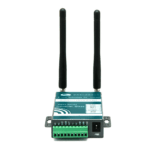
What Is an Industrial 5G RedCap Router?
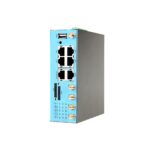
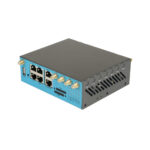
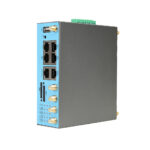
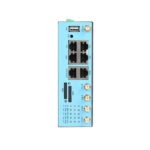
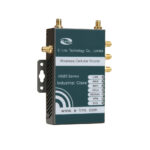
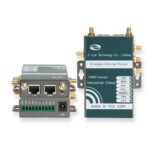
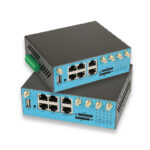
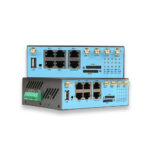
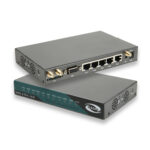
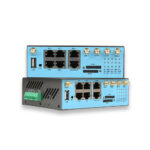
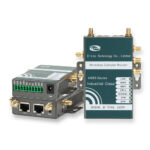
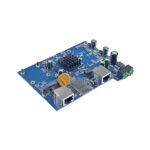
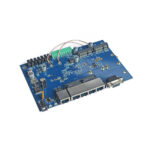
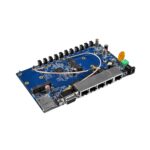
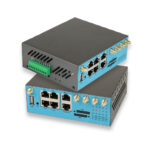
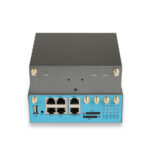
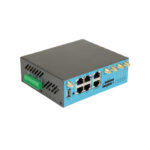
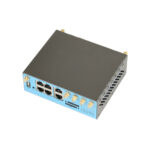
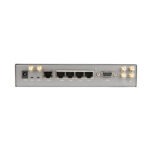
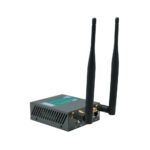
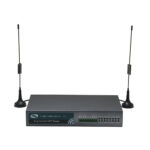
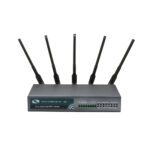
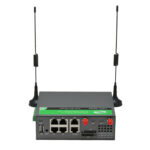
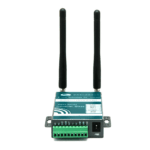
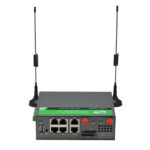
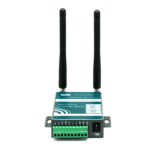
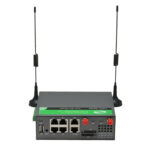
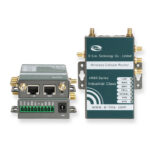
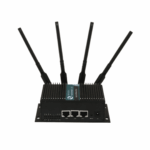
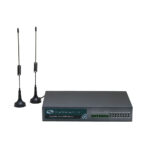
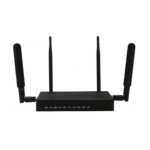
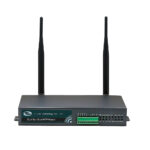
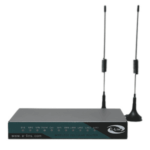
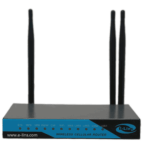
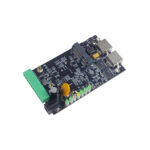
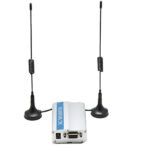
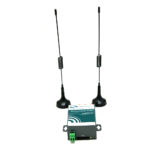
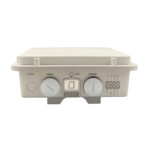
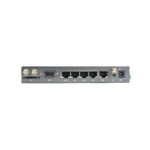
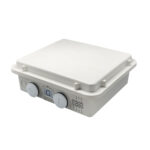
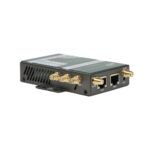
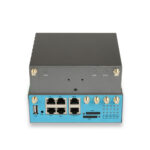
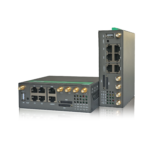
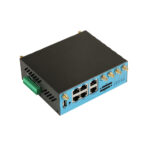
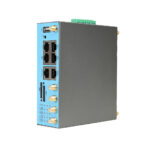
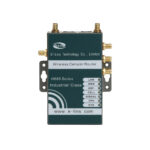
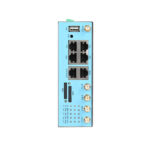
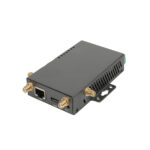
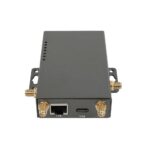
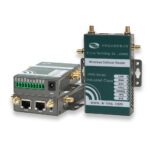
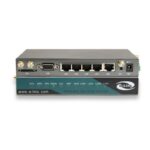
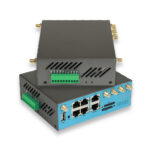
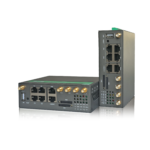
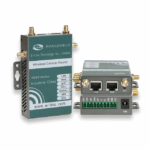
An industrial 5G RedCap router is a rugged, industrial-grade networking device that leverages 5G RedCap technology to provide reliable, cost-effective, and energy-efficient connectivity for IIoT devices and systems. Unlike consumer-grade routers, these devices are built to withstand the harsh conditions of industrial environments—extreme temperatures, humidity, vibration, and electromagnetic interference (EMI)—while delivering consistent performance for critical industrial operations.
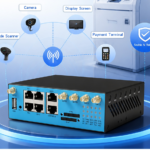
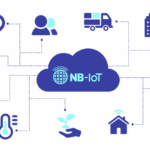
At its core, an industrial 5G RedCap router acts as a gateway, connecting IIoT sensors, controllers, machines, and other devices to the cloud or on-premise servers. It supports 5G RedCap’s key capabilities, including SA and NSA modes, down compatibility with 4G LTE, and optimized data rates that balance performance and efficiency.
1)Real-World Use Cases of Industrial 5G RedCap Routers
Industrial 5G RedCap routers are versatile and can be deployed across a wide range of industries. Below are some of the most impactful real-world use cases, highlighting how these routers are transforming industrial operations:
1. Smart Factories and Industrial Automation
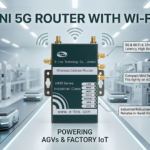
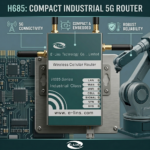
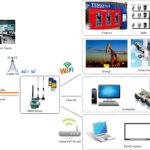
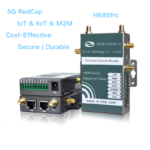
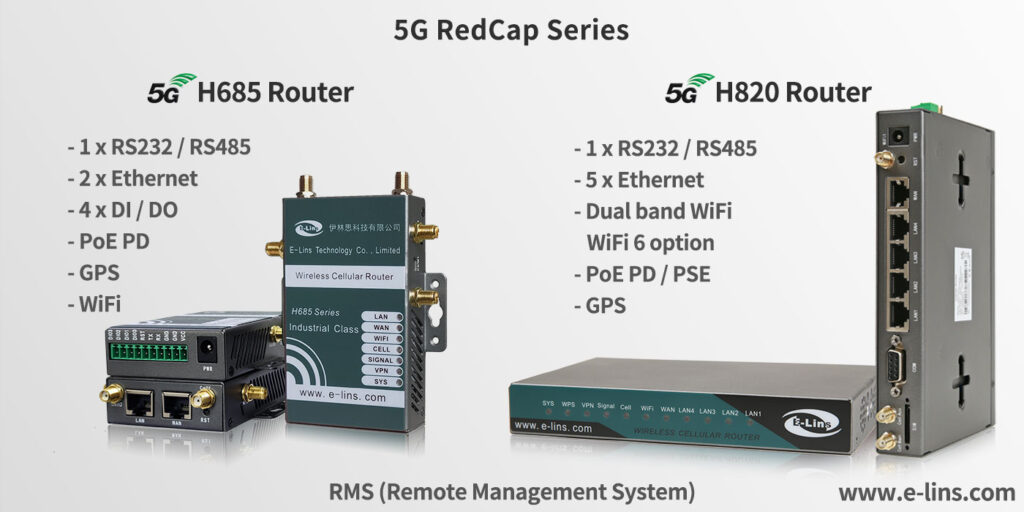
Smart factories rely on seamless connectivity between machines, sensors, and control systems to enable real-time monitoring, predictive maintenance, and autonomous operations. Industrial 5G RedCap routers are ideal for this environment, as they deliver the low latency (10-20 ms) and reliable connectivity needed to control AGV, robotic arms, and conveyor systems. For example, a leading automotive manufacturer deployed H685frc 5G RedCap routers in its assembly plant to connect AGVs and real-time sensors. The routers enabled seamless communication between AGVs and the central control system, reducing downtime by 30% and improving production efficiency by 25%. Additionally, the routers’ network slicing capability allowed the manufacturer to segment connectivity for different operations (e.g., AGV control, quality inspection), ensuring dedicated bandwidth and security for critical tasks.
2. Oil and Gas Remote Monitoring
The oil and gas industry operates in remote, harsh environments where reliable connectivity is critical for safety and operational efficiency. Industrial 5G RedCap routers are deployed to monitor oil wells, pipelines, and offshore platforms, transmitting sensor data (e.g., pressure, temperature, flow rate) to on-premise or cloud-based control centers. Due to their low power consumption, these routers are ideal for solar-powered or battery-operated remote monitoring stations, where power is limited. For instance, a major oil and gas company deployed E-Lins H900frc RedCap routers to monitor remote oil wells in desert regions. The routers’ IP36 rugged design and sub-1W idle power consumption allowed them to operate reliably in extreme temperatures (-40°C to +70°C) and reduce battery replacement costs by 60% compared to traditional 4G routers.
3. Smart Grid and Energy Infrastructure
The smart grid requires reliable connectivity to monitor and control power generation, transmission, and distribution systems. Industrial 5G RedCap routers are used to connect smart meters, reclosers, capacitor banks, and fault detection devices, enabling real-time data collection and remote control. Their future-proof 5G SA support ensures compatibility with evolving smart grid infrastructure, while their low power consumption makes them ideal for battery-powered smart meters and remote sensors. A utility company in China deployed ZX 5478 5G RedCap low-power routers to monitor its smart grid infrastructure, reducing energy consumption by 40% and improving fault detection response time by 50%.
4. Smart Cities and Urban Infrastructure
Smart cities rely on IIoT devices to manage traffic, public safety, waste management, and utility services. Industrial 5G RedCap routers are deployed to connect video surveillance cameras, traffic lights, smart waste bins, and underground utility sensors. Their rugged design and flexible installation options (railway-mounted, wall-mounted) make them suitable for urban environments, while their low power consumption reduces operational costs. For example, a city in Europe deployed industrial 5G RedCap routers to connect underground utility tunnel sensors, enabling real-time monitoring of water and gas pipelines. The routers’ auto-sleep mechanism (less than 10 mw in sleep mode) and fast wake-up time (less than 2 seconds) allowed for efficient low-frequency data collection, reducing battery costs and improving infrastructure reliability.
5. Logistics and Supply Chain Management
Logistics and supply chain operations require real-time tracking of goods, vehicles, and warehouse equipment. Industrial 5G RedCap routers are used to connect GPS trackers, warehouse management systems, and delivery drones, enabling real-time location tracking and inventory management. Their dual SIM support and multi-network backup ensure uninterrupted connectivity, even in remote or high-traffic areas. A global logistics company deployed USR-G806R RedCap routers in its warehouses to connect inventory sensors and AGVs, improving inventory accuracy by 35% and reducing order fulfillment time by 20%.
2)Practical Tips for Implementing Industrial 5G RedCap Routers
Implementing industrial 5G RedCap routers requires careful planning to ensure optimal performance, reliability, and compatibility with existing IIoT infrastructure. Below are key tips to consider when deploying these routers:
1. Define Your Application Requirements
Before selecting an industrial 5G RedCap router, clearly define your application’s requirements, including data rate, latency, power consumption, and environmental conditions. For example, remote sensor deployments require low power consumption, while AGV control requires low latency (less than 20 ms). Understanding these requirements will help you select a router with the right specifications (e.g., power efficiency, bandwidth, ruggedness).
2. Choose the Right Industrial-Grade Model
Not all 5G RedCap routers are designed for industrial use. Look for models with industrial-grade features, such as wide-temperature operation (-20°C to +70°C or higher), rugged metal enclosures, IP protection ratings (IP30 or higher), and wide power input. Additionally, consider models with flexible interface options (Ethernet, Wi-Fi, serial ports) to integrate with your existing IIoT devices.
3. Ensure Carrier Compatibility
Verify that the router supports your local carrier’s 5G and LTE bands to ensure reliable connectivity. Most industrial 5G RedCap routers are carrier-agnostic, but it’s important to confirm compatibility with your carrier’s network before deployment. Additionally, consider models with dual SIM slots or eSIM options for redundant connectivity, which ensures uninterrupted operation if one network fails.
4. Prioritize Security
Industrial IIoT networks handle sensitive data, so security is critical. Choose a router with built-in security features, such as VPN encryption, firewall controls, access control lists, and secure remote management. Additionally, ensure that the router supports firmware updates to address emerging security vulnerabilities. Consider implementing network slicing to segment connectivity for different applications, ensuring that critical data is protected from unauthorized access.
5. Plan for Remote Management
Industrial deployments often span large or remote areas, making on-site maintenance difficult and costly. Choose a router that supports remote management via a cloud-based platform or on-premise software. This allows you to monitor device status, configure settings, update firmware, and troubleshoot issues remotely, reducing maintenance costs and improving operational efficiency.
6. Test for Environmental Compatibility
Industrial environments are harsh, so it’s important to test the router’s performance in the target environment before full deployment. Test for temperature resistance, vibration, humidity, and EMI to ensure that the router can withstand the conditions. Additionally, test connectivity in areas with weak signal strength to ensure reliable performance.
3)Future Trends in Industrial 5G RedCap Routers
The industrial 5G RedCap router market is evolving rapidly, driven by advancements in 5G technology, increasing IIoT adoption, and growing demand for low-power connectivity. Below are the key trends that will shape the future of these routers:
1. Advancements in 3GPP R18 and R19 Standards
The 3GPP R18 standard, currently under development, will enhance 5G RedCap’s capabilities, including higher data rates (up to 500 Mbps), improved power efficiency, and support for more advanced IIoT applications. R19 will further expand RedCap’s use cases, including support for industrial automation, remote surgery, and autonomous vehicles. These advancements will make industrial 5G RedCap routers even more versatile and capable, enabling new use cases in industrial environments.
2. Integration with Edge Computing
Edge computing is becoming increasingly important in IIoT, as it allows data processing to occur closer to the source, reducing latency and improving real-time decision-making. Future industrial 5G RedCap routers will integrate edge computing capabilities, enabling local data processing, analytics, and machine learning. This integration will be particularly valuable for applications like predictive maintenance and real-time control, where low latency is critical.
3. Increased Adoption of eSIM Technology
eSIM technology eliminates the need for physical SIM cards, making deployment and management easier, especially in remote or large-scale industrial deployments. Future industrial 5G RedCap routers will increasingly adopt eSIM technology, allowing for remote SIM provisioning, carrier switching, and reduced hardware complexity. This will improve deployment efficiency and reduce maintenance costs.
4. Expansion into Outdoor and Harsh Environments
As industrial IoT deployments expand into more remote and harsh environments (e.g., deserts, offshore platforms, polar regions), the demand for rugged industrial 5G RedCap routers will grow. Manufacturers will develop models with higher IP protection ratings (IP67/IP68), wider temperature ranges, and enhanced resistance to vibration and EMI. These routers will enable reliable connectivity in even the most challenging environments.
5. Integration with AI and Machine Learning
AI and machine learning are transforming industrial operations, enabling predictive maintenance, anomaly detection, and autonomous decision-making. Future industrial 5G RedCap routers will integrate AI capabilities, allowing them to analyze data in real time, detect anomalies, and trigger alerts or automated actions. This will improve operational efficiency, reduce downtime, and enhance safety in industrial environments.
4)FAQ: Industrial 5G RedCap Router Deployments
Q1: How long does it take to deploy an industrial 5G RedCap router?
The deployment time depends on the complexity of the application and the number of routers being deployed. For small-scale deployments (e.g., 10-20 routers), deployment can take 1-2 weeks, including configuration, testing, and integration with existing systems. For large-scale deployments (e.g., 100+ routers), deployment may take 4-6 weeks. Industrial 5G RedCap routers with plug-and-play functionality and remote configuration capabilities can significantly reduce deployment time.
Q2: What is the cost of an industrial 5G RedCap router compared to a standard 5G router?
Industrial 5G RedCap routers are typically 30-50% less expensive than standard 5G eMBB routers. The exact cost depends on the model and specifications, but industrial RedCap routers generally range from $200 to $500, while standard industrial 5G routers range from $500 to $1,000. Additionally, RedCap routers have lower operational costs due to their low power consumption, further reducing total cost of ownership.
Q3: Can industrial 5G RedCap routers be integrated with existing IIoT platforms?
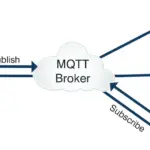
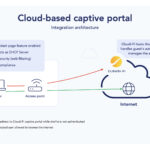
Yes, most industrial 5G RedCap routers are designed to integrate with existing IIoT platforms, including cloud-based platforms (e.g., AWS IoT, Azure IoT, Youren Cloud) and on-premise platforms. They support standard protocols (e.g., MQTT, Modbus, HTTP) that are widely used in IIoT, ensuring compatibility with existing sensors, controllers, and management systems. Manufacturers often provide documentation and support to help integrate the routers with existing infrastructure.
Q4: What is the maximum distance an industrial 5G RedCap router can cover?
The coverage distance depends on the 5G network signal strength, antenna type, and environmental conditions. In urban areas with strong 5G coverage, industrial 5G RedCap routers can cover up to 1-2 kilometers. In rural or remote areas with weaker signal strength, coverage may be reduced to 500-1,000 meters. Using high-gain antennas can extend coverage distance by up to 30%.
Q5: How often do industrial 5G RedCap routers require maintenance?
Industrial 5G RedCap routers are designed for low maintenance, with a typical maintenance cycle of 6-12 months. Maintenance tasks include firmware updates, battery replacement (for battery-powered deployments), and physical inspection. Remote management capabilities allow administrators to perform firmware updates and monitor device status without on-site visits, reducing maintenance costs and downtime.
Q6: Are there any regulatory compliance requirements for industrial 5G RedCap routers?
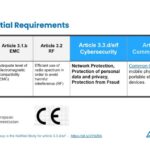
Yes, industrial 5G RedCap routers must comply with local regulatory requirements, including wireless spectrum regulations (e.g., FCC in the US, CE in the EU, SRRC in China) and industrial safety standards (e.g., IEC 61010 for electrical safety, IEC 60068 for environmental testing). It’s important to choose a router that is certified for your region to ensure compliance and avoid legal issues.
Q7: What is the future of industrial 5G RedCap routers in the IIoT market?
The future of industrial 5G RedCap routers is bright, with growing adoption across industries and ongoing technological advancements. As 3GPP standards evolve (R18/R19), RedCap will become more capable, enabling new use cases in industrial automation, remote monitoring, and smart infrastructure. The market is expected to grow rapidly, with industrial 5G RedCap routers becoming the preferred connectivity solution for mid-speed IIoT applications.
In conclusion, industrial 5G RedCap routers are transforming the industrial IoT landscape by offering a balanced, cost-effective, and energy-efficient connectivity solution. From smart factories to remote energy infrastructure, these routers are enabling organizations to digitalize their operations, reduce costs, and improve reliability. By understanding their technical capabilities, real-world use cases, and implementation tips, organizations can leverage industrial 5G RedCap routers to stay ahead in the digital transformation journey.
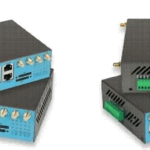
Want a reliable industrial 5G RedCap router? Why not take a view of E-Lins’ industrial 5G RedCap routers?