








































1)Introduction:
The convergence of IT (Information Technology) and OT (Operational Technology) has unlocked incredible efficiencies, but it has also flung open the doors to a new world of cyber threats. Legacy industrial control systems (ICS) and SCADA systems, designed for isolated networks, are now vulnerable targets. A standard router is not enough. What you need is a hardened gateway equipped with a sophisticated firewall: the Industrial Firewall Router. This blog explores how this specialized device acts as your first and most critical line of defense in protecting your physical industrial processes from cyber attacks.
2)Why Traditional IT Security Isn’t Enough for OT
IT security often prioritizes confidentiality. In the OT world, the priority is Availability and Integrity. A reboot to install a patch, common in IT, can cause catastrophic downtime or safety risks in a live production environment. OT networks also run specialized, often vulnerable, protocols like Modbus, DNP3, and PROFINET. An industrial firewall router understands this unique context. It is designed to provide robust security without disrupting the real-time, continuous operation of your industrial processes.
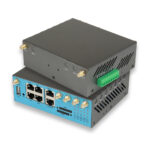
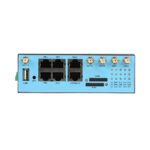
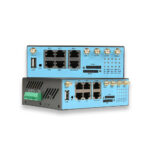
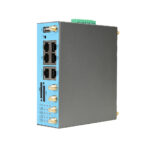
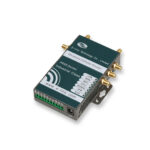
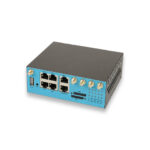
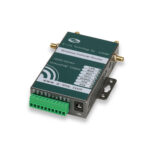
3)The Anatomy of an Industrial Firewall Router
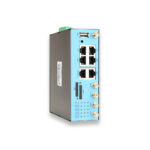
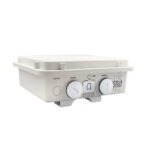
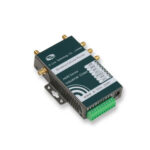
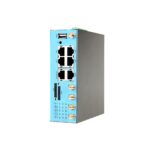
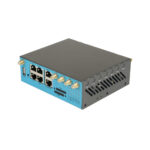
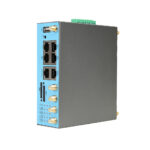
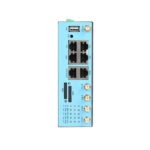
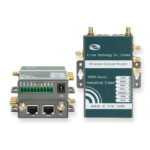
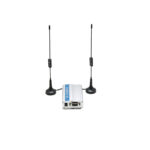
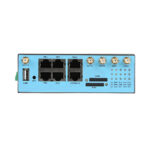
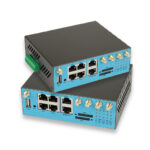
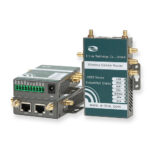
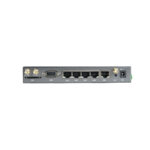
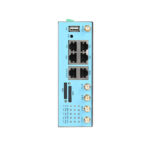
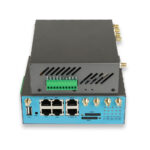
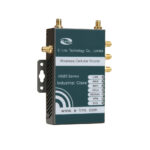
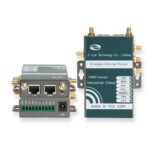
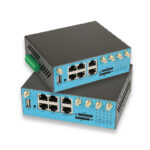
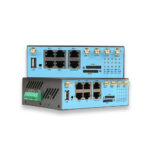
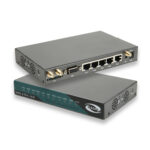
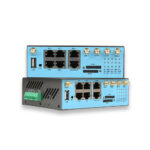
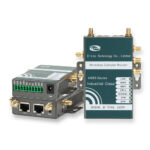
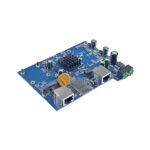
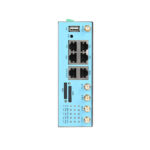
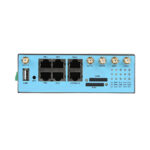
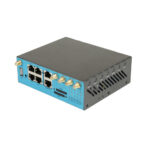
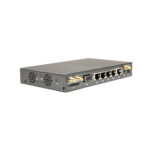
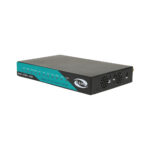
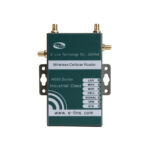
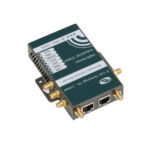
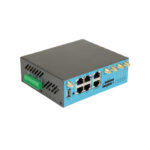
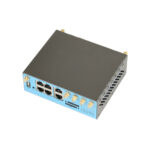
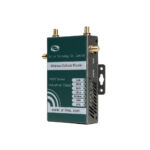
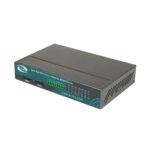
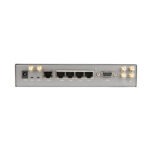
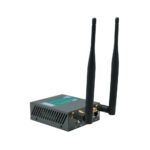
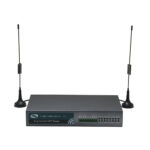
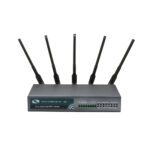
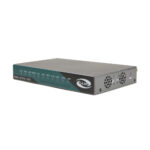
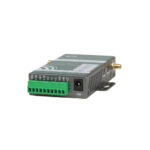
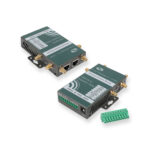
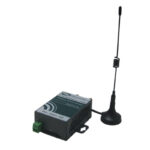
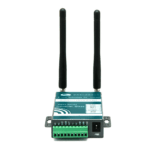
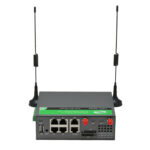
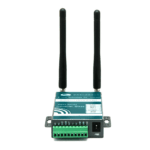
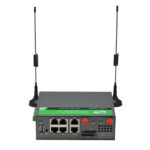
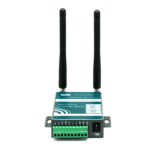
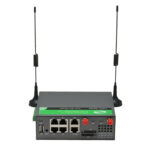
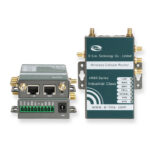
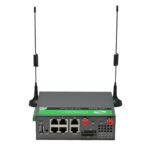
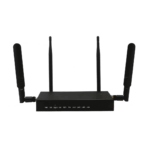
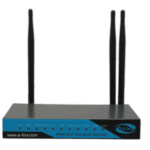
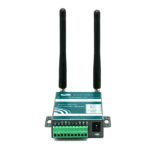
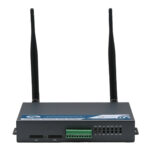
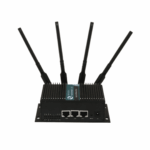
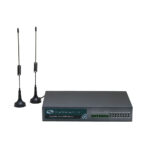
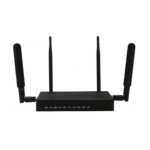
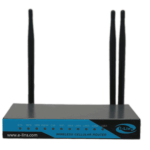
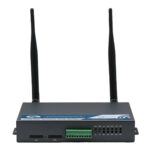
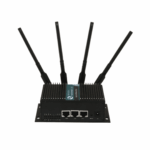
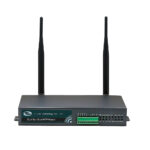
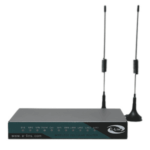
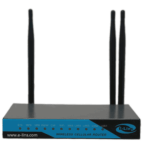
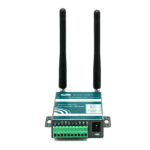
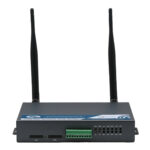
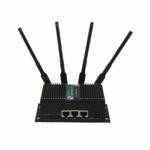
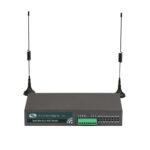
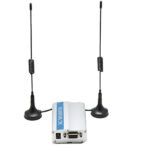
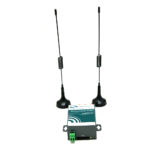
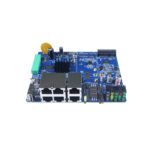
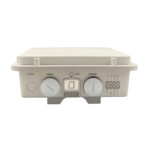
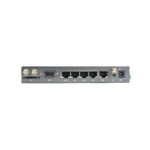
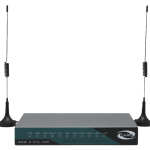
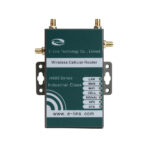
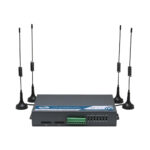
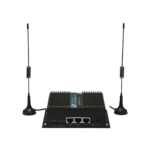
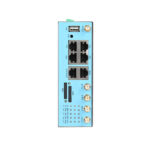
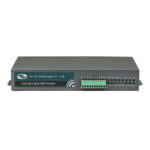
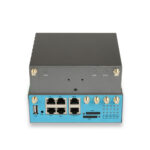
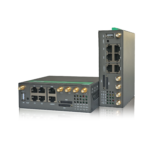
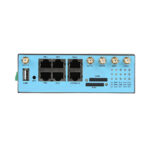
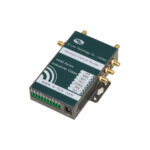
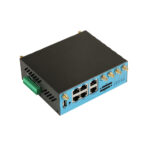
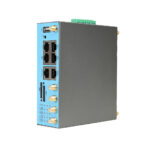
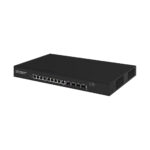
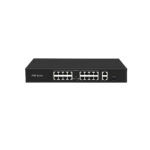
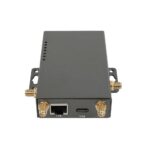
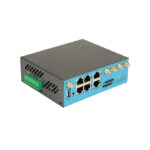
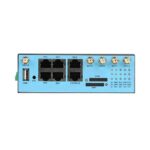
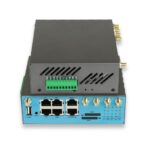
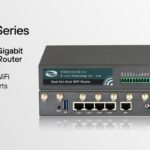
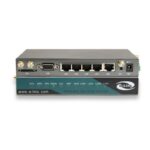
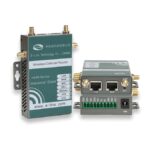
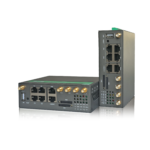
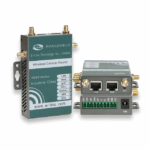
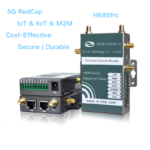
Think of it as a industrial router with a deeply integrated, stateful firewall engineered for industrial protocols.
1. Stateful Packet Inspection (SPI) Firewall
This is the core of its defense. Unlike simple access control lists, an SPI firewall monitors the state of active connections. It understands if a packet is part of an established, legitimate session. This prevents a wide range of attacks where malicious data is sent outside of a proper communication sequence. It can filter traffic based on IP addresses, MAC addresses, and port numbers, creating a fundamental barrier between your OT network and the corporate IT network or the internet.
2. Deep Packet Inspection (DPI) for Industrial Protocols
This is the superpower of an industrial firewall. While an SPI firewall looks at the header of a data packet (like the address on an envelope), DPI looks at the data payload itself (the letter inside). It can understand the semantics of industrial protocols.
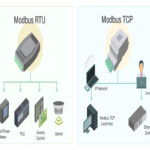
Example: It can be configured with a rule that says, “A Modbus command from this specific engineering workstation (IP 192.168.1.10) is allowed to write to this specific PLC (IP 192.168.1.20) at holding register 40001, but any command to write to register 40002 (which might control an emergency stop) is blocked. All read commands from the HMI are allowed.”
This granular control prevents unauthorized or malicious commands from altering your process, even if they come from a seemingly trusted source inside your network.
3. Network Segmentation and DMZ
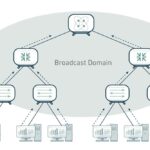
A key security best practice is segmentation. An industrial firewall router allows you to create Virtual Local Area Networks (VLANs) to isolate different parts of your OT network. For instance, you can segment your critical control network (PLCs, drives) from your sensor network and your camera network. If a camera is compromised, the attacker cannot pivot to your control systems.
Furthermore, you can create a Demilitarized Zone (DMZ). This is a neutral network segment where data historians, MES systems, or other servers that need to communicate with both the OT and IT networks reside. The firewall imposes strict rules on what traffic can pass between the DMZ, OT, and IT zones.
Implementing a Defense-in-Depth Strategy
Your industrial firewall router is the cornerstone of a defense-in-depth strategy:
Perimeter Defense: The firewall router sits at the network perimeter, controlling all traffic in and out.
Internal Segmentation: Use its VLAN and firewall rules to create security zones inside your OT network.
VPN Concentrator: It provides secure, encrypted tunnels for remote access by vendors or your own engineers, ensuring that all remote communication is protected.
Use Case: Protecting a Water Treatment Plant
A water treatment plant uses SCADA systems to manage chemical dosing. An industrial firewall router is installed at the boundary between the plant’s corporate network and the control network. It is configured with DPI rules for the control protocols to:
Block all unauthorized write commands to the PLCs controlling chemical pumps.
Only allow specific data collection servers in the DMZ to read data from the PLCs.
Force all remote access from the system integrator through a strict IPsec VPN.
This setup prevents both external hackers and internal mis-configurations from causing a dangerous situation.
Conclusion
In an era of escalating industrial cyber threats, hoping your network isn’t found is not a strategy. An industrial firewall router is a proactive, non-negotiable investment. It provides the specialized security and control needed to safeguard your critical infrastructure, ensuring that your operations remain safe, available, and integral. It’s not just a router; it’s your digital shield.
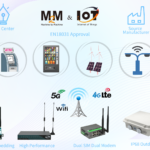
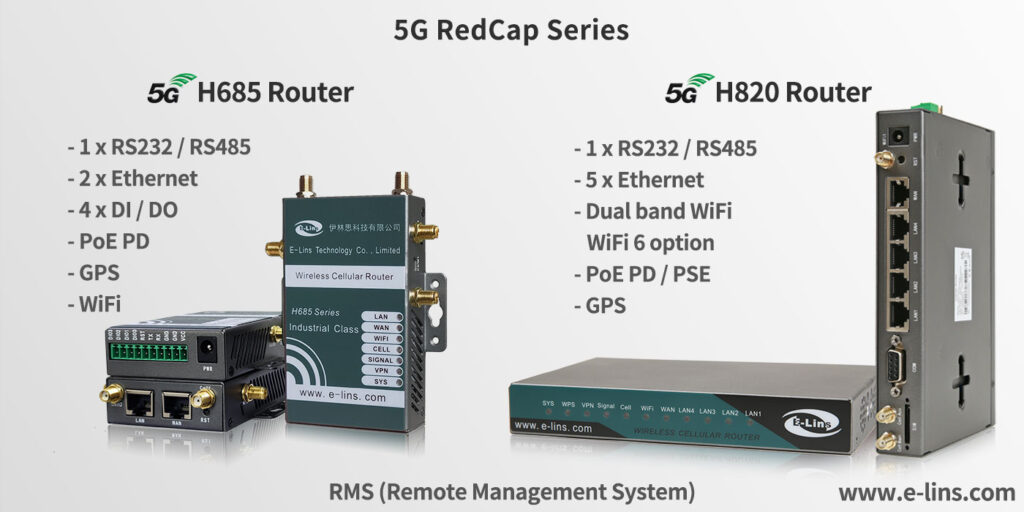
If you are sourcing 4G Router Manufacturer, E-Lins will be the best choice for you; as the China Best 4G Router & 5G Router Manufacturer, providing some series excellent IoT 4G Routers & 5G Routers.