
































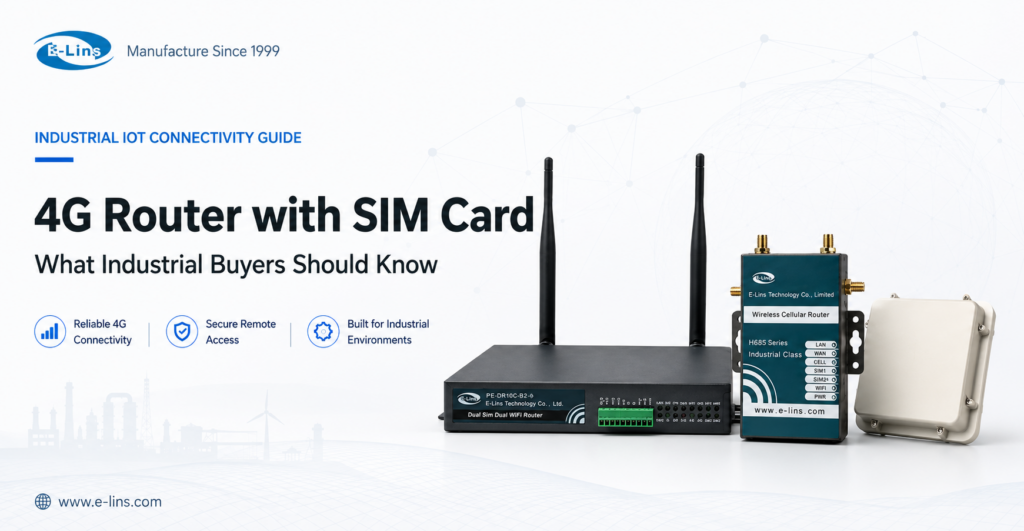
A SIM card can start a cellular connection, but it does not define the reliability of an industrial network. In remote monitoring, CCTV, PLC, EV charging, ATM, kiosk, and unmanned station projects, a 4G router with SIM card must also match the carrier network, APN settings, antenna layout, VPN access method, power environment, and maintenance process. Therefore, selecting a router only by checking whether it has a SIM slot can create avoidable field problems later.
Instead, the selection process for a 4G router with SIM card should start with the real installation site. The project team should confirm the SIM card type, carrier, APN, Ethernet ports, VPN method, remote management tools, serial interface, power supply, antenna position, and mounting method. In addition, lifecycle planning matters because remote equipment is often expensive to revisit after deployment.
What Is an Industrial 4G Router with SIM Card?
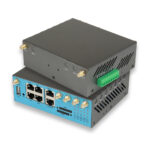
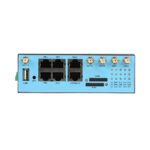
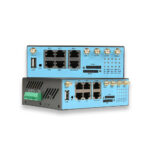
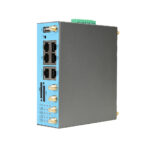
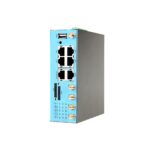
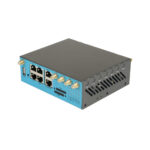
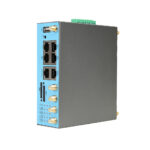
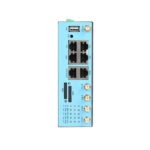
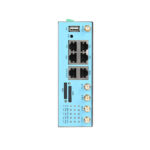
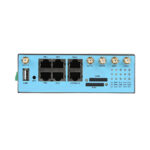
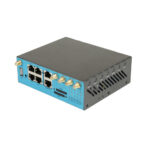
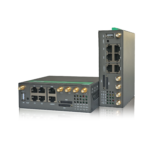
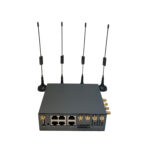
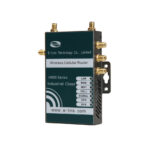
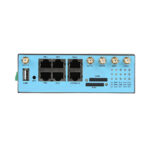
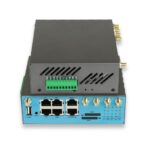
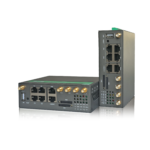
An industrial 4G router with SIM card is a cellular gateway that connects field equipment to the internet through a mobile operator network. Instead of relying on fixed broadband, fiber, or local Wi-Fi, the router uses LTE service through a SIM card. As a result, remote sites can come online faster when wired access is unavailable, costly, or delayed.
However, this device is not the same as a phone hotspot. Industrial deployments usually need stable uptime, Ethernet ports, VPN access, watchdog recovery, remote configuration, wide voltage input, and reliable installation inside cabinets or outdoor enclosures. Therefore, the router should be evaluated as part of the full network design.
For example, a PLC cabinet may need secure maintenance access. A CCTV station may need stable upload bandwidth. An ATM or payment terminal may need private APN service and controlled access. In each case, the SIM slot is only the starting point.
How SIM Card, APN and Carrier Settings Affect Connection
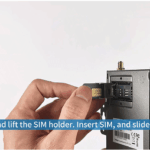
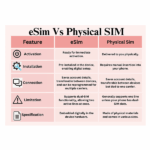
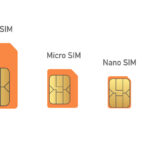
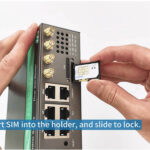
A SIM card stores the subscription information needed to access a mobile network. However, network registration does not always mean stable data communication. The router still needs correct LTE bands, APN parameters, authentication settings, IP rules, signal quality, and carrier coverage at the real installation point.
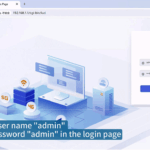
APN means Access Point Name. In simple terms, it tells the carrier which data gateway the SIM card should use. Some SIM cards use a public internet APN, while industrial SIM cards may require private APN, username, password, or special authentication. Therefore, manual APN configuration is important for many IoT and M2M projects.
For broader cellular IoT planning, the GSMA Internet of Things resources can be used as one external reference when reviewing SIM connectivity, mobile networks, and connected-device deployment concepts.
In addition, the IP address type can affect remote access. Many mobile networks assign private IP addresses behind carrier-grade NAT. This structure may allow outbound cloud reporting, yet block direct inbound access from a maintenance center.
For this reason, a 4G Router with SIM Card should support practical carrier configuration. Fixed IP, private APN, VPN tunnel, and managed remote access should be reviewed before field rollout, especially when PLC, CCTV, SCADA, payment, or telemetry systems need remote maintenance.
Single SIM vs Dual SIM for Industrial Sites
A single-SIM 4G router with SIM card can suit stable sites where one carrier has strong coverage and reliable data service. This setup is simple to configure and easier to maintain. For telemetry, vending machines, small monitoring cabinets, and standard remote equipment rooms, single SIM may be enough after site testing.
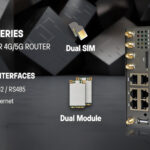
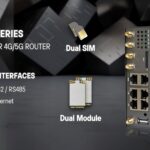
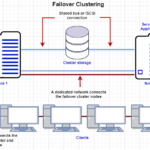
However, dual SIM becomes useful when communication continuity matters. In many routers, one SIM works as the primary link and the second SIM works as backup. If the first carrier fails, the router can switch to the backup SIM according to failover rules.
Nevertheless, dual SIM should not replace proper network planning. Both SIM cards should use suitable carriers, correct APN settings, and practical data plans. In addition, VPN recovery, DNS handling, and platform reconnection should be tested because failover is a system behavior, not only a hardware feature.
Industrial Features to Check Before Selection
Industrial cellular networking should be checked from the field environment backward. Therefore, a 4G router with SIM card should match the country, carrier, SIM type, connected devices, security policy, and maintenance method. The following points often affect deployment results more than peak speed.
Cellular band support
First, the cellular module should support the LTE bands used by local operators. Regional band mismatch can cause weak service, unstable fallback, or no connection.
LAN, WAN and local device access
Next, Ethernet interfaces should match the local equipment. PLCs, IP cameras, controllers, meters, HMIs, payment terminals, and switches may need different port counts and routing rules.
VPN and secure remote access
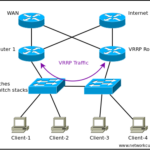
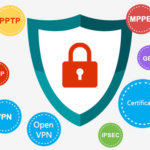
Moreover, VPN support is important when field devices need remote maintenance. IPsec, OpenVPN, L2TP, PPTP, GRE, firewall rules, and private APN access should be reviewed according to the network policy.
Serial interface for legacy equipment
In many M2M systems, RS232 or RS485 is still required. Serial-to-IP communication can help meters, RTUs, controllers, and sensors connect to a remote platform without replacing existing equipment.
Watchdog and automatic recovery
In unattended sites, the router should recover from network drops without manual power cycling. Watchdog logic can monitor connectivity and trigger redial, SIM switching, module restart, or system reboot when needed.
Power, temperature and mounting
Finally, the router should match the physical environment. Wide DC input, cabinet temperature, grounding, antenna placement, DIN rail mounting, wall mounting, and enclosure design can all affect long-term operation.
Product Direction for Different Deployment Needs
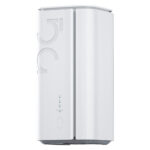
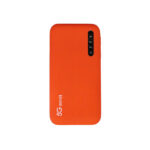
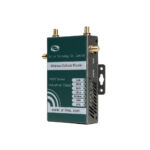
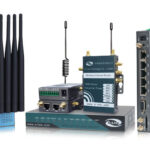
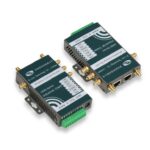
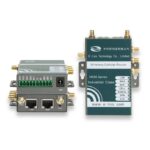
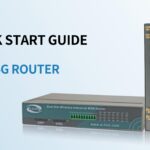
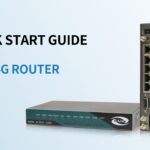
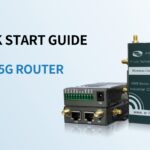
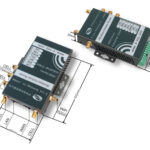
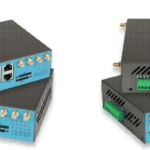
The following product directions can help narrow the selection path for a 4G router with SIM card project. Final model choice should still depend on the target country, LTE bands, SIM plan, APN, interface requirements, remote access method, installation space, and maintenance process.
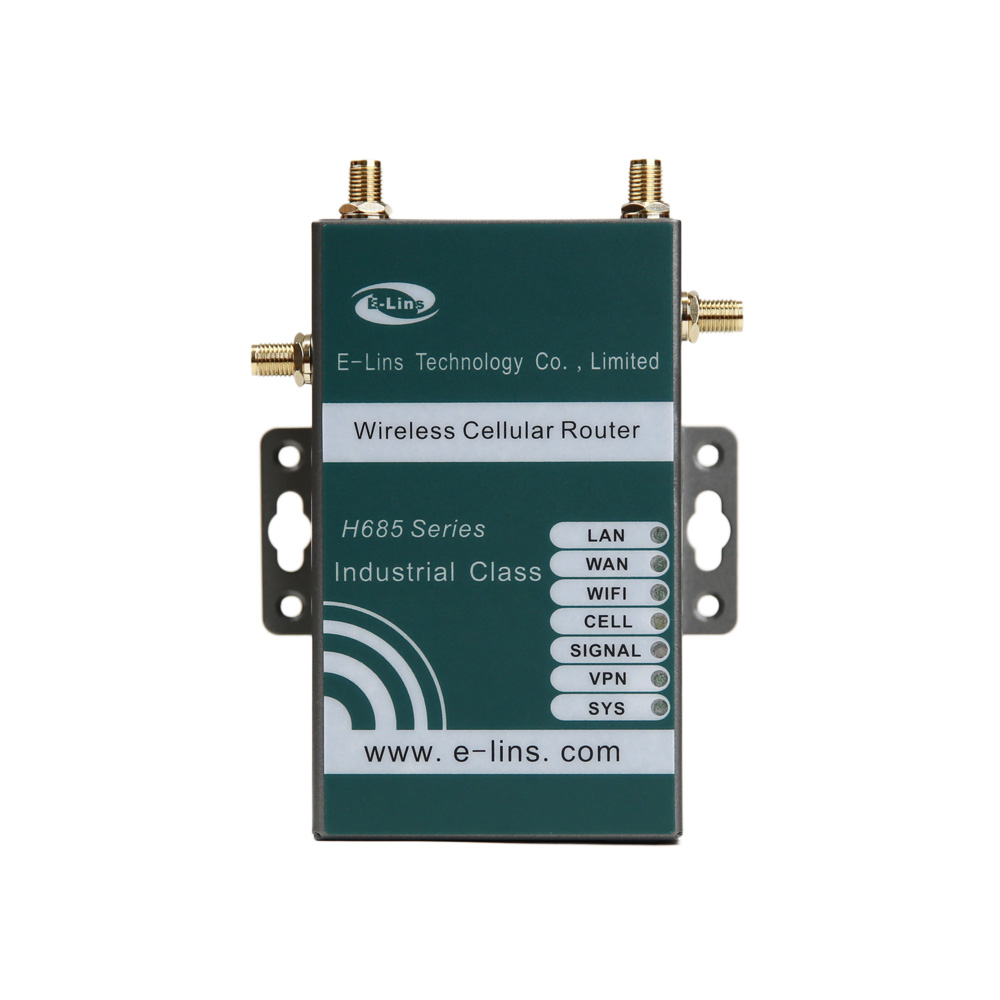
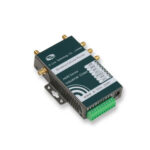
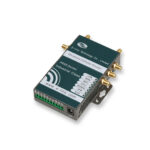
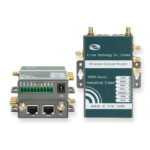
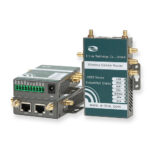
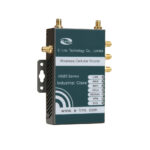
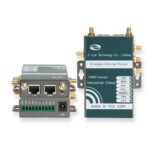
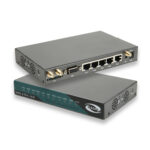
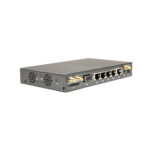
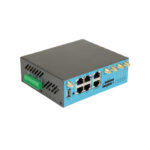
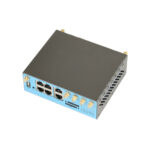
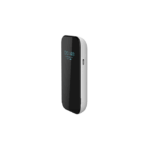
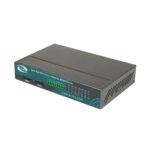
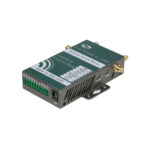
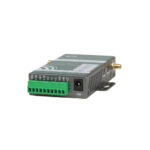
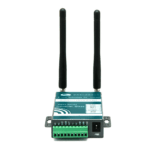
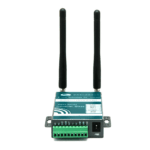
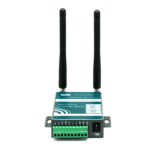
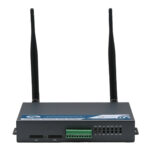
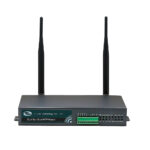
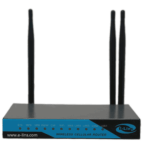
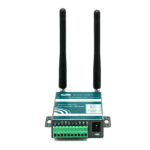
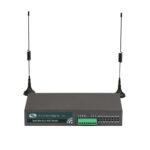
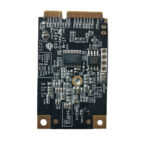
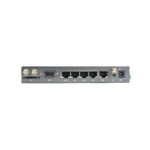
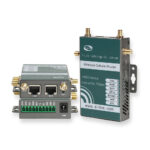
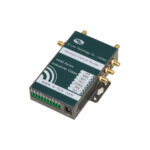
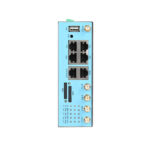
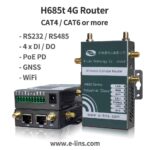
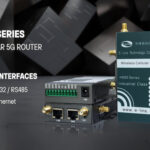
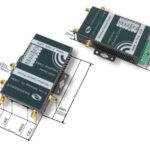
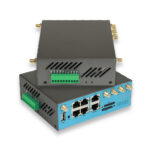
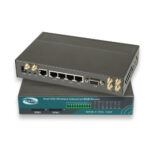
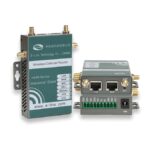
H685t Mini 4G Embedded Router
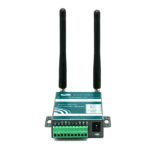
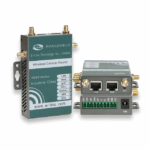
A compact direction for cabinets, machines, remote terminals, and space-limited M2M deployments that need LTE access and practical routing functions.
View Product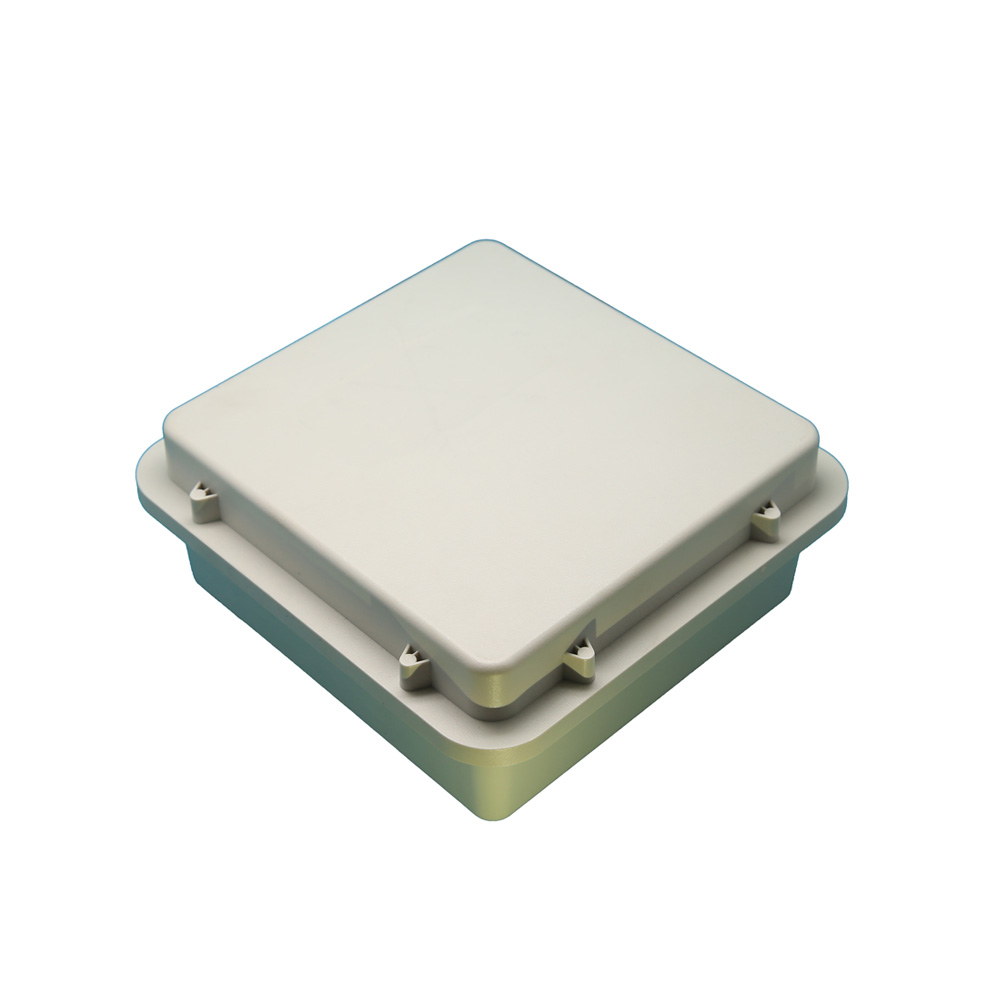
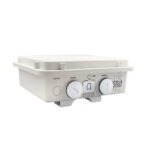
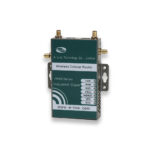
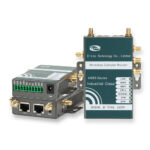
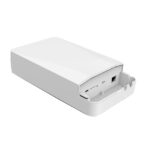
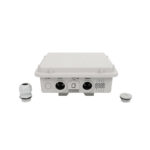
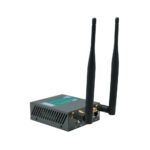
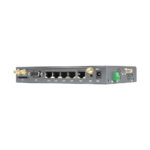
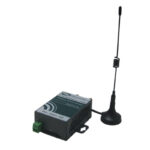
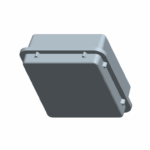
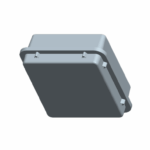
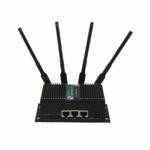
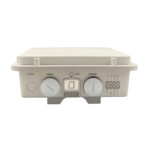
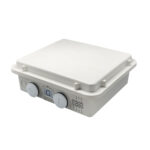
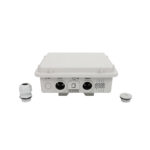
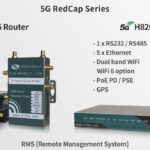
H820QOt Outdoor 4G LTE CPE
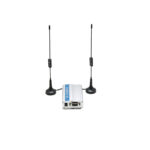
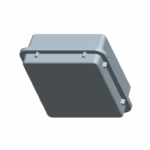
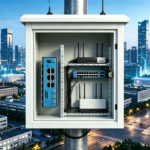
A suitable direction for outdoor sites, pole installation, monitoring points, and locations where enclosure protection and antenna planning matter.
View Product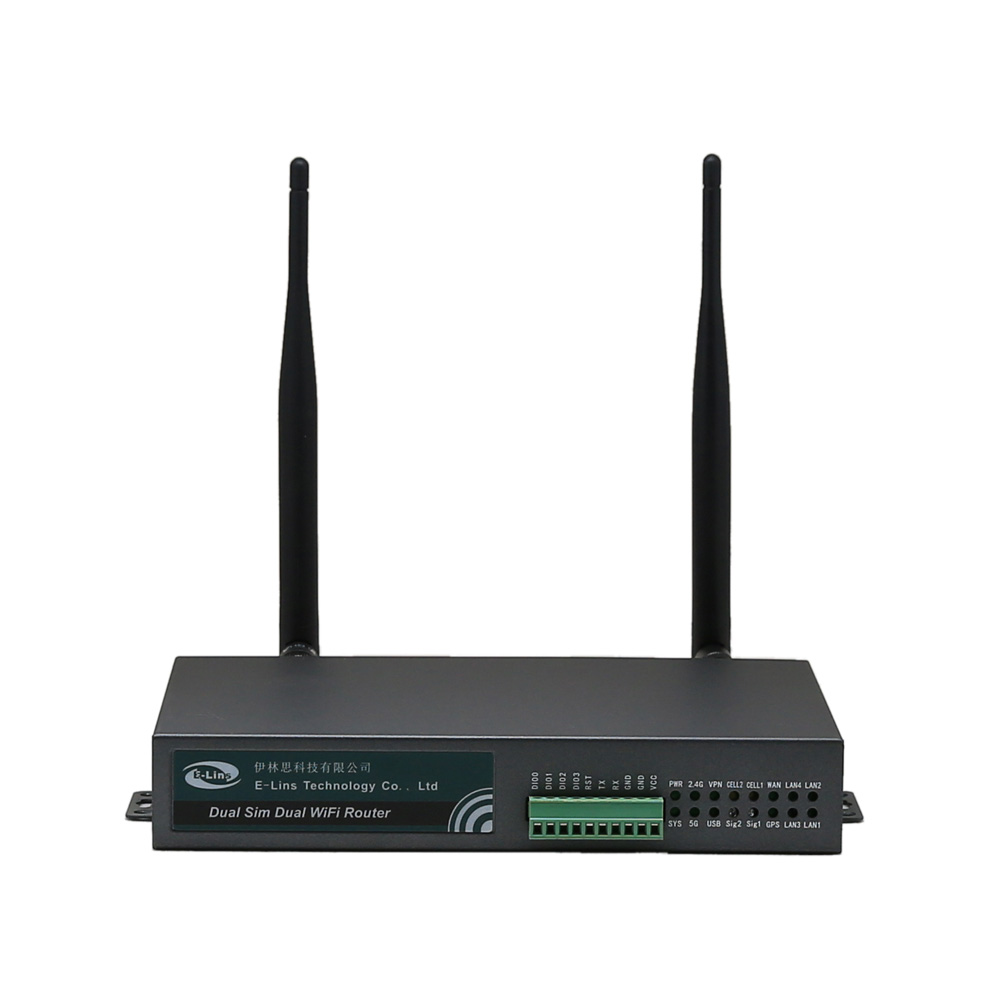
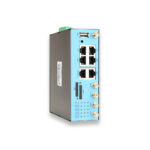
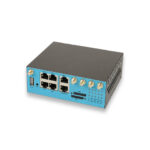
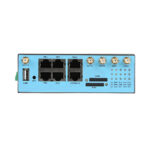
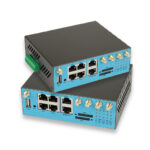
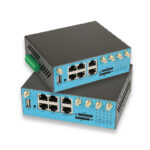
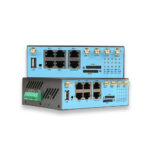
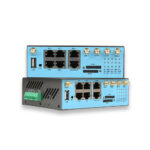
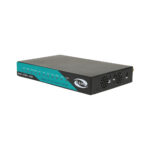
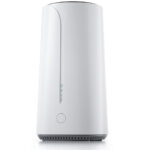
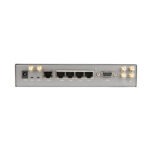
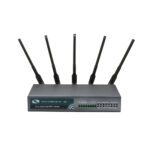
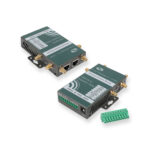
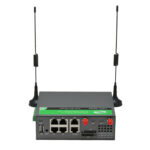
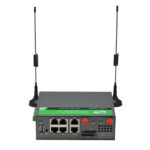
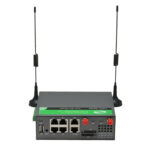
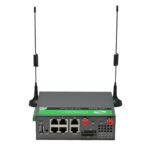
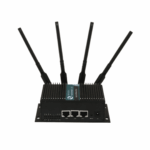
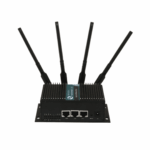
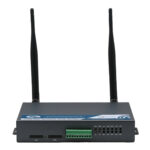
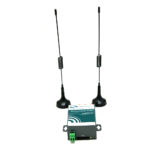
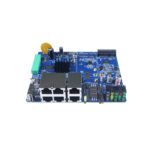
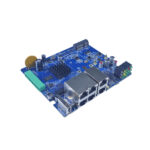
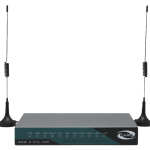
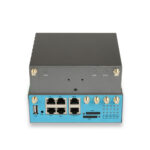
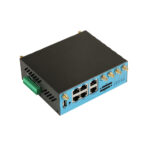
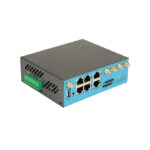
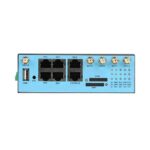
H700 Dual SIM 4G LTE Router
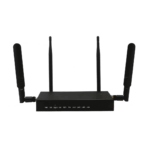
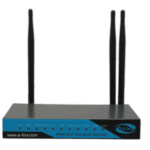
A direction to review when dual SIM, Gigabit Ethernet, Wi-Fi, VPN, and higher-availability industrial communication are required.
View ProductApplication Scenarios for SIM-Based Industrial Routers
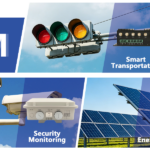
A 4G router with SIM card is widely used in distributed field systems. However, each application has different traffic, security, interface, and maintenance needs. Therefore, the router should be matched to the operating scene rather than selected only by model name.
CCTV and remote video monitoring
For CCTV projects, the router may connect IP cameras, NVRs, or video gateways to a monitoring platform. However, video traffic can consume large data volume. Therefore, upload bandwidth, camera bitrate, data plan size, antenna position, and remote viewing frequency should be checked before rollout.
PLC, SCADA and industrial automation
For PLC and SCADA systems, the router often supports status upload, alarm reporting, and remote maintenance. Nevertheless, control equipment should not be exposed directly to the public internet. VPN, private APN, firewall rules, and controlled permissions should be planned from the beginning.
EV charging piles and energy sites
For EV charging, solar stations, battery systems, and utility cabinets, cellular routers help connect equipment where wired service is difficult. Meanwhile, power stability, remote diagnostics, automatic reconnection, and long-term maintenance become important because many sites are unattended.
ATM, kiosk and payment terminals
For ATM, kiosk, and payment networks, security and predictable access are central concerns. Fixed IP, private APN, VPN, or specific carrier approval may be required. Therefore, SIM planning should happen before the hardware is installed.
Agriculture, environmental monitoring and remote stations
For farms, weather stations, water systems, and environmental monitoring, rural coverage can vary widely. One carrier may perform well at one location and poorly at another. As a result, carrier testing and antenna planning can determine whether the system stays online.
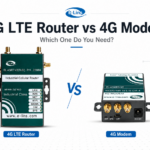
4G Router with SIM Card vs 4G Modem
A router and a modem can both use cellular networks, but they play different roles. A router usually manages the local network. It can provide DHCP, NAT, firewall rules, VPN tunnels, LAN sharing, routing policies, and remote access functions.
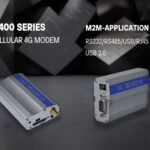
A 4G Modem is normally a simpler cellular access device. It often connects to another host system, such as an industrial computer, embedded controller, gateway, or custom network appliance. In that structure, the host device handles more of the routing or application logic.
Therefore, a router is usually more suitable when several field devices need to share one cellular connection. A modem may be enough when the main equipment already controls the network stack. In short, the choice depends on system architecture, not only on cellular access.
Buying Checklist for Industrial 4G Router with SIM Card Projects
A clear checklist helps avoid choosing only by price, appearance, or one interface. Instead, the 4G router with SIM card can be compared by deployment fit, maintenance efficiency, and long-term network stability.
- Confirm country and carrier: Check local LTE bands, coverage, roaming needs, and operator data service rules.
- Define SIM and APN: Confirm public APN, private APN, fixed IP, dynamic IP, username, password, and authentication details.
- Review remote access: Decide whether the site needs VPN, private APN, port forwarding, cloud access, or fixed IP SIM service.
- List field devices: Count PLCs, cameras, meters, gateways, controllers, payment terminals, computers, and switches.
- Check interfaces: Match LAN, WAN, Wi-Fi, RS232, RS485, USB, PoE, and antenna connector requirements.
- Plan maintenance: Review remote management, firmware handling, SIM records, site labels, and diagnostic access.
- Test before rollout: Validate signal quality, antenna position, failover logic, VPN recovery, and application traffic at the real site.
Common Mistakes That Cause Field Problems
One common mistake is assuming that any mobile SIM will work in a 4G router with SIM card. Some data plans limit router usage, block inbound access, restrict APN settings, or reduce speed after a traffic limit. Therefore, SIM plan rules should be checked before deployment.
Another mistake is testing signal in the office instead of the real cabinet. Metal enclosures, power equipment, antenna cable loss, and local interference can change performance. As a result, final antenna position should be tested before installation is closed.
In addition, some projects treat fixed IP as the only remote access method. Fixed IP can help, but VPN or private APN may provide better control in many industrial networks. Therefore, the access method should follow the security policy and maintenance workflow.
Extended Reading and Related Pages
For faster comparison, these related E-Lins pages can connect the selection logic in this article to practical product and solution pages.
FAQ
Can a 4G router work with any SIM card?
Do industrial sites need a fixed IP SIM card for remote access?
What is APN in a 4G router?
Is dual SIM necessary for industrial monitoring?
What is the difference between a 4G router with SIM card and a 4G modem?
Plan the SIM, APN, VPN and Router Together
E-Lins works as a cellular router manufacturer for industrial IoT, M2M, remote monitoring, and unattended networking applications. A more accurate 4G router with SIM card recommendation usually starts with the target country, operator, SIM type, APN requirement, fixed IP or VPN plan, device quantity, interface needs, installation environment, and remote access method.
With those details, E-Lins can help review whether the project should use single SIM, dual SIM, serial interface, Wi-Fi, PoE, outdoor installation, or a modem-based architecture.
Contact E-Lins