







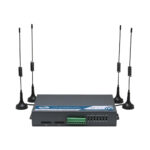
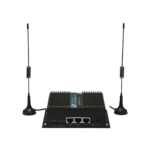





















































For businesses and OEM looking to integrate 5G connectivity into their products, choosing the right 5G modem manufacturer is a critical decision. The right manufacturer can provide high-quality, reliable modems that meet your specific needs, while the wrong choice can lead to delays, performance issues, and increased costs. With so many 5G modem manufacturers in the market—each with different strengths, technologies, and market focuses—navigating the selection process can be overwhelming. In this blog, we’ll provide a comprehensive guide to choosing the right 5G modem manufacturer, including key evaluation criteria, common pitfalls to avoid, and answers to frequently asked questions to help you make an informed decision.
Why Choosing the Right 5G Modem Manufacturer Matters
The 5G modem is a critical component of any 5G-enabled device, and its quality and performance directly impact the user experience, reliability, and success of your product. A low-quality modem can lead to slow speeds, high latency, dropped connections, and compatibility issues—all of which can damage your brand reputation and result in lost customers. Additionally, working with the wrong 5G modem manufacturer can lead to supply chain disruptions, delayed product launches, and increased costs due to rework or replacement. On the other hand, partnering with a reputable, reliable 5G modem manufacturer can provide you with high-quality modems, timely support, and access to the latest technologies—helping you stay competitive in the fast-growing 5G market.
In 2025, the 5G modem market is more competitive than ever, with manufacturers catering to a wide range of industries, including consumer electronics, IoT, automotive, healthcare, and industrial automation. Each industry has unique requirements—for example, IoT devices require low-power modems, while automotive applications require high-reliability modems with low latency. Choosing a manufacturer that specializes in your industry can ensure that you get a modem that meets your specific needs and compliance requirements.
1)Key Evaluation Criteria for 5G Modem Manufacturers
When evaluating 5G modem manufacturers, there are several key criteria to consider. These criteria will help you assess the manufacturer’s capabilities, reliability, and suitability for your business needs. Below are the most important factors to consider:
1. Technological Expertise and Innovation
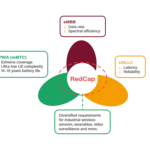
The 5G industry is constantly evolving, with new technologies like 5G-A, RedCap, and AI integration emerging regularly. A good 5G modem manufacturer should have strong technological expertise and a commitment to innovation, ensuring that their modems support the latest 5G standards and features. Look for manufacturers that invest in R&D, have a track record of launching cutting-edge modems, and are actively involved in 3GPP standards development. For example, Qualcomm is known for its technological leadership in 5G, with a strong R&D team and a history of launching industry-first modems like the Snapdragon X80 with integrated AI Processor. Quectel, meanwhile, is a leader in industrial 5G modems, with innovative technologies like 3Tx and L4S that address the unique needs of industrial applications.
2. Product Quality and Reliability
Product quality and reliability are critical when choosing a 5G modem manufacturer. A reliable modem should perform consistently under different network conditions, withstand harsh environments, and have a low failure rate. Look for manufacturers that have strict quality control processes, certifications (ISO 9001), and a proven track record of delivering high-quality modems. Additionally, check for customer reviews and case studies to see how the manufacturer’s modems have performed in real-world applications. For example, MediaTek’s IoT modems are known for their reliability and long life cycle, with a 7-year longevity program that ensures sustained product availability and support for industrial deployments.
3. Compatibility and Flexibility
Your 5G modem should be compatible with your target devices, network operators, and 5G standards. Look for manufacturers that offer modems with broad frequency support (sub-6 GHz and mmWave), compatibility with both NSA and SA modes, and support for the latest 3GPP releases (such as Release 18 for 5G-A). Additionally, consider the manufacturer’s ability to customize modems to meet your specific needs—such as adding specific features, adjusting form factors, or integrating with your existing hardware and software. For example, Quectel offers custom modem solutions for industrial applications, allowing businesses to tailor modems to their specific use cases.
4. Supply Chain and Production Capacity
Supply chain stability is critical in today’s global market, as disruptions can lead to delayed product launches and increased costs. Look for 5G modem manufacturers with a robust supply chain, multiple production facilities, and the ability to scale production to meet your demand. Additionally, consider the manufacturer’s lead times, inventory management, and ability to handle unexpected demand spikes. Manufacturers like Qualcomm and MediaTek have global supply chains and large production capacities, ensuring that they can meet the needs of large OEMs and enterprises. Smaller manufacturers may offer more personalized service but may have limited production capacity, so it’s important to assess your volume requirements before choosing a partner.
5. Cost and Value
Cost is an important factor when choosing a 5G modem manufacturer, but it should not be the only consideration. While it’s tempting to choose the cheapest option, low-cost modems may lack quality, reliability, or advanced features—leading to higher long-term costs. Instead, focus on value: the balance between cost and the quality, performance, and support offered by the manufacturer. Consider factors like the total cost of ownership (including maintenance, support, and replacement costs) rather than just the upfront cost of the modem. For example, MediaTek’s modems offer a good balance of cost and performance, making them a popular choice for mid-range devices and IoT applications where cost is a concern but quality cannot be compromised.
6. Customer Support and Service
Good customer support is essential when working with a 5G modem manufacturer. Look for manufacturers that offer timely technical support, troubleshooting assistance, and training for your team. Additionally, consider the manufacturer’s warranty policies, repair services, and availability of firmware updates. A manufacturer with strong customer support can help you resolve issues quickly, minimize downtime, and ensure that your modems are always up to date with the latest features and security patches. For example, Quectel offers global technical support and a comprehensive warranty program, making it a reliable partner for businesses with global operations.
7. Industry Experience and Expertise
Different industries have unique requirements for 5G modems. For example, automotive applications require modems that meet strict safety and reliability standards, while IoT applications require low-power modems with long battery life. Look for a 5G modem manufacturer that has experience in your industry and understands your specific needs. Manufacturers with industry-specific expertise can provide tailored solutions, compliance support, and insights into industry trends. For example, NXP Semiconductors specializes in secure, low-power 5G solutions for the automotive and IoT sectors, making it a top choice for businesses in these industries.
2)Common Pitfalls to Avoid When Choosing a 5G Modem Manufacturer
When choosing a 5G modem manufacturer, there are several common pitfalls that businesses and OEMs should avoid to ensure a successful partnership. Below are the most common mistakes and how to avoid them:
1. Focusing Solely on Cost
As mentioned earlier, choosing the cheapest 5G modem manufacturer can lead to quality issues, performance problems, and higher long-term costs. Instead of focusing solely on upfront cost, consider the total cost of ownership, including quality, reliability, support, and replacement costs. A slightly more expensive modem from a reputable manufacturer may save you money in the long run by reducing downtime and rework.
2. Ignoring Compatibility
Many businesses make the mistake of choosing a modem without verifying its compatibility with their target devices, network operators, or 5G standards. This can lead to compatibility issues, dropped connections, and delayed product launches. Before choosing a manufacturer, ensure that their modems support the frequency bands, 3GPP standards, and device integration requirements of your project.
3. Overlooking Supply Chain Stability
Supply chain disruptions have become increasingly common in recent years, and choosing a manufacturer with a fragile supply chain can lead to delayed deliveries and lost revenue. Before partnering with a manufacturer, assess their supply chain resilience, production capacity, and ability to handle unexpected disruptions. Look for manufacturers with multiple production facilities and a diverse network of suppliers.
4. Neglecting Customer Support
Customer support is often overlooked, but it’s critical when dealing with technical issues or troubleshooting. A manufacturer with poor customer support can leave you stranded when you need help the most, leading to extended downtime and lost customers. Before choosing a manufacturer, test their customer support response times and ask for references from existing customers.
5. Not Considering Future Scalability
Your business needs may change over time, and your 5G modem manufacturer should be able to scale with you. Choosing a manufacturer with limited production capacity or a narrow product portfolio may limit your ability to expand your product line or increase production volume. Look for a manufacturer that can grow with your business and offer a range of modems to meet your evolving needs.
3)Case Study: How a Leading IoT Company Chose the Right 5G Modem Manufacturer
To illustrate the importance of choosing the right 5G modem manufacturer, let’s look at a case study of a leading IoT company that specializes in smart industrial solutions. The company needed a 5G modem that could support high-speed video backhaul, low latency, and industrial-grade durability to withstand harsh outdoor environments. After evaluating several manufacturers, the company chose Quectel as its partner for the following reasons:
Technological Expertise: Quectel’s RG620T modem integrates 3Tx and L4S technologies, which provide the high upload speeds and low latency needed for 4K video backhaul and real-time AI analysis.
Industrial-Grade Quality: Quectel’s modems are designed to withstand wide temperature ranges and vibration, making them suitable for outdoor industrial environments.
Customization: Quectel worked with the company to customize the modem to integrate with its existing IoT platform, ensuring seamless connectivity and data transmission.
Supply Chain Stability: Quectel has a global supply chain and large production capacity, ensuring that the company could meet its demand for modems.
Customer Support: Quectel provided timely technical support and training, helping the company resolve issues quickly and minimize downtime.
As a result of choosing Quectel, the IoT company was able to launch its smart solution on time, with reliable performance and positive customer feedback. The partnership also allowed the company to expand its product line to include additional 5G-enabled IoT solutions, leveraging Quectel’s expertise and product portfolio.
4)FAQ: Choosing the Right 5G Modem Manufacturer
Below are the most frequently asked questions about choosing the right 5G modem manufacturer for businesses and OEMs:
Q1: How do I determine if a 5G modem manufacturer has the right technological expertise for my project?
To determine a manufacturer’s technological expertise, look at their R&D investments, track record of launching new modems, and involvement in 3GPP standards development. You can also review their product specifications to see if their modems support the latest technologies that your project requires. Additionally, ask for case studies or references from customers in your industry to see how the manufacturer’s modems have performed in similar applications.
Q2: What certifications should I look for in a 5G modem manufacturer?
When choosing a 5G modem manufacturer, look for certifications that demonstrate quality and compliance, such as ISO 9001 (quality management), ISO 14001 (environmental management), and industry-specific certifications (such as automotive certifications like ISO 26262 or IoT certifications like IoT Security Foundation). Additionally, ensure that the manufacturer’s modems are certified by network operators (such as Verizon, AT&T, or China Mobile) to ensure compatibility with their networks.
Q3: How important is supply chain stability when choosing a 5G modem manufacturer?
Supply chain stability is extremely important, especially for businesses with large production volumes or tight launch deadlines. A manufacturer with a fragile supply chain can lead to delayed deliveries, increased costs, and lost revenue. When evaluating manufacturers, ask about their production facilities, supplier networks, and contingency plans for supply chain disruptions. Look for manufacturers with multiple production sites and a diverse range of suppliers to minimize risk.
Q4: Can a 5G modem manufacturer customize their modems to meet my specific needs?
Many 5G modem manufacturers offer customization services to meet the specific needs of businesses and OEMs. Customization options may include adjusting the form factor, adding specific features (such as satellite communications or enhanced security), integrating with existing hardware or software, or modifying the modem to support specific frequency bands. Before choosing a manufacturer, ask about their customization capabilities and whether they have experience tailoring modems to your industry or application.
Q5: How do I compare the total cost of ownership between different 5G modem manufacturers?
To compare the total cost of ownership (TCO) between different manufacturers, consider not just the upfront cost of the modem, but also factors like maintenance costs, support costs, replacement costs, and downtime costs. A manufacturer with a slightly higher upfront cost may have a lower TCO if their modems are more reliable, require less maintenance, and have a longer lifespan. Additionally, consider the manufacturer’s warranty policies and the availability of firmware updates, which can reduce long-term costs.
Q6: What should I do if I’m unsure which 5G modem manufacturer to choose?
If you’re unsure which 5G modem manufacturer to choose, start by defining your specific needs and requirements (such as industry, application, performance, and budget). Then, research and shortlist manufacturers that specialize in your industry and offer modems that meet your requirements. Request samples of their modems to test performance and compatibility, and ask for references from existing customers. You can also consult with industry experts or third-party analysts to get insights into the top manufacturers in your space.
Choosing the right 5G modem manufacturer is a critical decision that can impact the success of your product and business. By considering the key evaluation criteria, avoiding common pitfalls, and asking the right questions, you can find a reliable partner that meets your specific needs and helps you stay competitive in the fast-growing 5G market. Whether you’re developing a consumer smartphone, an IoT sensor, or an industrial gateway, the right 5G modem manufacturer will provide you with the quality, reliability, and support you need to succeed.
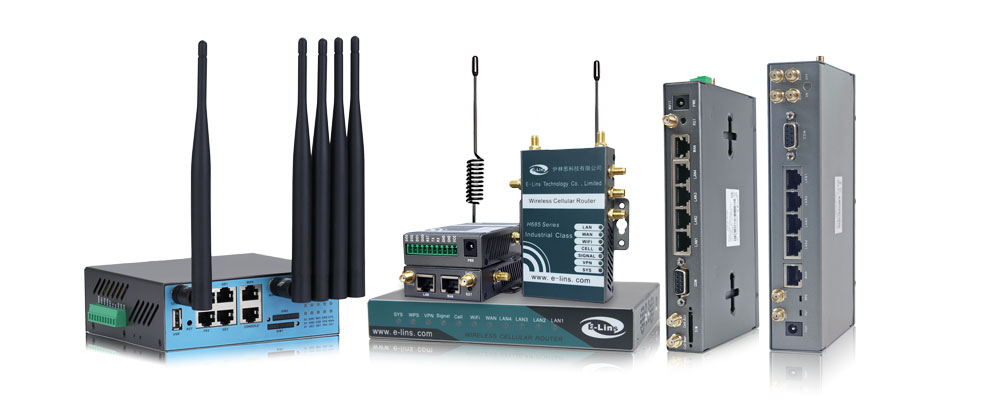
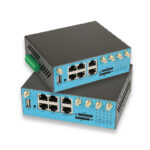
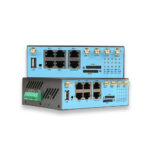
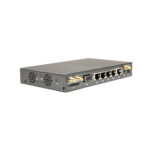
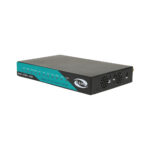
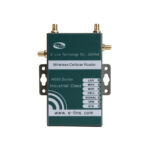
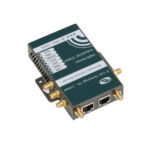
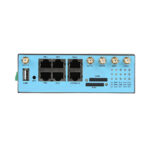
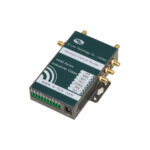
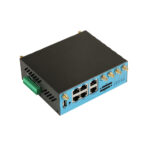
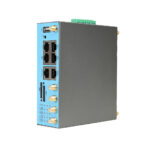
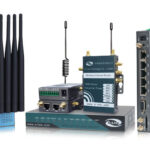
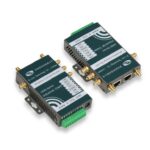
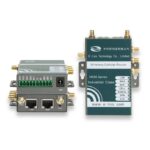
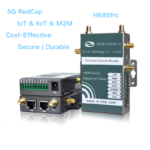
Are you sourcing an industrial 5g modem manufacturer? E-Lins will be an excellent choice for you. Founded since 1999, E-Lins is a leading 5g modem manufacturer in China.