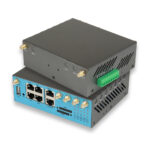
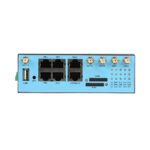
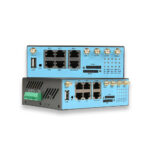
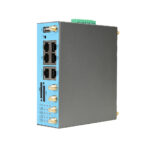
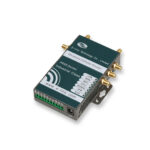
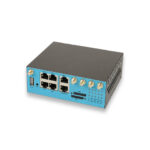
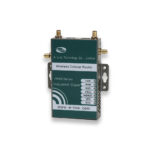
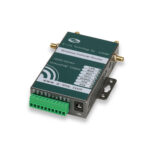
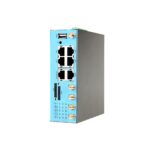

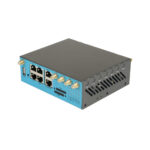
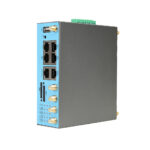
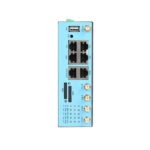
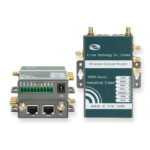
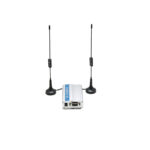
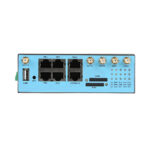
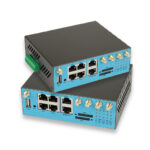
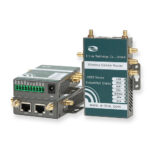
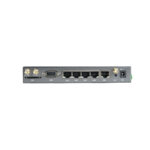
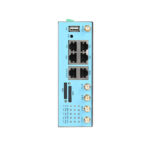
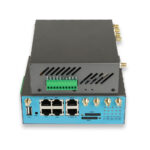
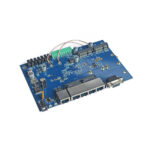
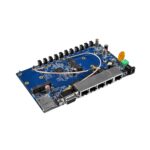
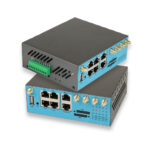
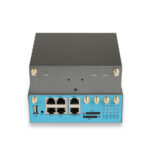
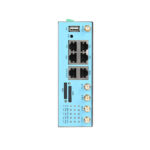
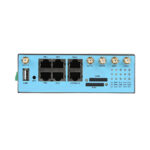
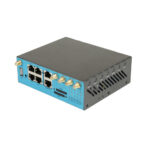
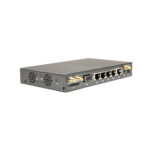
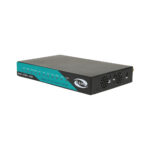
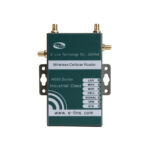
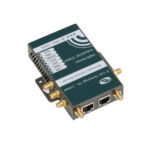
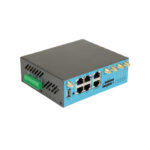
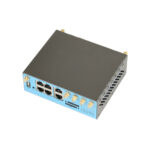
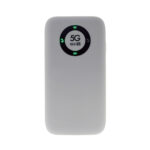
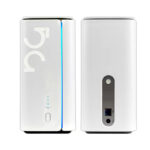
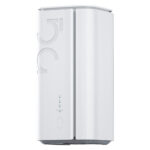
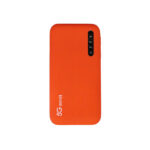
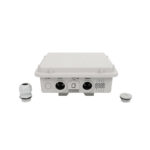
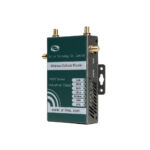
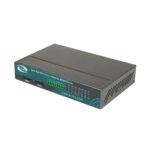
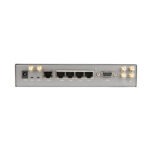
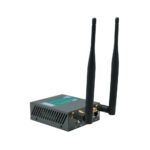
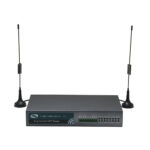
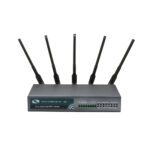
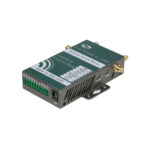
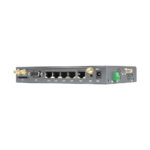
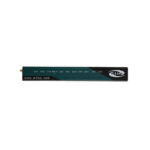
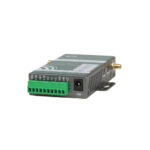
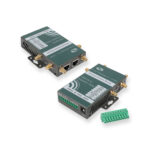
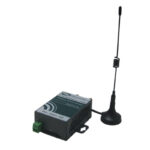
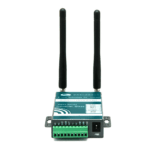
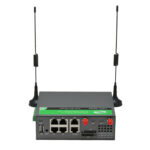
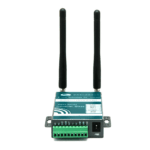
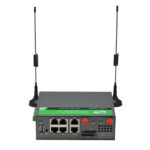
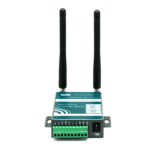
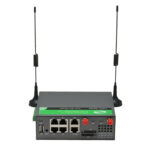
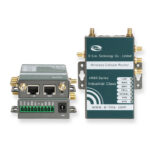
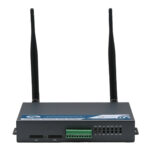
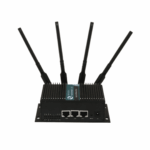
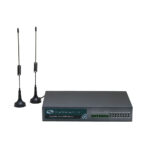
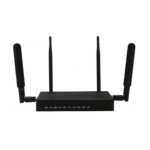
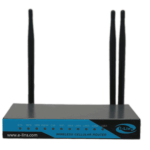
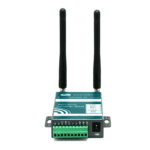
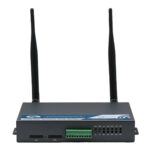
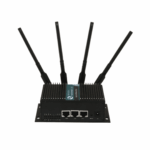
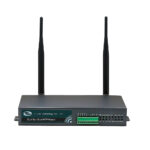
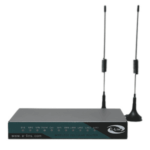
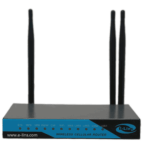
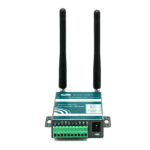
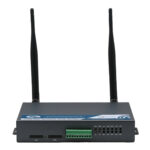
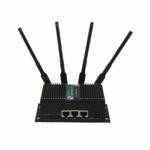
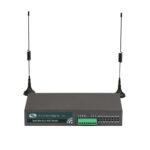
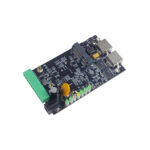
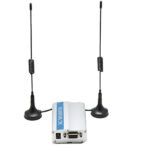
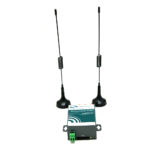
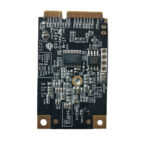
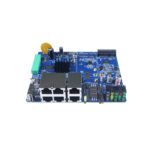
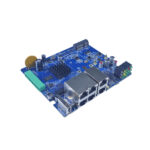
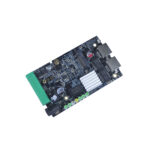
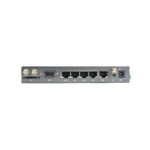
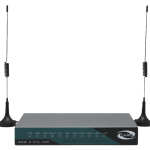
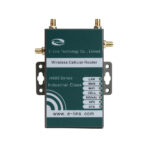
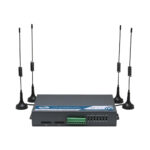
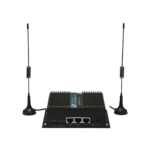
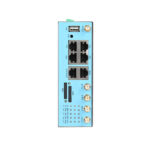
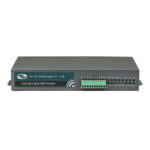
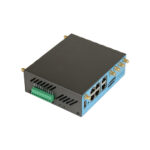
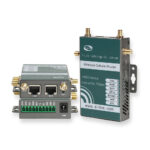
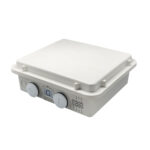
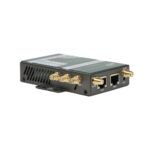
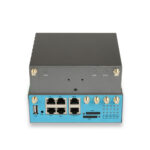
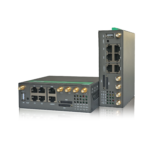
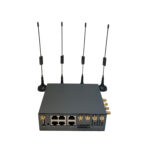
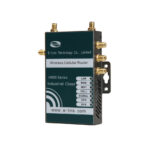
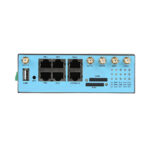
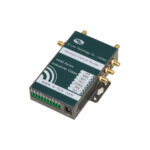
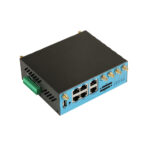
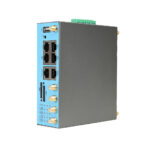
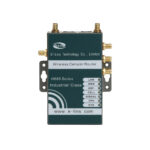








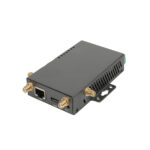
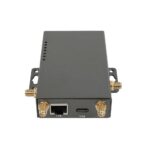

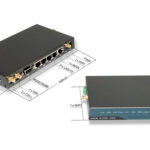
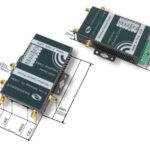
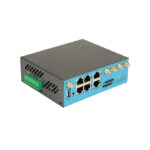
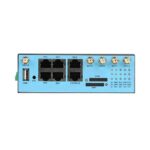
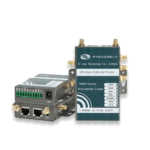
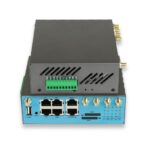
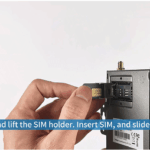
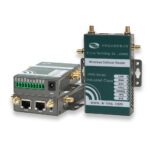













In an era where connectivity is the backbone of every activity—from remote work and smart home management to industrial automation and outdoor IoT deployments—5G cellular modems have emerged as indispensable tools. Unlike their 4G predecessors, 5G modems unlock unprecedented speed, low latency, and massive device connectivity, redefining how we stay linked to the digital world.
Whether you’re a home user seeking reliable backup internet, a business owner scaling IoT operations, or an industrial engineer managing edge devices, this comprehensive guide will walk you through everything you need to know about 5G cellular modem.
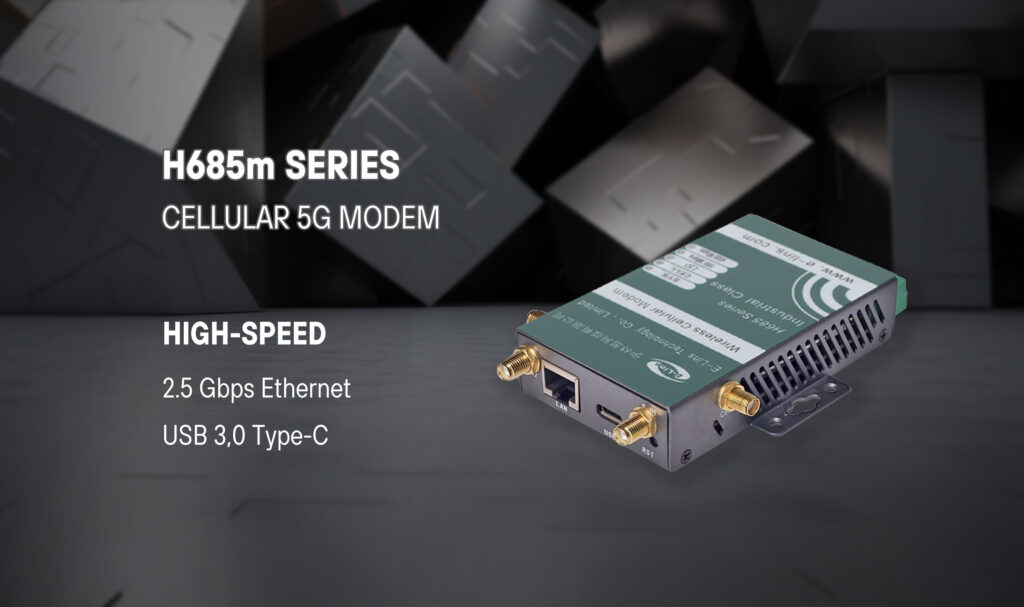
What Is a 5G Cellular Modem?
A 5G cellular modem is a hardware component that enables devices to connect to 5G cellular networks (both Sub-6 GHz and mmWave bands) by converting radio frequency signals into usable internet data. Unlike a 5G router—which distributes the connection via Wi-Fi or Ethernet—a modem acts as the “radio bridge” between your device and the cellular tower, handling signal reception, transmission, and protocol conversion.
1) How Does a 5G Modem Differ from 4G/LTE Modems?
The leap from 4G to 5G is transformative, not just incremental. Here’s a breakdown of key differences:
| Feature | 5G Modem | 4G/LTE Modem |
| Max Download Speed | Up to 10 Gbps (Sub-6 GHz) / 7+ Gbps (mmWave) | Up to 1.6 Gbps (LTE Cat 19) |
| Latency | As low as 1 ms (URLLC mode) | 20–50 ms |
| Network Capacity | Supports 100+ connected devices per cell | Limited to 40–60 devices |
| Supported Bands | Sub-6 GHz (n1/n3/n7/n41/n78) + mmWave (n260/n261) | Sub-6 GHz only (max 1.6 GHz bandwidth) |
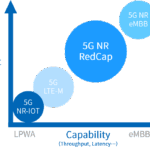
| Power Efficiency | Optimized for low-power IoT (via 5G RedCap) | Higher power consumption for IoT |
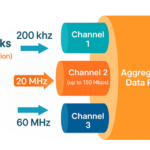
At its core, a 5G modem uses advanced technologies like 4×4 MIMO (Multiple Input Multiple Output) to boost signal strength and reduce interference, carrier aggregation to combine multiple frequency bands for faster speeds, and beamforming to direct signals toward connected devices for improved reliability. It also supports backward compatibility with 4G/LTE and 3G networks, ensuring seamless connectivity in areas with limited 5G coverage.
2) Key Features to Look for a 5G Cellular Modem
Not all 5G modems are created equal. To maximize performance for your specific use case, prioritize these critical features:
1. Network Compatibility & Band Support
Dual/5G NSA/SA Mode: Ensure the modem supports both Non-Standalone (NSA) (paired with 4G core) and Standalone (SA) (5G core) networks for future-proofing.
Regional Band Coverage: Verify support for bands used by carriers in your target region. For example:
North America: n41/n78 (Sub-6), n260/n261 (mmWave)
Europe: n1/n3/n7/n28/n78
Asia: n41/n78/n79
eSIM Support: Built-in eSIM eliminates the need for physical SIM cards, ideal for compact devices and remote deployments.
2. Form Factor & Interface
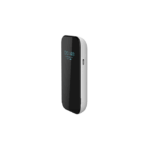
USB Dongles: Plug-and-play, portable, perfect for laptops, Raspberry Pi, or temporary setups.
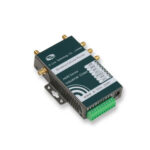
M.2/PCIe Modules: Embedded in industrial routers, IoT gateways, or single-board computers for stable, long-term deployments.
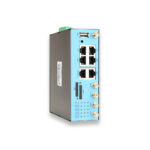
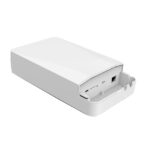
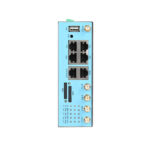
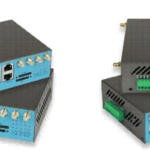
DIN-Rail Mountable: Designed for industrial environments, with rugged enclosures to resist dust, moisture, and vibration.
3. Performance & Reliability
Power Class 1 (PC1): For outdoor/weak-signal scenarios, PC1 modems deliver 31 dBm transmit power, improving coverage and reducing blind spots.
Dual SIM (DSDS): Switch between carriers for redundancy, ensuring uninterrupted connectivity.
GNSS Positioning: Built-in GPS/BDS/Galileo for asset tracking and location-based services.
4. Security & Firmware
End-to-End Encryption: Protects data transmission from eavesdropping and cyber threats.
FOTA (Firmware Over-the-Air): Remote updates to fix bugs, patch vulnerabilities, and add new features.
Firewall & VPN Support: Critical for industrial and business deployments to secure remote access.
3) Typical Use Cases for 5G Cellular Modems
5G modems are versatile, catering to diverse scenarios across consumer, business, and industrial sectors. Here are the most impactful applications:
1. Home & Residential Use
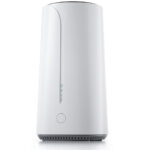
5G Home Internet: Replace traditional broadband with a 5G modem-router combo, offering up to 1 Gbps speeds without laying cables. Ideal for rural areas or renters.
Smart Home Backup: Ensure connectivity during broadband outages for security cameras, smart thermostats, and voice assistants.
On-the-Go Connectivity: Portable 5G modems power laptops, tablets, and hotspots for travel, outdoor events, or camping.
2. Small Business & Retail
Pop-Up Shops & Events: Deploy 5G modems to provide high-speed Wi-Fi for attendees, enabling cashless payments and live streaming.
Remote Work Hubs: Support distributed teams with reliable 5G connections for video conferencing, cloud collaboration, and file sharing.
IoT for Small Retail: Connect inventory trackers, self-checkout systems, and digital signage without relying on wired infrastructure.
3. Industrial & IoT Deployments
Industrial Automation: Power real-time monitoring of machinery, predictive maintenance systems, and AGVs (Autonomous Guided Vehicles) with sub-10 ms latency.
Outdoor IoT: Deploy sensors for agriculture (crop monitoring, irrigation), logistics (fleet tracking), and smart cities (traffic management) in harsh environments.
Private 5G Networks: Combine 5G modems with private network infrastructure (e.g., CBRS spectrum) for secure, low-latency connectivity in factories and mines.
Edge Computing: Enable edge devices to process data locally and transmit only critical insights via 5G modems, reducing bandwidth costs and latency.
4) How to Choose the Right 5G Cellular Modem
Selecting the best 5G modem requires aligning features with your use case. Follow these steps:
Step 1: Define Your Use Case & Requirements
Home User: Prioritize portability, Wi-Fi 6 support, and budget-friendly options (e.g., USB modems with hotspots).
Business: Look for dual SIM, VPN, and remote management capabilities (e.g., DMS for device monitoring).
Industrial: Choose rugged, pre-certified modems (PTCRB, carrier-approved) with IP67/IP68 ratings and wide temperature tolerance (-40°C to 75°C).
Step 2: Verify Network Compatibility
Check carrier coverage maps to ensure your target region has 5G SA/NSA coverage.
Confirm the modem supports bands used by local carriers (e.g., n78 for most global regions).
For cross-border use, opt for modems with multi-band support to avoid switching devices for different countries.
Step 3: Evaluate Hardware Specifications
Speed: For 4K streaming/gaming, choose modems with ≥500 Mbps download speeds; for industrial IoT, ≥100 Mbps suffices.
Power: Industrial deployments require 9–30 VDC input with surge protection; portable setups need USB-C power and low power consumption.
Antennas: External antennas boost signal strength—critical for outdoor/indoor weak-signal areas.
Step 4: Assess Security & Support
Ensure the manufacturer offers regular firmware updates and technical support.
Look for built-in security features like WPA3 encryption, firewalls, and secure boot.
For industrial use, confirm compliance with industry standards (e.g., IEC 60945 for marine applications).
5) Common Challenges & Solutions for 5G Modem Users
Despite their advantages, 5G modems come with challenges. Here’s how to overcome them:
1. Limited 5G Coverage in Rural Areas
Challenge: 5G signals are sparse in remote locations, leading to slow speeds or no connectivity.
Solution: Choose modems with 4G/LTE fallback and high transmit power (PC1) to maintain reliable connections on 4G networks. Install external high-gain antennas to boost signal reception.
2. High Initial Costs
Challenge: 5G modems are pricier than 4G models, and data plans may cost more.
Solution: Opt for 5G RedCap modems, which offer 5G speeds at 30–50% lower costs than full 5G modems, ideal for IoT deployments. Compare data plans from regional carriers to find budget-friendly options.
3. Integration Complexity
Challenge: Embedding 5G modems into existing systems (e.g., industrial PCs, Raspberry Pi) requires driver setup and configuration.
Solution: Use plug-and-play USB modems for simple setups. For industrial deployments, choose pre-certified, integrated solutions that skip complex carrier certification processes. Follow manufacturer guidelines for driver installation and APN configuration.
4. Security Risks
Challenge: 5G’s expanded attack surface increases risks of cyberattacks and data breaches.
Solution: Enable firewalls and VPNs, use strong passwords, and update firmware regularly. Isolate 5G-connected devices from sensitive networks to prevent unauthorized access.
6) FAQs About 5G Cellular Modems
Q1: What is the difference between a 5G modem and a 5G modem-router?
A 5G modem only connects to the cellular network and converts signals to data, while a 5G modem-router includes a built-in router to distribute the connection via Wi-Fi/Ethernet. Many consumer devices combine both functions into one unit.
Q2: Can I use a 5G modem without 5G coverage?
Yes—most 5G modems support fallback to 4G/LTE networks, ensuring connectivity in areas with limited 5G coverage. However, you won’t experience 5G’s full speed and low latency.
Q3: Do 5G modems require external antennas?
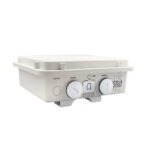
Not always. Compact USB modems often have internal antennas, but external antennas significantly improve signal strength, especially in rural or indoor weak-signal areas. For industrial outdoor deployments, IP67/IP68-rated external antennas are recommended.
Q4: How much power do 5G modems consume?
Power consumption varies by form factor: USB modems use 5–10 W, while industrial modules use 10–30 W (with PoE support for long-distance deployments). 5G RedCap modems are more energy-efficient, making them ideal for battery-powered IoT devices.
Q5: Are 5G modems secure for industrial use?
Yes—industrial-grade 5G cellular modems include advanced security features like end-to-end encryption, firewalls, and secure boot. They also undergo rigorous testing (EMC, PTCRB) to resist interference and cyber threats. Regular firmware updates are critical to maintaining security.
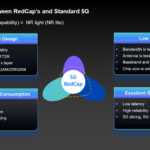
Q6: What is 5G RedCap, and how does it differ from full 5G?
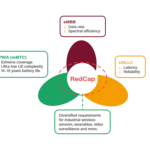
5G RedCap (Reduced Capability) is a cost-effective 5G variant designed for IoT devices. It offers lower speeds (≤100 Mbps) and reduced power consumption compared to full 5G, making it ideal for sensors, trackers, and low-bandwidth applications.
7) Future of 5G Cellular Modems: What to Expect in 2027–2030
The 5G modem market is evolving rapidly, with key trends shaping its future:
5G-A Integration: Upcoming 5G-Advanced modems will support AI-driven network optimization, ultra-high-speed mmWave, and holographic communication.
6G Readiness: Modems will include backward compatibility with 6G networks, ensuring long-term investment value.
AI-Powered Management: Modems will use AI to auto-select optimal networks, predict signal issues, and optimize power usage.
Expanded IoT Support: 5G RedCap modems will dominate IoT deployments, enabling 10x more connected devices at lower costs.
Conclusion
5G cellular modems are no longer just “fast 4G modems”—they are the foundation of a connected future, powering everything from smart homes to industrial automation. By understanding your use case, prioritizing key features, and addressing common challenges, you can select the perfect 5G modem to stay linked, productive, and competitive in 2026 and beyond. Whether you’re a casual user or an industrial engineer, the right 5G modem will transform how you connect, work, and innovate.
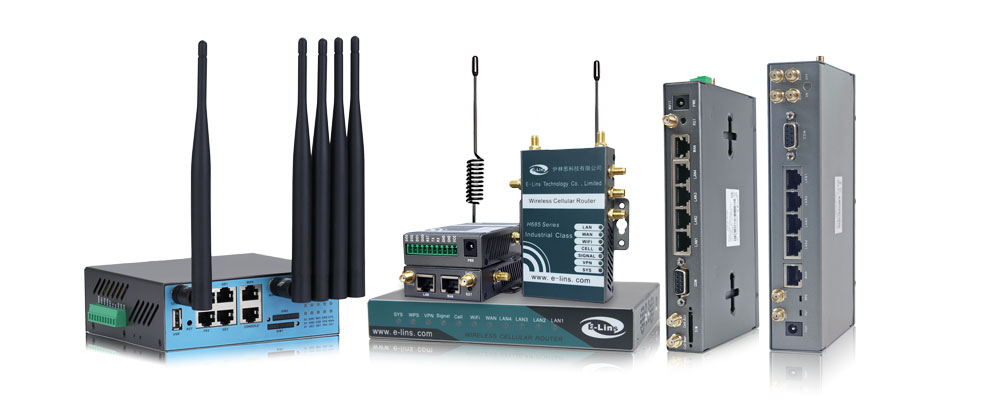
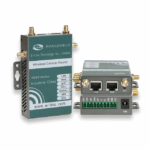
Are you sourcing an industrial 5g cellular modem? E-Lins will be an excellent choice for you. Founded since 1999, specialized on manufacturing industrial 5g cellular modems.