



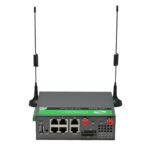
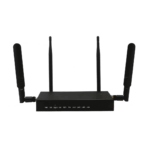
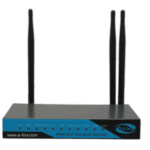
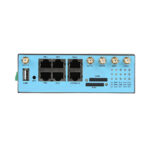
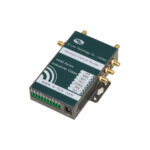
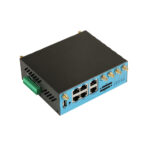
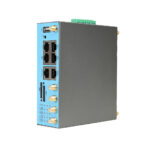




































1)Introduction:
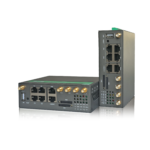
The market for industrial routers is vast, with options ranging from basic models to highly sophisticated devices. Selecting the wrong one can lead to network vulnerabilities, unexpected downtime, and costly replacements down the line. This blog serves as a comprehensive buyer’s guide, walking you through the essential features and specifications you must consider to make an informed decision that aligns with your operational needs and future growth strategy.

2) Define Your Operating Environment
The physical environment is your starting point. This will dictate the required ruggedness.
Temperature & Humidity: Will the router be installed in a freezer, a foundry, or an outdoor cabinet? Check the operating temperature and humidity range.
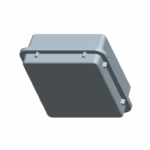
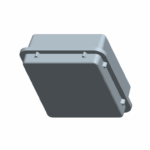
Enclosure Rating (IP Code): Look for the IP (Ingress Protection) rating.
IP31: Protected against solid objects larger than 2.5mm and dripping water. Suitable for some indoor cabinets.
IP54: Protected against dust and water splashes from any direction. Good for most industrial floors.
IP67: Dust-tight and protected against immersion in water up to 1 meter. Essential for harsh outdoor or wash-down environments.
EMC & Vibration: Ensure the router complies with industrial Electromagnetic Compatibility (EMC) standards (like EN 55032) and can withstand constant vibration if mounted on heavy machinery or vehicles.
3)Assess Your Connectivity Requirements
How will the router connect to the wider network and to local devices?
WAN (Wide Area Network) Connectivity:
Ethernet WAN: Standard for fixed sites with a reliable wired internet connection.
Cellular WAN (4G/5G): Essential for redundancy, mobility, or primary connectivity at remote sites.
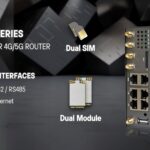
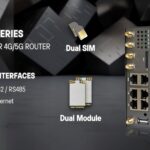
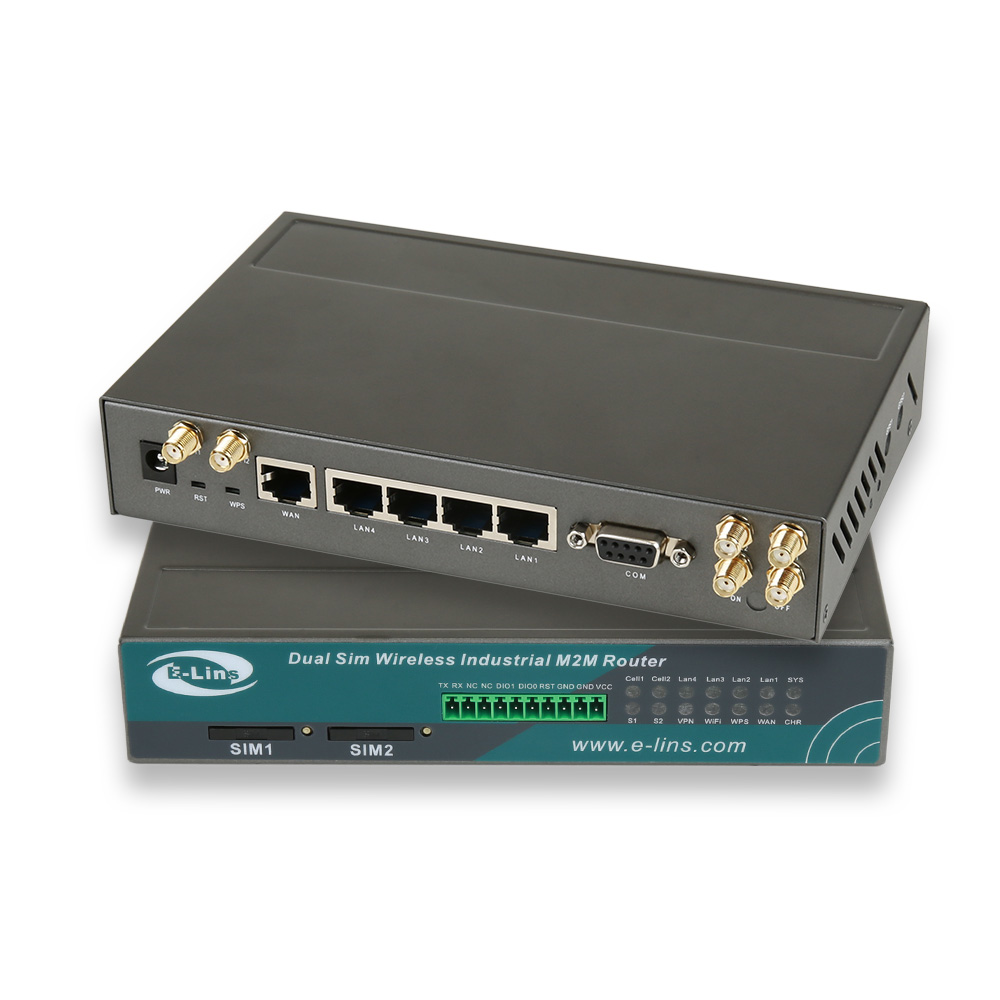
Dual SIM: Provides redundancy not just for power, but for cellular carriers as well.
LAN (Local Area Network) Connectivity:
Switch Ports: How many devices need to be connected via Ethernet? Are multiple Gigabit ports needed for bandwidth-intensive devices like IP cameras?
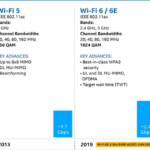
Wi-Fi: Do you need to provide wireless access for handheld scanners, tablets, or guest networks? If so, look for dual-band Wi-Fi and features like WPA3 security.
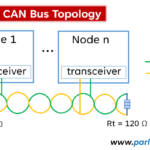
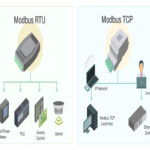
Serial Ports (RS232/485): Critical for connecting to legacy industrial equipment like PLCs, HMIs, and sensors that haven’t been upgraded to Ethernet.
4)Scrutinize the Software and Security Features
The hardware is only half the story. The operating system and software features determine the router’s intelligence and security.
Firewall: A stateful packet inspection (SPI) firewall is non-negotiable. It controls traffic between your OT and IT networks, blocking unauthorized access.
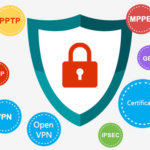
VPN (Virtual Private Network): This is crucial for secure remote access and site-to-site communication.
IPsec: A standard for site-to-site tunnels.
OpenVPN: A flexible SSL VPN great for remote client access.
WireGuard: A modern, high-performance, and secure VPN protocol gaining rapid adoption.
Quality of Service (QoS): Allows you to prioritize critical traffic (e.g., SCADA commands, voice) over less important traffic (e.g., file backups), ensuring performance for mission-critical applications.
Management Protocols: How will you manage the device?
Web GUI: User-friendly for single devices.
CLI (Command Line Interface): For advanced users and scripting.
TR-069 / Cloud Management: Absolutely essential for managing large fleets of devices efficiently.
5)Consider Long-Term Value and Support
Lifecycle Management: How long will the manufacturer guarantee product availability and support? Industrial projects often have lifespans of 10+ years.
Firmware Updates: Regular firmware updates are vital for patching security vulnerabilities and adding new features. Choose a vendor with a proven track record of long-term support.
Warranty and Technical Support: A strong warranty and accessible, knowledgeable technical support can save you from major headaches during deployment and operation.
Conclusion: An Informed Decision is a Smart Investment
An industrial router is a long-term investment in your network’s backbone. By systematically evaluating your needs against the four key areas of Environment, Connectivity, Software, and Support, you can move beyond a simple spec sheet comparison. You will be empowered to choose a device that not only works today but will also scale, adapt, and protect your operations for years to come, truly building a future-proof foundation for your digital transformation.
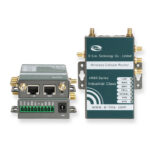
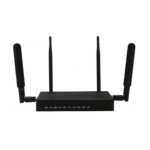
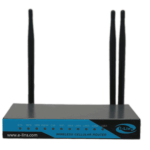
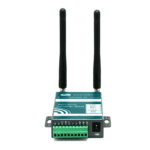
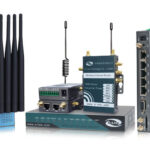
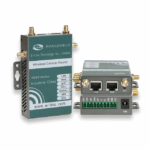
You can consider E-Lins, a 4G Router & 5G Router Manufacturer since 2005, owing some excellent IoT 4G Routers & 5G Routers.