


























































































MQTT 3.1.1 was a resounding success, but the IoT landscape evolved, demanding more sophistication. Enter MQTT 5.0, a significant revision focused on enhancing scalability, diagnostics, and flexibility for complex enterprise and industrial IoT systems. While fully interoperable with 3.1.1 at the protocol level, 5.0 introduces features that make development easier and systems more robust.
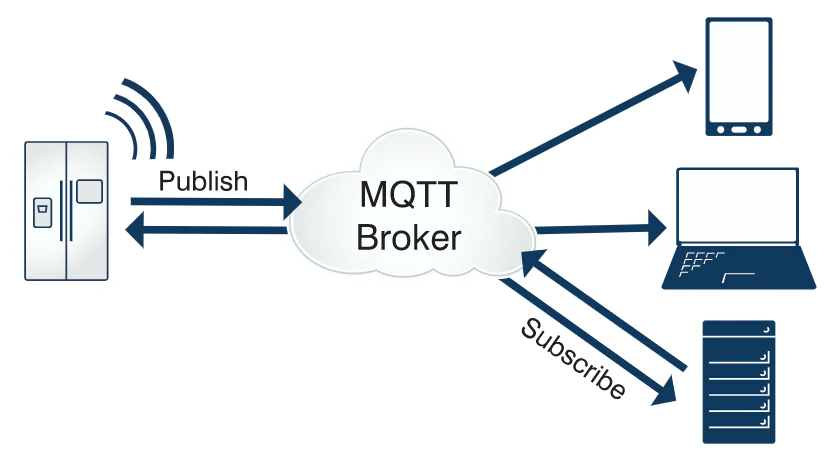
Key Enhancements in MQTT 5.0:
- Enhanced Session Management & Reason Codes: Gone are the days of cryptic disconnections. Every acknowledgment packet (CONNACK, PUBACK, DISCONNECT) now includes a Reason Code (e.g., “Quota exceeded,” “Topic name invalid”). This allows for precise debugging and client-side recovery logic.
- Message Expiry: A publisher can now set an expiry interval in seconds. If a message isn’t delivered to a subscriber within that time (e.g., because it was offline), the broker will discard it. This prevents sending stale “turn on the pump” commands from hours ago.
- Topic Aliases: For long topic names (e.g., tenant/usa/plant/chicago/line5/oven/temp), repeatedly sending the string wastes bandwidth. MQTT 5.0 allows a client and broker to agree on a short numeric alias (e.g., 1) for that topic on a given connection, drastically reducing payload size.
- Shared Subscriptions: The Load-Balancing Game-Changer. This is a flagship feature for scalable consumers. In standard pub/sub, all subscribers to a topic get every message. With a Shared Subscription ($share/group1/topic), messages are distributed round-robin among the subscribers in the group. This allows you to horizontally scale back-end message processors without duplicating work. Perfect for cloud microservices consuming a high-volume data stream.
- User Properties: Add custom metadata (key-value pairs) to most MQTT packets. This is incredibly flexible—you could add a correlationId for tracing, a content-type hint, or application-specific flags without polluting the topic or payload.
- Flow Control & Quotas: Servers can now inform clients of their Receive Maximum (the number of unacknowledged QoS 1/2 messages they can handle) and set quotas on topics or message size. This provides better back-pressure management, preventing fast publishers from overwhelming slow subscribers or the broker.
Practical Impact: Why Should You Upgrade?
- For Device Developers: Better diagnostics (reason codes) and efficiency (topic aliases).
- For Backend Developers: Shared subscriptions enable effortless scaling of consumers. User properties add powerful extensibility.
- For System Architects: Features like message expiry and flow control lead to more predictable, manageable, and clean systems.
Migration Path: MQTT 5.0 is backward-compatible in the network sense—a 5.0 broker can handle 3.1.1 clients. The journey starts with upgrading your brokers and libraries, then gradually leveraging new features in new clients or services.
MQTT 5.0 is not just an incremental update; it’s a mature evolution of the protocol designed for the next decade of large-scale, business-critical IoT. By adopting its features, you build systems that are easier to debug, more efficient, and fundamentally more scalable.
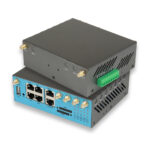
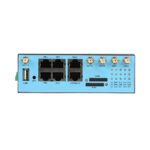
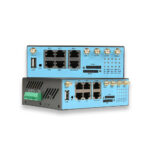
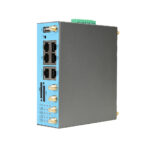
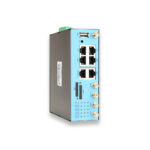
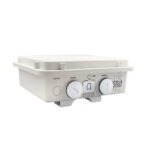
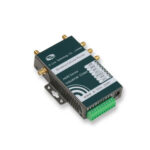
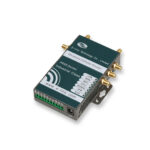
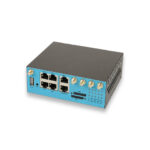
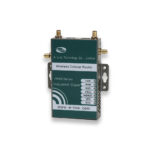
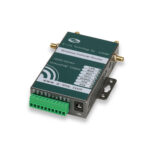
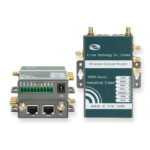
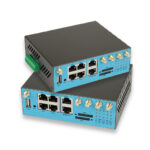
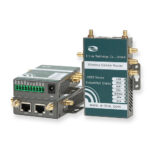
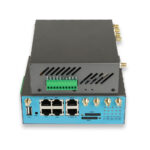
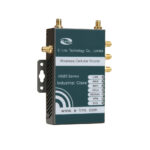
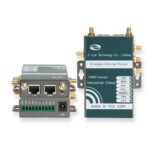
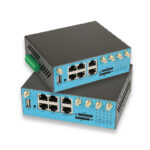
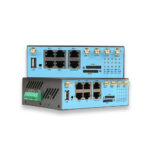
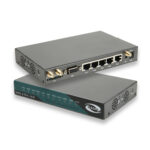
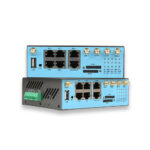
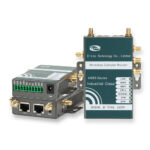
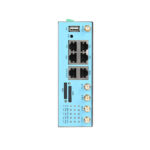
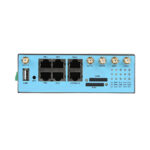
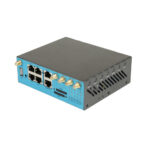
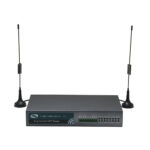
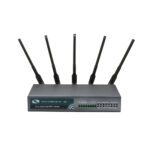
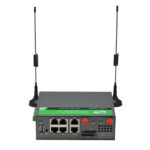
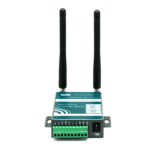
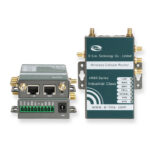
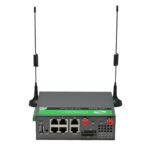
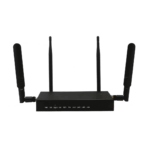
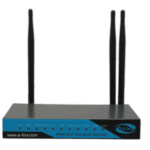
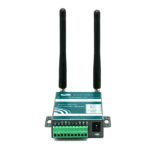
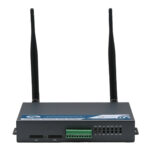
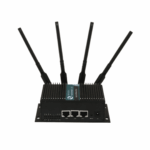
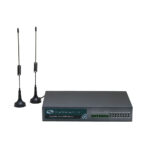
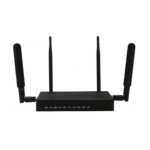
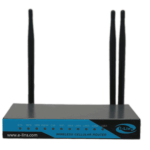
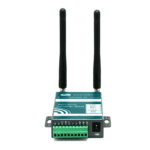
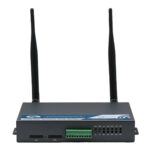
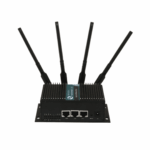
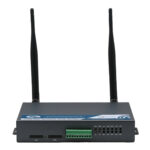
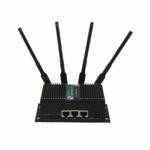
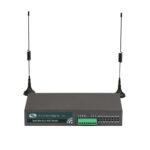
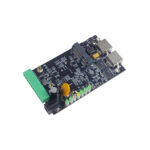
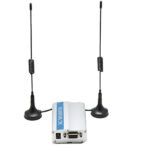
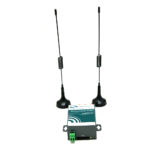
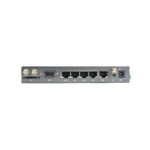
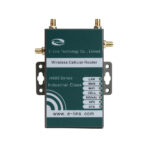
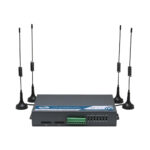
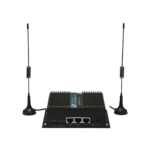
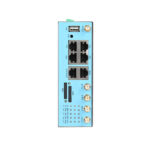
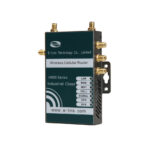
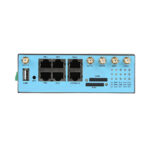
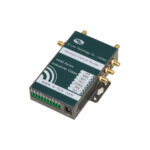
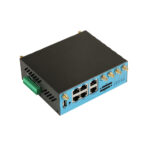
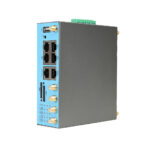
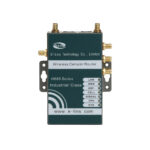
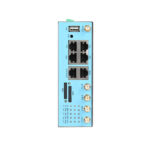
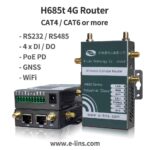
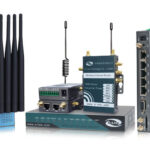
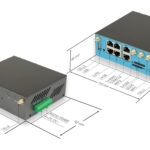
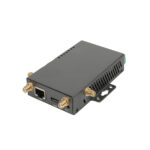
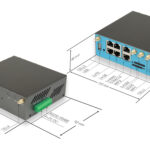
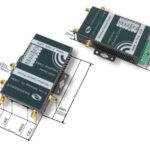
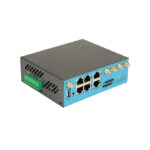
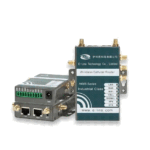
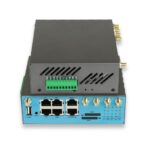
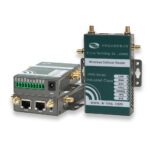
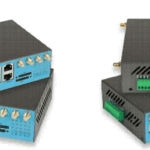
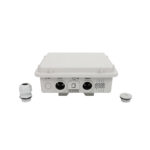
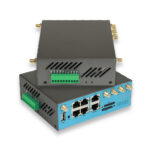
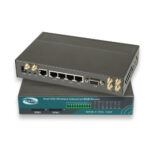
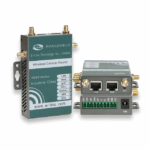
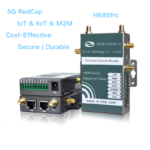
Where can find a IoT Router with MQTT? E-Lins will be a good choice for your IoT Applications; as for China best 4G/5G Router Manufacturer, providing many excellent 4G/5G Routers since 1999.