




































































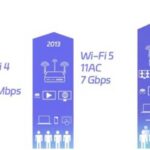







Wi-Fi 6 is still rolling out globally, but the wheels of innovation never stop. The future of wireless is already taking shape with Wi-Fi 6E and the early specifications for Wi-Fi 7 (802.11be). Understanding this evolution helps us see where our connected world is headed.
Wi-Fi 6E: The “E” is for “Extended”
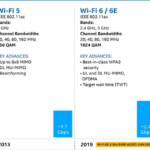
This is the most immediate next step. Wi-Fi 6E is not a new standard; it’s Wi-Fi 6 operating on a brand-new frequency band: 6 GHz.
- The Game Changer: While Wi-Fi 6 uses the crowded 2.4 GHz and 5 GHz bands, the 6 GHz band offers up to 1,200 MHz of additional spectrum. Think of it as opening up a vast, empty superhighway right next to the congested city roads we currently use.
- Benefits: This means seven additional 160 MHz wide channels available. No overlap, no interference from older Wi-Fi 4/5 devices, Bluetooth, or microwaves. The result is pristine, ultra-fast, ultra-low-latency connections perfect for 8K streaming, high-fidelity VR/AR, and massive file transfers.
- The Catch: You need both a Wi-Fi 6E router and Wi-Fi 6E client devices. It’s a clean-slate technology. Regulatory approval also varies by country, though most major markets have now opened the band.
Wi-Fi 7 (802.11be): The True Successor
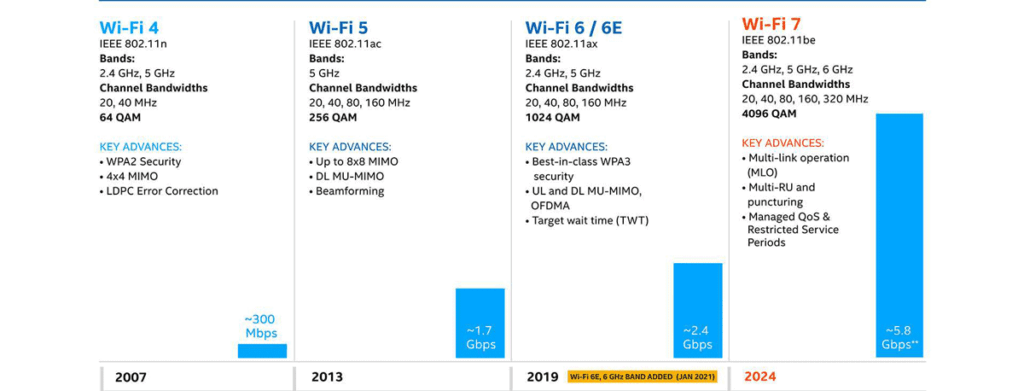
Expected to be finalized in 2024-2025, Wi-Fi 7 builds upon Wi-Fi 6/6E and promises another monumental leap. Its key proposed features include:
- Extremely High Throughput (EHT):
- Target speeds are a mind-boggling 40 Gbps+, over four times faster than Wi-Fi 6’s peak.
- 320 MHz Channel Width: Doubling the maximum channel width of Wi-Fi 6E, using the 6 GHz band to create data superhighways.
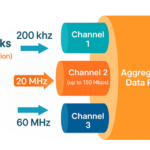
- Multi-Link Operation (MLO): This is the headline feature. A Wi-Fi 7 device could connect to a router simultaneously across multiple bands (e.g., 5 GHz and 6 GHz). It can aggregate these links for insane speed or use them for redundancy and ultra-reliable low latency—imagine a video call that never drops because it switches bands seamlessly.
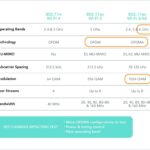
- 4K QAM: An even more dense modulation scheme than Wi-Fi 6’s 1K QAM, squeezing 20% more data into each signal.
What Does This Future Enable?
- Frictionless AR/VR & The Metaverse: Wi-Fi 6E/7 will provide the wireless backbone needed for untethered, high-resolution virtual and augmented reality experiences, making the vision of a pervasive “metaverse” more technically feasible.
- Wireless Everything: The distinction between wired and wireless will blur further. Professional applications like video editing in 8K, cloud gaming with no perceptible lag, and real-time industrial automation will be possible over Wi-Fi.
- Smarter Spaces: Ubiquitous, high-capacity, low-power Wi-Fi will allow for hundreds of sensors in smart cities, factories, and homes, creating truly intelligent environments.
The Upgrade Path: A Practical View
- Today: For most, a Wi-Fi 6 system is the perfect, future-aware upgrade. It handles modern demands brilliantly.
- For Early Adopters & Power Users: If you have a bleeding-edge VR headset, a 10 Gbps internet connection, and the latest gadgets, a Wi-Fi 6E router prepares you for the next wave of devices.
- Looking Ahead: Wi-Fi 7 devices will start appearing in 2024, but mainstream adoption is likely late this decade. The evolution from Wi-Fi 6 to 6E to 7 will be more incremental than revolutionary for everyday users, focusing on refining capacity and reliability.
Wireless connectivity is becoming faster, smarter, and more pervasive. Wi-Fi 6 is the solid foundation for today. Wi-Fi 6E opens a new frontier of spectrum, and Wi-Fi 7 promises to weave our digital and physical worlds together with unprecedented speed and reliability.
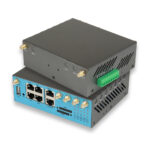
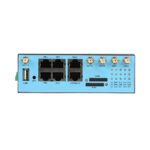
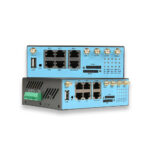
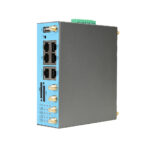
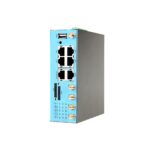
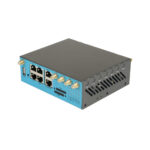
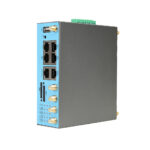
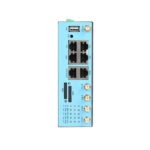
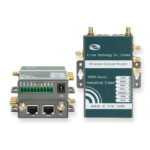
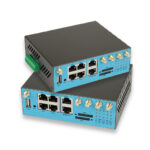
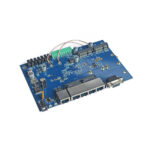
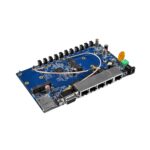
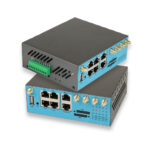
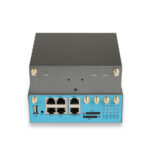
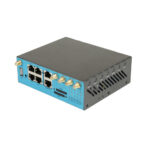
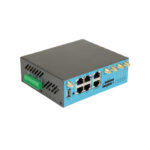
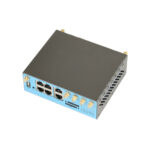
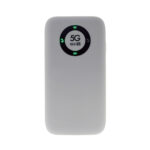
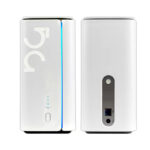
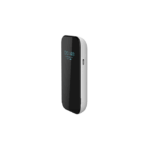
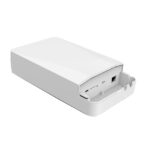
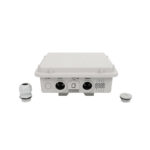
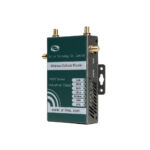
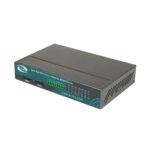
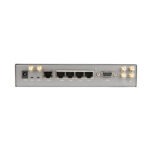
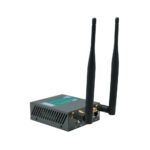
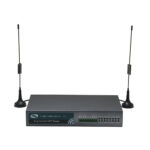
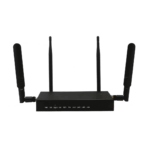
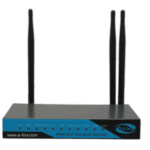
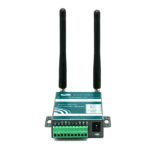
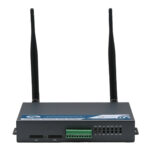
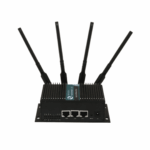
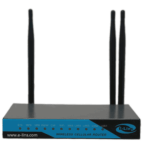
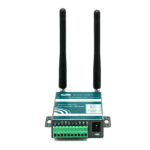
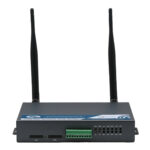
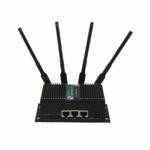
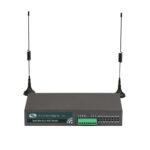
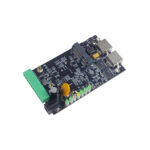
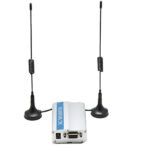
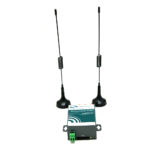
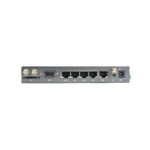
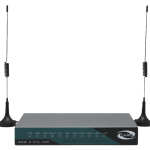
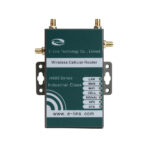
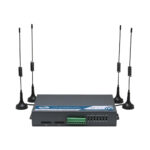
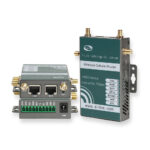
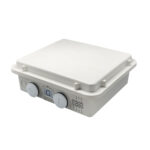
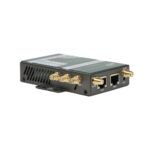
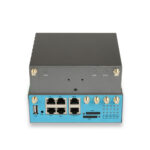
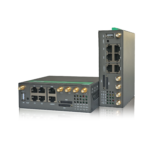
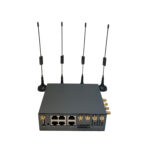
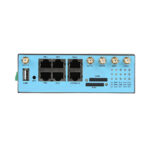
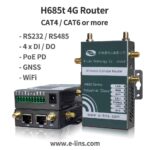
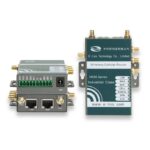
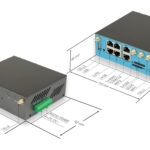
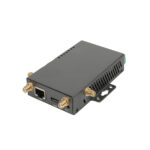
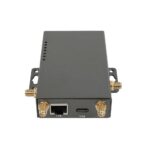
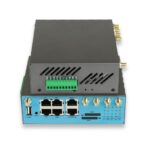
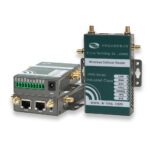
Which manufacturers 4G Router & 5G Router with Wi-Fi 7? E-Lins is surely one of them; if you have interests, please check with E-Lins.