

































































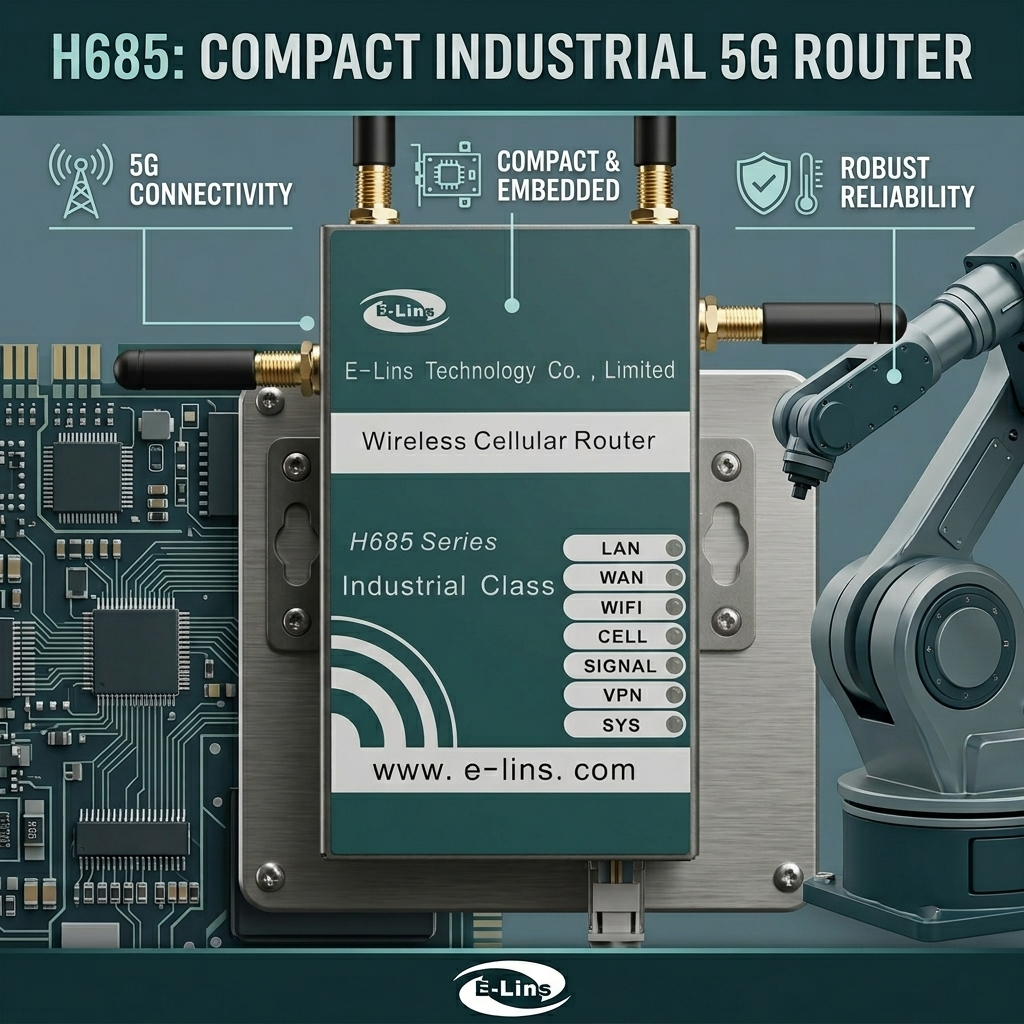
When an embedded product or OEM system needs 5G cellular access, the router specification cannot start from peak throughput. It must start from physical size, interface compatibility, power input, operating environment, and long-term maintenance — because these factors determine whether the deployment is possible, not just whether it is connected.
What Is a Compact Industrial 5G Router for Embedded Systems?
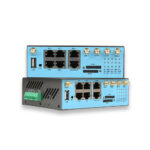
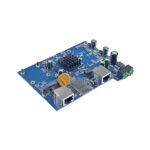
A compact industrial 5G router is a small-form-factor cellular gateway designed to fit inside another product, panel, enclosure, or vehicle platform rather than stand alone on a wall or desk. In practice, it provides 5G connectivity, local LAN routing, VPN access, serial integration, and remote management — inside a housing small enough to be embedded directly into the host system.
For OEM developers, machine builders, and system integrators, this distinction matters. A standard industrial router assumes it will be installed in a cabinet beside other equipment. A compact embedded router is designed to become part of the product itself. Therefore, its physical dimensions, power input range, mounting method, connector orientation, and thermal tolerance are selection factors that are just as important as the cellular specification.
In many embedded projects, the 5G router is invisible to the end user. It sits inside a kiosk, vending machine, vehicle display unit, remote monitoring terminal, energy controller, or smart gateway — providing secure cellular connectivity while the host system manages the application, user interface, and service logic. The right 5G router for OEM embedded devices must therefore be selected based on integration requirements, not only on network performance.
Simple explanation: a standard router connects field devices to a network. A compact embedded router connects the product itself to a network — from inside the product. The selection criteria are therefore different: size, power, thermal tolerance, and integration method come first, before protocol and throughput.
Quick Decision Checklist Before Buying
Before selecting a compact industrial 5G router for an embedded project, confirm the following. In embedded deployments, mistakes are more costly than in standard field installations — the router may need to be removed from an assembled product for replacement, which can mean a full unit recall.
- What are the available internal dimensions of the host enclosure, and what mounting method is required — PCB mount, bracket, DIN rail, or adhesive?
- What is the DC power supply available inside the host product — 5 V, 12 V, 24 V, 48 V, or vehicle power rail?
- Which interfaces must the router present to the host system — Ethernet, RS232, RS485, USB, DI/DO, or a combination?
- Does the deployment region have stable 5G coverage, or is 4G LTE fallback required for product reliability?
- What is the operating temperature range of the host product installation environment?
- How will the SIM be managed — fixed SIM per unit, remote eSIM provisioning, or field-replaceable card by the end customer?
- What is the VPN, APN, and remote access architecture for ongoing device management after product deployment?
Why Form Factor Matters in Embedded 5G Projects
In a standard remote site deployment, a router can be any size that fits a DIN-rail cabinet. In an embedded product, every millimeter of internal volume is allocated. A module that is too large may prevent the enclosure from closing, block a heat vent, interfere with another board, or require a custom bracket that adds cost and assembly time.
Therefore, compact form factor is not a cosmetic preference in embedded design. It is an integration constraint. The router must physically fit within the available space, connect to the available power rail, reach the antenna mounting point with an appropriate cable run, and not generate more heat than the enclosure’s passive cooling can manage.
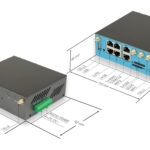
In practice, this means that OEM buyers should request the exact outer dimensions, mounting hole pattern, connector clearance requirements, and antenna port locations of the router — before finalizing enclosure design. Waiting until after mechanical design is complete frequently causes expensive revision cycles. A mini 5G router for industrial IoT integration that arrives at the prototype stage and does not fit the enclosure means a redesign at precisely the most costly point in the product development cycle.
Antenna Integration in Compact Installations
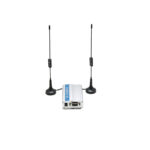
Antenna placement is the most commonly overlooked detail in compact embedded 5G router projects. Internal antennas placed adjacent to metal chassis components, battery packs, or dense PCBs can lose 10–20 dB of effective gain. External SMA or RP-SMA connectors on the router allow antenna cables to reach the outside of the enclosure, where signal quality can be maintained.
For vehicle or mobile installations, external antenna routing should also account for mechanical vibration, cable bending radius, and connector retention under shock conditions. A router may pass bench testing but fail in the field due to antenna cable fatigue after months of vibration.
Important: a compact router inside a sealed metal enclosure without an external antenna path will typically show poor signal quality. External SMA antenna connectors are not optional for embedded metal-case installations — they are a required design element. Confirm antenna port count, connector type, and cable routing before finalizing enclosure design.
Key Features for Embedded 5G Router Selection
An embedded 5G router must meet the functional requirements of the host product and the environmental demands of the installation site. Neither alone is sufficient. A router with all the right cellular features but the wrong power input range or wrong temperature tolerance will not survive embedded deployment.
1. Wide-Voltage DC Power Input
Industrial embedded systems use varied power rails. Automotive and transportation products often run on 12 V or 24 V vehicle power that can spike to 40 V or higher during load events. Industrial panel equipment may use 24 V or 48 V DC. Therefore, a compact industrial 5G router with a wide-voltage input range — covering 5 V to 40 V or 5 V to 60 V DC — accommodates most embedded power architectures without a separate DC-DC converter.
Dual power input with automatic failover is particularly valuable in embedded products where power supply redundancy is a reliability requirement. If the primary supply drops, the router stays online from the secondary input without resetting the cellular connection.
2. Operating Temperature Range
Consumer routers are typically rated to +70 °C maximum. Many industrial enclosures, vehicle compartments, outdoor cabinets, and machine rooms exceed this, especially in summer or in regions with high ambient temperatures. An embedded router must match the thermal requirements of the host product’s rated operating environment. For automotive, transportation, and outdoor-facing embedded products, a rugged 5G router for harsh environment deployment rated from −35 °C to +75 °C provides the margin needed to handle cold starts, summer cabinet temperatures, and vehicle engine compartment heat without derating or failure.
3. Serial Interface for Legacy Device Integration
Many embedded systems communicate internally over RS232 or RS485 serial protocols rather than Ethernet. Sensors, displays, modems, meters, and peripheral controllers in embedded products often use serial links. A compact 5G router with an RS232 serial port allows the host system to exchange data over serial alongside cellular connectivity — without requiring a separate serial-to-Ethernet converter inside the enclosure.
4. DI/DO for Hardware Event Integration
Digital input and output ports allow the router to interact directly with hardware events in the host system. A DI pin can receive a signal from a door sensor, ignition line, tamper switch, or equipment status contact. A DO pin can trigger an alarm relay, alert indicator, or peripheral enable line. For embedded products that need cellular-connected hardware control, 4 × DI/DO ports on the router eliminate a separate I/O board.
5. 5G SA/NSA with 4G LTE Fallback
5G coverage continues to expand, but embedded products must function reliably across all deployment regions — including sites where 5G is not yet available. A compact industrial 5G router supporting both 5G SA (Standalone) and 5G NSA (Non-Standalone), with automatic 4G LTE fallback, ensures the product connects wherever the host system is deployed without manual reconfiguration. For OEM products sold across multiple countries, multi-band support covering major LTE and 5G NR frequencies is also necessary.
6. VPN and Private APN for Secure Fleet Management
Embedded products deployed in volume — kiosks, vending machines, vehicles, remote terminals — need a secure and scalable remote access architecture. VPN tunnels prevent field devices from being exposed on the public internet. Private APN allows the operator to manage all deployed units on a controlled network plane. For OEM applications, the router should support VPN client operation — connecting outbound to a central VPN concentrator — so that all deployed units are reachable through a single managed infrastructure without requiring inbound connections through carrier NAT.
7. Remote Management and Watchdog Recovery
An embedded router inside a deployed product cannot be accessed physically without disassembling the product. Therefore, remote management capability is not a convenience — it is a service cost control mechanism. Web UI, SSH, SNMP, TR-069, and a cloud NMS platform allow configuration changes, firmware updates, signal diagnostics, and VPN renegotiation without a field visit. Hardware watchdog recovery ensures the router reconnects automatically after cellular signal loss, SIM registration failure, APN timeout, or power interruption.
E-Lins H685f: A Compact 5G Router for Embedded Deployment
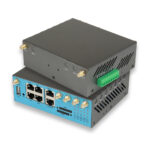
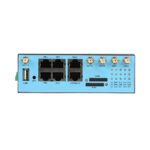
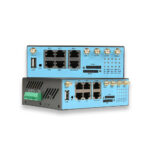
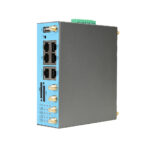
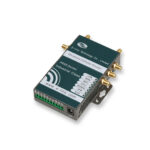
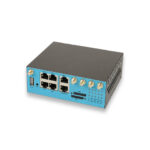
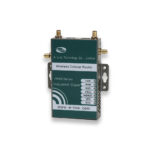
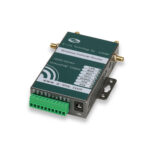
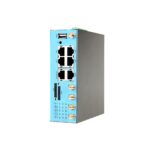
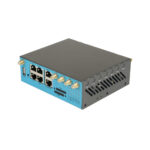
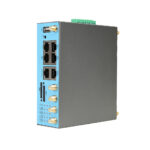
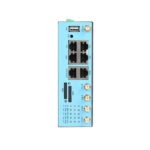
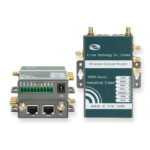
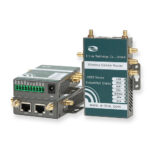
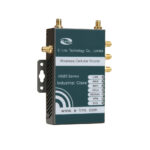
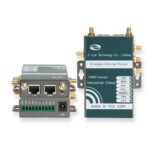
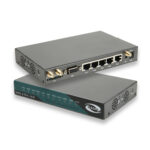
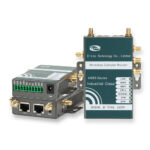
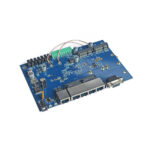
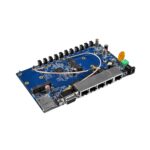
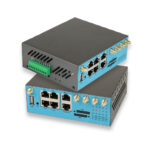
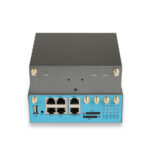
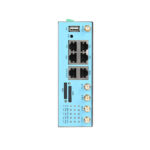
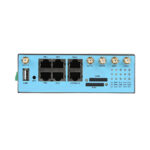
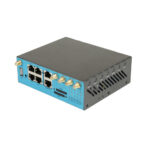
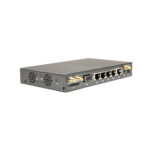
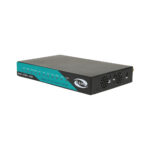
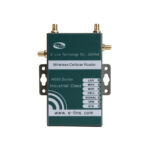
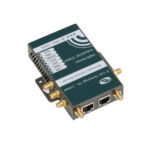
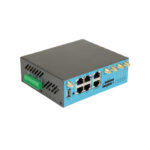
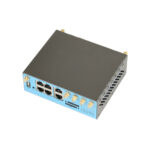
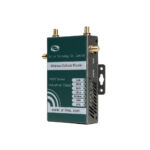
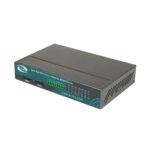
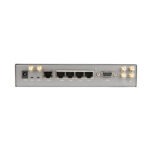
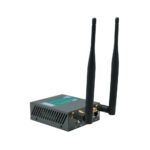
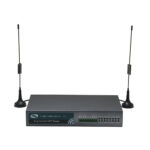
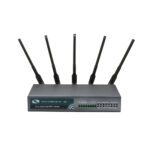
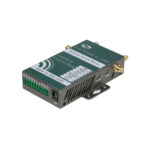
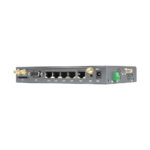
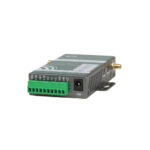
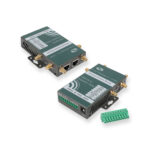
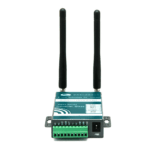
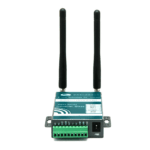
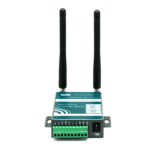
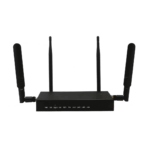
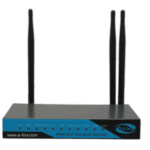
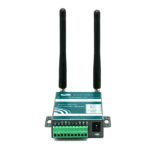
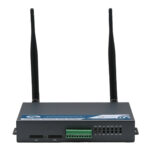
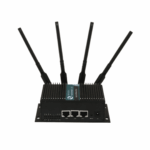
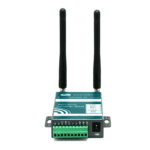
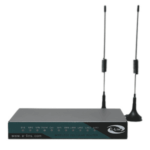
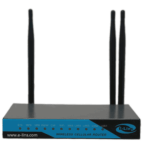
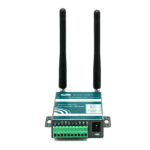
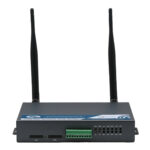
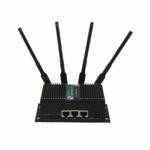
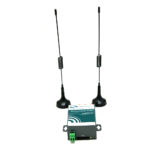
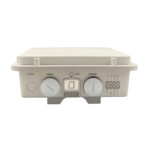
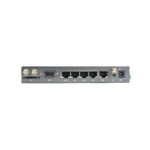
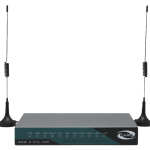
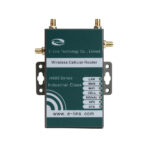
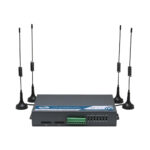
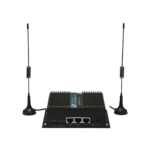
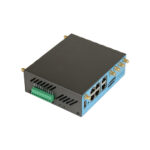
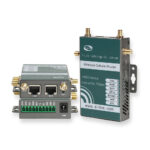
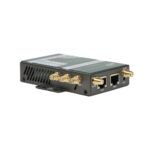
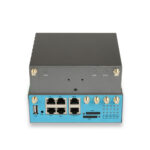
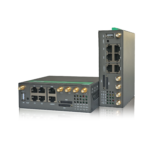
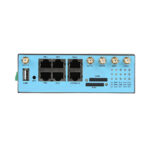
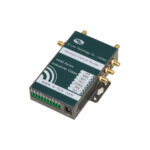
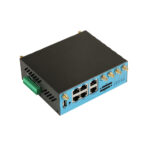
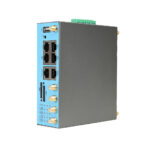
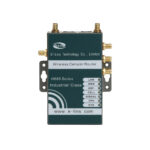
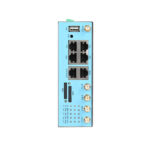
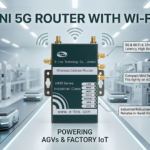
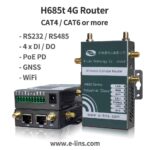
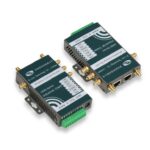
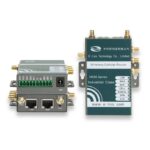
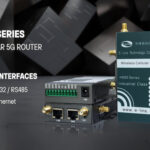
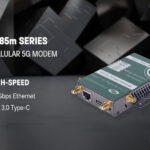
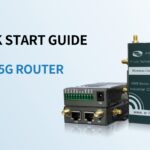
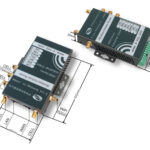
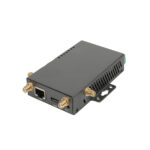
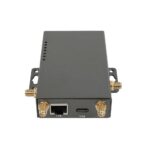
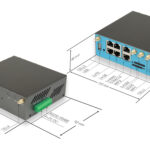
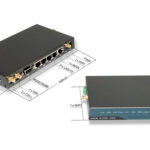
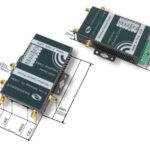
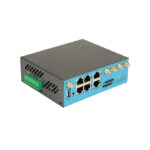
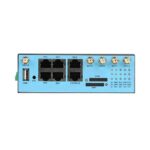
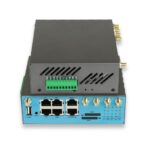
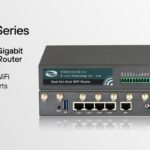
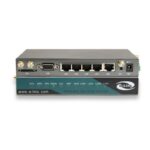
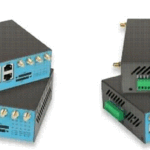
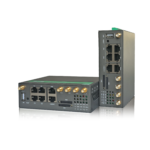
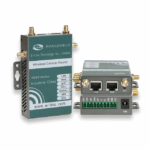
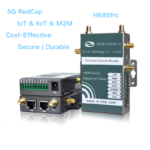
The H685f is E-Lins’ compact industrial 5G router designed specifically for IoT, M2M, and embedded applications where size, interface density, and operational reliability matter. Its super-mini form factor makes it suitable for integration inside enclosures, panels, vehicle compartments, and OEM equipment.
E-Lins H685f Industrial 5G Router
Compact, ruggedized 5G cellular router with Gigabit Ethernet, RS232, DI/DO, PoE In, wide-voltage DC input, and full VPN support. Designed for embedded IoT and in-vehicle applications requiring 7×24 h reliable connectivity in challenging environments.

Why the H685f Fits Embedded Projects
Several specifications of the H685f directly address the constraints of embedded deployment. The super-mini size reduces internal volume requirements. The 5–40 V DC wide-voltage input (with optional 60 V range) accommodates automotive, vehicle, panel, and industrial power rails without external regulation. The dual power input with failover keeps the cellular connection online if one supply drops.
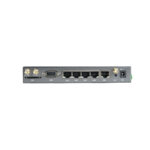
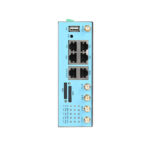
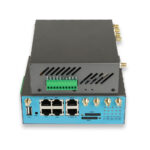
The RS232 serial port and 4 × DI/DO ports mean that common embedded peripheral devices — serial sensors, display controllers, hardware event lines — can connect directly to the router without additional conversion hardware inside the enclosure. This simplifies BOM, reduces board count, and improves thermal management.
The alloy metal case with IP30 rating and shock and vibration tolerance makes the H685f suitable for in-vehicle installation, outdoor-facing enclosures, and machine-side mounting where vibration and temperature cycling are normal operating conditions. The three mounting options — DIN-rail, wall, and desktop — cover the major embedded installation configurations.
For OEM and ODM projects, E-Lins supports customization of the H685f, including firmware, labeling, and hardware configuration, to match the requirements of embedded product integrations.
Which Embedded Project Structure Fits Which Configuration?
The right compact industrial 5G router configuration for an embedded project depends on the power architecture, the physical integration constraints, the cellular coverage in the target deployment region, and the ongoing maintenance model for deployed units.
Single-Board Embedded Products
- Vending machines, kiosks, POS terminals, payment systems.
- Power typically 12 V or 24 V DC from internal supply.
- Ethernet to host board; DI/DO for status and alarm.
- VPN client to central fleet management platform.
- Watchdog essential — unit may not be rebooted by operator.
In-Vehicle and Mobile Installations
- Buses, trucks, trains, emergency vehicles, mobile command.
- Vehicle power rail: wide-voltage input required.
- External antenna routing to roof or exterior mount.
- GPS optional but valuable for fleet tracking.
- IKEv2 or OpenVPN for fast reconnect after cell handoff.
Remote Monitoring Terminals
- Weather stations, environmental monitors, utility meters.
- RS232 or RS485 for sensor and meter integration.
- Wide-temperature tolerance for outdoor enclosures.
- Low-power mode or sleep scheduling may be needed.
- Private APN for SCADA or platform connectivity.
OEM Gateway Products
- Custom industrial gateways, edge AI devices, smart controllers.
- Router embedded as a cellular module within a larger design.
- OEM/ODM firmware and hardware customization may apply.
- NMS platform for fleet-level configuration management.
- EN 18031 compliance relevant for EU market products.
Comparison: Compact Embedded Router vs Standard Industrial Router
| Selection Factor | Compact Embedded Router | Standard Industrial Router | Selection Logic |
|---|---|---|---|
| Form factor | Super-mini; designed for internal fitting | Larger; designed for panel or wall mounting | Confirm available internal space before specifying |
| Power input | Wide-range DC; covers vehicle and embedded rails | Wide-range DC, often higher minimum voltage | Match router input range to available supply |
| Interface density | Optimized: Ethernet, RS232, DI/DO, PoE In | Higher port count; RS485, multiple LAN ports | Check which interfaces the embedded product actually needs |
| Antenna ports | External SMA connectors for cable routing | External SMA connectors, sometimes more ports | Antenna cable routing to exterior surface is required in metal cases |
| OEM/ODM support | Often specifically supported | May be available but less commonly | Confirm with manufacturer before product integration |
| Vibration and shock | Rated for in-vehicle and machine mounting | Rated for panel cabinets, less focus on mobile | Confirm vibration spec against installation environment |
| Main deployment risk | Antenna placement and thermal management inside enclosure | May not fit in tight embedded spaces | Validate physical integration early in the design cycle |
Common Mistakes in Embedded 5G Router Projects
Selecting by Throughput Instead of Integration Constraints
Many embedded project teams begin 5G router selection by comparing download and upload speeds. In practice, few embedded applications are limited by peak throughput. The binding constraints are almost always physical: size, power input, temperature tolerance, connector type, and antenna routing. Selecting the fastest router that does not fit the enclosure or exceeds the thermal budget is a common and expensive mistake.
Using a Consumer or SOHO Router in an Industrial Product
Consumer routers are lower cost and widely available, which makes them attractive for prototype builds. However, they are rated for 0 °C to +40 °C in most cases, use power supplies calibrated for AC mains input rather than DC, and lack the watchdog recovery, industrial VPN, and SNMP management features that embedded IoT products need in production. Consumer hardware in a deployed industrial product typically results in failures within 6–18 months under real operating conditions.
Ignoring SIM Management Across a Deployed Fleet
A single prototype device with a SIM card is easy to manage. A fleet of 200 deployed units in different regions, each needing APN configuration, SIM replacement planning, and data plan management, is a different problem. Before finalizing the router selection, the SIM management architecture — physical SIM, eSIM, private APN, fixed IP, carrier region coverage — should be defined for the full deployment scale, not only for the initial units.
Testing VPN and Remote Access Only in the Office
VPN connectivity that works on an office bench with a test SIM card may fail in the field when the carrier uses carrier-grade NAT, the APN differs from the test plan, or the cellular signal is weaker inside the host enclosure. Remote access and VPN reconnection should be tested with the real deployment SIM, real APN, real antenna installation, and real signal conditions before the product goes to volume production.
Deferring Thermal Validation
A compact industrial 5G router inside a sealed enclosure generates heat that must be managed. If thermal validation is deferred until late in the product development cycle, the only remedies are enclosure redesign, forced airflow additions, or router repositioning — all of which are costly late in development. Thermal testing with the router inside the actual enclosure should occur early in the design process, not after mechanical design is frozen.
Application Scenarios for Compact Embedded 5G Routers
Compact industrial 5G routers appear across many embedded product categories. Each scenario has different priorities, but the common thread is that the router is part of a larger product rather than a standalone field device.

Smart Vending and Retail
Vending machines, digital signage kiosks, and smart retail terminals need cellular connectivity for payment processing, content updates, inventory reporting, and remote diagnostics.

Fleet and In-Vehicle Systems
Commercial vehicle telematics, passenger information systems, onboard cameras, and driver assistance platforms all require embedded cellular connectivity.

Energy and Utility Controllers
Smart inverters, energy storage controllers, EV charging stations, and substation RTUs increasingly embed cellular connectivity for SCADA communication.

Environmental and Industrial Monitoring
Weather stations, air quality monitors, soil sensors, and water quality units deployed in remote locations embed compact routers for cellular backhaul.

Banking and Financial Terminals
ATMs, payment terminals, cash-in-transit trackers, and branch connectivity devices are embedded products with high security requirements.

Medical and Healthcare Devices
Portable diagnostic equipment, remote patient monitors, and mobile healthcare terminals increasingly embed cellular connectivity.
Extended Reading
E-Lins H685f Product Page — Full specification, gallery, 3D model, and ordering information.
Industrial 5G Router Category — Browse the full E-Lins range of industrial 5G routers for IoT, M2M, and embedded applications.
5G RedCap Router Category — Review RedCap options when full 5G throughput is not required.
GSMA 5G IoT Overview — Industry context on 5G IoT use cases.
E-Lins OEM/ODM Service — Information on hardware and firmware customization.
Project Inquiry — Share enclosure dimensions, power input, interface requirements, and deployment region for a tailored recommendation.
FAQ
What makes a 5G router suitable for embedded system integration?
A compact form factor, wide-range DC power input, industrial temperature tolerance, serial interface support, external antenna connectors, and OEM/ODM customization availability are the primary factors.
Can a compact industrial 5G router be powered from a vehicle power rail?
Yes, provided the router’s power input range covers the vehicle supply voltage and its transient spikes. A router rated for 5–40 V DC or 5–60 V DC with transient voltage protection covers most automotive and commercial vehicle power environments.
How should antenna cables be routed in a metal enclosure?
Use low-loss coaxial cable from router SMA connectors to antenna ports on the enclosure surface. Avoid sharp bends and proximity to high-current components.
What is the difference between PoE In and PoE Out on an industrial router?
PoE In means the router can receive power through its Ethernet port. PoE Out would mean the router can power downstream devices — H685f supports PoE In.
What VPN protocols does the H685f support for OEM fleet management?
IPsec, OpenVPN, DMVPN, GRE, L2TP, and PPTP, supporting both client and server modes.
How are deployed embedded routers managed remotely at fleet scale?
The H685f integrates with E-Lins NMS cloud platform, plus SNMP and TR-069 for centralized monitoring and configuration.
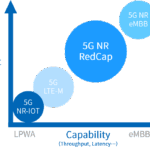
When should a project choose 5G RedCap instead of full 5G for an embedded application?
RedCap suits moderate bandwidth IoT telemetry where LTE is sufficient today but 5G provides future-proofing. Full 5G is needed for HD video or high-throughput use cases.
What is the operating temperature range required for automotive or outdoor embedded routers?
Industrial-grade embedded routers should be rated at least −35 °C to +70 °C. H685f is rated −35 °C to +75 °C.
Does a compact industrial 5G router require a private APN, or will a standard SIM work?
A standard SIM may work for outbound-only data, but inbound remote access (VPN maintenance) generally requires a fixed IP or private APN; confirm with carrier before deployment.
Is OEM and ODM customization available for the E-Lins H685f?
Yes. E-Lins supports firmware customization, labeling, hardware configuration, and batch production for OEM embedded integration.
Conclusion: Design the Integration Before Selecting the Router
A compact industrial 5G router for embedded systems is an integration decision before it is a product purchase. The router specification must fit the physical space, match the power supply, tolerate the operating temperature, interface with the host electronics, and support the remote management model for the full deployed fleet — before cellular throughput and protocol selection become relevant.
For most embedded IoT products — whether kiosks, vehicle platforms, utility controllers, or OEM gateways — a super-mini industrial 5G router with wide-voltage DC input, RS232 serial integration, DI/DO ports, external antenna connectors, wide-temperature tolerance, dual power failover, VPN client support, and NMS-based fleet management covers the majority of real deployment requirements.
Before finalizing the selection, confirm the following with the hardware and connectivity teams:
- Validate physical fit, antenna cable routing, and thermal management inside the actual enclosure before mechanical design is frozen.
- Confirm SIM plan structure — private APN, fixed IP, CGNAT policy, and roaming rules — against the full deployment region list, not just the test market.
- Test VPN reconnection, watchdog recovery, and remote management with the production SIM, production APN, and production antenna configuration before volume production release.
Ready to Integrate a 5G Router into Your Product?
Share your enclosure size, power rail, interface requirements, deployment region, and SIM plan details. E-Lins will help you identify the right compact industrial 5G router configuration for your OEM or embedded project.
Contact Us