
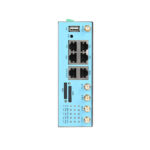
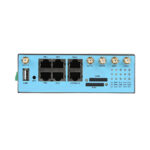
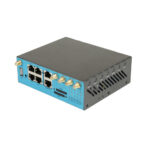













































































Industrial PoE Switch: A Complete Guide to Power & Connectivity in Harsh Environments
1) What Is an Industrial PoE Switch, and How Does It Differ from a Standard Switch?
1. Defining the Industrial PoE Switch
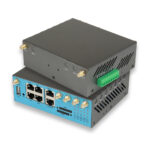
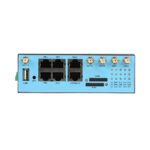
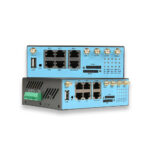
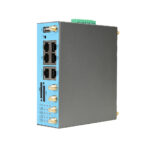
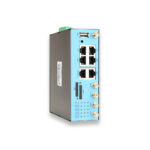
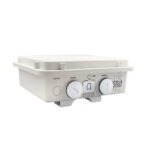
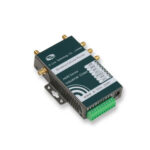
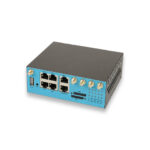
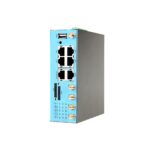
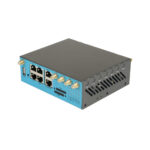
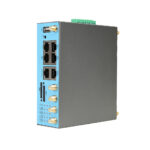
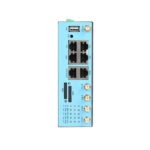
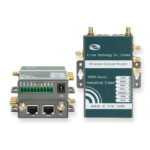
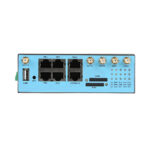
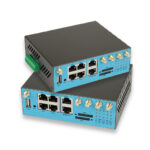
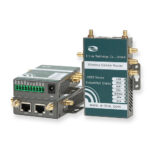
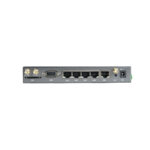
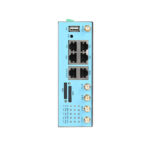
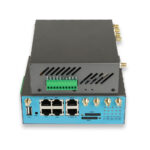
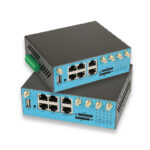
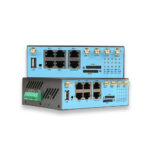
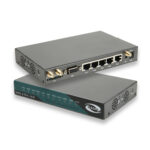
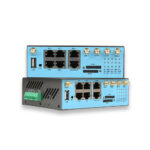
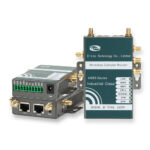
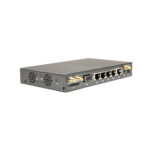
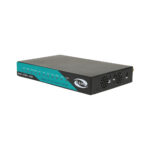
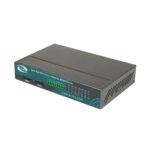
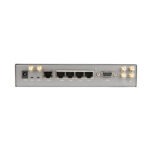
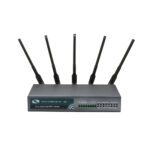
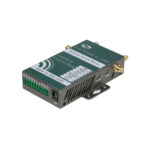
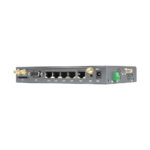
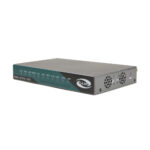
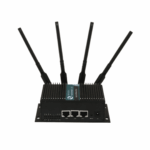
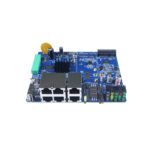
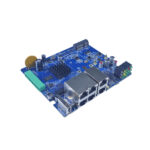
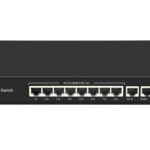
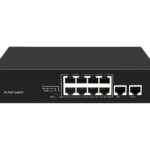
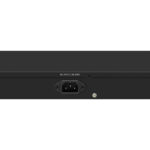
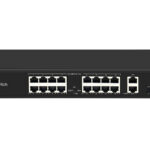
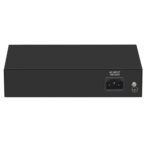
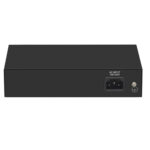
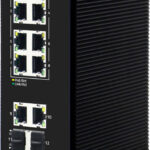
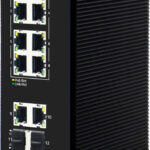
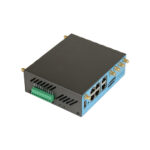
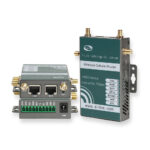
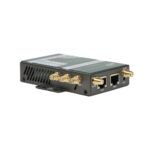
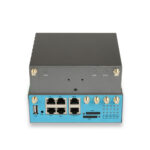
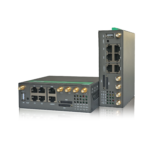
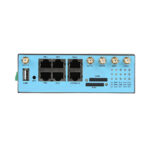
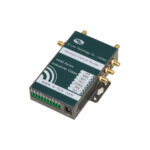
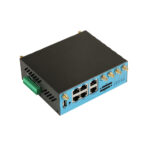
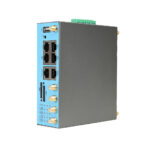
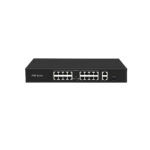
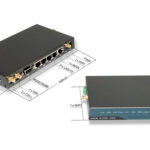
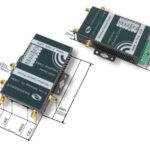
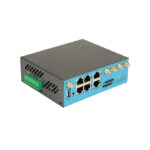
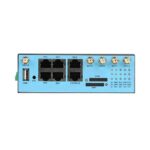
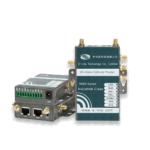
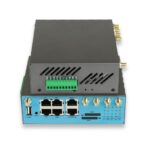
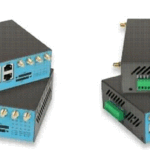
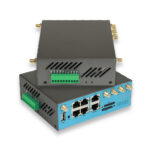
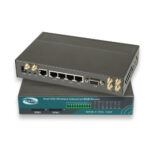
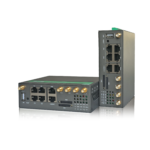
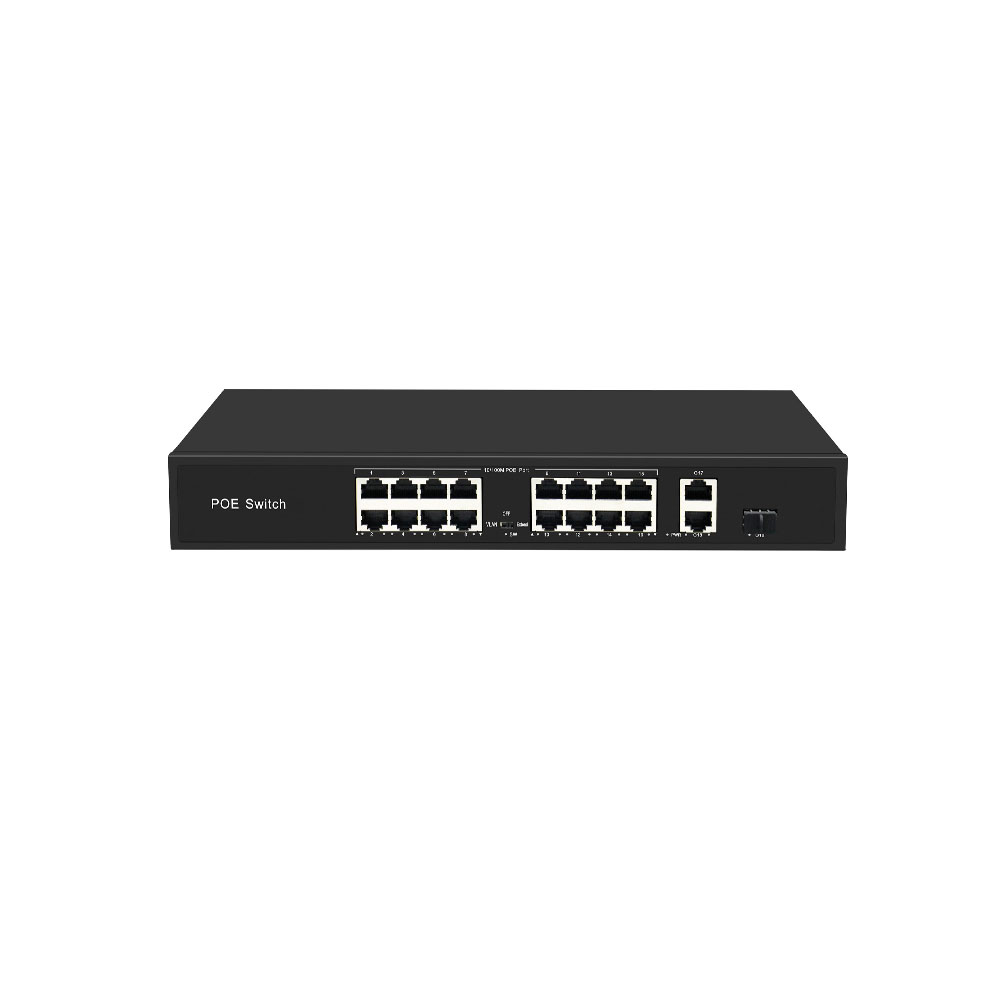
An Industrial PoE Switch is a ruggedized network switch designed to deliver both data connectivity and Power over Ethernet (PoE) to connected devices in industrial environments. Unlike standard office-grade switches, it is engineered to withstand extreme temperatures, moisture, dust, vibration, and electrical interference—conditions common in manufacturing plants, outdoor sites, transportation hubs, and industrial IoT (IIoT) deployments. By combining power and data over a single Ethernet cable, it eliminates the need for separate power supplies, simplifies cabling, and reduces installation costs for IP cameras, wireless access points, IP phones, sensors, and other powered edge devices.
2. Key Differences Between Industrial and Commercial PoE Switches
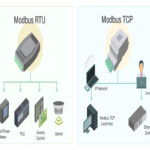
The gap between industrial and standard switches lies in durability, performance, and environmental resilience. Commercial switches are built for temperature-controlled offices, with operating ranges typically between 0°C to 45°C. In contrast, industrial models support wide temperature ranges, often from -40°C to 75°C, making them suitable for outdoor use, factory floors, and remote locations. Industrial PoE switches also feature rugged metal enclosures, surge protection, ESD (electrostatic discharge) immunity, and redundant power inputs to ensure uninterrupted operation. Additionally, they support industrial protocols such as Modbus, PROFINET, and EtherNet/IP, which are essential for automation and industrial control systems. Standard switches lack these protocol supports and fail quickly in harsh settings, leading to network downtime and costly maintenance.
2) Core Features and Technical Specifications of Industrial PoE Switches
1. PoE Standards and Power Output
Industrial PoE Switches comply with major PoE standards, including IEEE 802.3af (PoE), 802.3at (PoE+), and 802.3bt (PoE++), delivering 15.4W, 30W, and up to 90W of power per port respectively. This versatility allows them to power a wide range of devices: low-power devices like IP cameras and sensors use 802.3af, while high-power devices such as PTZ cameras, wireless AC/AX access points, and small industrial terminals rely on 802.3at or 802.3bt. Many industrial switches also support PoE Watchdog, a feature that automatically reboots unresponsive PoE devices, ensuring continuous operation without manual intervention.
2. Environmental Durability and Rugged Design
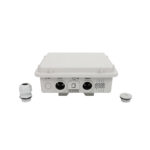
Durability is the hallmark of industrial-grade hardware. These switches come with IP30 or higher metal casings to resist dust and water ingress, critical for outdoor and factory settings. They are built to endure vibration and shock, complying with industrial shock and vibration standards (IEC 60068), making them ideal for moving equipment like conveyor systems, railway infrastructure, and vehicle-mounted networks. Moreover, they offer redundant power inputs (DC 12V/24V/48V) to prevent power failure-related outages, a non-negotiable feature for mission-critical industrial operations.
3. Network Performance and Management Capabilities
Industrial PoE Switches are available in managed, unmanaged, and smart managed variants. Unmanaged models are plug-and-play, ideal for simple setups, while managed switches offer advanced features like VLAN, QoS (Quality of Service), port mirroring, STP (Spanning Tree Protocol), and SNMP monitoring. QoS prioritizes critical industrial traffic, such as real-time automation data and video surveillance feeds, ensuring low latency and no packet loss. Many models also support fiber uplink ports (SFP/SFP+) for long-distance data transmission, connecting remote industrial sites to central control rooms over kilometers of fiber cable.
3) Top Applications of Industrial PoE Switches Across Industries
1. Industrial IoT and Factory Automation
In smart factories, Industrial PoE Switches connect thousands of IIoT sensors, programmable logic controllers (PLCs), robotic arms, and machine vision systems. They deliver consistent power and high-speed data, enabling real-time monitoring of production lines, predictive maintenance, and seamless automation. The rugged design ensures the network remains stable amid factory dust, heat, and machinery vibration, reducing production halts caused by network failures.
2. Outdoor Video Surveillance and Security
Outdoor security systems, including IP cameras, speed dome cameras, and access control devices, heavily rely on Industrial PoE Switches. Installed in parking lots, construction sites, city streets, and oil refineries, these switches power cameras while transmitting high-definition video footage. Their wide temperature tolerance and weather resistance make them perfect for year-round outdoor use, eliminating the need for extra power adapters that are vulnerable to weather damage.
3. Transportation and Smart Infrastructure
Railways, highways, airports, and seaports use Industrial PoE Switches to power traffic cameras, information displays, Wi-Fi access points, and signaling systems. These switches operate reliably in extreme weather—from freezing winters to scorching summers—and support stable connectivity for smart transportation management. Vehicle-mounted variants are also used in buses, trains, and trucks to maintain network connectivity on the move.
4. Energy and Utility Sites
Power plants, wind farms, solar parks, and water treatment facilities depend on industrial PoE solutions to monitor equipment, collect environmental data, and ensure operational safety. These switches resist electrical interference from high-voltage machinery and operate in remote, unstaffed locations, providing reliable network infrastructure for critical utility operations.
4) How to Choose the Right Industrial PoE Switch for Your Project
1. Assess Power Requirements and PoE Standards
First, calculate the total power needed for your connected devices. For low-power devices, a standard 802.3af switch suffices; for high-power equipment, opt for 802.3at or 802.3bt. Ensure the switch’s total PoE budget exceeds the combined power draw of all devices to avoid overload.
2. Match Environmental Conditions
Select a switch with an appropriate operating temperature range and ingress protection (IP) rating. For outdoor or extreme environments, choose -40°C to 75°C temperature support and a rugged metal enclosure. For dusty or wet locations, prioritize higher IP ratings.
3. Determine Port Count and Connectivity Needs
Count your edge devices to choose the right port count (5-port, 8-port, 16-port, 24-port). If long-distance transmission is needed, select a switch with SFP fiber ports. For industrial control systems, ensure compatibility with industrial communication protocols.
4. Choose Between Managed and Unmanaged
Unmanaged switches work for small, simple setups. Managed switches are better for large-scale industrial networks, offering remote monitoring, traffic prioritization, and network security features to prevent downtime and cyber threats.
5) FAQ About Industrial PoE Switches
1. Can an Industrial PoE Switch work in outdoor environments without a cabinet?
Yes, most industrial PoE switches feature rugged, dust-proof and water-resistant casings with wide temperature tolerance, making them suitable for direct outdoor installation. However, for extremely harsh weather (heavy rain, snow, or corrosion), a protective cabinet is recommended for extended lifespan.
2. What is the difference between PoE, PoE+, and PoE++ in industrial switches?
PoE (802.3af) delivers 15.4W per port for low-power devices; PoE+ (802.3at) provides 30W for mid-power devices; PoE++ (802.3bt) offers up to 90W for high-power equipment like PTZ cameras and wireless access points. Industrial switches support all three standards for versatile device compatibility.
3. Do Industrial PoE Switches require special Ethernet cables?
They work with standard Cat5e, Cat6, and Cat6a Ethernet cables. For long-distance power and data transmission (over 100 meters), Cat6a is recommended to reduce signal loss and ensure stable power delivery.
4. Can an Industrial PoE Switch damage non-PoE devices?
No, modern industrial PoE switches use PoE detection technology that identifies powered devices before supplying power. Non-PoE devices (like standard computers) will receive only data, with no power output, preventing damage.
5. How long do Industrial PoE Switches typically last?
With proper installation and maintenance, industrial PoE switches have a lifespan of 5 to 10 years, far longer than commercial switches due to their rugged components and design.
6. Is it necessary to use a managed Industrial PoE Switch for small factories?
Not necessarily. Unmanaged industrial switches are cost-effective and easy to deploy for small-scale setups with few devices. Managed switches are only required when network monitoring, traffic control, or remote management is needed.

Are you sourcing industrial PoE Switches? E-Lins will be an excellent choice for you. Founded since 1999, specialized on manufacturing industrial PoE Switches