
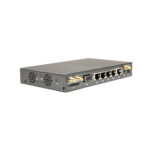
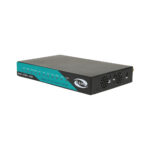
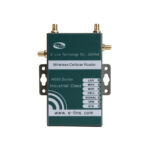
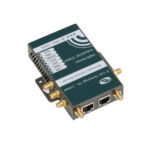












































Understanding Industrial 5G Connectivity and Its Growing Importance
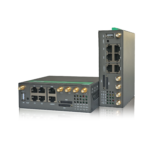
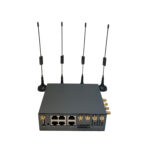
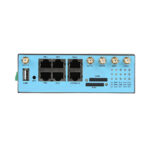
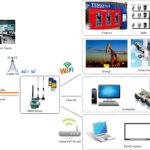
A 5G Router is more than a device that accepts a SIM card and connects to a mobile network. In industrial IoT, automation, energy, transportation, and remote monitoring projects, a wireless cellular gateway often becomes the communication gateway between field equipment and cloud platforms.These wireless links cut expensive cable trenching work and shorten whole-site networking construction cycles.
Compared with traditional wired internet access, 5G provides faster data transmission, lower latency, wider coverage, and more flexible deployment. As a result, industrial users increasingly deploy wireless cellular gateways in locations where fiber or fixed broadband is unavailable, expensive, or difficult to install.
However, not all 5G routers are designed for industrial environments. Choosing the right device requires understanding network architecture, deployment conditions, security requirements, and long-term maintenance needs.
This guide explains what a 5G router is, how it works, where it is used, and what factors should be evaluated before selecting an industrial 5G router.
Article Guide
- What Is a 5G Router?
- How Does a 5G Router Work?
- Understanding 5G Technology
- Quick Buying Checklist
- Key Features to Look For
- Industrial 5G Router vs Consumer 5G Router
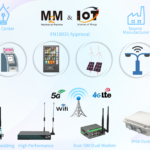
- Industrial Applications
- Security Considerations
- How to Choose the Right 5G Router
- 4G Router vs 5G Router
- Common Buying Mistakes
- Future Trends of Industrial 5G Networking
- Recommended Applications
- Related E-Lins 5G Router Products
- Extended Reading
- FAQ
What Is a 5G Router?
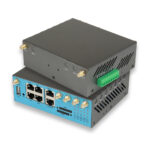
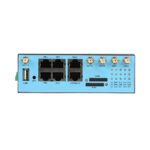
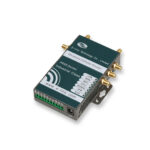
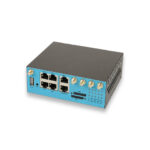
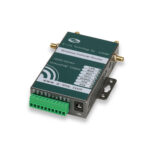
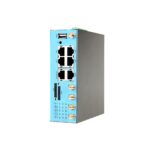
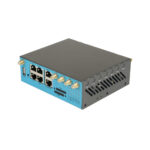
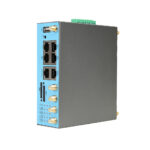
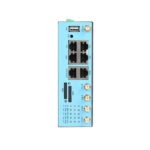
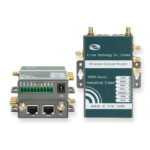
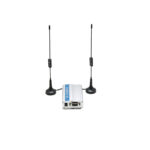
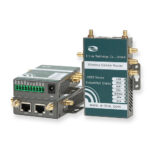
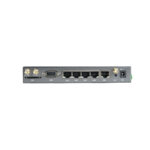
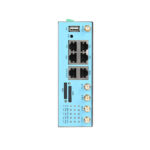
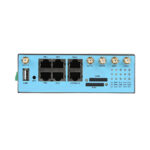
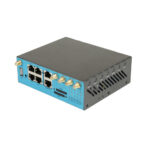
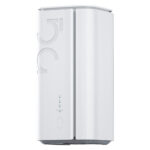
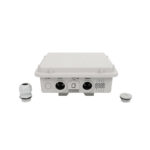
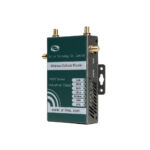
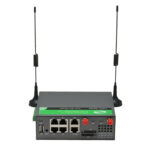
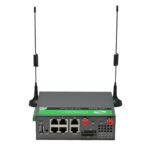
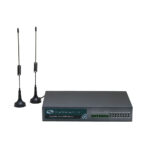
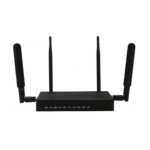
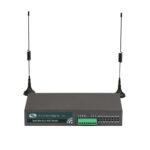
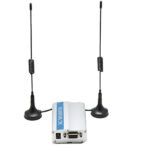
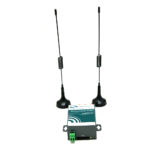
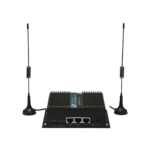
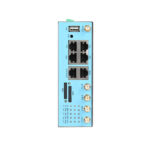
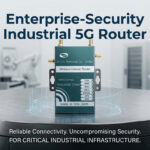
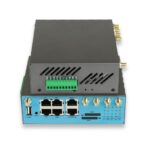
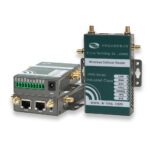
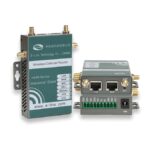
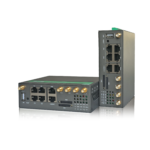
A 5G router is a networking device that connects to a cellular network using a SIM card. In industrial environments, an industrial 5G router with SIM card provides reliable wireless connectivity for mission-critical applications.
Unlike a simple modem, a router manages the local network behind it. It can perform routing, DHCP, NAT, firewall control, VPN communication, and remote management while maintaining connectivity to the 5G network.
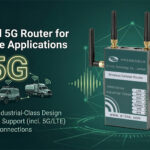
In industrial environments, rugged 5G modem often serves as the communication gateway for:
PLC systems
Industrial PCs
Remote cameras
Energy meters
EV chargers
Smart kiosks
SCADA equipment
Edge computing devices

How Does a 5G Router Work?
A 5G router establishes a connection to a mobile operator through a SIM card and then distributes internet access to local devices.
The process typically includes:
SIM card authentication
Connection to the 5G network
IP address assignment
Traffic routing between LAN and WAN
VPN establishment if required
Secure communication with cloud platforms
Once connected, local devices can communicate with remote servers, cloud platforms, and management systems without requiring traditional broadband infrastructure.
Understanding 5G Technology and Industrial Networking
Before selecting a 5G router, it is important to understand why 5G technology is becoming a major communication platform for industrial environments.
Traditional wired networks provide stable connectivity, but deployment can be expensive, slow, and sometimes impossible in remote locations.
Examples include:
Solar power plants
Wind farms
Construction sites
Utility substations
Oil and gas fields
Transportation corridors
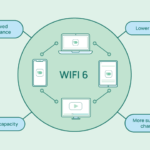
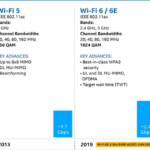
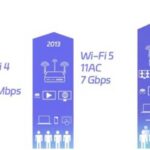
Compared with previous cellular generations, 5G offers:
Higher throughput
Lower latency
Greater network capacity
Improved reliability
Better support for massive IoT deployments
These advantages allow organizations to connect more devices while supporting bandwidth-intensive applications such as video surveillance, edge computing, and industrial automation.
As Industry 4.0 adoption accelerates, organizations are increasingly deploying industrial IoT routers to connect sensors, machines, cameras, and cloud platforms. The combination of high bandwidth and low latency makes 5G a practical communication technology for large-scale industrial digital transformation projects.
Why Choose a 5G Router?
Many organizations searching for the best industrial 5G router are looking for a solution that combines high-speed connectivity, VPN security, remote management, and industrial-grade reliability.
1. Higher Bandwidth
5G networks provide significantly higher throughput than traditional 4G LTE connections.
This makes 5G particularly suitable for:
- HD video surveillance
- AI video analytics
- Industrial data aggregation
- Large file transfers
- Real-time monitoring
Such massive data throughput also helps companies streamline centralized big-data collection across dispersed field sites.
2. Lower Latency
Many industrial applications require fast response times.
Examples include:
- Remote machine control
- Energy management systems
- Demand response programs
- AGV communication
- Smart manufacturing
Near-instant signal feedback effectively avoids costly downtime caused by delayed instruction transmission on production lines.
Lower latency helps reduce communication delays and improves system responsiveness.
3. Flexible Deployment
A 5G router can be installed wherever cellular coverage exists.
This reduces deployment costs in:
- Construction sites
- Temporary facilities
- Remote substations
- Oil and gas fields
- Transportation systems
Users no longer rely on civil engineering construction to lay fixed network lines for temporary or geographically scattered projects.
4. Faster Network Rollout
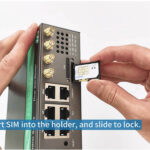
Instead of waiting for fiber installation, organizations can deploy connectivity within minutes by inserting a SIM card and configuring network settings.
It drastically shortens the project preparation cycle and allows field equipment to go online within working hours.
5. Better Scalability
As business requirements grow, additional devices can be connected without redesigning the entire communication infrastructure.
Enterprises can expand their IoT terminals step by step alongside business expansion without overhauling existing communication layout.
6. Future-Proof Investment
Many organizations searching for the best industrial 5G router are not only looking for faster connectivity but also for long-term investment protection. As more industrial applications migrate to cloud platforms and edge computing architectures, deploying a 5G-ready communication infrastructure helps reduce future upgrade costs and supports business growth.
Quick Buying Checklist
Before selecting a 5G router, consider the following questions:
How many devices will connect to the router?
Is VPN access required?
Is dual SIM redundancy necessary?
Does the installation site experience harsh temperatures?
Will the router be mounted in a cabinet?
Is WiFi required?
Are RS232 or RS485 interfaces needed?
Is a fixed IP address required?
Will remote maintenance be performed?
Answering these questions early can prevent deployment problems later.
Key Features to Look For
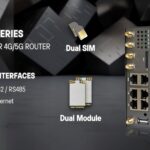
1. Dual SIM Failover
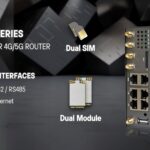
Dual SIM technology provides automatic carrier switching when signal quality deteriorates or network failures occur.
A dual SIM industrial 5G router can automatically switch between network operators, minimizing downtime and ensuring continuous communication for critical industrial applications.
2. VPN Support
Industrial projects often require:
OpenVPN
IPsec
WireGuard
GRE tunnels
VPN functionality helps secure remote communication.
An industrial VPN router establishes encrypted communication tunnels between field equipment and central management platforms, helping organizations protect sensitive operational data from unauthorized access.
3. Industrial Temperature Design
Industrial routers should support extended operating temperatures for outdoor and cabinet deployments.
4. Watchdog Recovery
A hardware watchdog can automatically recover the system after communication failures or software interruptions.
5. Remote Management
Centralized device management reduces maintenance costs across large deployments.
Modern industrial IoT routers often include cloud-based management systems that allow administrators to monitor device health, signal quality, and network performance remotely.
6. Multiple Interfaces
Industrial projects may require:
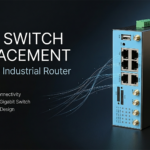
Gigabit Ethernet
RS232
RS485
DI/DO
WiFi
GPS
Interface flexibility simplifies integration.

Industrial 5G Router vs Consumer 5G Router
Many organizations initially consider consumer-grade 5G routers because of their lower cost.
However, industrial routers are specifically designed for long-term deployment.
| Feature | Consumer Router | Industrial Router |
|---|---|---|
| Operating Time | Intermittent | 24/7 Continuous |
| Temperature Range | Limited | Extended |
| VPN Support | Basic | Advanced |
| Dual SIM | Rare | Common |
| Watchdog | No | Yes |
| DIN Rail Mounting | No | Yes |
| Industrial Interfaces | No | Yes |
| Lifecycle | Short | Long |
For mission-critical projects, industrial-grade hardware typically provides greater reliability and lower maintenance costs.
Industrial Applications of 5G Routers
Remote Video Surveillance
5G provides sufficient bandwidth for multiple HD camera streams while supporting remote monitoring and maintenance.
Many outdoor unattended monitoring sites adopt such cellular networking to avoid wired wiring troubles.
Smart Manufacturing
Factories use 5G routers to connect:
MES systems
PLCs
HMIs
Sensors
Industrial PCs
A 5G router for industrial automation enables reliable communication between production equipment and enterprise systems, helping manufacturers improve visibility, productivity, and operational efficiency.
Real-time data sync keeps production parameters consistent between on-site equipment and remote management center.
EV Charging Stations
Charging infrastructure requires reliable communication for:
Payment processing
Equipment monitoring
Energy management
Remote diagnostics
Stable cellular links guarantee uninterrupted settlement and operational data uploading for public charging piles.
An industrial 5G router for EV charging stations provides stable connectivity for payment systems, charger monitoring platforms, and energy management applications, reducing operational risks and maintenance costs.
Smart Energy Systems
Utilities deploy 5G routers in:
Substations
Solar farms
Wind farms
Battery storage systems
Operators realize real-time load monitoring and abnormal alarm for distributed new-energy equipment.
A 5G router for solar monitoring enables operators to collect generation data, equipment status information, and fault alarms from remote renewable energy assets in real time.
Transportation
Applications include:
Fleet management
Smart bus systems
Traffic monitoring
Railway communications
Dynamic vehicle data and road monitoring information transmit steadily via industrial cellular networking solutions.
Transportation operators often deploy 5G routers for fleet management to support vehicle tracking, route optimization, passenger information systems, and real-time communication.
Security Considerations for Industrial 5G Router Deployment
Industrial cybersecurity should never be overlooked.
Key security features include:
VPN Encryption
VPN tunnels protect data transmission between remote sites and central platforms.
Firewall Policies
Firewalls help prevent unauthorized access.
User Authentication
Role-based access control improves security management.
Remote Device Monitoring
Centralized monitoring enables rapid issue detection.
Firmware Updates
Regular updates help address vulnerabilities and improve stability.
How to Choose the Right Industrial 5G Router
When selecting a router, evaluate the entire project environment.
Installation Conditions
Consider:
Indoor or outdoor deployment
Temperature range
Humidity
Vibration
Power availability
Device Quantity
Identify all connected equipment:
PLCs
Cameras
Sensors
HMIs
Data loggers
Interface Requirements
Determine whether Ethernet, serial ports, GPS, or digital I/O are required.
Network Redundancy
Mission-critical projects often benefit from dual SIM redundancy.
Future Expansion
Organizations deploying a rugged industrial 5G router in harsh environments should also evaluate enclosure design, vibration resistance, surge protection, and environmental certifications to ensure long-term reliability.
Choose a platform that can support future growth.
Comparison Table: 4G Router vs 5G Router
| Selection Factor | 4G Router | 5G Router |
|---|---|---|
| Network Generation | LTE | 5G NR |
| Bandwidth | Moderate | Higher |
| Latency | Higher | Lower |
| Video Applications | Good | Excellent |
| AI Edge Applications | Limited | Better |
| Large Data Transfer | Moderate | Faster |
| Future Scalability | Good | Excellent |
| Typical Cost | Lower | Higher |
Common Mistakes When Buying a 5G Router
Buying Based Only on 5G Capability
A router may support 5G but still lack VPN, industrial certifications, remote management, or dual SIM functionality.Many buyers focus merely on 5G chip specs but ignore long-term stable operation in harsh industrial surroundings.
Ignoring Antenna Design
Poor antenna placement can significantly reduce network performance.Professional antenna matching ensures stable signal reception even in weak field coverage areas.
Overlooking Carrier Band Compatibility
Always verify supported frequency bands before deployment.Mismatched network bands will cause unstable connections and limited network compatibility in different countries.
Forgetting Security Requirements
Industrial projects should evaluate VPN, firewall, access control, and device management capabilities.Insufficient security mechanisms easily lead to data leakage and unauthorized network access.
Choosing Consumer Hardware for Industrial Sites
Consumer routers may not provide the reliability required for long-term unattended operation.Ordinary household devices cannot withstand industrial vibration, humidity, and frequent power fluctuations.
Future Trends of Industrial 5G Networking
Industrial 5G adoption continues to accelerate worldwide.
Emerging trends include:
Private 5G Networks
Large enterprises are increasingly deploying private cellular infrastructure.Custom private cellular networks bring higher data privacy and independent bandwidth for factory core production data.
AI-Driven Edge Computing
More processing is moving closer to the data source.Local edge analysis reduces cloud transmission pressure and improves real-time industrial data response efficiency.
Smart Factories
Manufacturers are integrating machines, sensors, robots, and cloud platforms.Unified cellular networking enables fully coordinated intelligent production and unmanned workshop management.
Autonomous Systems
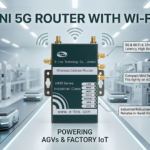
AGVs and mobile robots rely heavily on low-latency communications.Stable 5G connectivity guarantees precise control and safe operation of automatic mobile equipment.
Smart Energy Infrastructure
Utilities continue expanding 5G-enabled monitoring and control systems.Intelligent cellular networking helps energy enterprises realize full-scene remote supervision and early fault warning.
Industrial 5G routers will remain a critical component of future digital transformation projects.
Related E-Lins 5G Router Products
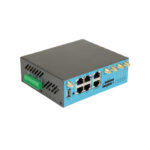
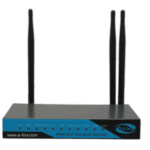
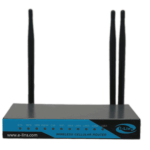
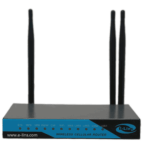
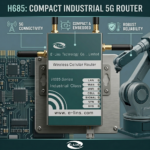
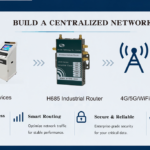
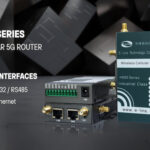
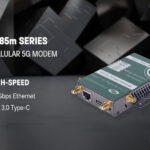
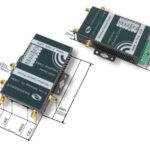
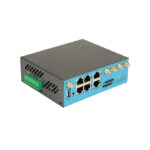
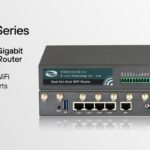
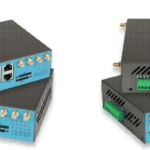
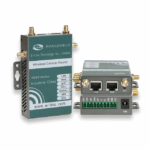
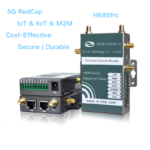
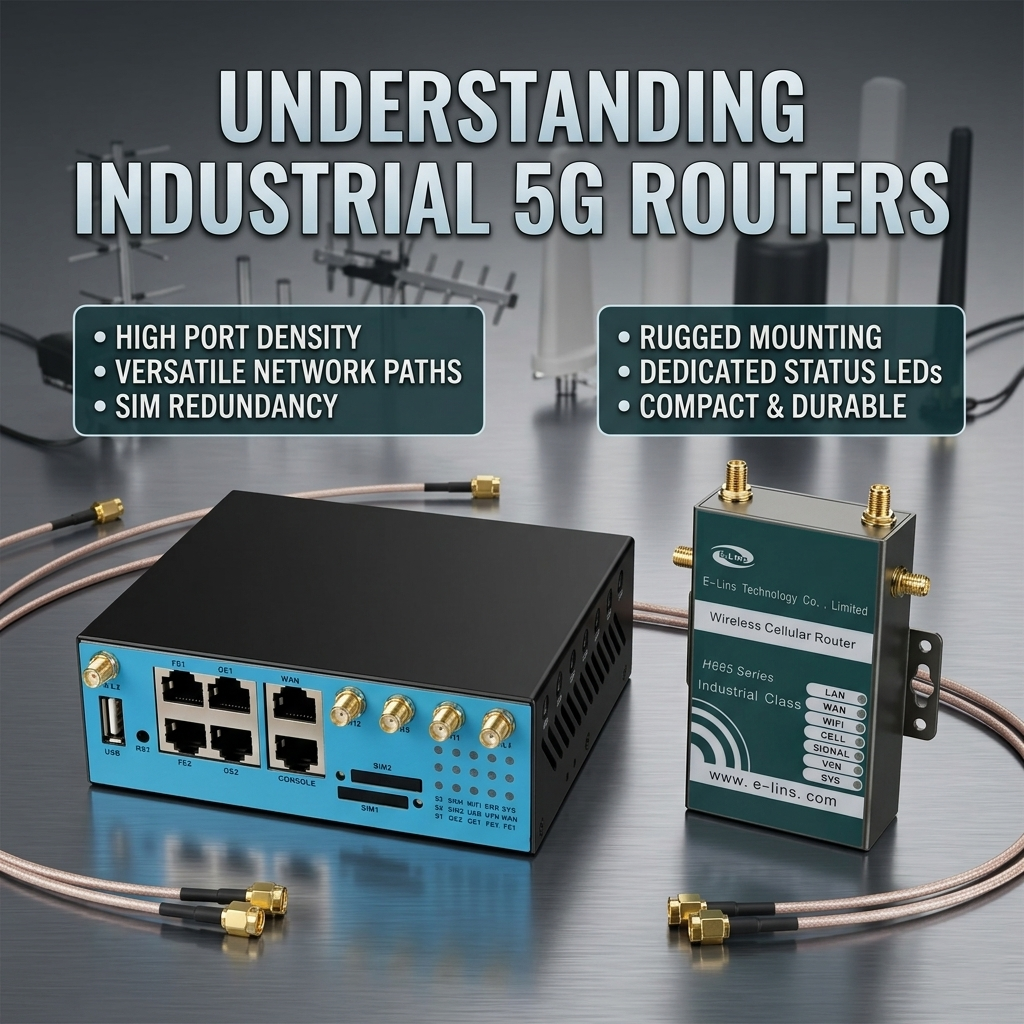
E-Lins H685 Industrial 5G Router
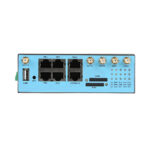
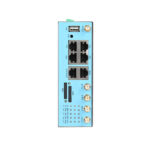
Designed for industrial IoT and mission-critical networking applications, the H685 supports high-speed 5G connectivity, VPN security, and remote device management.
Key Features
- 5G NR connectivity
- OpenVPN / IPsec / WireGuard support
- Gigabit Ethernet ports
- Industrial-grade design
- Wide operating temperature range
- DIN rail mounting
Recommended Applications
- Smart factories
- EV charging stations
- Video surveillance
- Industrial automation
- Smart energy systems
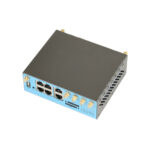
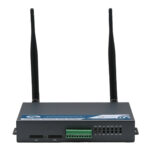
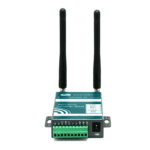
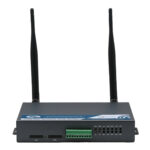
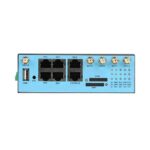
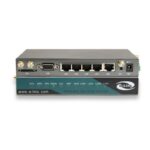
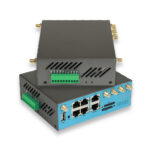
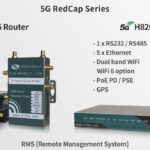
E-Lins H900 Industrial 5G Router
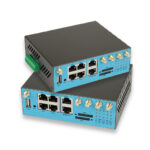
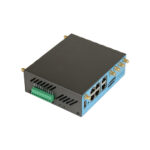
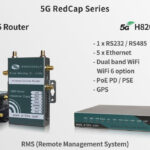
The H900 is designed for demanding industrial deployments requiring reliable communication, advanced security, and long-term stability.
Key Features
- High-performance industrial CPU
- 5G cellular networking
- Dual SIM backup
- Hardware watchdog protection
- Remote management platform support
- GPS positioning
- RS232/RS485 industrial interfaces
Recommended Applications
- SCADA systems
- Utility monitoring
- Transportation projects
- Oil & gas facilities
- Remote equipment management
Why Choose E-Lins Industrial 5G Routers?
Compared with standard consumer routers, E-Lins industrial routers are engineered for 24/7 operation in harsh environments.
Benefits include:
- Industrial-grade hardware design
- Advanced VPN security
- Remote management capabilities
- Long product lifecycle
- Reliable dual SIM failover
- Global carrier compatibility
- Technical support for industrial projects
Extended Reading
Industrial 5G Router Solutions
Dual SIM Industrial Router Guide
VPN for Industrial Routers
5G Router with SIM Card Explained
Industrial IoT Connectivity Guide
FAQ
What is a 5G router used for?
A 5G router connects local field devices to a cellular network and provides stable internet access, routing, VPN, and comprehensive network management functions for industrial on-site equipment.
Can a 5G router replace broadband?
In many cases, yes. A 5G router can serve as the primary WAN connection where 5G coverage is available and wired line construction cannot be finished in time.
Do industrial 5G routers support VPN?
Most industrial-grade models support VPN technologies such as OpenVPN and IPsec to build safe encrypted tunnels between multiple remote industrial sites.
Is 5G always faster than 4G?
In general, 5G offers higher bandwidth and lower latency, but actual performance depends on network coverage and operator infrastructure around real deployment environments.
Do I need dual SIM support?
Dual SIM capability is recommended for mission-critical applications that require high network availability to avoid device offline caused by single-operator network failures.

Conclusion
A 5G router is not simply a faster version of a 4G router. It is a key communication platform for industrial IoT, automation, smart energy, transportation, and remote monitoring projects.
When selecting a device, organizations should evaluate not only 5G performance but also VPN capabilities, dual SIM redundancy, industrial reliability, interface requirements, security features, and long-term maintenance considerations.
By matching the router to the actual network architecture and operational requirements, project teams can achieve reliable, secure, and scalable connectivity for future growth.