




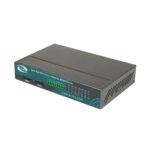
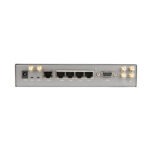
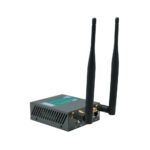
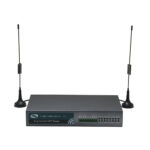





















































1)Introduction:
The promise of Industry 4.0 is data-driven optimization. But simply sending every byte of data from thousands of sensors to the cloud is inefficient, expensive, and slow. The real intelligence lies in a distributed model, where computing happens where it’s most effective. This is the core of edge computing, and the industrial router has evolved into its central nervous system. This blog explains how modern industrial routers are more than just data pipes; they are intelligent platforms that bridge the physical edge and the cloud, enabling faster, cheaper, and more resilient operations.

The Cloud-Edge Continuum: Defining the Roles
To understand the router’s role, we must first distinguish between Cloud and Edge computing.
Cloud Computing: Powerful, scalable processing and storage in remote data centers. Ideal for long-term analytics, machine learning model training, and enterprise-wide visibility.
Edge Computing: Processing data physically close to its source (e.g., on the factory floor, in a vehicle). Ideal for real-time control, immediate insights, and reducing data bandwidth.
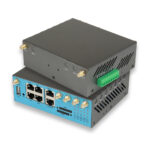
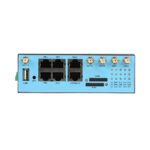
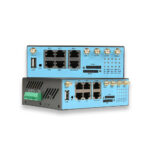
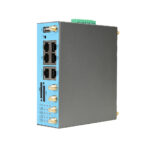
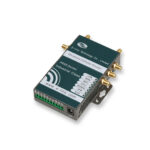
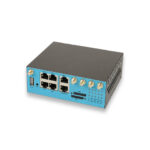
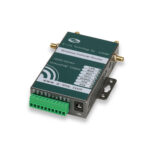
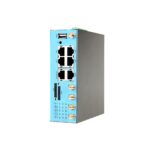
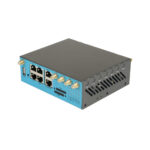
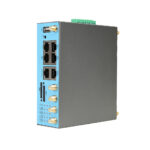
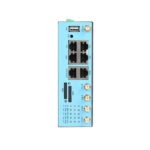
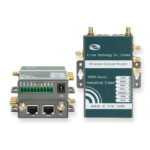
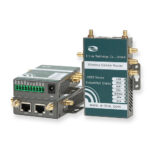
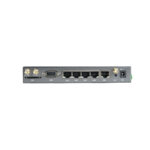
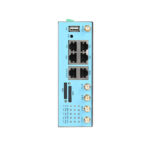
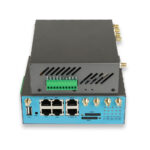
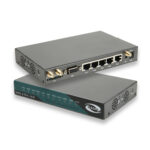
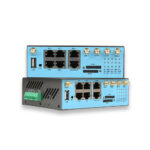
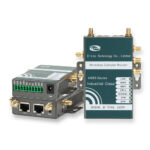
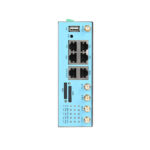
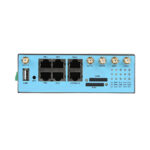
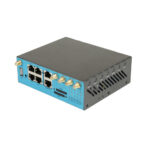
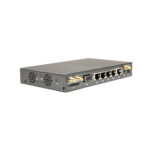
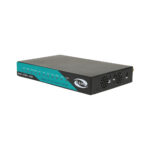
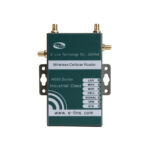
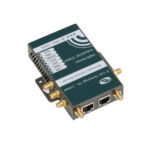
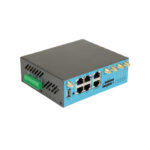
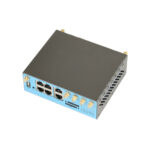
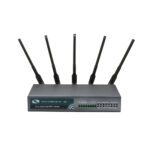
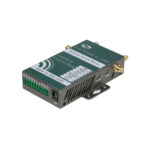
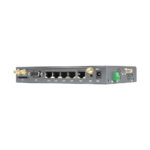
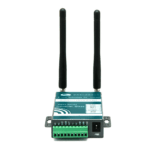
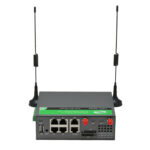
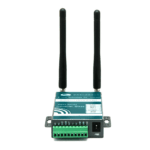
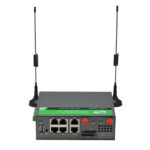
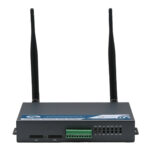
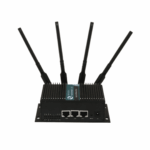
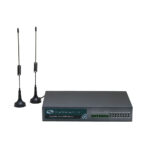
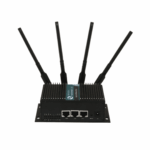
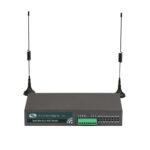
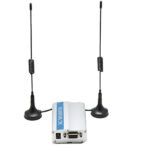
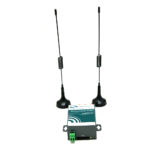
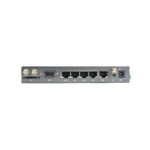
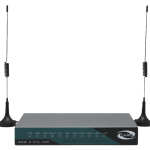
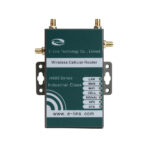
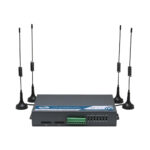
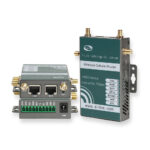
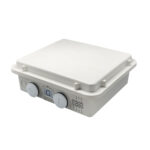
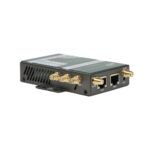
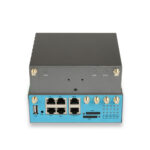
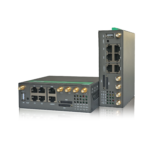
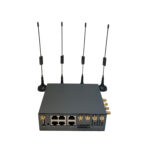
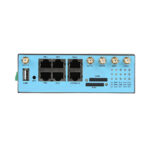
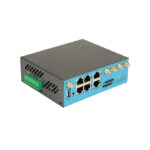
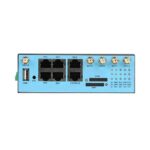
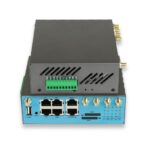
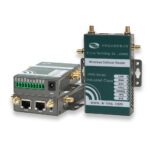
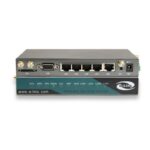
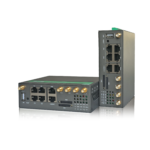
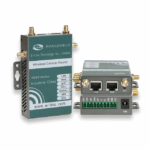
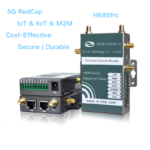
The industrial router sits squarely at the Edge, acting as the gateway and often as the compute node itself.
The Industrial Router as the Edge Gateway
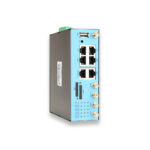
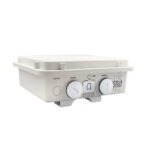
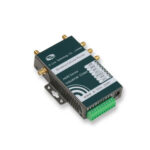
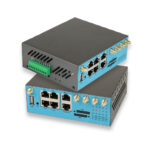
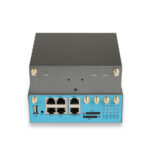
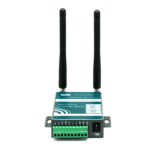
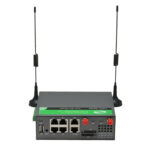
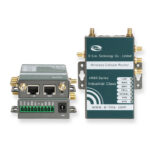
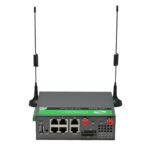
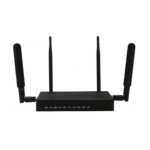
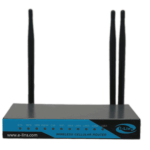
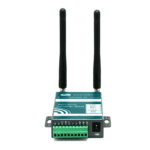
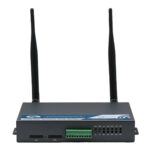
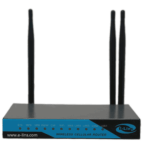
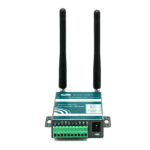
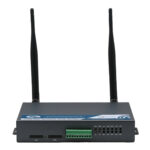
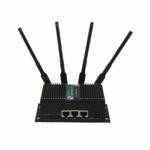
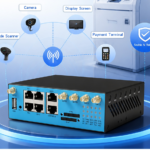
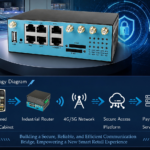
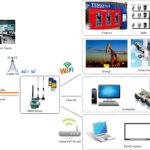
This is its foundational role. It aggregates data from all connected devices—PLCs, sensors, cameras, HMIs—using various protocols (Ethernet, Serial, Wi-Fi). It then securely and reliably transmits this data to the cloud or a central data center, typically using its cellular or wired WAN connection. It handles the crucial tasks of protocol conversion, data compression, and secure tunneling (via VPNs).
The Rise of the Intelligent Edge: Routers with Computing Power
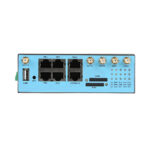
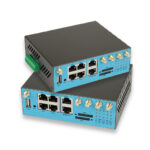
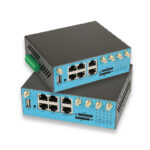
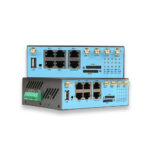
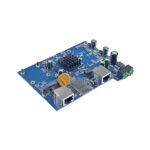
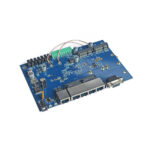
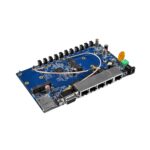
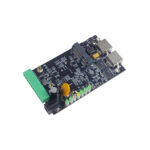
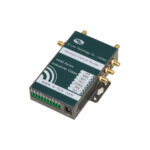
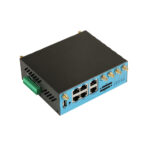
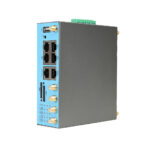
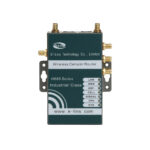
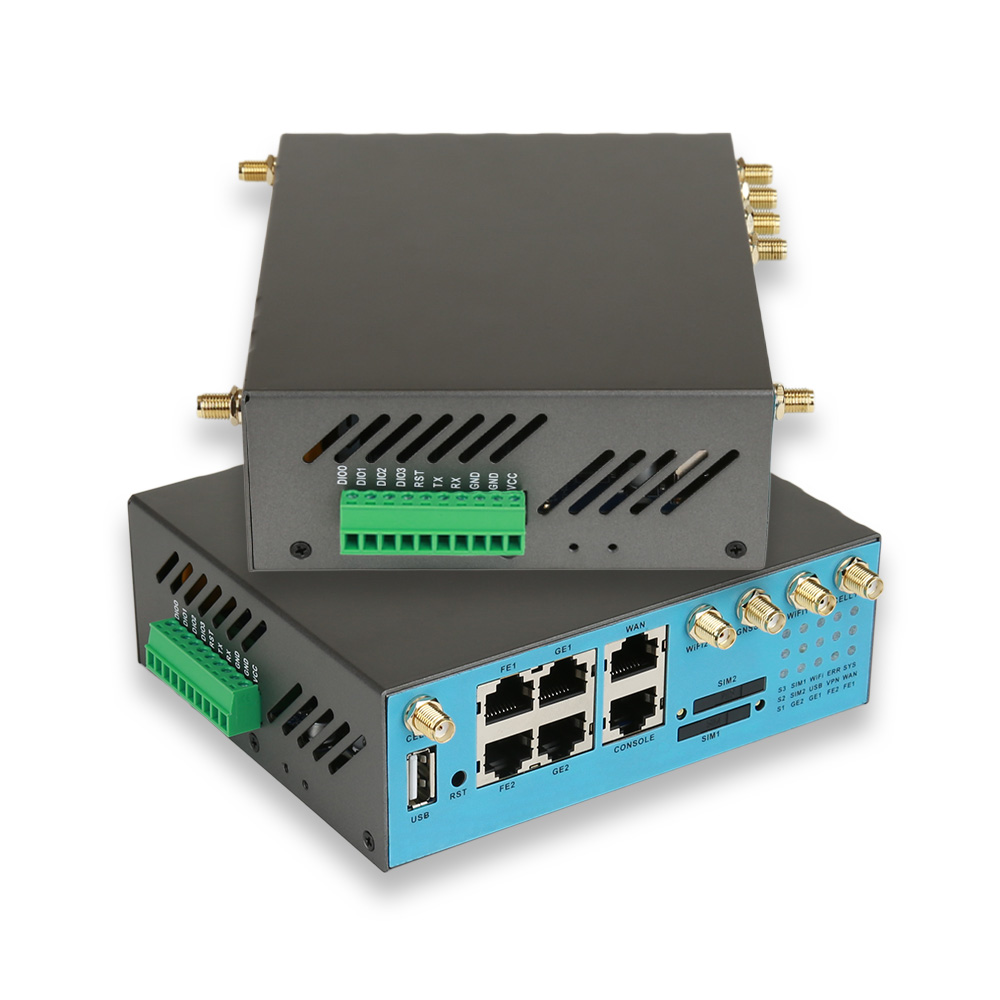
Modern high-end industrial routers are now equipped with significant onboard computing resources (powerful CPUs, RAM, and storage). This transforms them from simple gateways into Edge Compute Platforms. This allows you to run custom applications directly on the router, a concept often called “containerization” or using a “Linux runtime environment.”
2)Key Benefits of Processing Data at the Edge:
1. Reduced Latency for Real-Time Control
Some decisions can’t wait for a round trip to the cloud.
Example: A vibration sensor on a high-speed motor detects a failure pattern. An application running on the edge router can analyze this data instantly and send a command to shut down the motor within milliseconds, preventing catastrophic damage. A cloud-based solution would be too slow.
2. Bandwidth Optimization and Cost Savings
Sending high-frequency sensor data or continuous video streams to the cloud consumes massive bandwidth. An edge router can process this data locally.
Example: Instead of streaming 24/7 video from a security camera, the router can run a video analytics application that only sends a clip to the cloud when it detects a specific event, like an intruder or a safety violation. This reduces cellular data costs by over 90%.
3. Enhanced Operational Resilience
What happens when the cloud connection is lost? In a cloud-only model, everything stops. With an intelligent edge router, critical functions continue uninterrupted. The local applications keep running, making autonomous decisions and storing data locally until the connection is restored and it can synchronize with the cloud. This ensures your operations are never held hostage by a WAN link failure.
Practical Applications of Edge Intelligence
Predictive Maintenance: Analyze equipment sensor data locally to predict failures before they happen, and generate work orders automatically.
Data Preprocessing: Filter, aggregate, and normalize data from disparate sources before sending a clean, standardized data set to the cloud.
Local Dashboarding: Host a lightweight web-based HMI on the router itself, providing local operators with real-time status updates without relying on a central SCADA system.
3)Conclusion: The Strategic Enabler
The modern industrial router is no longer a passive connectivity device. It is a strategic enabler of edge computing architecture. By bringing compute power to the source of the data, it solves the critical challenges of latency, bandwidth, and resilience. When evaluating your next industrial router, consider its capabilities as an edge compute node. Choosing a platform that can host your custom logic will future-proof your investment and unlock a new tier of operational intelligence, truly bridging the gap between the physical edge and the digital cloud.
It is easy to source the best China router manufacturer, E-Lins, a IoT router expert since 2005, providing professional industrial 4G router and industrial 5G router.