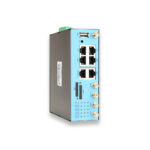
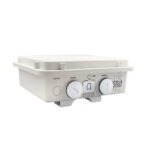
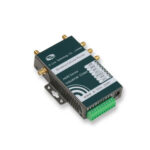
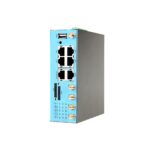

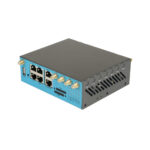
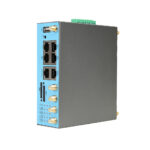
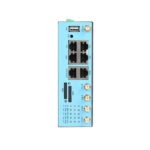
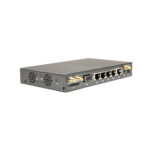
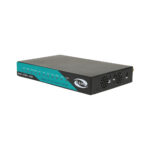
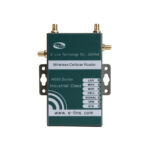
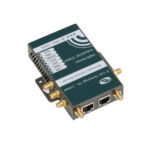






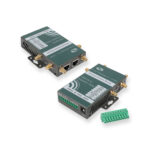
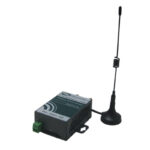
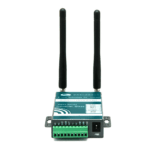
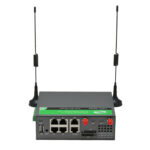
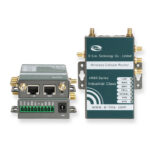
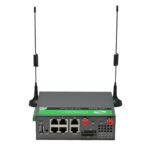

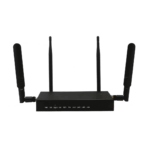
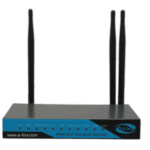

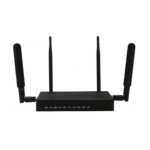
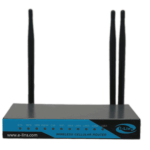
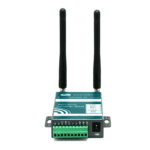
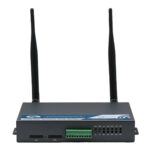

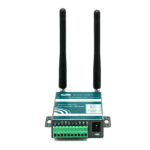
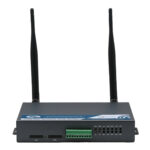
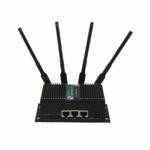
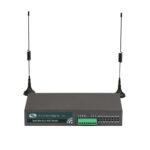















































LTE Routers: The Definitive Guide to High-Speed Industrial Wireless Connectivity for Enterprise, Remote Locations & IoT
1)Introduction
Delivery to a customer with high demand makes the point clear: quality internet access is no longer a luxury; it is an absolute necessity, especially in this connected world where businesses and industrial operations stand to benefit greatly from reliable coverage as well as people who work in remote areas (away from traditional wired broadband) for whom conventional wireless broadband does not exist or simply will not work. And this is where LTE routers come in. Some LTE (Long-Term Evolution) routers are also referred to as 4G Routers, and these are more dedicated cellular 4G LTE devices designed for reliable, fast, and secure wireless internet use over cellular-based infrastructure. In contrast, industrial and professional LTE routers are engineered for ruggedness and performance as well as 24/7+ operation to form the backbone of current Industrial Internet of Things (IIoT), Machine-to-Machine (M2M) & remote networking solutions.

This in-depth guide explains thoroughly the technology behind LTE routers and their wide-reaching applications across industries, following up with insights into key features/specifications (including a simple breakdown tables) and specifications as well as a step-by-step detailed buying guide by answering the most asked questions one may have before settling to buy one.
2) What is LTE Router & How Does it Function?
1. What is LTE?
Long-Term Evolution (LTE) is the wireless broadband communication standard that represents 4G networks worldwide. LTE technology, created by the 3rd Generation Partnership Project (3GPP), has many advantages compared to older generations like 3G, including faster data transfer speeds, lower latency, better spectral efficiency and a greater number of connected devices.
Speeds: LTE provides theoretical download speeds of as high as 1 Gbps (with LTE-Advanced) and upload speeds of up to 500 Mbps. In practical situations, normal speed is somewhere around 10 Mbps to 100 Mbps for permanent LTE (Cat 4), and above for broadband LTE-Advanced (using Cat 6/Cat 9).
Latency: The average LTE latency is a key improvement for real-time applications, coming in at around 30-50 milliseconds.
Network Type: Unlike earlier circuit-switched networks optimized for voice, LTE is specifically designed as a packet-switched network enabling prominent data transfer.
2. Best Sites to Download Games for PC and Mobile
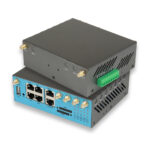
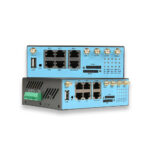
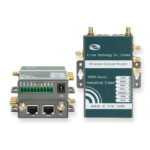
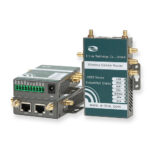
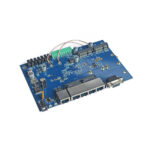
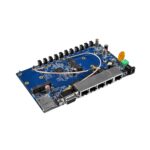
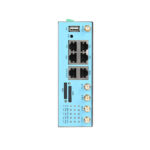
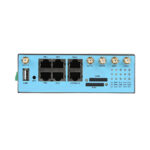
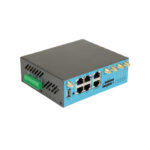
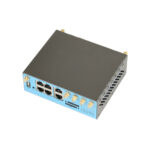
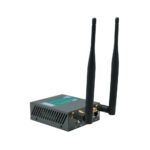
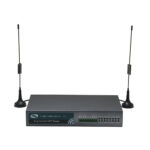
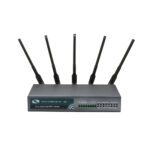
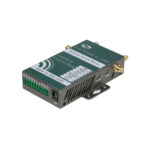
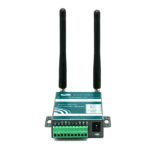
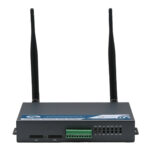
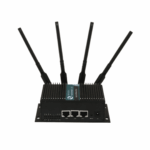
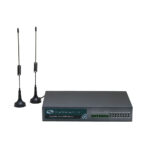
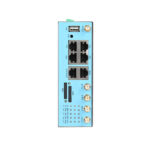
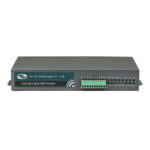
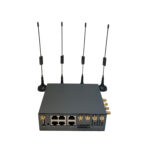
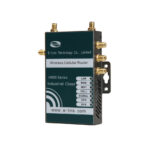
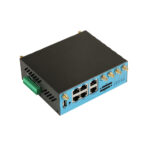
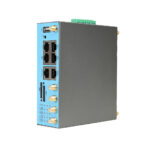
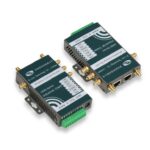
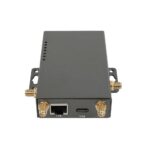
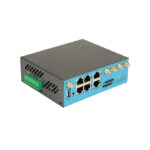
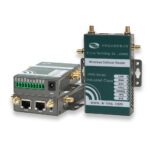
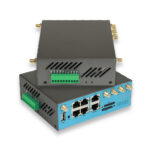
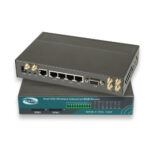
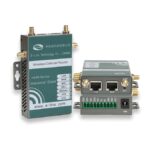
A LTE router is another type of hardware that integrates multiple crucial components which converts the cellular signal into available Wi-Fi or wired Ethernet connectivity —
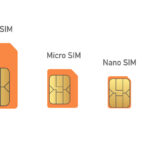
LTE Modem: The device’s main component that attaches to the cell tower and sends/receives data through a SIM card.
Processor/RCPU: One industrial strength (often 32bit or 64bit) computer processor that is responsible for routing data and/or converting protocols and managing the system Operation.
Memory (RAM/Flash): Holds the operating system, firmware, config settings and temporary data.
Wireless Radio (Wi-Fi): Converts LTE signal to a Wi-Fi signal (and typically either 2.4GHz and/or 5GHz) wireless beams for laptops, phones, and sensors to interact with.
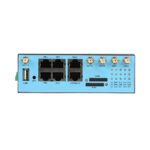
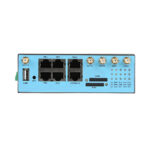
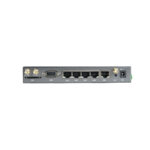
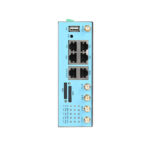
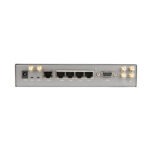
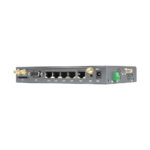
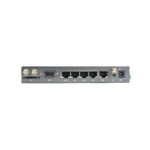
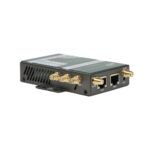
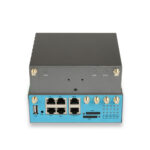
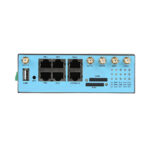
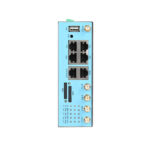
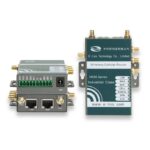
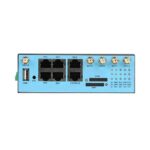
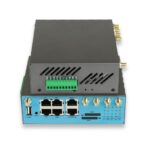
Ethernet Ports: Wired LAN– Local Area Network ports to directly connect devices through the Ethernet cable, and a WAN Wide Area Network port for wired connection failover.
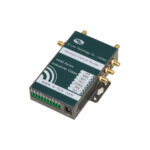
Serial Ports (RS232/RS485) — These are often found on industrial models to allow connection to older style industrial equipment (PLCs, HMIs etc.)
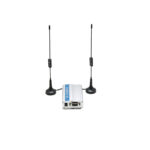
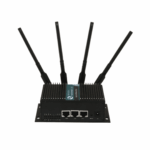
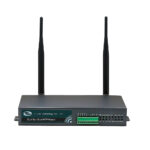
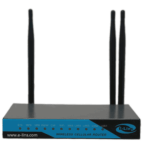
Antennas: Internal or external antennas for LTE cellular signal and Wi-Fi signal. External high-gain antennas also substantially improve reception in weak coverage areas.
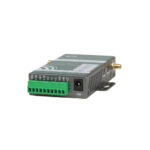
Power supply: industrial models are often multi-voltage input (9-60V DC) and redundancy power Input for reliability.
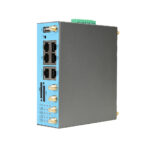
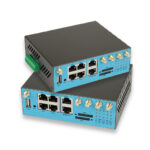
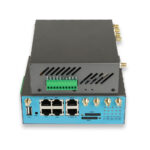
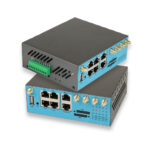
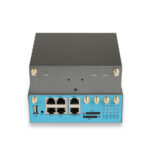
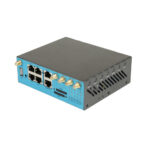
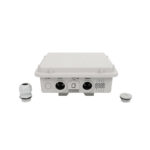
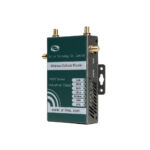
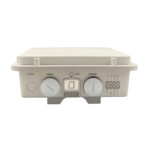
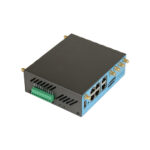
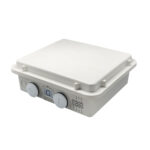
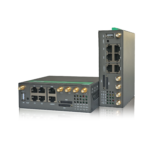
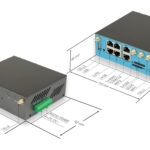
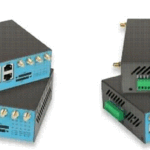
Enclosure: Consumer models are usually made of plastic. Industrial routers tend to be housed in rugged metal enclosures that protect against dust, water, vibration and extreme temperatures.
3. Basic Operation Principle
An LTE router operates virtually without process; however, it is powerful.
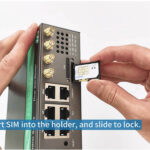
It uses a SIM card with an active data plan to connect the router’s LTE modem to the closest cellular base station.
It receives over the LTE network data it pulls from the internet.
Data is routed through router processors.
The data is consequently transferred to connected devices either wirelessly (Wi-Fi) or physically via Ethernet cables.
Similarly, any data from local devices is sent back through the router to the internet using the LTE connection.
Higher models of product range additional referral under VPN, firewall element transfer info streaming encrypted together with secured.
3) LTE Routers — LTE Routers: Key Applications & Use Cases
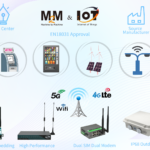
LTE routers are incredibly versatile. And their ability to provide instant, dependable connectivity anywhere with cellular signal has disrupted a wide range of industries.
1. Industrial IoT & Automation
This is the biggest and most important application for industrial LTE routers.
Factory automation: Connecting PLCs, sensors and robotic arms to SCADA or MES system for real-time monitoring and control.
Process Monitoring: Data sent from temperature, pressure and flow sensors in chemical plants, oil refineries and manufacturing plants.
Smart Grids: Enables remote monitoring as well as controlling of power substations, renewable energy farms (solar/wind) and utility meters.
Protocol conversion Industrial routers use viable protocols like Modbus and OPC UA, making it possible to connect disparate devices.
2. Remote & Rural Connectivity
Remote Worksites: Construction zones, mining operations, and fields of agriculture where digging trenches for fiber is impractical or too expensive.
Rural Homes & Businesses: High-speed internet to places without access to cable or DSL.
Environmental monitoring: weather stations, water quality sensors and wildlife cameras in remote natural areas.
3. Transportation & Mobility
Vehicle mounting: public transit Wi-Fi, fleet management systems for trucks, buses and train in-vehicle security.
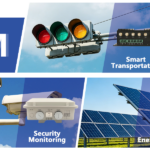
Intelligent Transportation Systems (ITS): Networking traffic cameras, road sensors and electronic toll collection systems
Maritime: The ability to provide Internet access for ships and boats at sea in coastal and inland waters.
4. Security & Surveillance
Remote CCTV: Streaming HD video via IP at temporary or remote locations (building sites, special events).
Perimeter Security–Integration of sensors, alarms and access control systems
Critical Infrastructure: Airports, seaports and power plants can count on dependable connectivity without interruption.
5. Retail & Commercial
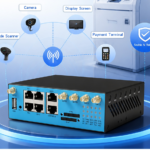
Point of Sale (POS): Firm connections for credit card terminals in retail, pop-up shops and movable merchants.
Digital Signage: Updating the content on outdoor and far-away digital displays.
Temporary events: Wi-Fi for concerts, festivals and conferences
6. Backup & Failover
Business Continuity: Serve as a main internet connection or even redundancy for offices. In case the primary wired being removed, LTE router automatically steps in to ensure non-stop functioning.
4) Important Considerations Regarding Features and Specification
These are critical features when choosing an LTE router, and are even more crucial for industrial or mission-critical applications:
1. LTE Category (Cat)
The LTE category specifies maximum speed and performance.
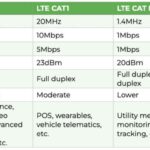
Cat 1: up to 10 Mbps; low cost, power – designed for basic M2M (e.g. utility meters)
Cat 4: Standard – (up to 150 Mbps down / 50 Mbps up) – The most common for general industrial applications.
Cat 6 / Cat 9: High Speed (up to 300-600 Mbps) – For HD video, big file sharing
Use Case
Leo Cat M1 / NB-Iot: Ultra-low power, wide area – Battery-powered IoT sensors
2. Industrial Grade vs. Consumer Grade
Compare Table
| Feature | Industrial LTE Router | Consumer LTE Router |
| Enclosure | Rugged metal, IP30/IP65 rated | Plastic |
| Temperature | Wide range (-40°C to +75°C) | Limited (0°C to 40°C) |
| Power Input | Wide voltage (9-60V DC), redundant | Fixed voltage (12V DC) |
| MTBF | >100,000 hours | <50,000 hours |
| Ports | Multiple Ethernet, RS232/485, DI/DO | 1-2 Ethernet ports only |
| Security | Full VPN suite (IPsec, OpenVPN), Firewall | Basic security |
| Reliability | Watchdog, dual SIM failover | Single SIM, basic firmware |
3. Network & Carrier Support
Dual SIM Card Slots: A must-have as redundancy Switches to second SIM automatically if primary network is not available.
Carrier Aggregation (CA) — Bundles multiple LTE bands to deliver higher speeds.
Step 1: Global Frequency Bands — Check and make sure the LTE bands supported by carriers in your target region like B1, B3, B7, B28 is covered with the router.
4. Security Features
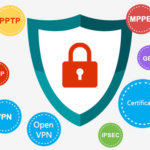
VPN Tunnels: IPsec, OpenVPN, L2TP for encrypted communication
Firewall & ACL: Stateful firewall as well as Access Control Lists to stop the unwanted traffic.
Data Encryption: Secure data transmission.
5. Management & Software
Cloud: Cloud (CMS, RMS, NMS), manage the routers anytime at anywhere.
Firmware Upgradability: Can it be upgraded to a new version for features or security patches?
QoS (Quality of Service) Uses QoS to prioritize non-browser (e.g., VoIP, video, etc.) traffic over general browsing.
5) FAQ — Frequently Asked Questions about LTE Routers
Q1: How an LTE router differs from a mobile hotspot?
A LTE router represents a permanent, fixed (or vehicle mounted) device designed for 24/7 operation allowing multiple wired and wireless devices to be connected (often 20+) supporting additional features such as VPN functionality, dual SIM support and industrial ruggedization. A mobile hotspot is a personal, portable and battery powered consumer grade device that can be used for temporary purposes optionally, supporting few (5-10) devices a time it will not have the power nor advanced features of a router.
Q2: Can I apply any SIM card to this method?
In a technical sense, but in practice you want to use a SIM card from an operator with good coverage in your area for best performance and reliability ESPECIALLY when it comes to industrial models. Standard consumer data plans include a few gigabytes for use over the month, while many carriers have specific M2M data plans available specifically for LTE routers that work out cheaper on an ongoing basis. To use any SIM, the router must be unlocked.
Things like LTE routers and how many devices does an LTE router support.
This depends on the model. Even consumer-class routers only support 10–15 devices. In mid-range industrial models, they can handle 30-50 simultaneous connections. More powerful processors and newer Wi-Fi (Wi-Fi 5/6) can support for over 100 devices for high-end enterprise-grade LTE routers.
Q3: How much data does an industrial LTE router use on average?
Data usage varies wildly. For example, you could expect basic telemetry (sensor data) to require 50MB-1GB/month. Data Rate (HD video surveillance w/ 50GB – 200GBusage per month/per camera) Selecting the right data plan is important to your consumption style. In addition, some routers are equipped with inbuilt data monitoring to keep watch on consumption.
Q4: Are LTE routers secure?
Consumer level LTE routers have low hand-made security. Industrial-grade LTE routers, on the other hand, are designed to be highly secure and include enterprise-grade VPN encryption, firewalls and access logs. But if configured correctly (strong passwords, VPNs and disabling unnecessary services, etc), they can offer a highly secure link for critical industrial data.
Q5: Are LTE Routers Dead with 5G?
4G LTE networks will still remain active for 10+ years in places as 5G begins to roll out globally. LTE provides much better coverage than 5G (especially for high-band 5G) in rural and remote areas. LTE routers will continue to be the top choice for many industrial, M2M and remote applications as they offer a lower price point, more coverage and have historically been tested and proven reliable. Additionally, many of today’s LTE routers are “5G-ready” with modules that can be upgraded.
Conclusion
LTE routers are a proven, stable & low-cost solution that allow high speed Internet access to reach the most difficult locations. Regardless of whether you are an engineer designing an IIoT network, a business owner needing a failover connection or a farmer in need of some connectivity while out in the middle of your field, knowing the ins and outs of LTE routers — core principles, applications and features — can save time and often money. Select an appropriate industrial-grade LTE router to achieve a faultless, secure and uninterrupted connection that drives your mission-critical operations.

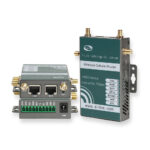
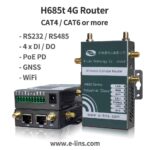
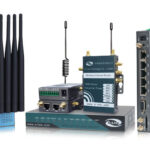
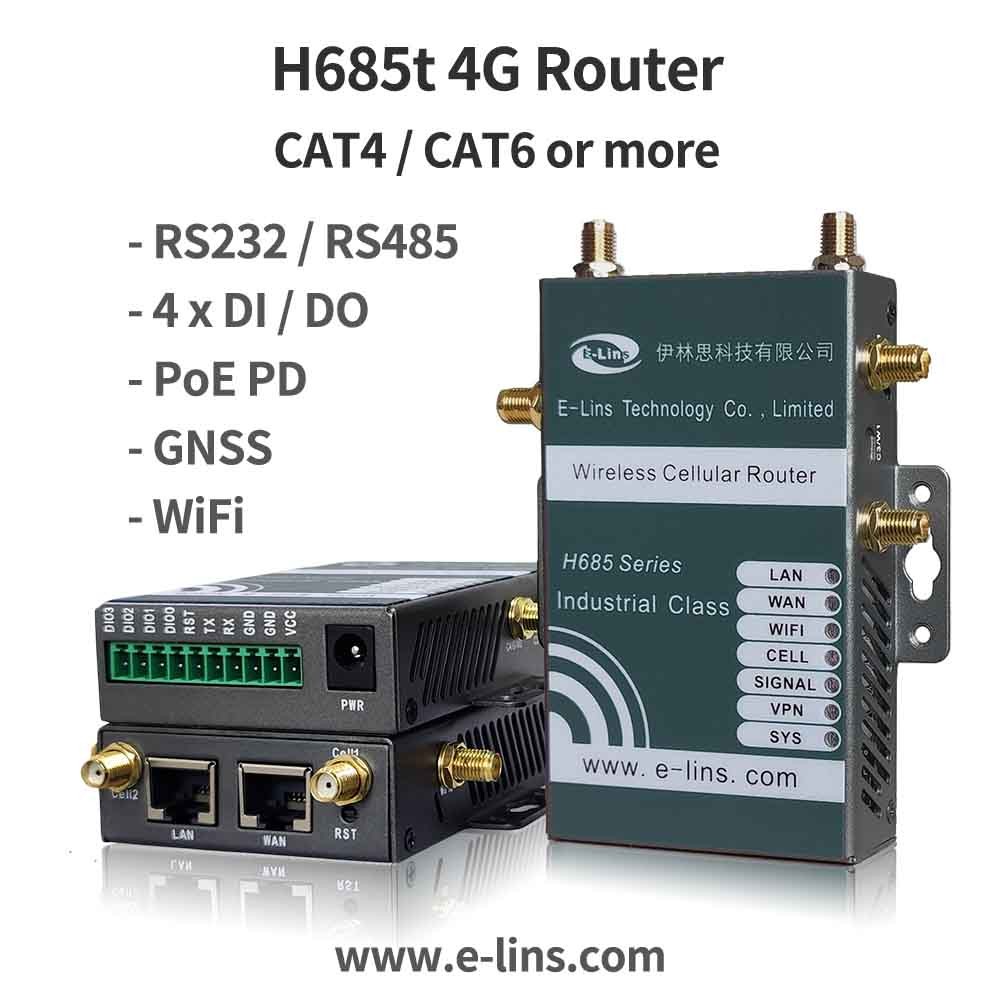
Do you need a reliable 4G LTE Router? You could contact with E-Lins, a IoT expert, providing many excellent 4G LTE Routers.