





























In the perfect world, every network packet arrives instantly and intact. In the real world of IoT—with shaky cellular signals, congested Wi-Fi, and sleeping devices—data loss is a constant threat. Sending a critical “engine overheating” alert cannot be a guessing game. This is where MQTT’s Quality of Service (QoS) mechanisms shine, providing developers with powerful tools to match message delivery guarantees to application needs.
QoS is not a one-size-fits-all setting; it’s a strategic choice that balances reliability, latency, and network overhead. Let’s break down the three levels:
QoS 0: At Most Once (Fire and Forget)
This is the simplest and fastest mode. The sender publishes the message once, and no acknowledgment is expected or stored. It’s ideal for non-critical, high-frequency data where occasional loss is acceptable. Think of a rapid stream of GPS coordinates from a moving vehicle—losing one point in a hundred is negligible, and speed is key.
QoS 1: At Least Once
Here, we step up in reliability. The sender stores the message and re-sends it until it receives a PUBACK acknowledgment from the receiver. This guarantees the message arrives, but it can lead to duplicates. The subscriber must be able to handle receiving the same message multiple times (e.g., through idempotent operations or message IDs). Use this for important commands or status updates where getting the data is crucial, but processing it twice is harmless. Example: A “lock door” command.

QoS 2: Exactly Once
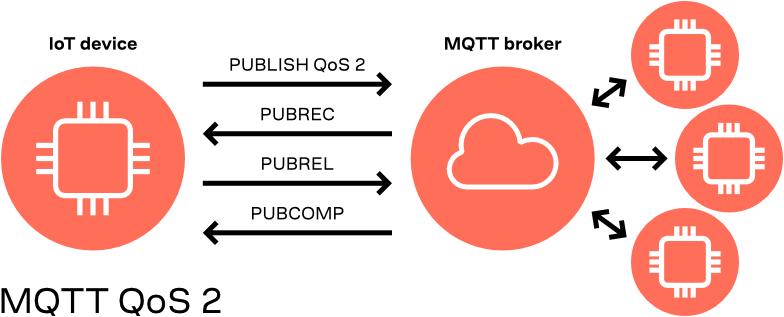
The gold standard for guaranteed, duplicate-free delivery. It involves a four-step handshake: publish, store, PUBREC (received), PUBREL (release), PUBCOMP (complete). This ensures the message is delivered once and only once. The trade-off is significantly higher latency and bandwidth usage. Reserve this for mission-critical transactions where duplicates are catastrophic, such as a financial transaction or a “dispense medication” command in healthcare.
The Broker’s Role and Flow Control
Crucially, QoS is a contract between a client and the broker, and between the broker and a subscribing client. A message published at QoS 1 is guaranteed to reach the broker. The broker must then honor at least QoS 1 when delivering it to subscribers. This creates an end-to-end flow control system.
Choosing the Right QoS: A Practical Guide
- Use QoS 0 for vast volumes of loss-tolerant telemetry (environmental sensors).
- Default to QoS 1 for most application commands and important alerts. It’s the sweet spot of reliability and performance.
- Use QoS 2 sparingly for critical state changes or actions with real-world consequences.
By thoughtfully implementing QoS, you design your IoT system with inherent resilience. You explicitly define the importance of each data flow, allowing MQTT to manage retries and guarantees automatically, ensuring your application logic remains clean while operating reliably in the messy reality of global networks.
Popular FAQs for MQTT
1)What is MQTT?
MQTT is a lightweight, publish-subscribe network protocol designed for constrained devices and low-bandwidth, high-latency, or unreliable networks. It is ideal for Internet of Things (IoT) and Machine-to-Machine (M2M) communication.
2)How does the MQTT publish/subscribe model work?
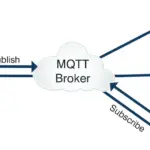
Instead of communicating directly with a device, clients (publishers or subscribers) connect to a central broker. Publishers send messages to specific topics, and subscribers receive messages from topics they are interested in. The broker handles all message routing.
3)What is an MQTT Broker?
The broker is the server that receives all messages from publishers, filters them, determines which subscribed clients are interested, and then forwards the messages to those subscribers. Examples include Mosquitto, HiveMQ, and EMQX.
4)What are MQTT Topics?
Topics are UTF-8 strings that act as addresses for message routing. They are structured hierarchically with forward slashes (/) as separators (e.g., home/livingroom/temperature). Subscribers can use wildcards (+ for a single level, # for multiple levels) to subscribe to multiple topics.
5)What are MQTT QoS Levels and why are they important?
Quality of Service (QoS) defines the guarantee of delivery for a message. There are three levels:
QoS 0 (At most once): Fastest, no guarantee (“fire and forget”).
QoS 1 (At least once): Guarantees delivery, but duplicates may occur (acknowledged delivery).
QoS 2 (Exactly once): Highest assurance, guarantees delivery exactly once (most overhead).
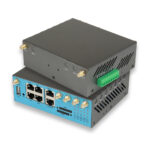
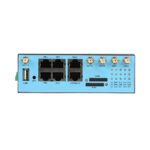
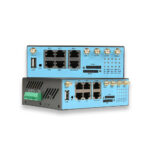
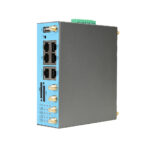
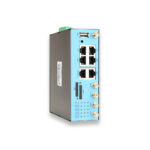
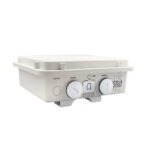
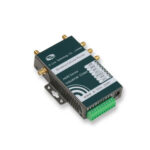
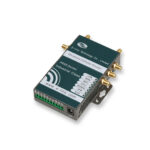
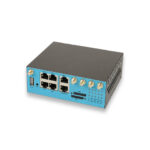
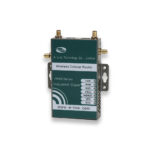
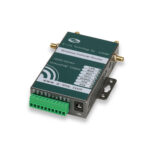
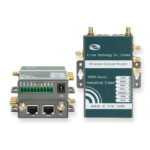
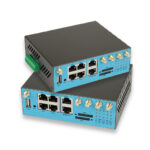
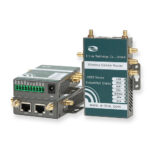
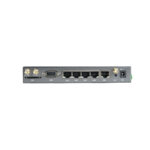
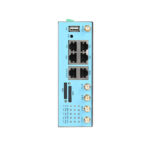
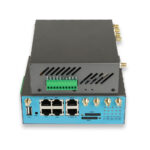
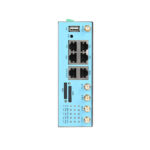
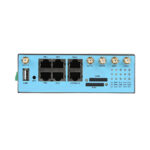
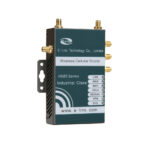
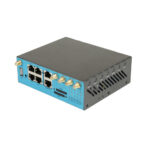
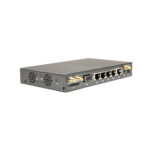
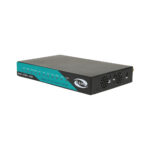
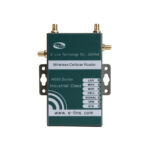
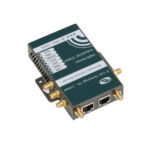
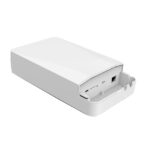
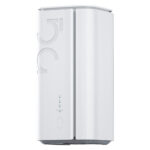
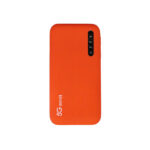
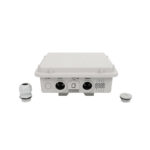
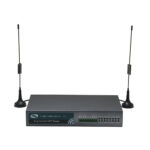
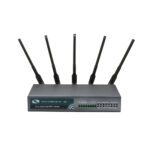
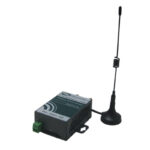
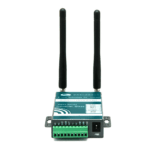
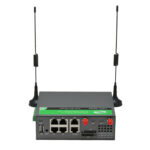
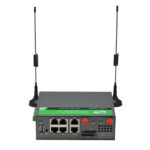
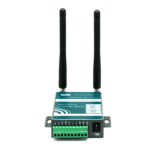
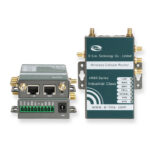
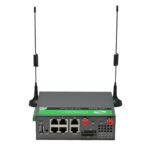
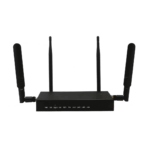
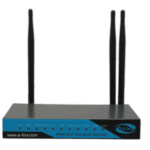
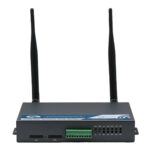
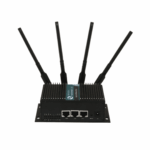
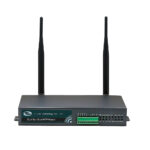
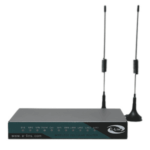
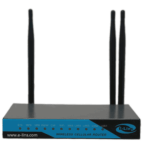
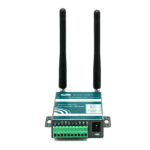
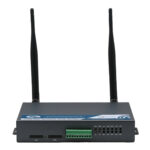
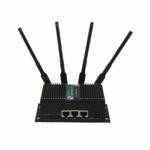
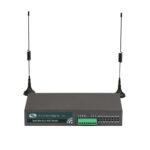
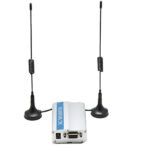
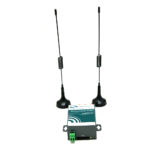
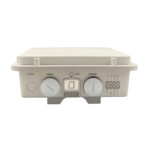
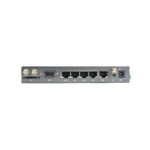
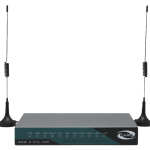
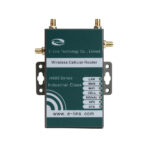
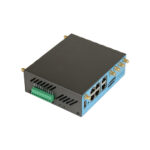
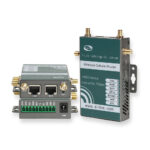
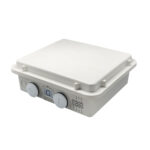
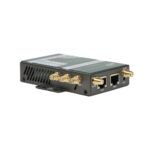
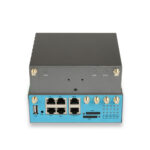
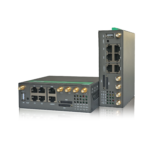
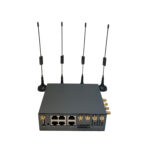
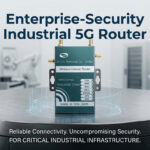
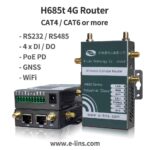
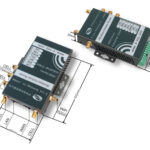
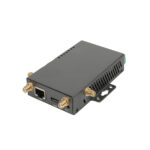
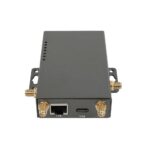
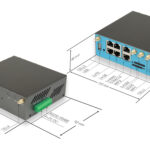
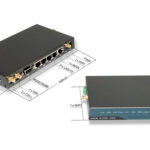
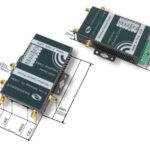
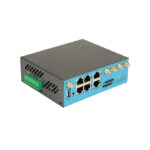
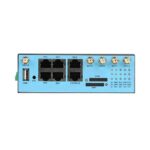
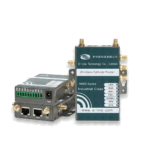
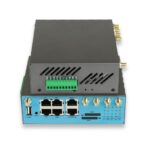
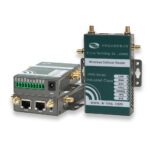
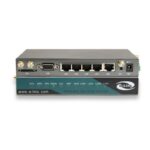
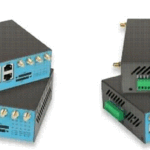
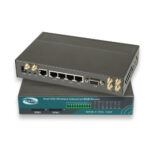
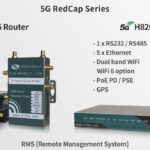
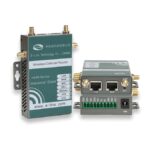
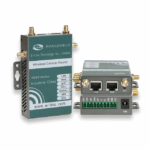
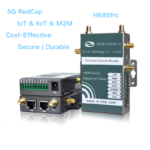
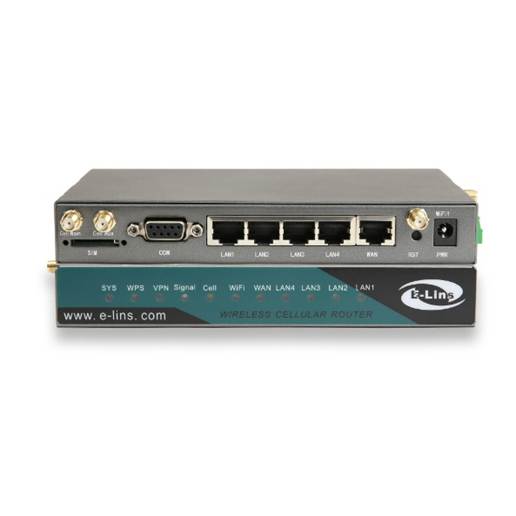
If you need IoT Router with MQTT, you can have a quick view of E-Lins, the China best 4G Router Manufacturer and 5G Router Manufacturer.