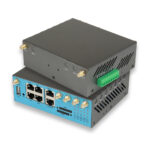
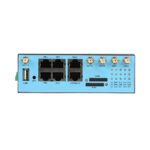
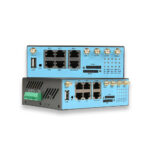
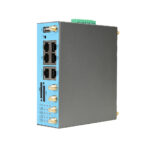

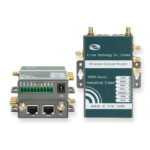
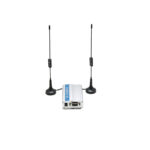
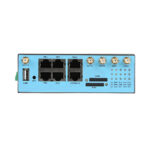
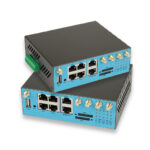
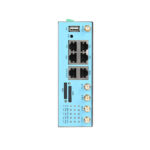
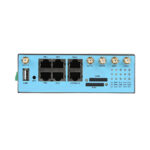
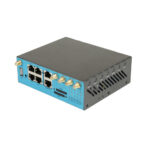
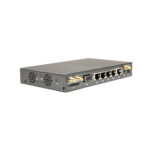
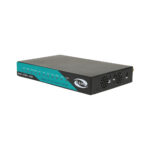
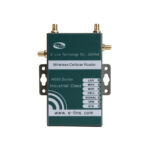
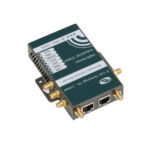
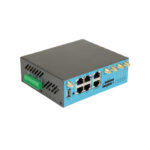
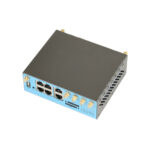





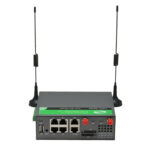
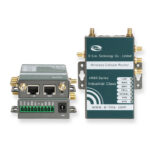
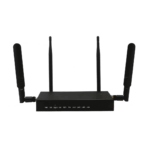
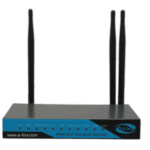
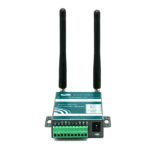
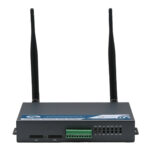
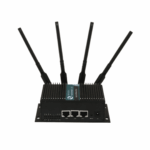
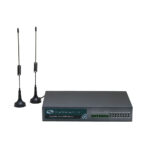
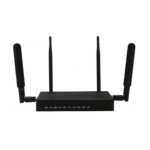
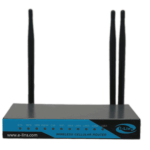
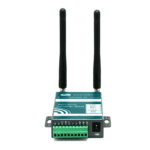
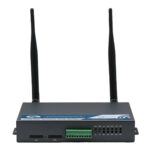
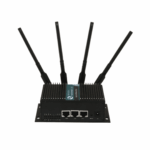
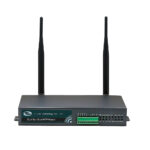
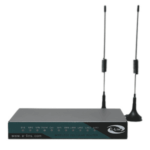
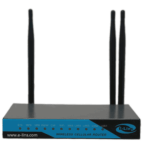
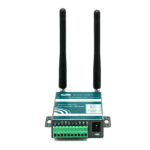
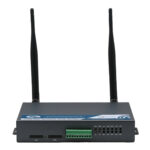
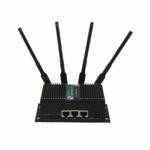
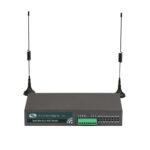
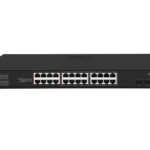
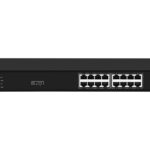
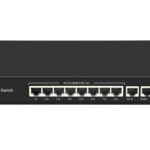
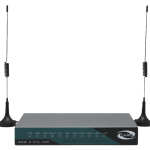
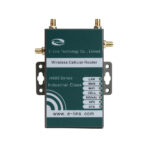
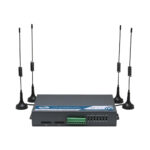
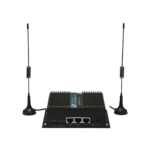
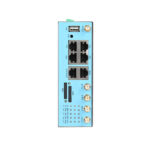
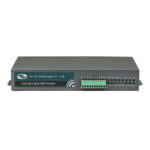
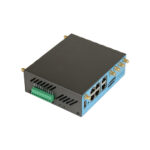
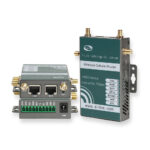
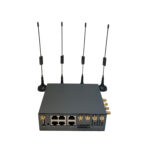
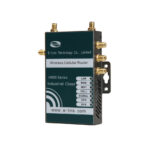
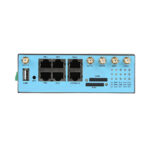
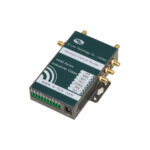
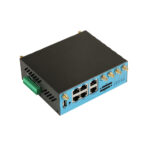
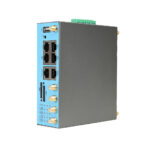
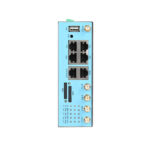












































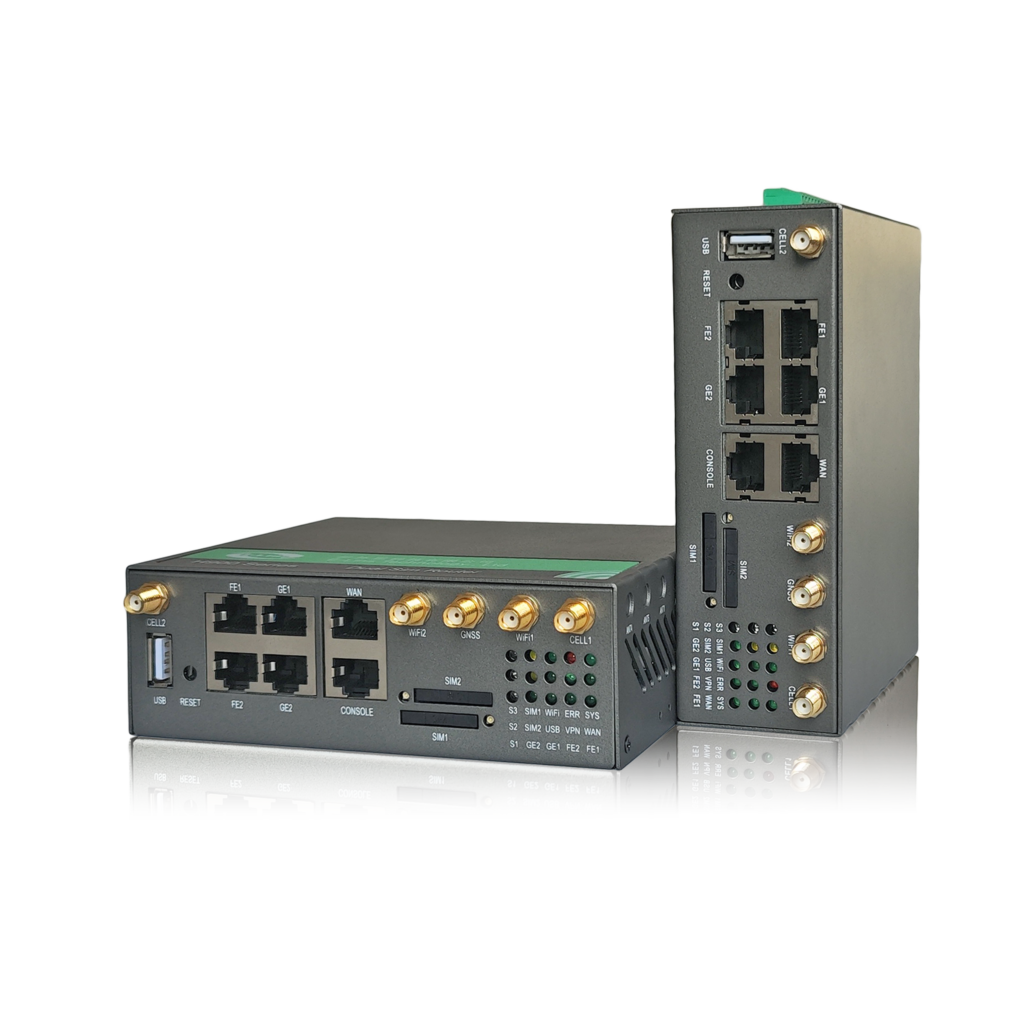
How to choose a router between an IoT 4G Router and an enterprise router? When we use IoT router and when use enterprise router? Understanding their specific features and applications is essential. Both types of routers serve different environments and needs.
Enterprise routers are designed for high-speed networks in stable indoor environments, industrial routers are deployed in industrial conditions while providing stable connectivity.
In this blog, we’ll declare the key differences between IoT routers and enterprise routers from their scenario of use, network management, resilience, stability, and interfaces.
Scenario: Different Environments suit for Different Needs
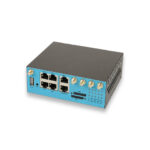
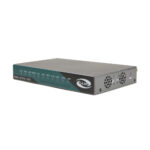
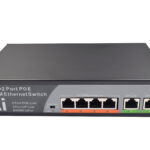
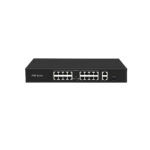
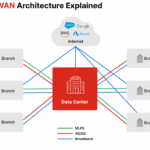
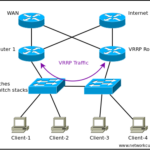
- Enterprise Router: Typically found in IT data centers, or offices, enterprise routers are designed for indoor environments. They provide high-speed network connectivity and support sophisticated functions for businesses that require advanced routing, security, and network monitoring features.

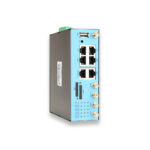
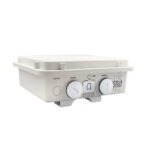
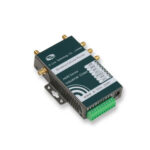
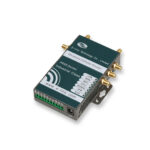
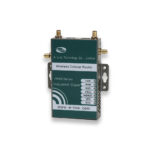
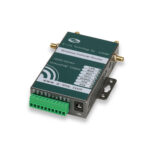
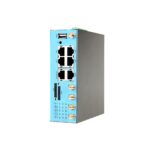
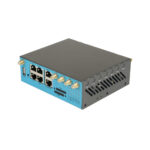
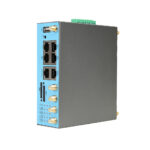
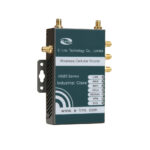
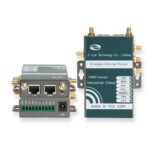
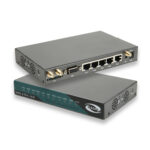
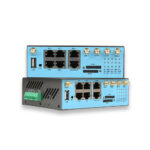
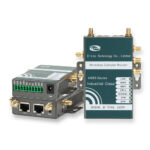
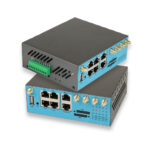
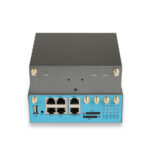
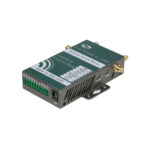
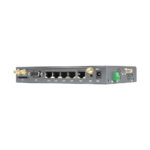
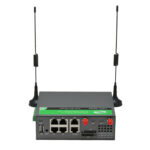
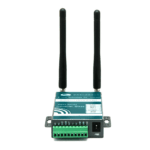
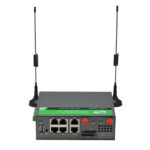
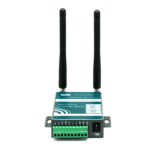
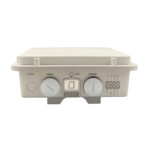
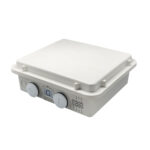
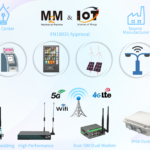
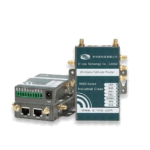
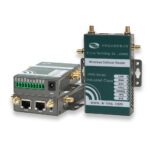
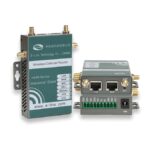
- IoT Router: IoT routers are designed for much more rugged environments. They are used in IoT cases such as factories, banks, CCTV, remote locations, or outdoor setups where conditions are less controlled. These routers are built to handle extreme temperatures, humidity, and vibrations, making them highly resilient in harsh environments. While they may not support the same complex network functions as enterprise routers, their design focuses on stability and long-term performance.
Network Management: Complex vs Simplified
- Enterprise Router: Enterprise routers are known for their rich network management capabilities. They support complex network structures, providing features such as advanced routing, switching, security measures, and comprehensive monitoring tools. Enterprise networks often require complex management to handle a large number of users, devices, and data traffic while ensuring security and efficiency. These routers are ideal for businesses with IT departments that can manage these sophisticated networks.
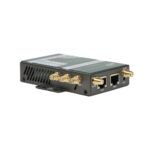
- IoT Router: IoT routers, while simpler in terms of network management, focus on providing essential internet connectivity. They offer basic routing and security features but are tailored to the needs of industrial applications, such as connecting machinery, sensors, and control systems. Their ease of configuration and management makes them perfect for environments where simple and reliable connectivity is the primary requirement, particularly at distributed industrial sites. Additionally, many industrial routers are cloud-managed, enabling remote control and monitoring for enhanced network oversight.
Resilience and Stability: Designed for the Environment
- Enterprise Router: These routers are designed for relatively stable indoor environments, such as offices or data centers, where temperature, humidity, and other environmental factors are controlled. Enterprise routers prioritize high data throughput and fast network speeds but are less capable of handling extreme conditions. Prolonged exposure to varying environmental factors may lead to performance issues or even hardware failure.
- IoT Router: Resilience and stability are where IoT routers truly shine. These devices are built to maintain long-term, stable performance in harsh environments, including extreme temperatures, dust, moisture, and vibration-prone settings. This rugged design allows IoT routers to remain operational in challenging outdoor or industrial locations where enterprise routers might falter. Whether on a factory floor or in remote oil fields, IoT routers are optimized for reliability under extreme conditions.

Interfaces: Tailored to the Application
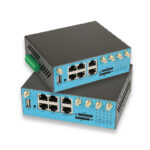
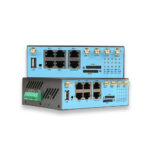
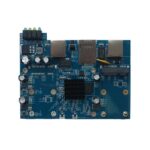
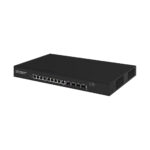
- Enterprise Router: Enterprise routers come equipped with high-speed interfaces designed to support large data traffic and bandwidth needs. Typical interfaces include 10G optical ports and electric ports, which enable fast data transmission for applications like cloud computing, big data, and real-time communications. These routers are ideal for businesses that need high-performance connectivity and rapid data transfer capabilities.
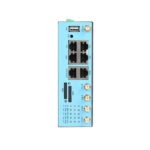
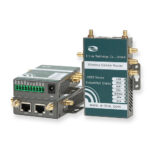
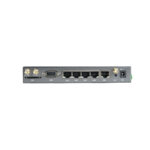
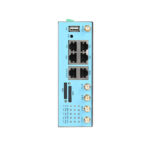
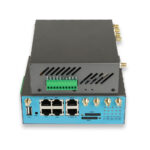
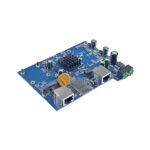
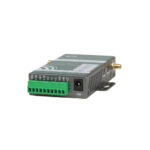
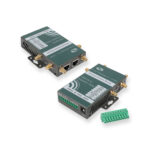
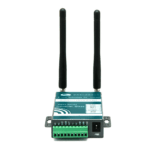
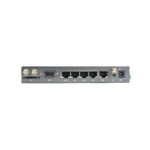
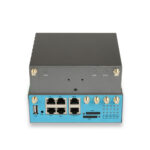
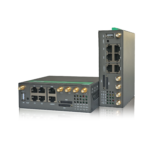
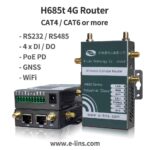
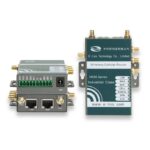
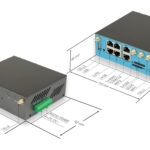
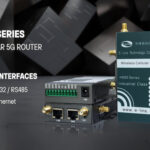
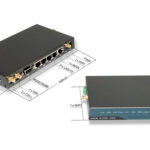
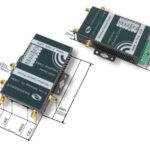
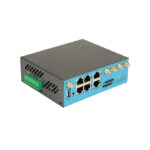
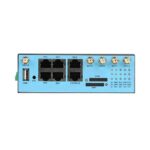
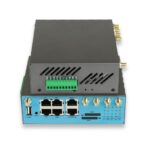
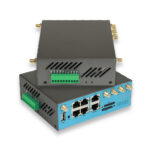
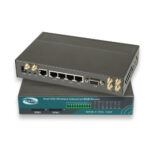
- IoT Router: IoT routers, in contrast, offer a variety of interfaces suited for industrial applications. These may include Ethernet ports, RS232, RS485, IO, and GPS, enabling connections to factory machinery, sensors, and control systems. The diversity of these interfaces ensures that industrial routers can seamlessly integrate with a wide range of industrial equipment, making them a critical component in automation and control systems.
Conclusion: The Right Router for the Right Job
Both enterprise routers and IoT routers have their strengths, but they serve different purposes. Choosing the right router depends on your specific needs: if you’re looking for high performance in a controlled, indoor environment, an enterprise router is the right choice. If you need durable, long-lasting performance in rugged conditions, an IoT router is the suitable choice.
In the end, if you are sourcing IoT 4G Router, E-Lins will be a good choice for you, A IoT expert since 2005.