





































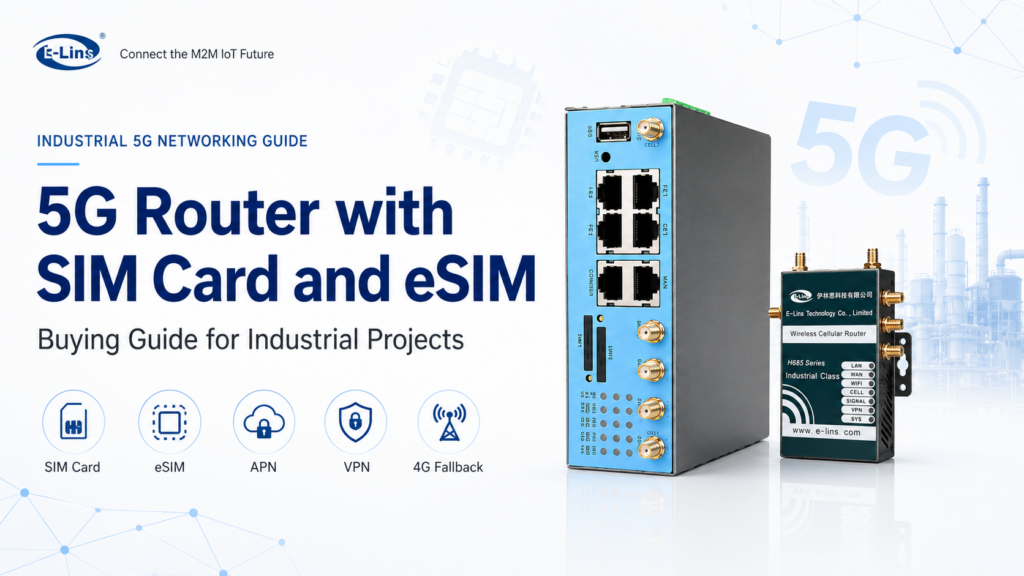
Industrial 5G projects often become difficult after installation because SIM planning was treated as a small detail. In practice, multi-region deployment, APN policy, fixed IP access, carrier coverage, VPN tunnels, and remote management can affect daily maintenance as much as router hardware. Therefore, selecting a 5G Router should start from the real network architecture, not only from speed or module specifications.
A 5g router with sim card can connect remote equipment through a physical SIM, eSIM profile, or mixed carrier plan. However, the right choice depends on the deployment country, carrier support, APN rules, network bands, antenna position, security policy, and long-term maintenance workflow.
This buying guide explains how SIM card and eSIM planning affects industrial 5G router projects, when dual SIM matters, how APN and fixed IP should be handled, where RedCap fits, and what buyers should confirm before batch deployment.
What Is a 5G Router with SIM Card?
A 5g router with sim card connects field equipment to a mobile network through a carrier SIM card, eSIM profile, or mixed SIM plan. Then, it shares that cellular connection with local devices through Ethernet, Wi-Fi, serial ports, or other industrial interfaces.
Unlike a consumer hotspot, an industrial cellular router is designed for uptime, security, and integration. It may support LAN/WAN routing, VPN, firewall rules, watchdog recovery, remote management, DIN rail installation, wide-voltage input, and external antennas.
Therefore, the SIM plan is not only a data plan. It controls carrier access, APN profile, IP addressing, roaming behavior, traffic cost, remote access permissions, and sometimes private network routing. For industrial buyers, this means the router and the SIM strategy should be selected together.
Simple explanation: the router is the field gateway, while the SIM or eSIM is the network identity. If the SIM policy is wrong, the router may power on and show signal but still fail to support remote access, VPN, fixed IP, or platform communication.
SIM Card vs eSIM in Industrial Projects
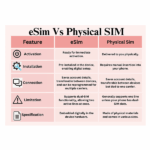
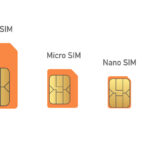
Physical SIM and eSIM both provide mobile network identity. However, they support different deployment models. A physical SIM is familiar, simple to test, and easy to replace during local maintenance.
In contrast, eSIM can reduce physical card handling when devices are shipped across regions. It may also help projects that need remote carrier profile provisioning, depending on carrier and platform support. GSMA explains eSIM as a technology that can support remote SIM provisioning for consumer, M2M, and IoT devices.
For a regional project, physical SIM may remain the most practical choice. A local carrier plan can be prepared, inserted, labeled, and tested before installation. Meanwhile, dual SIM can add backup access if one carrier has weak coverage or temporary service interruption.
For cross-border deployment, eSIM can simplify logistics. Still, eSIM should not be treated as universal. Before selecting a 5G Router with SIM Card, carrier support, activation rules, region policy, profile switching, and router compatibility should be confirmed.
A practical approach is to test one physical SIM plan first, confirm APN and remote access, then evaluate whether eSIM or dual SIM improves the maintenance model for batch deployment.
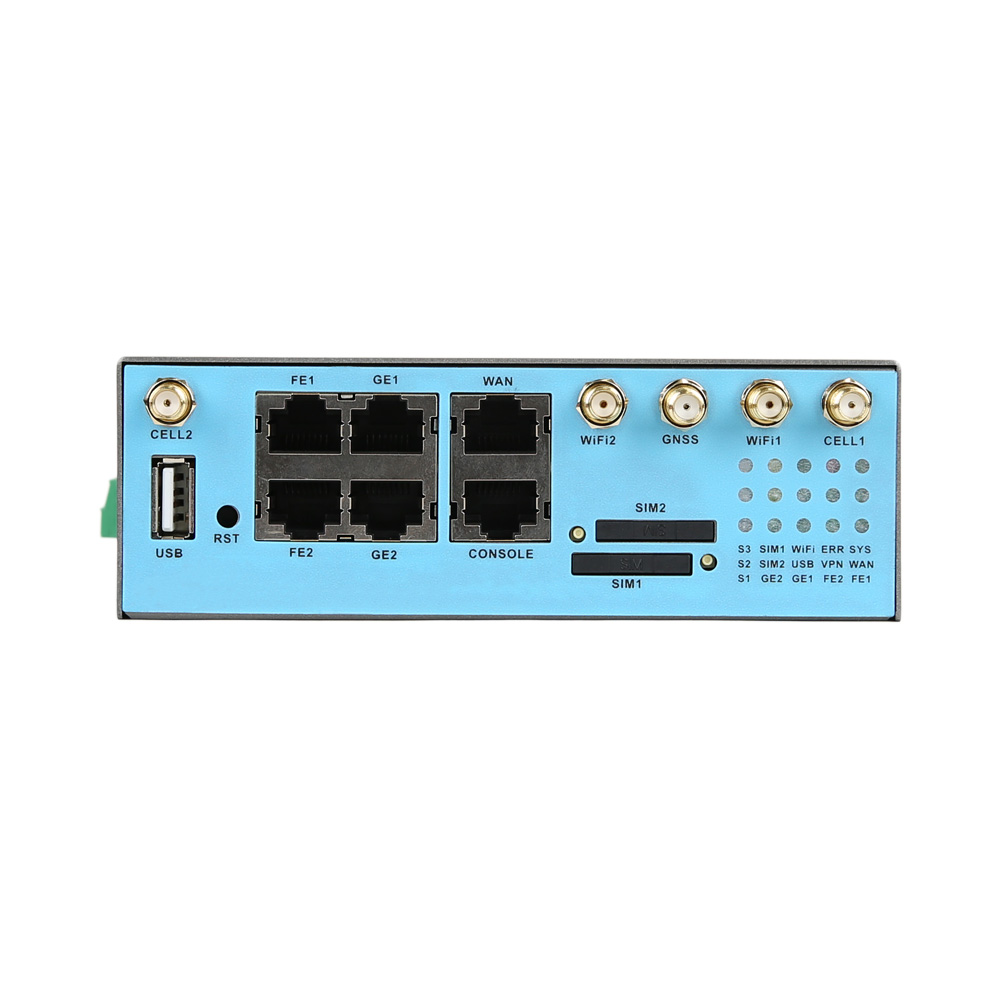
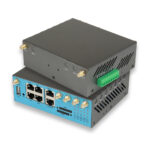
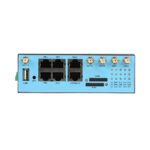
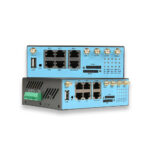
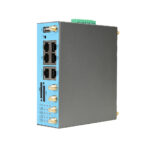
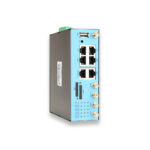
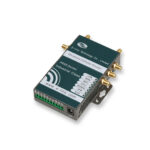
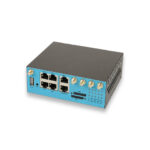
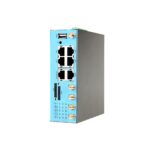
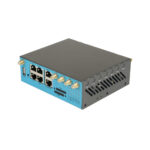
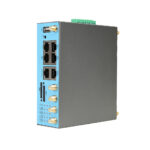
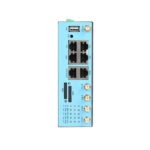
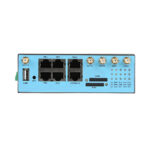
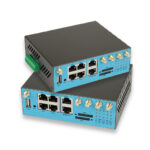
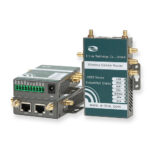
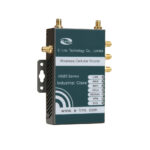
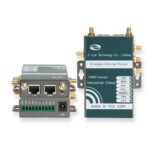
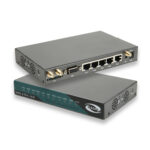
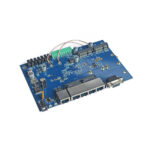
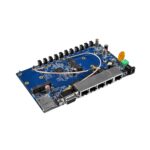
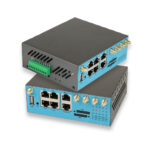
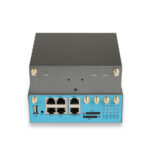
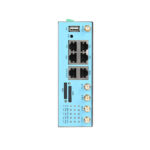
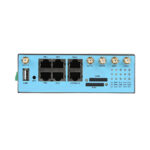
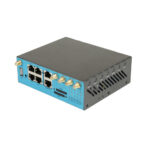
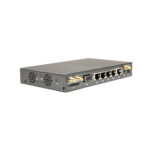
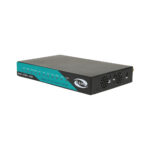
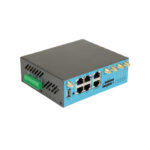
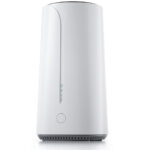
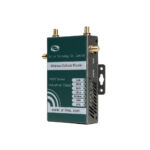
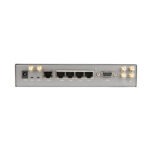
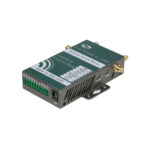
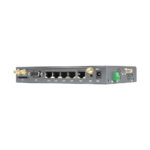
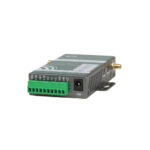
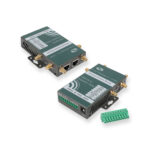
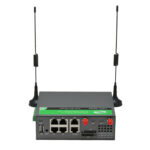
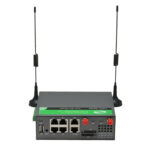
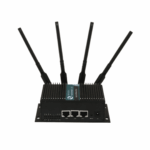
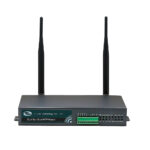
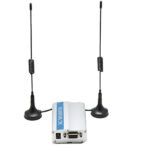
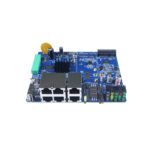
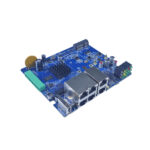
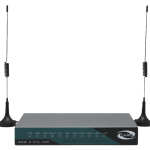
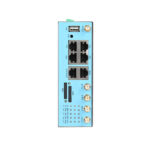
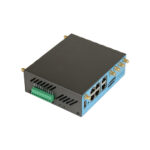
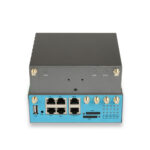
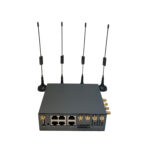
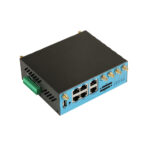
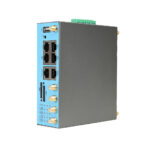
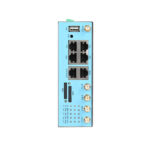
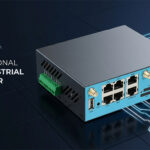
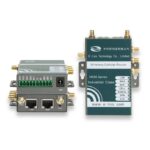
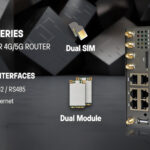
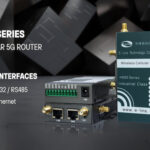
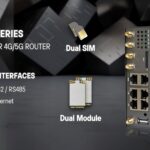
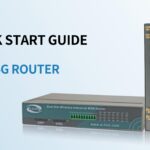
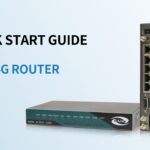
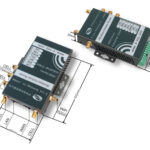
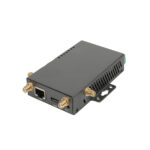
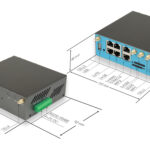
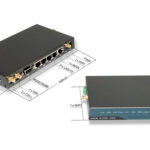
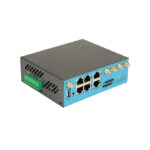
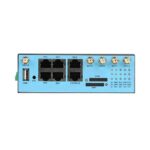
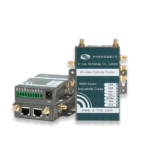
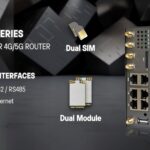
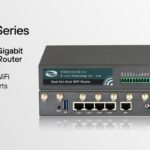
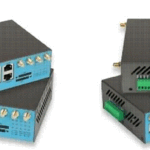
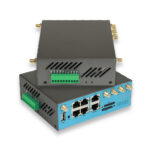
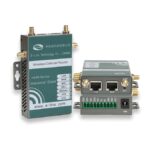
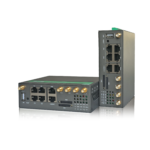
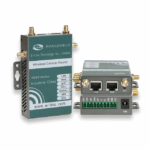
H900f Dual SIM Industrial 5G Router
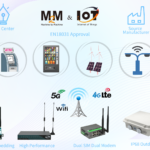
This product direction is highly relevant for projects that need dual SIM planning, carrier redundancy, Ethernet integration, VPN access, remote management, and SIM-based industrial 5G deployment.
View ProductAPN, Fixed IP, Private Network, and Remote Access
APN means Access Point Name. In simple terms, it tells the mobile network which data gateway, IP policy, and service profile the SIM should use. Therefore, APN settings can decide whether the router only reaches the public internet or joins a controlled enterprise network.
A normal internet APN may work for outbound data upload. However, it may not allow inbound access from a control center because the router may sit behind carrier-grade NAT. In that case, direct remote access to a PLC, camera, or industrial PC can fail even when the router shows online.
A fixed IP can help when direct addressable access is required. For example, a maintenance center may need a stable endpoint for VPN, camera review, site diagnostics, or SCADA access. Still, fixed public IP is not always the safest answer.
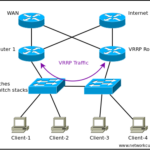
Instead, many industrial projects use VPN, private APN, private IP routing, or platform-based outbound connections. Consequently, APN, fixed IP, firewall policy, and VPN architecture should be confirmed before volume purchase.
When buying a 5g router with sim card, ask the carrier whether the SIM supports the required APN type, whether it uses CGNAT, and whether fixed IP or private APN can be activated in all deployment regions.
Why 5G / 4G Fallback Matters
5G coverage continues to expand, but industrial sites cannot assume that every location has stable 5G service. Terrain, cabinet material, antenna position, carrier load, moving vehicles, and indoor installation can all affect signal quality.
In practice, a router may use 5G when the signal is available and then fall back to 4G LTE when 5G becomes weak or unavailable. This helps remote monitoring systems, mobile equipment, temporary sites, and unattended cabinets continue data transmission.
However, fallback is not the same as dual SIM failover. Fallback changes radio access technology on one service. Dual SIM failover changes carrier or SIM path. For critical projects, both functions may be useful.
For example, a roadside cabinet may prefer Carrier A on 5G, Carrier A on 4G as fallback, and Carrier B as a second SIM backup. This design gives the project more continuity than relying on one network path only.
Where 5G RedCap Router Fits
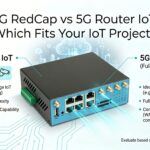
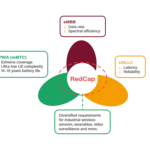
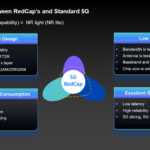
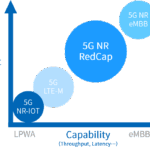
5G RedCap, also called reduced capability 5G, is not the same as full 5G broadband. It is designed for IoT applications that need 5G network access but do not need the highest throughput of full 5G systems.
For example, telemetry, equipment status, alarms, meter data, remote control, and moderate data transmission may fit RedCap planning. Meanwhile, high-bandwidth video backhaul, heavy multi-device traffic, and advanced edge network loads may still need full 5G router evaluation.
3GPP describes RedCap as a reduced capability NR device direction. For industrial projects, this means RedCap can be reviewed when the project needs a 5G evolution path but does not need full high-speed 5G performance.
Therefore, a 5G RedCap Router should be considered as one option, not the main answer for every deployment. Carrier support, regional network availability, bandwidth needs, interface requirements, and lifecycle planning should be reviewed first.
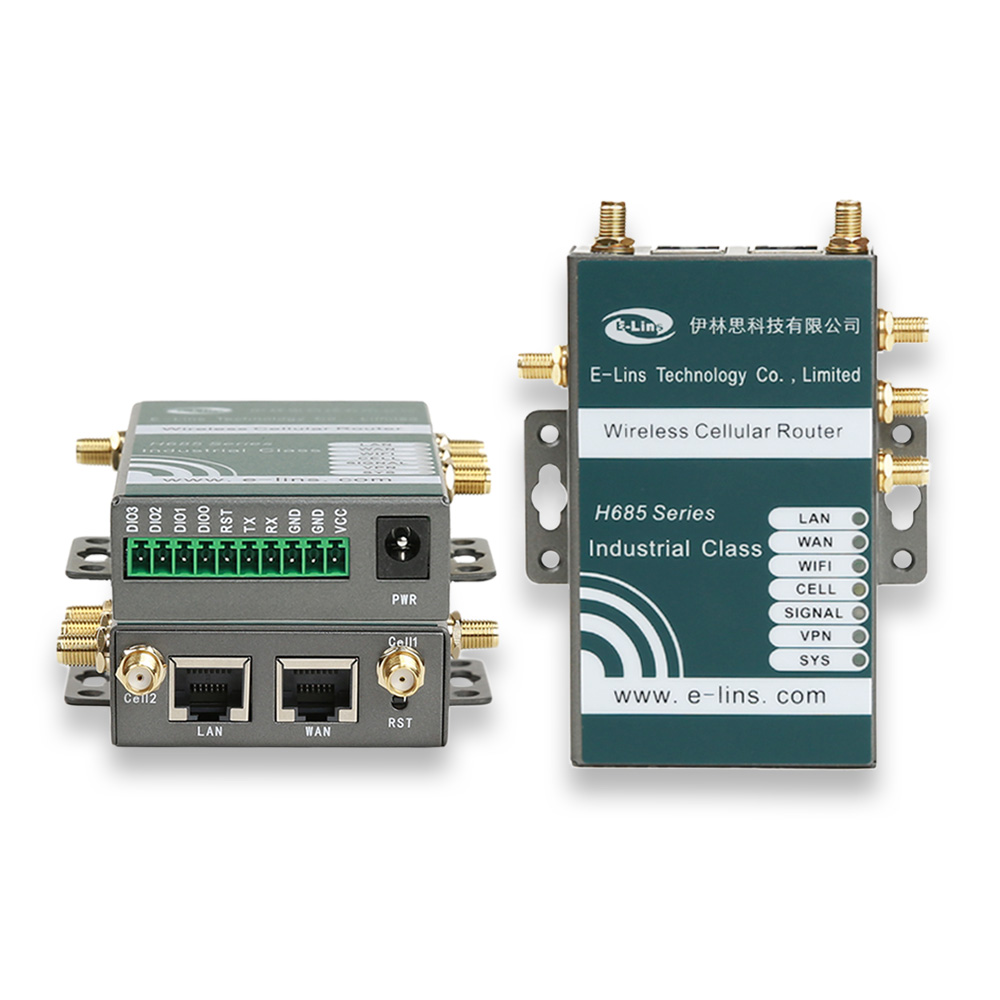
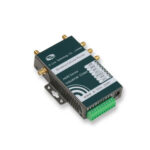
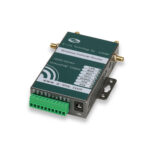
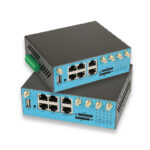
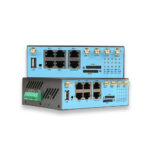
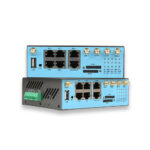
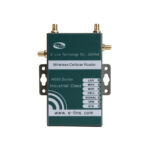
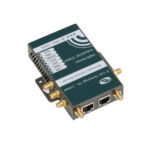
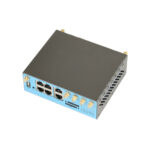
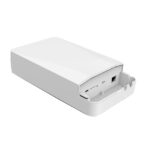
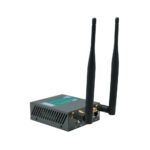
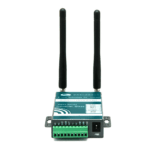
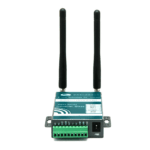
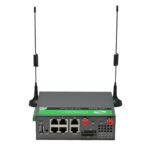
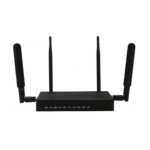
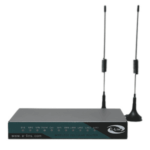
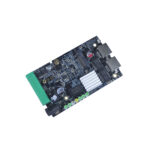
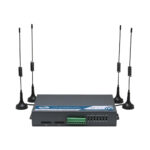
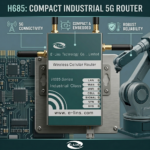
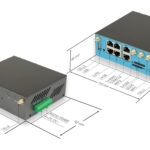
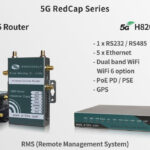
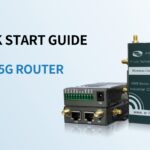
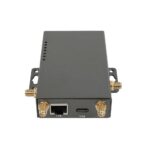
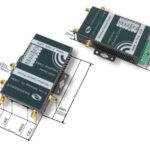
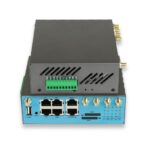
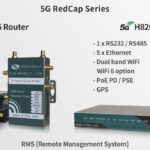
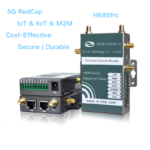
H685frc 5G RedCap Router
This RedCap router direction is suitable for IoT-oriented deployments that need practical 5G access, VPN, remote management, and moderate data transmission.
View RedCap ProductWhich Router Direction Fits Your SIM Project?
Different industrial sites need different SIM and router structures. The choice should follow device count, carrier availability, remote access method, and maintenance risk.
Single-site deployment
Use one tested carrier SIM when coverage is stable, data is predictable, and local maintenance is available.
Critical remote sites
Consider dual SIM, VPN recovery, external antennas, watchdog, and configuration backup to reduce field visits.
Multi-region projects
Review eSIM, roaming, local carrier profiles, APN differences, band compatibility, and remote provisioning rules.
Buying Checklist for Batch Deployment
Batch deployment needs a different checklist from a single test device. Therefore, the review should include hardware, carrier service, security, management, and installation conditions together.
| Selection Item | Why It Matters | What to Confirm |
|---|---|---|
| Deployment region | Different countries and carriers use different bands, SIM rules, and APN policies. | Country, carrier, 5G/4G bands, roaming rules, and certification requirements. |
| SIM structure | The SIM structure affects deployment speed, backup design, and maintenance workflow. | Single SIM, dual SIM, eSIM, physical SIM, or hybrid plan. |
| APN and IP policy | A wrong APN can block platform access, VPN connection, or inbound maintenance. | APN name, username, password, fixed IP, CGNAT, private APN, and NAT policy. |
| Interfaces | The router must match local devices and installation design. | LAN, WAN, Wi-Fi, RS232, RS485, DI/DO, USB, PoE, and antenna ports. |
| Security | Remote industrial equipment should not be exposed without access control. | IPsec, OpenVPN, WireGuard, firewall rules, password policy, and access logs. |
| Maintenance | Distributed sites need remote checks and fewer field visits. | Remote reboot, firmware update, watchdog, SNMP, TR-069, NMS, and backup config. |
Before ordering a 5g router with sim card for batch deployment, prepare these details in one document. This makes it easier for the supplier to recommend the correct model, antenna, carrier configuration, and remote access method.
Application Scenarios
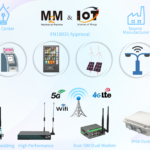
Industrial SIM and eSIM planning appears in many vertical projects. However, each scenario has different priorities, so the router should be selected by network role and maintenance workflow.
Smart Manufacturing and Factory Networks
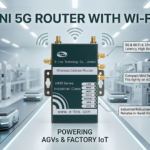
In factories, a router may connect industrial PCs, PLCs, cameras, AGVs, sensors, and edge gateways. Therefore, stable LAN routing, secure VPN, and controlled access can matter more than peak cellular speed.
Energy, Power, and Utility Sites
For substations, solar sites, wind farms, and battery cabinets, remote access and uptime are central. In addition, dual SIM and private APN may help when sites are distributed across wide areas.
Transportation and Vehicle Connectivity
In buses, trucks, rail systems, roadside cabinets, and mobile command units, signal conditions change during movement. As a result, 5G/4G fallback, antenna placement, and power input stability should be tested early.
Video Monitoring and Temporary Sites
For construction sites, ports, campuses, mines, and temporary security zones, uplink capacity and remote viewing need careful planning. However, direct camera access may still require VPN, fixed IP, cloud platform access, or private APN design.
External References for SIM, eSIM, and RedCap Planning
For buyers who need to understand eSIM at a standard level, the GSMA eSIM overview is useful because GSMA provides eSIM specifications and industry guidance for consumer, M2M, and IoT devices.
For RedCap planning, 3GPP provides background on reduced capability NR devices. This is relevant when a project wants a 5G path for IoT but does not require full high-throughput 5G.
FAQ
Can a 5G router use a normal SIM card?
Yes, many industrial 5G routers can use a normal data SIM when the SIM size, carrier band, APN, and data plan match the deployment region. However, IP policy, roaming rules, VPN access, and remote management needs should also be confirmed.
What is the difference between SIM and eSIM?
A physical SIM is a removable card inserted into the router. An eSIM is an embedded digital profile that may support remote provisioning, depending on carrier and platform support. Physical SIM is simple for local deployment, while eSIM can help large or cross-region projects.
Do industrial projects need fixed IP for remote device access?
Not always. Fixed IP can help when direct inbound access is required. However, VPN, private APN, cloud remote management, or outbound platform connections may also provide secure remote access. The correct choice depends on the system architecture.
What is 5G RedCap used for?
5G RedCap is used for IoT applications that need 5G access without full 5G broadband capacity. It may fit telemetry, equipment status, moderate data transmission, industrial monitoring, and cost-sensitive connected devices.
Can a 5G router fall back to 4G?
Yes, many industrial 5G routers can fall back to 4G when 5G is weak or unavailable. Still, fallback behavior should be tested with the real SIM, real APN, actual antennas, and the target carrier network.
How should I choose a 5G router with SIM card for batch projects?
Start with deployment countries, carrier bands, SIM type, APN, fixed IP needs, VPN method, connected devices, antenna location, power input, interface requirements, and remote management plan. Then choose the router model and SIM strategy together.
Summary and Engineering Selection Advice
In summary, SIM and eSIM planning should be treated as part of industrial 5G network design. A router may provide cellular access, but stable deployment also depends on carrier selection, APN policy, fixed IP needs, VPN design, antenna planning, remote management, and field maintenance.
For project-specific router selection, E-Lins can support requirement review as a 5G router manufacturer. A suitable 5g router with sim card should match the real deployment environment, not only the preferred network label.
- First, prepare deployment countries, carrier names, SIM type, eSIM need, APN details, and fixed IP requirements.
- Next, define Ethernet, WAN, Wi-Fi, serial port, DI/DO, PoE, VPN, firewall, and remote management needs.
- Finally, confirm installation environment, antenna position, power input, cabinet type, fallback needs, and estimated batch quantity.