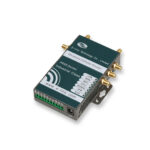
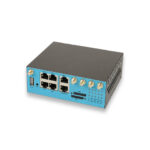
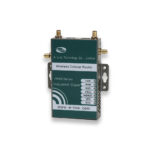
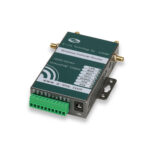
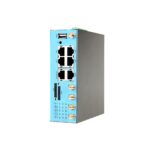

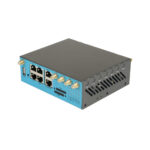
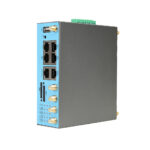
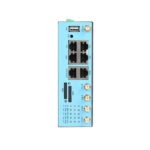
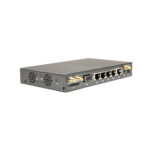
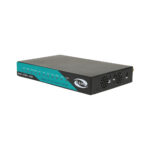
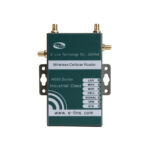
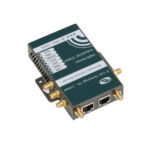







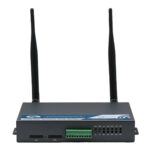
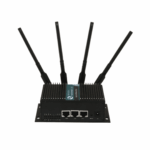
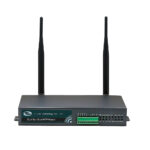

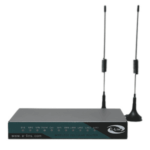








































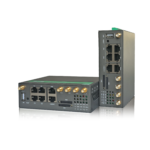





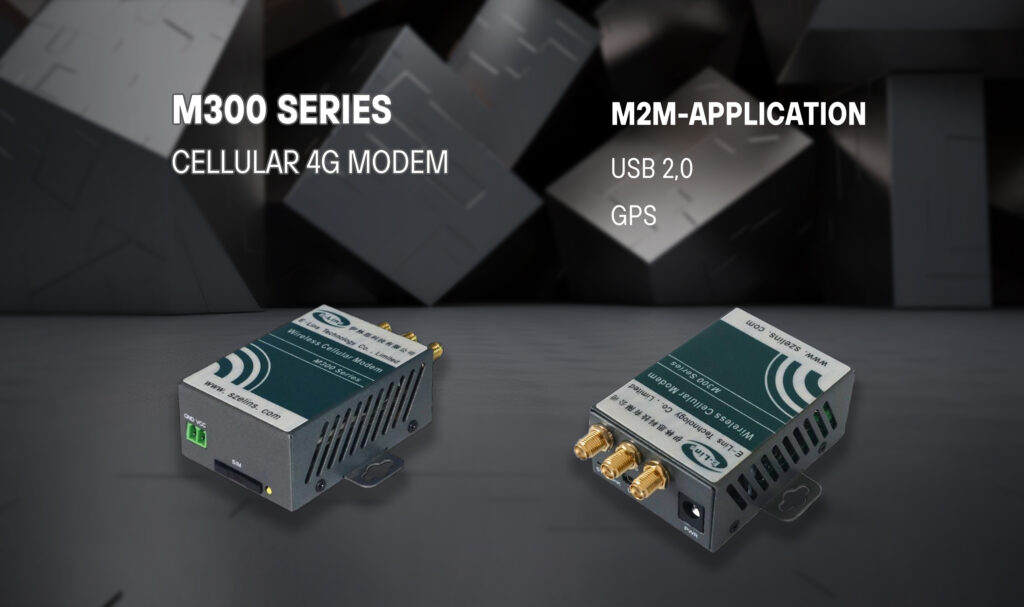
Mastering Remote Operations with Industrial 4G SIM Modems
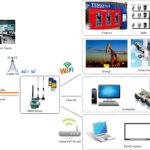
Deploying a communication network across a shipyard, a solar farm, or a highway is a fundamentally different challenge than wiring an office building. The costs associated with trenching for fiber optics, the distance limitations of Ethernet (capped at 90 meters), and the harsh environmental conditions make traditional wired solutions logistically prohibitive.
The industrial 4G SIM Modem has emerged as the definitive solution to this “Iron Triangle” of deployment, offering a way to balance cost, speed, and reliability. By turning the endpoint itself into the network edge, these devices eliminate the need for extensive fixed infrastructure.
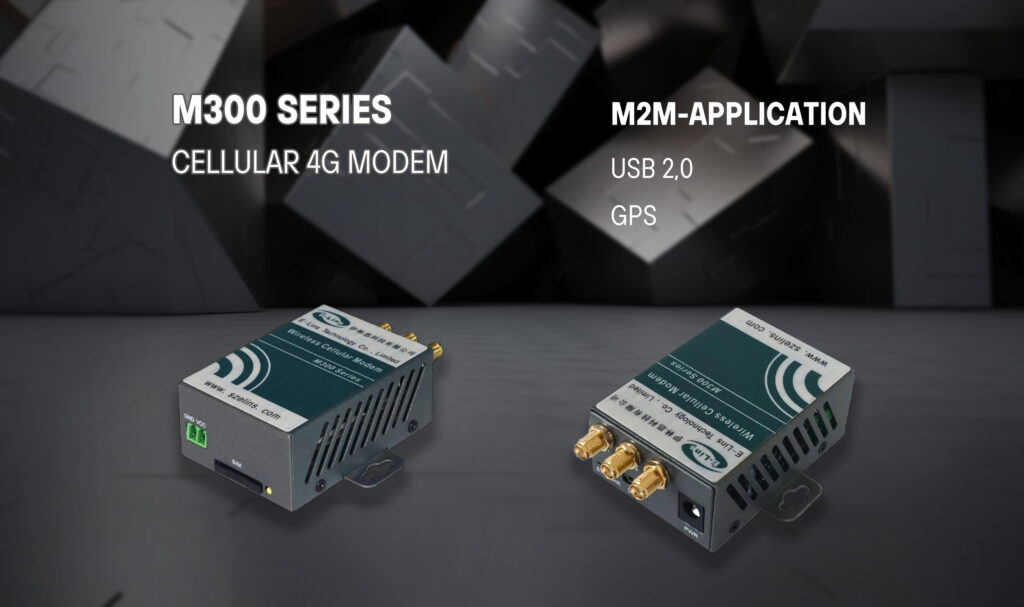
This blog post serves as a technical guide for project managers and engineers looking to deploy cellular communication in the field, covering power strategies, certification hurdles, and application-specific configurations.
1) The Economic Case for Cellular in Industrial Sites
When calculating the Total Cost of Ownership (TCO) for a remote site, the price of the modem is only a fraction of the equation. Wired deployments require conduit, cabling, switches, and skilled labor, often costing multiples of the hardware itself.
1. Rapid Time-to-Operation
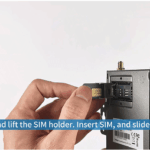
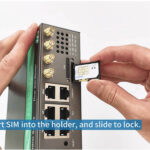
An industrial 4G modem can be installed and operational in hours rather than weeks. The process is simplified: mount the device, connect power, insert the SIM card, and configure the network settings. This “plug-and-play” capability is vital for temporary sites, such as construction zones or emergency response areas, where network infrastructure must be established immediately.
2. Decentralized Reliability
Wired systems have single points of failure; a backhoe cutting a cable can take down hundreds of endpoints. Industrial 4G communication systems are inherently decentralized. Each modem operates independently. If one device loses signal or is damaged, the rest of the network remains unaffected, ensuring continuity for the broader operation.
2) Powering the Edge: Solar and Low-Power Designs
One of the greatest barriers to remote connectivity is the lack of grid power at the installation site. Industrial modems are increasingly designed with ultra-low power consumption to facilitate off-grid operation.
1. Solar-Powered Telemetry
In remote oil fields or national parks, modems are paired with solar panels and battery systems. The modem’s ability to enter deep sleep modes while maintaining a “wake-on-interrupt” state is critical. For example, in a smart agriculture setup, a modem might sleep for hours, waking only to transmit soil moisture data from a sensor, consuming minimal milliamps and preserving battery life for years.
2. Remote Equipment in Mobile Scenarios
For assets that move, such as rail cars or heavy mining trucks, the industrial modem must handle constant handoffs between cell towers. High-sensitivity GNSS receivers integrated into these modems allow for precise geolocation, ensuring that fleet operators know the real-time location of their assets even when moving through challenging terrain.
3) Navigating Compliance and Certification
Cross-border projects introduce a layer of regulatory complexity. An industrial modem is a radio transmitter and must be certified by local authorities to ensure it does not interfere with other spectrum users.
1. The Certification Matrix
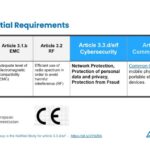
Engineers must navigate a matrix of regional approvals: CE in Europe, FCC in the US, and TELEC in Japan. Exporting to countries like Brazil requires ANATEL certification; failure to secure this can result in devices being seized at customs. Establishing a “certification matrix” database that maps target markets to required testing standards is essential for any global rollout.
2. Data Privacy and GDPR
In regions like the European Union, data privacy regulations mandate that data leaving industrial equipment must be encrypted. Modems that transmit plaintext data risk non-compliance. Therefore, selecting a modem that supports end-to-end encryption and secure tunnels is not just a technical preference but a legal necessity for industries like energy and public security.
4) Use Case: Intelligent Transportation and Emergency Systems
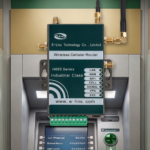
Industrial 4G modems are the backbone of modern intelligent transportation systems (ITS). Emergency call boxes along highways and in tunnels use these ruggedized devices to provide instant communication. Because they are 4G-based, they do not require copper lines back to a central exchange.
These units often feature external loudspeakers and high-intensity strobe lights to ensure that calls for help are noticed. When a user activates the call button, the modem instantly establishes a VoIP or cellular call to a response center, providing immediate assistance without the latency or infrastructure costs of traditional wired systems.
5) Conclusion
The industrial 4G SIM modem is a transformative tool for infrastructure projects. By eliminating the physical constraints of wired networks, offering flexible power options, and adhering to strict global standards, it enables a level of operational visibility and control that was previously impossible. As 5G RedCap technologies mature, these devices will only become more powerful, further solidifying their role as the backbone of critical communications.
6) FAQ about industrial 4G SIM Modem
Q1: What is “5G RedCap” and how does it relate to 4G industrial modems?
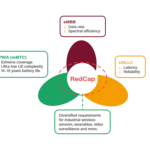
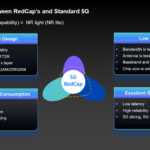
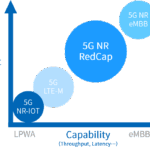
A: 5G RedCap is a new standard designed to bring 5G benefits to IoT devices at a cost and power level comparable to 4G LTE. It offers lower latency and better security than current 4G modems, but with reduced bandwidth requirements. It is expected to coexist with 4G networks for years, providing a migration path for industrial users who need faster real-time control without the expense of full-bandwidth 5G.
Q2: How do I ensure my modem gets a signal in a remote area with poor coverage?
A: Signal strength is determined by distance from the tower, obstacles, and frequency. If the internal antenna is insufficient, industrial modems usually feature external SMA connectors. You can attach high-gain directional antennas (Yagi) or omnidirectional pole antennas to boost reception. Always perform a site survey with a signal meter before finalizing installation.
Q3: What industrial protocols do these modems support?
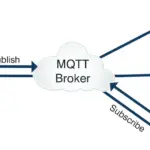
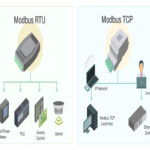
A: Most industrial 4G modems are designed to bridge the IT/OT gap. They commonly support Modbus RTU to Modbus TCP conversion, allowing legacy serial devices to talk to modern SCADA systems. More advanced units support MQTT (Message Queuing Telemetry Transport) for lightweight IoT data transmission, as well as DNP3 for utility and power grid applications.
Q4: What does iSIM mean, and why is it important for industrial modems?
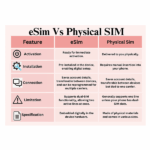
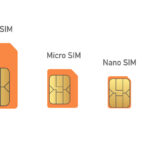
A: Integrated SIM is the next evolution of SIM technology, where the SIM functionality is integrated directly into the modem’s chipset. This saves space on the circuit board, reduces bill of materials costs, and enhances security because the credentials are buried deep in the hardware. It allows devices to be manufactured as a single stock-keeping unit and then remotely provisioned to any carrier in the world.
Q5: Can I manage hundreds of industrial modems remotely?
A: Yes. Modern industrial modem solutions are typically paired with cloud-based management platforms. These platforms allow IT administrators to monitor connection status, push firmware updates (FOTA) over the air, change configurations, and receive automated alerts about data usage or device health across a global fleet from a single dashboard
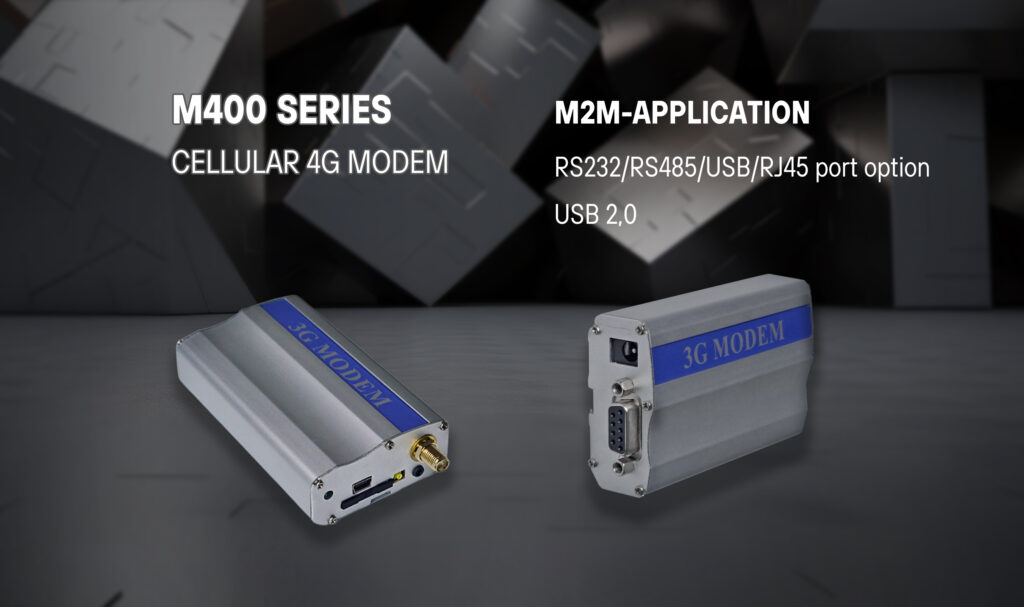
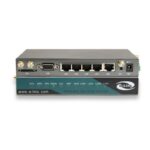
Are you ready to deploy an industrial 4G SIM Modem? Take a quick view of E-Lins, a IoT expert providing many excellent industrial 4g sim modem.