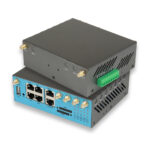
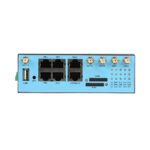
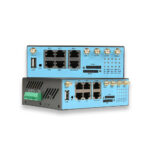
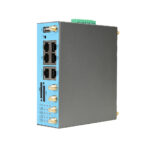
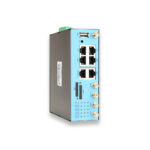
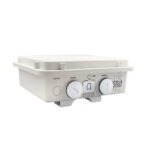
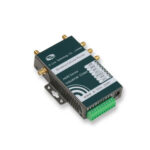
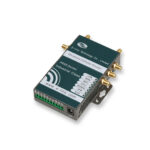
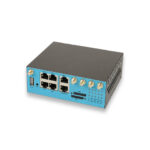
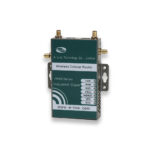
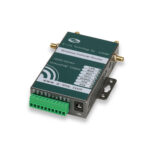
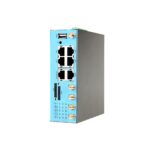

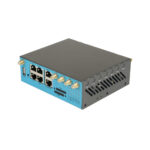
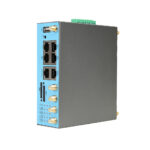
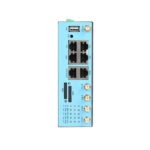
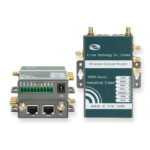
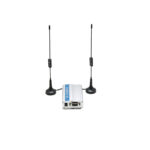
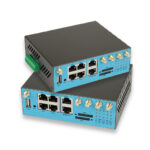
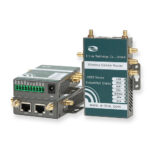
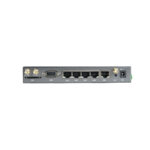
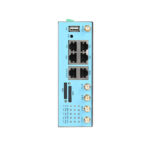
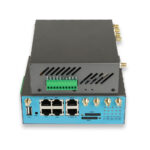
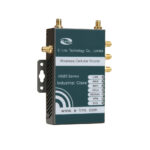
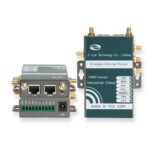
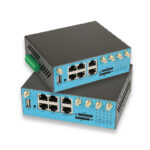
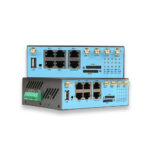
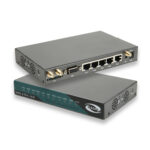
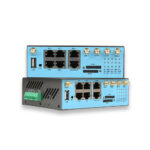
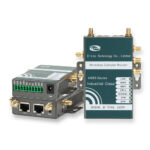
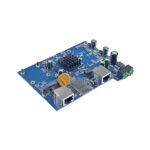
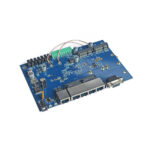
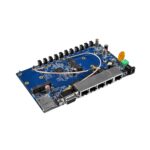
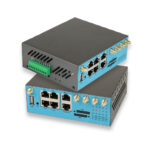
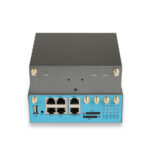
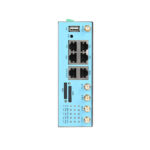
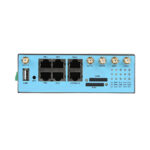
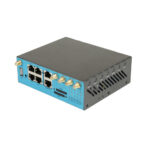
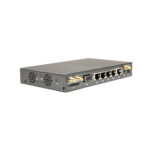
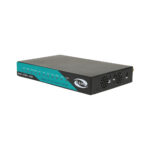
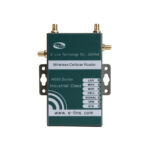
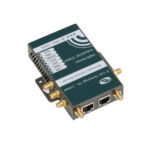
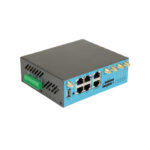
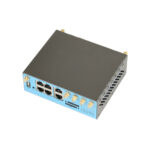
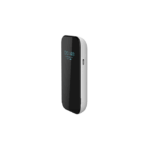
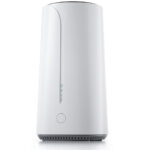
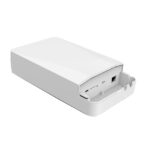
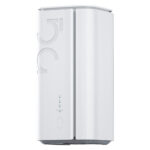

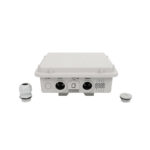
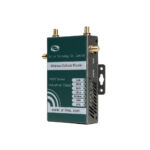
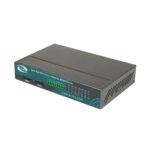
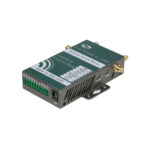
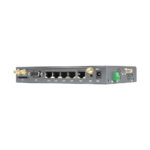
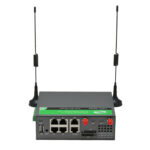
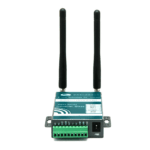
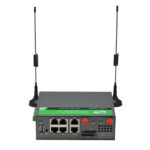
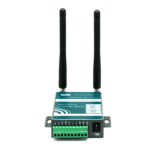
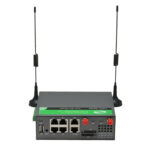
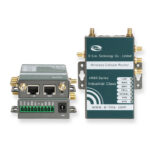
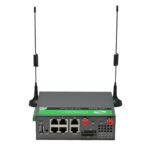

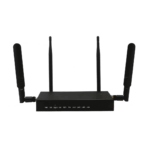
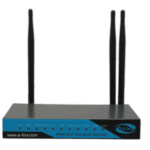
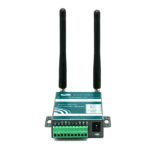
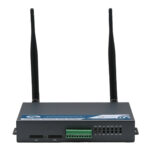
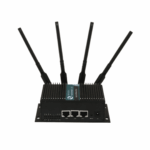
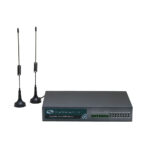

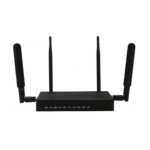
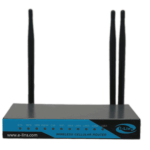
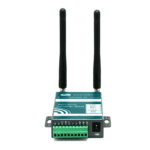
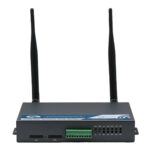
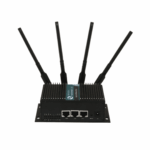
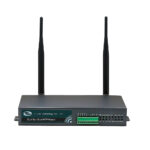

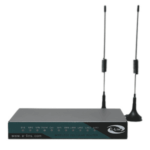
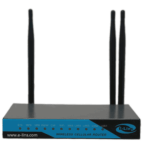
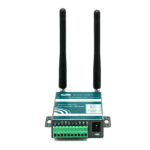
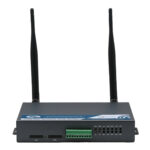
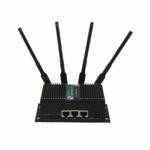
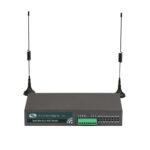
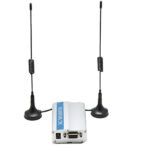
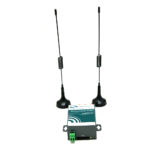
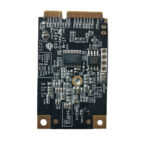
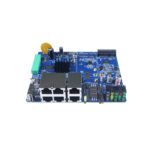
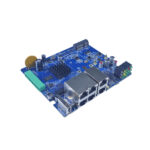
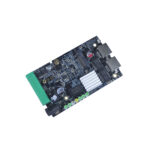
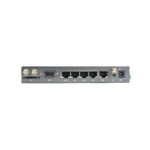
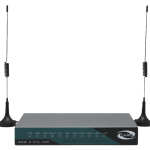
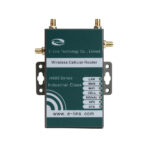
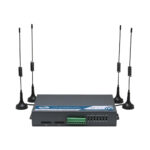
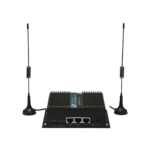
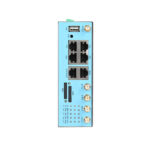
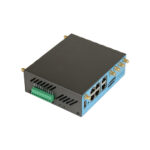
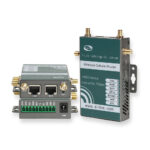
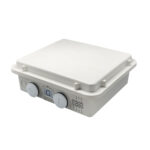
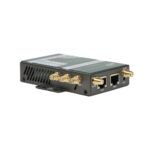
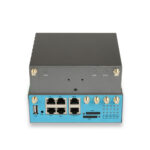
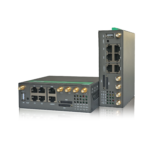
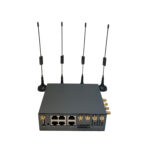
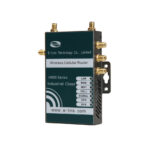
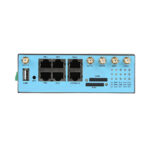
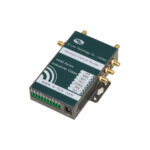
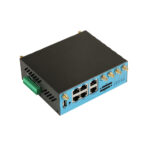
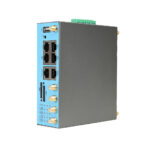
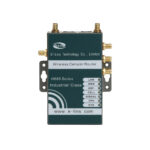










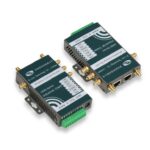
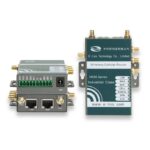

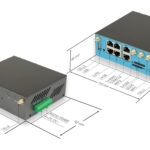








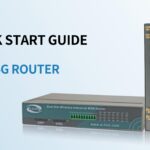
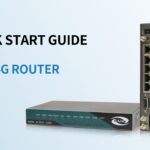
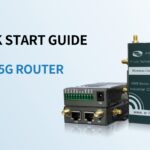


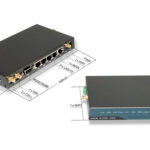
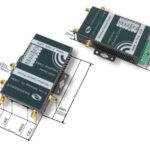
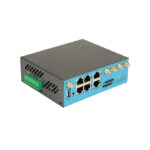
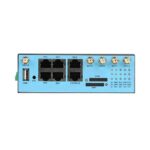


















4G PoE Routers: Reliable Connectivity for Every Environment
In the world of networking, reliability and simplicity often outweigh the pursuit of the latest technology. While 5G captures headlines with its blazing speeds, 4G LTE remains the backbone of global connectivity—offering extensive coverage, proven stability, and cost-effective deployment. When combined with Power over Ethernet (PoE), the result is a versatile networking solution: the 4G PoE router.
This guide explores why 4G PoE routers continue to dominate industrial, commercial, and remote applications, and how they provide the perfect balance of performance, affordability, and ease of deployment.

1)What is a 4G PoE Router?
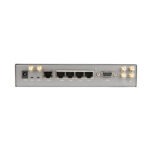
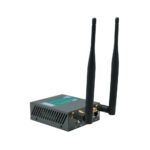
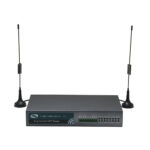
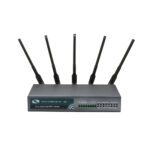
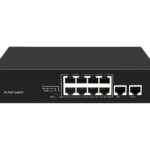
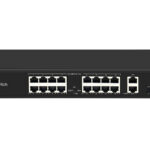
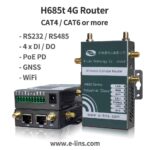
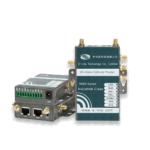
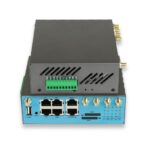
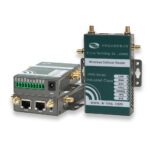
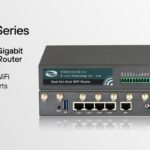
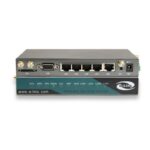
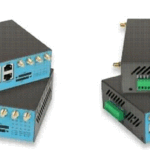
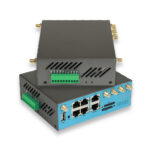
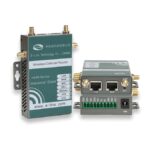
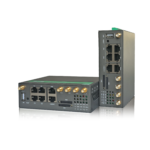
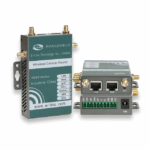
A 4G PoE router is a networking device that integrates a 4G LTE cellular modem with Power over Ethernet switching capabilities. It serves as a centralized hub that:
- Connects to the internet using a 4G LTE cellular network (with fallback to 3G where available).
- Distributes that internet connection to wired devices via Ethernet ports.
- Delivers electrical power to connected devices—such as IP cameras, VoIP phones, and wireless access points—through the same Ethernet cables.
Essentially, it eliminates the need for separate modems, routers, switches, and power adapters. With a 4G PoE router, you can establish a fully functional network in locations where traditional broadband (fiber, cable, or DSL) is unavailable, unreliable, or cost-prohibitive.
2) Why 4G PoE Routers Remain Relevant in a 5G World
Despite the rise of 5G, 4G LTE continues to be the preferred choice for countless applications. Here’s why:
1. Superior Coverage and Reliability
4G LTE networks have been deployed globally for over a decade. They offer significantly broader coverage than 5G, especially in rural, suburban, and remote areas. A 4G PoE router can deliver consistent connectivity where 5G signals are weak or non-existent.
2. Cost-Effectiveness
4G routers and data plans are substantially more affordable than their 5G counterparts. For applications that do not require gigabit speeds—such as security surveillance, digital signage, or remote monitoring—4G provides an optimal price-to-performance ratio.
3. Mature and Proven Technology
The 4G ecosystem is mature. Firmware is stable, compatibility issues are rare, and deployment best practices are well-documented. For mission-critical applications where uptime is paramount, the predictability of 4G is a significant advantage.
4. Lower Power Consumption
4G modems consume less power than 5G modems. For solar-powered installations or battery-backed deployments, this efficiency translates to longer operational uptime and reduced infrastructure costs.
3) Key Features to Evaluate in a 4G PoE Router
Selecting the right 4G PoE router requires careful consideration of technical specifications. Here are the critical features to assess:
1. LTE Category and Speed Capabilities
Not all 4G routers are equal. LTE categories define maximum download and upload speeds:
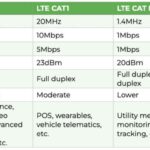
- Cat 4: Up to 150 Mbps down / 50 Mbps up. Suitable for basic surveillance, remote monitoring, and small office connectivity.
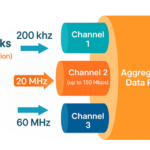
- Cat 6: Up to 300 Mbps down / 50 Mbps up. Supports carrier aggregation for faster speeds. Ideal for video streaming and multiple concurrent users.
- Cat 12 / Cat 18: Up to 600 Mbps to 1.2 Gbps down. Designed for high-bandwidth applications like HD video surveillance and enterprise-grade connectivity.
Choose a category that aligns with your bandwidth requirements and local carrier capabilities.
2. PoE Standards and Power Budget
PoE capabilities determine which devices the router can power:
- 802.3af (PoE): 15.4W per port. Powers standard IP cameras, basic VoIP phones, and sensors.
- 802.3at (PoE+): 30W per port. Required for PTZ (pan-tilt-zoom) cameras, video conferencing equipment, and devices with heaters.
- Total Power Budget: Check the aggregate power the router can supply across all ports (e.g., 60W, 120W). Ensure this meets the combined requirements of all connected devices.
3. Industrial Design and Environmental Tolerance
For deployments in challenging environments—such as factories, outdoor cabinets, or transportation—industrial-grade features are essential:
- Wide Operating Temperature: Look for -30°C to 70°C (-22°F to 158°F) range for outdoor or unheated locations.
- IP Rating: IP30 for dust protection in industrial settings; IP65 or higher for outdoor waterproofing.
- Conformal Coating: Protects circuit boards from moisture, dust, and corrosion.
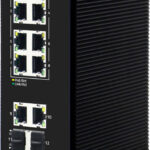
- DIN-Rail Mounting: Allows easy installation in electrical panels and equipment racks.
4. Dual SIM and Failover Capabilities
Reliability is often the primary reason for choosing a 4G PoE router. Dual SIM slots allow the router to:
- Switch between carriers if one network experiences an outage.
- Use a secondary SIM as a backup with a different carrier for true redundancy.
- Configure automatic failover based on signal strength or connectivity checks.
5. VPN and Security Features
Remote deployments require robust security. Ensure the router supports:
- IPSec, OpenVPN, and L2TP VPN: For secure tunnels back to corporate networks.
- Firewall with Stateful Packet Inspection (SPI): To block unauthorized access.
- MAC Address Filtering: To restrict which devices can connect to the network.
4) Primary Applications for 4G PoE Routers
The versatility of 4G PoE routers makes them suitable for a wide range of scenarios where traditional wired internet is impractical.
1. Remote Security and Surveillance
One of the most common applications is powering IP cameras in locations without wired internet or nearby power outlets. A single 4G PoE router can:
- Connect to the 4G LTE network for remote viewing and recording.
- Power multiple PTZ or fixed cameras via PoE.
- Store footage locally on an SD card or transmit it to a cloud server.
This setup is ideal for construction sites, remote properties, parking lots, agricultural land, and temporary event venues.
2. Pop-Up Retail and Food Trucks
Mobile businesses require instant connectivity for point-of-sale (POS) systems, customer Wi-Fi, and digital menus. A 4G PoE router provides:
- High-speed internet without waiting for ISP installation.
- Powered Ethernet ports for POS terminals and printers.
- Compact form factor that fits in small spaces.
3. Remote Work Sites and Field Offices
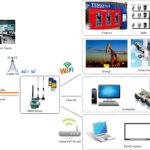
Oil and gas exploration, mining operations, and environmental monitoring often occur far from fiber infrastructure. 4G PoE routers enable:
- Internet access for field offices and trailers.
- Connectivity for IoT sensors monitoring equipment and environmental conditions.
- VoIP phone service for reliable communication.
4. Smart Agriculture
Modern farming leverages technology for irrigation control, livestock monitoring, and crop management. 4G PoE routers deployed in barns or fields can:
- Connect weather stations, soil sensors, and automated irrigation controllers.
- Power cameras for remote herd monitoring.
- Operate on solar power with low energy consumption.
5. Public Transportation and Fleet Management
Buses, trains, and emergency vehicles require connectivity for passenger Wi-Fi, onboard surveillance, and vehicle telematics. Ruggedized 4G PoE routers:
- Handle vibration and temperature extremes.
- Power onboard cameras and access points via PoE.
- Provide real-time GPS tracking and vehicle diagnostics.
4) Installation Best Practices for 4G PoE Routers
Proper installation ensures optimal performance and longevity. Follow these best practices:
1. Antenna Placement and Signal Optimization
The quality of the 4G connection depends entirely on signal strength.
- External Antennas: If the router has SMA connectors, use external antennas placed as high as possible or outdoors for better signal.
- Directional vs. Omni-directional: Directional antennas focus on a specific tower for stronger signal in rural areas; omni-directional antennas work well in urban environments with multiple towers.
- Cable Quality: Use low-loss coaxial cable to prevent signal degradation over long runs.
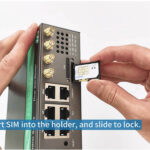
2. SIM Card and Carrier Selection
- Ensure the router is unlocked or carrier-compatible.
- Use a data-only SIM plan with sufficient bandwidth for your application.
- For remote deployments, consider carriers with the strongest coverage in that specific area—coverage maps are not always accurate; real-world testing is recommended.
3. Ethernet Cabling Considerations
- Use Cat5e or Cat6 cable for PoE installations. Cat5e supports up to 1 Gbps and 100-meter runs; Cat6 offers better performance for longer distances or environments with electrical interference.
- Avoid running Ethernet cables parallel to high-voltage power lines to prevent electromagnetic interference.
4. Remote Management Configuration
For deployments where physical access is difficult:
- Configure the router to connect to a cloud management platform.
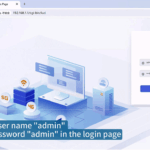
- Enable remote SSH or web access with strong authentication.
- Set up automatic firmware updates and scheduled reboots to maintain stability.
6) Frequently Asked Questions (FAQ)
1. Can a 4G PoE router work without a cellular signal?
Yes, many 4G PoE routers offer dual-WAN capabilities. You can connect a wired internet source (such as fiber, cable, or satellite modem) to the router’s WAN port. The router can use the wired connection as the primary link and automatically fail over to 4G if the wired connection fails—or vice versa, depending on your configuration.
2. How many devices can a 4G PoE router support?
The number of connected devices is limited by two factors: the router’s DHCP IP address range (typically up to 254 devices) and the total PoE power budget. For example, a router with a 60W total PoE budget can power four 15W cameras simultaneously. Additional non-PoE devices can connect via standard Ethernet ports or through downstream switches.
3. What is the typical speed I can expect from a 4G PoE router?
Speeds vary based on LTE category, carrier, signal strength, and network congestion. A Cat 4 router typically delivers 20-60 Mbps in real-world conditions. A Cat 6 or Cat 12 router with strong signal can achieve 100-300 Mbps. For applications like HD video surveillance or small office internet, these speeds are generally sufficient.
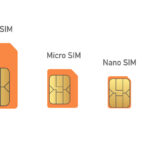
4. Do I need a special SIM card for a 4G PoE router?
Any standard data SIM card will work, provided it is activated and has an active data plan. Some carriers offer “IoT” or “M2M” SIM plans specifically designed for routers and industrial applications, which may include static IP addresses, private APNs, and higher data allowances at lower costs.
5. Can I use a 4G PoE router outdoors?
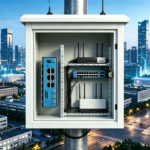
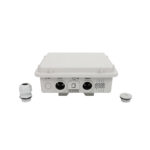
It depends on the router’s IP rating. If the router is IP67 or IP68 rated, it can be mounted directly outdoors. Most standard 4G PoE routers are designed for indoor or enclosed use (IP30) and require a weatherproof NEMA or IP66-rated enclosure when installed outdoors. Ensure the enclosure provides adequate ventilation to prevent overheating.
6. Is a 4G PoE router secure for business use?
Yes, when properly configured. Enterprise-grade 4G PoE routers include enterprise-level security features: firewall, VPN support, MAC filtering, and encrypted management interfaces. For enhanced security, consider using a private APN provided by your carrier, which isolates your traffic from the public internet.
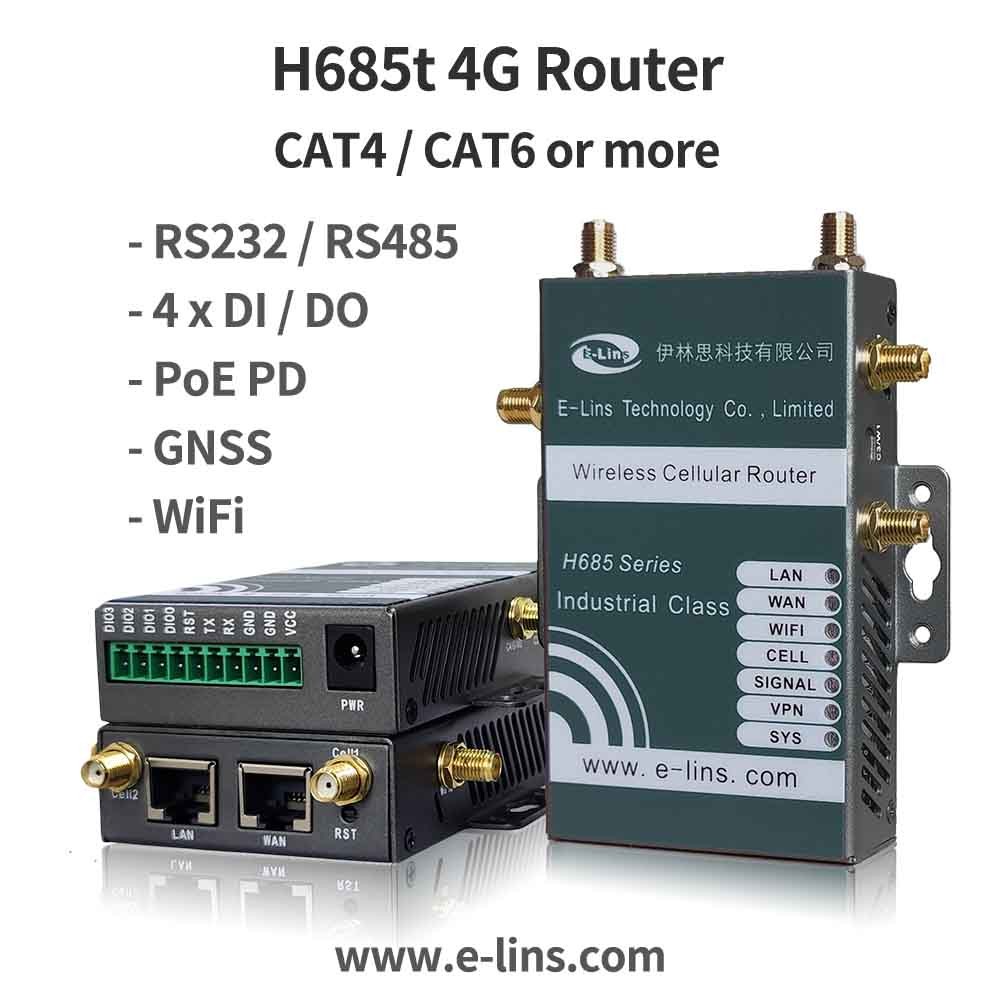
Do you need a reliable 4G PoE Router? You could contact with E-Lins, a IoT expert, providing many excellent 4G PoE Routers.