












































1)Introduction
If you are developing a smartphone, router, IoT device, or automotive solution, selecting the right 5G modem is critical. This guide walks through the decision-making process.
2)Key Selection Criteria
1. Application Scenario
Smartphone
FWA Router
Industrial IoT
Automotive
2. Frequency Support
Ensure global band compatibility.
3. Throughput Requirements
Determine peak and sustained speeds needed.
4. Power Budget
Battery-powered devices require highly efficient modems.
5. Form Factor
Integrated vs discrete.
Smartphone Use Case
Requirements:
mmWave + Sub-6 support
High MIMO layers
AI optimization
IoT Use Case
Requirements:
Lower power
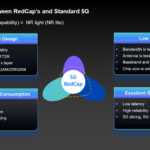
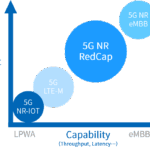
RedCap or simplified 5G
Cost efficiency
Automotive Use Case
Requirements:
Ultra-low latency
High reliability
Extended temperature tolerance
Cost Considerations
Factors affecting modem cost:
Silicon process node
Licensing fees
Certification
Integration complexity
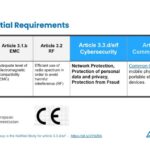
Certification and Compliance
Modems must pass:
3GPP standards
Carrier certification
Regional regulatory approval
Integration Tips
Optimize antenna placement
Validate thermal design
Conduct real-world testing
Future-Proofing
Choose modems supporting:
5G Advanced
Satellite NTN
AI enhancements
3)Frequently Asked Questions (FAQ)
1. Should I choose integrated or discrete?
Integrated for power efficiency, discrete for flexibility.
2. Do all modems support mmWave?
No. Some support only Sub-6.
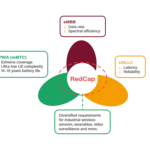
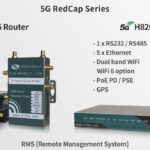
3. What is RedCap?
A simplified 5G version for IoT.
4. Is certification difficult?
Yes, especially for global products.
5. How long does integration take?
Typically 6–12 months depending on complexity.
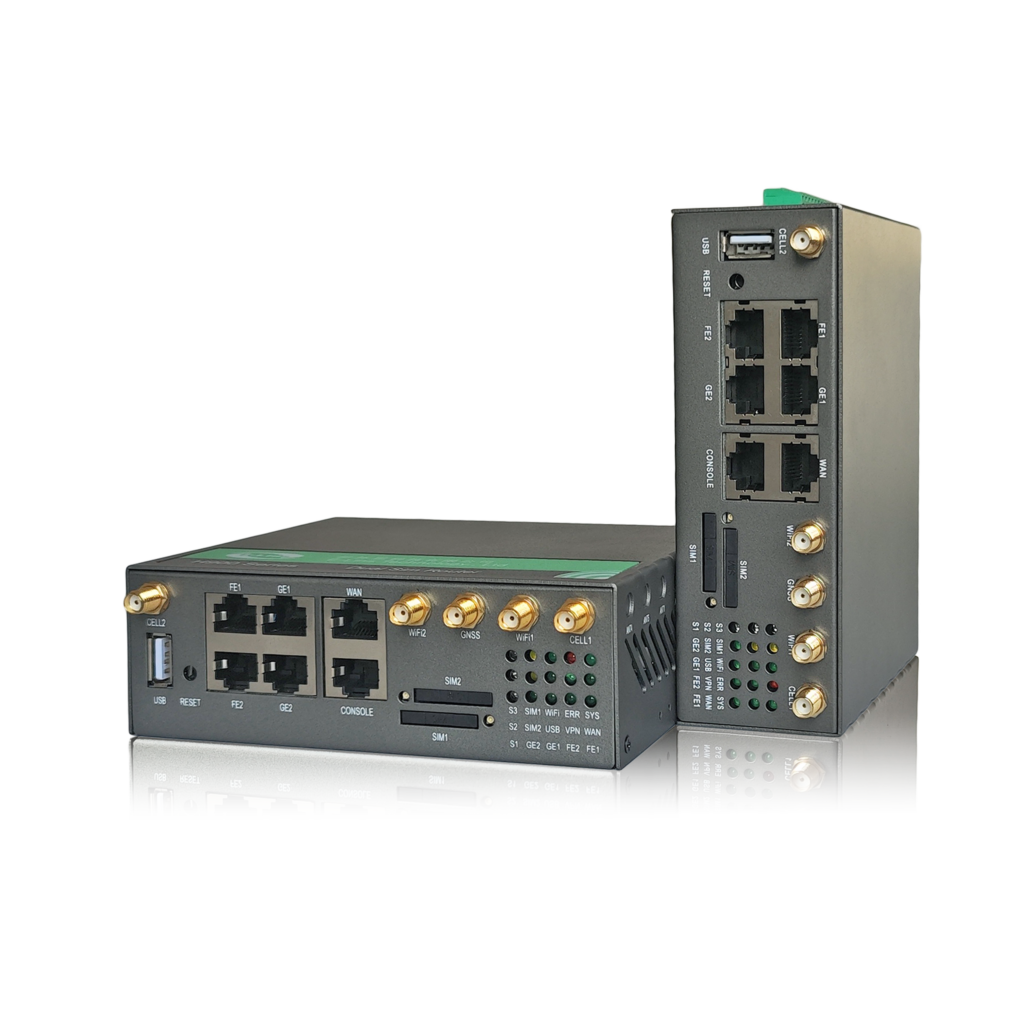
Which brand 5G modem will be best choice for you? The answer is E-Lins, a 5G modem expert since 1999, providing you many excellent 5G modems.