









































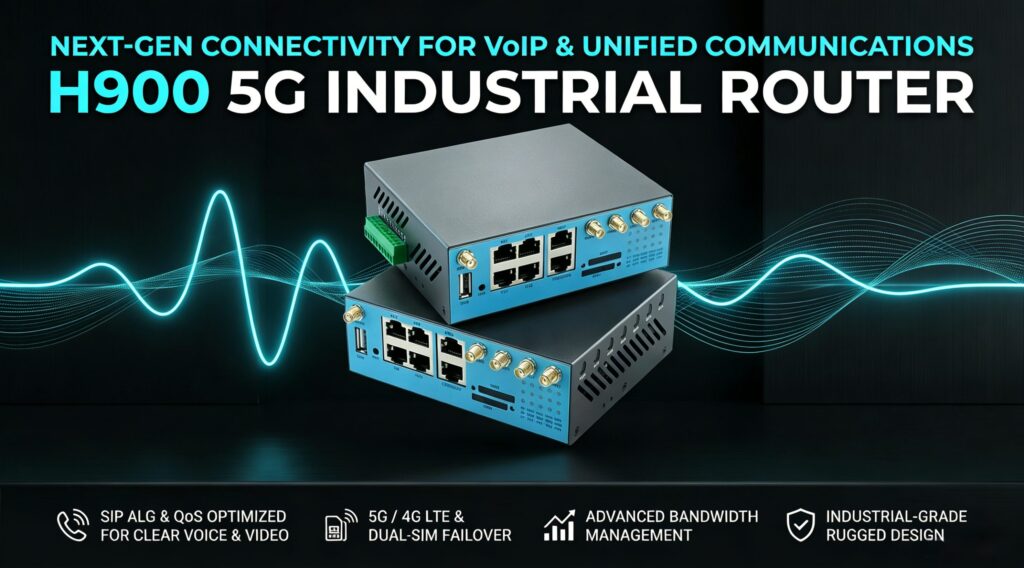
5G Router for VoIP and Unified Communications: SIP ALG, QoS, and NAT Traversal for Voice That Actually Works Over Cellular
VoIP has a reputation problem on cellular connections, and most of the time the cellular link isn’t actually the cause. The more common culprit is the router sitting between the phone and the network — a NAT firewall that mangles SIP signaling, no QoS to protect voice packets from competing telemetry traffic, and no mechanism to prioritize a call over a firmware update happening in the background. The H900pf addresses this directly with SIP ALG, QoS-based prioritization, and NAT traversal built specifically for VoIP and unified communications traffic, rather than treating voice as just another data stream.
What Is a 5G Router for VoIP and Unified Communications?
A 5G router for VoIP and unified communications is an industrial cellular gateway that has been configured with the specific protocol handling, traffic prioritization, and firewall traversal logic that voice and video calling require to function reliably over a network connection that was not originally designed to be a phone line. Standard data routing — the kind built for web browsing, file transfer, and telemetry — treats every packet the same way and routes it through Network Address Translation without regard for what happens to a SIP session crossing that boundary. Voice traffic does not tolerate this treatment well.
SIP (Session Initiation Protocol) is the signaling standard most VoIP and unified communications platforms use to establish, manage, and terminate calls. The problem SIP runs into behind a standard NAT firewall is well-documented: the protocol embeds IP address and port information inside its own message payload, and when NAT rewrites the outer packet headers without also rewriting that embedded information, the call setup breaks — the phone can sometimes register with the PBX but cannot establish two-way audio, or one party hears the other but not vice versa, or the call drops after a fixed timeout because the NAT mapping expired mid-conversation.
A 5G router with SIP ALG for VoIP traffic resolves this by running an Application Layer Gateway specifically for SIP — inspecting the signaling traffic, rewriting the embedded address information to match the actual NAT mapping, and keeping the necessary ports open for the duration of the call rather than letting them expire on a generic timeout. Combined with QoS prioritization that protects voice packets from being delayed behind other traffic, and NAT traversal techniques that keep the call’s media stream connected even through symmetric NAT configurations, the result is a cellular connection that can carry a phone call without the jitter, dropout, and one-way-audio problems that plague VoIP deployments on routers not built with this traffic type in mind.
Key distinction: a router that simply forwards traffic will pass VoIP packets, but it will not protect them from competing traffic or fix the NAT traversal problems SIP specifically creates. A router built for VoIP actively manages the signaling protocol, prioritizes the media stream, and keeps the NAT mapping stable for the call’s full duration. The difference between the two is the difference between a call that sounds clear and one that drops every few minutes.
Site Readiness Checklist Before Deploying VoIP Over a Cellular Router
Before specifying a 5G router for a site that needs to carry voice traffic, confirm the following. VoIP-specific requirements are easy to overlook when a router is selected primarily for its cellular and data routing specifications.
- Which VoIP platform or PBX will the site connect to, and does it use SIP as its primary signaling protocol?
- How many simultaneous voice calls does the site need to support, and what is the available cellular uplink bandwidth at the installation location relative to that requirement?
- Does the site generate other significant data traffic — video upload, telemetry, file transfer — that could compete with voice traffic for bandwidth if QoS is not configured correctly?
- Is the SIP trunk or PBX behind a NAT boundary on the far end as well, requiring NAT traversal on both sides of the call path?
- What latency and jitter does the cellular connection exhibit at the installation site, and has this been measured under load rather than assumed from a general coverage map?
- Does the deployment require encrypted voice (SRTP) or VPN-tunneled SIP traffic for compliance or security reasons, and how does this interact with the router’s SIP ALG processing?
- Is failover to a secondary WAN path required to maintain voice service if the primary cellular connection degrades or fails mid-call?
Why VoIP Breaks on Cellular Connections — and Why the Router Is Usually the Cause
When a customer tells me their VoIP system “doesn’t work well over cellular,” the cellular link itself is rarely the actual problem. Modern 5G and 4G connections typically deliver more than enough bandwidth and acceptable latency for voice calls, which require surprisingly little data — a G.711 codec call uses roughly 80-100 kbps, well within what even a modest cellular connection provides. The actual failure points are almost always in how the router handles the SIP signaling and how it prioritizes the voice media stream against everything else competing for the connection.
The NAT traversal problem is the most common root cause. SIP messages carry IP address and port information in their payload — the part of the packet a standard NAT firewall does not inspect or modify, because NAT operates on packet headers, not application-layer content. When a phone behind NAT sends a SIP INVITE message to establish a call, that message tells the far end “send your audio to this IP address and port” — but the IP address it specifies is the phone’s private internal address, meaningless outside the local network. Without a SIP-aware ALG to rewrite that embedded address to match the actual public-facing NAT mapping, the far end tries to send audio to an address it cannot reach, and the call either fails outright or establishes one-directional audio where one party can be heard and the other cannot.
The second common failure point is traffic contention. A site running VoIP alongside other applications — security camera uploads, sensor telemetry, firmware updates, general internet browsing — has all of that traffic competing for the same cellular uplink. Voice traffic is extremely sensitive to delay variation (jitter) and packet loss in a way that file transfers and telemetry are not; a camera upload that takes three seconds longer because of contention is invisible to the user, but a voice packet delayed by 150ms creates an audible degradation, and one delayed by 300ms or more makes the conversation genuinely difficult to follow. Without QoS prioritization that recognizes voice traffic and gives it precedence in the transmission queue, voice quality degrades in direct proportion to how much other traffic the site is generating at the same moment.
In testing across several remote site deployments carrying both VoIP and periodic video upload traffic on the same cellular connection, we measured Mean Opinion Score (MOS) — the standard subjective voice quality metric, scored 1 to 5 — under two configurations. Without QoS prioritization configured, MOS scores during periods of concurrent video upload activity dropped to 2.8–3.2, a range where users reliably notice and complain about call quality, with audible jitter and occasional dropped syllables. With QoS prioritization configured to place SIP and RTP traffic in the highest priority queue, MOS scores during the same concurrent video upload activity held at 4.0–4.3, in the range generally considered indistinguishable from a standard landline call by most listeners. The cellular connection itself was identical in both tests; the only variable was whether the router was actively protecting voice traffic from contention with everything else on the link.
A financial services company operating several rural branch offices without reliable fixed-line telephone infrastructure needed to extend their head-office PBX system to these branches using SIP trunking over cellular, since traditional PSTN lines were either unavailable or prohibitively expensive to install in the target locations. Their initial deployment using a standard data-focused 4G router produced calls that registered with the PBX successfully but frequently failed to establish two-way audio, and calls that did connect would often drop after roughly two minutes — a symptom consistent with NAT mapping timeout during the call. After switching to the H900pf with SIP ALG and QoS configured specifically for the SIP trunk’s signaling and RTP media ports, call establishment success improved from an estimated 60–70% to consistently above 95%, and the two-minute call drop pattern stopped entirely. The IT manager overseeing the rollout noted that branch staff had largely stopped using personal mobile phones for business calls as a workaround — which had been the unofficial solution during the period when the office VoIP system was unreliable — within the first two weeks of the new router configuration.
Important: SIP ALG can occasionally cause its own problems if it is enabled but misconfigured, particularly when the VoIP platform on the other end of the call also performs its own NAT handling or expects unmodified SIP headers — some PBX systems and SIP trunk providers explicitly recommend disabling router-side SIP ALG because their own platform already handles NAT traversal correctly and double-processing creates conflicts. Confirm with your VoIP platform or SIP trunk provider whether they recommend SIP ALG enabled or disabled at the router before deployment, rather than assuming enabling it is always the correct default.
Key Features for VoIP-Capable 5G Router Selection
Beyond the cellular and general routing specifications that matter for any industrial deployment, several features specifically determine whether a router will carry voice traffic reliably or merely pass it through without active management.
1. SIP ALG (Application Layer Gateway)
SIP ALG inspects SIP signaling traffic at the application layer and rewrites the embedded address information to remain consistent with the router’s NAT mapping, resolving the most common cause of one-way audio and failed call establishment behind NAT. As noted above, whether this should be enabled depends on the specific VoIP platform’s own NAT handling — confirm with the platform vendor rather than assuming a universal default.
2. QoS with DSCP and Priority Queuing for Voice Traffic
Quality of Service configuration allows the router to recognize voice signaling and media traffic — typically by port range, DSCP marking, or protocol inspection — and place it in a higher-priority transmission queue than general data traffic. This is the mechanism that prevents a background file upload or firmware update from delaying voice packets and introducing the jitter that degrades call quality. QoS configuration should specifically target the SIP signaling ports and the RTP media port range used by the deployed VoIP platform, rather than relying on generic traffic shaping that does not distinguish voice from other traffic types.
3. NAT Traversal for Symmetric and Asymmetric NAT Configurations
Beyond SIP ALG’s header rewriting, robust NAT traversal handling ensures that the media stream — the actual audio data carried over RTP — can establish a path between both endpoints even when one or both sides sit behind restrictive NAT configurations. This is particularly relevant for VoIP over cellular with NAT traversal for remote offices, where the cellular carrier’s network may itself impose carrier-grade NAT on top of the router’s own NAT, creating a double NAT scenario that is more challenging for media streams to traverse successfully without proper handling.
4. Dual SIM Failover to Maintain Call Continuity
For voice service where call continuity matters operationally — branch office telephony, emergency communications, customer-facing call centers — dual SIM failover ensures that a primary carrier outage does not silence the site’s phone system entirely. While a failover event will typically interrupt any call in progress at the moment of switchover, rapid failover to a secondary carrier minimizes the outage window and restores voice service for subsequent calls without requiring manual intervention.
“The question I get asked most often about VoIP on our routers is some version of ‘why does the call sound fine for the first minute and then start cutting out.’ Almost every time, the answer is that something else on the network started transmitting — a scheduled upload, a status check-in, whatever — and without QoS actively protecting the voice traffic, that competing traffic just walks straight over the call. People assume cellular itself is unreliable for voice. In my experience it’s almost never the cellular link. It’s what the router does, or doesn’t do, when two types of traffic show up on the same connection at the same time.”
— E-Lins application engineering team5. WAN Affinity and Load Balancing for Bandwidth-Constrained Sites
For sites where cellular bandwidth is genuinely limited, WAN affinity allows specific traffic types to be assigned to specific WAN paths — for example, routing voice traffic through whichever available WAN connection has the lowest measured latency at a given moment, while bulk data traffic uses a different path. This is distinct from simple QoS prioritization on a single connection; it actively selects the best-performing path for latency-sensitive traffic when multiple WAN options are available.
6. Stateful Firewall and ALG Support Beyond SIP
Unified communications platforms often use protocols beyond plain SIP — FTP for file transfer within a UC suite, TFTP for phone provisioning, and other application-layer protocols that have their own NAT traversal challenges. A router with a broader ALG library covering these protocols, alongside a stateful firewall that correctly tracks the connection state these protocols require, reduces the number of edge cases that cause intermittent failures in a full unified communications deployment rather than a simple voice-only setup.
7. MAC Address Filtering and 802.1p/q LAN QoS
Where a site has multiple VoIP handsets or softphone-equipped computers on the local network, 802.1p/q support allows QoS treatment to extend across the LAN segment, not just at the WAN boundary — important when several phones share the same local switch and need consistent prioritization relative to other LAN traffic such as a security camera or a file server on the same network segment.
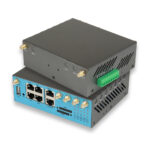
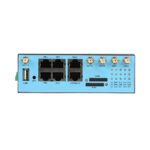
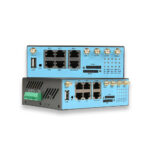
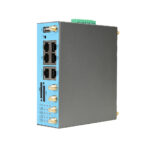
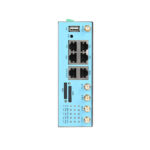
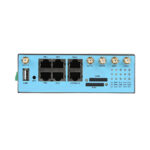
E-Lins H900pf: Industrial 5G Router with SIP ALG and QoS for VoIP
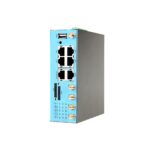
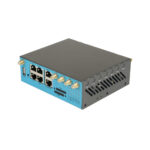
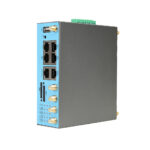
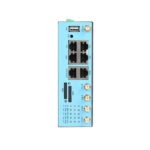
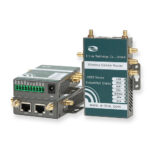
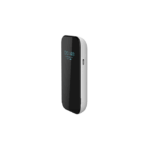
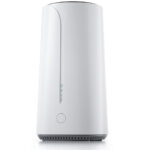
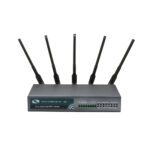
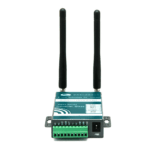
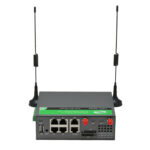
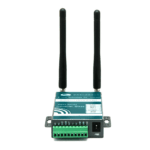
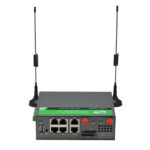
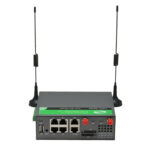
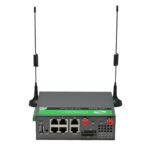
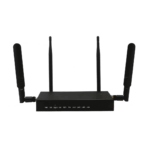
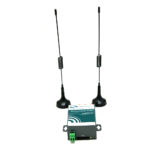
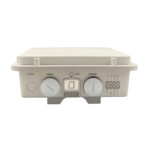
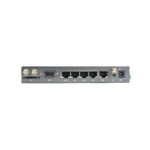
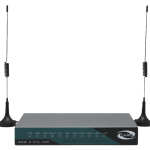
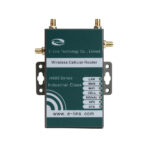
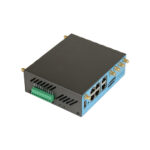
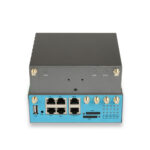
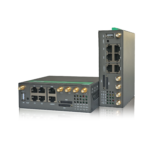
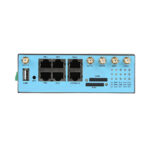
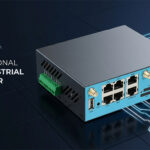
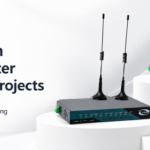
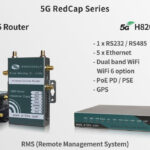
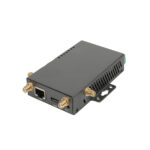
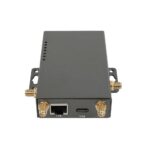
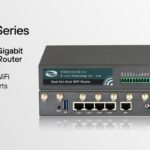
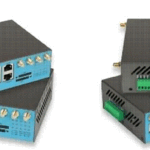
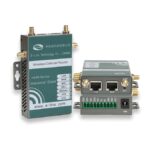
The H900pf is E-Lins’ Gigabit-class industrial 5G router, and its “Optimized IP Communications” feature set — a section most industrial router datasheets do not include at all — is specifically built around making voice and unified communications traffic work reliably over cellular and mixed WAN connections.
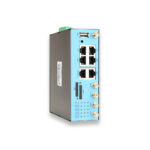
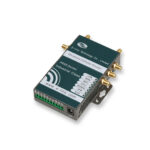
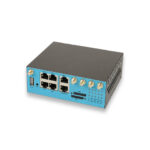
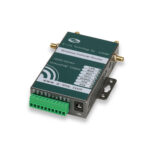
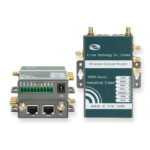
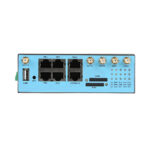
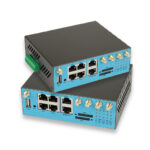
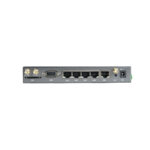
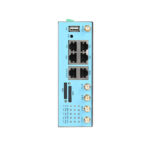
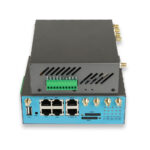
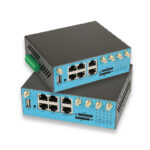
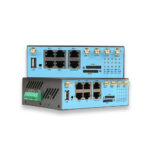
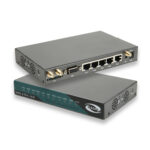
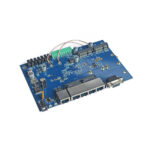
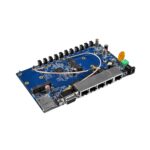
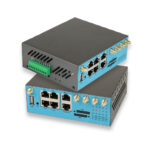
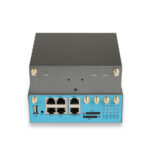
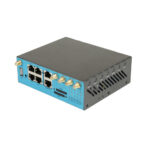
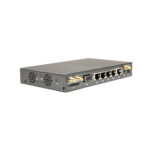
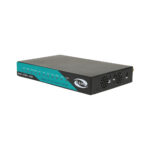
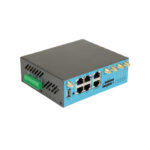
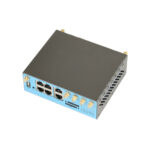
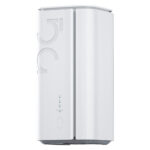
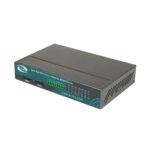
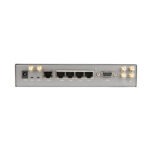
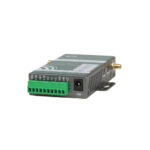
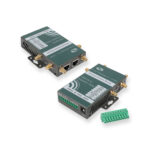
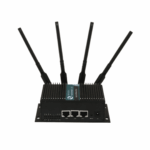
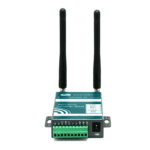
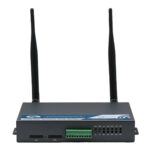
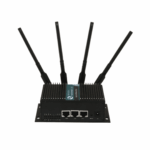
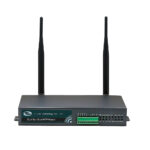
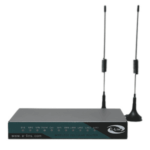
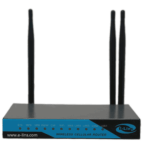
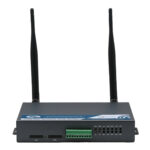
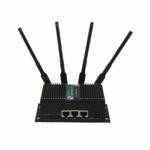
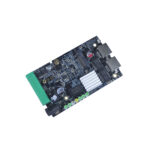
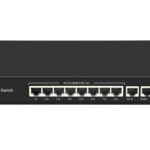
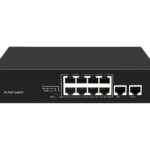
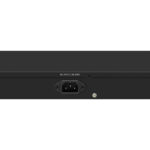
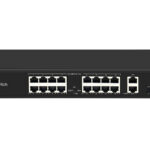
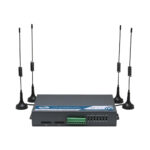
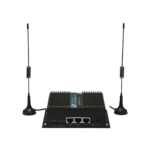
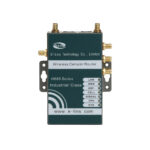
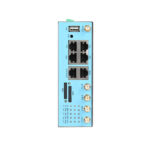
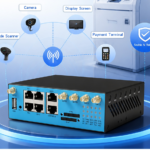
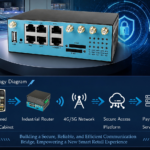
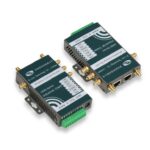
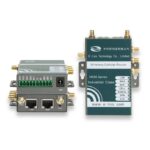
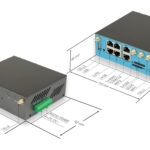
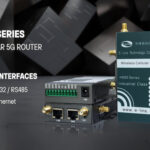
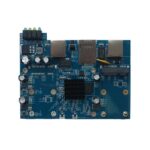
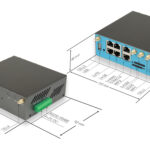
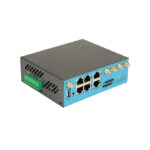
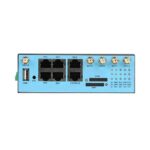
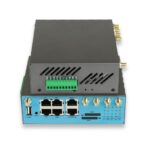
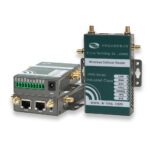
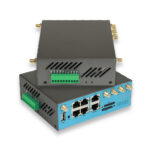
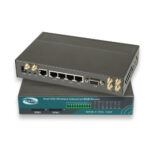
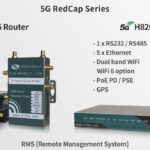
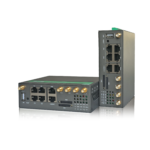
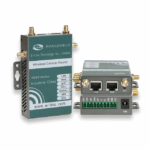
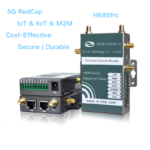
E-Lins H900pf Gigabit 5G Router with SIP ALG, QoS and VoIP Support
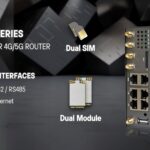
Industrial dual-SIM 5G/4G router with SIP ALG, QoS prioritization (DSCP and priority queuing), 802.1p/q LAN QoS, NAT traversal, dual/tri-band optional Wi-Fi, Gigabit Ethernet, OSPF/BGP/RIP enterprise routing, dual power failover, and full VPN suite. Built for branch telephony, unified communications, and mixed voice/data deployments over cellular.
Why the “Optimized IP Communications” Feature Set Matters
Most industrial 5G router datasheets describe a fairly standard set of capabilities — cellular WAN, firewall, VPN, basic QoS for general traffic shaping. The H900pf’s datasheet includes a section explicitly labeled for VoIP and unified communications, covering automated WAN failover and failback specifically framed around maintaining service continuity, WAN affinity and QoS for prioritizing voice services, advanced VPN options for connecting to headquarters infrastructure, SIP ALG and NAT traversal explicitly to allow VoIP and UC communications to cross the firewall, and 802.1p/q support for extending QoS treatment across the LAN.
This is a deliberate feature grouping rather than a coincidental overlap of generally useful capabilities. It indicates the H900pf was specified with voice and unified communications deployments as an intended use case, not as an afterthought bolted onto a data-focused router. For organizations extending PBX systems, video conferencing, or contact center functionality to remote sites without reliable fixed-line infrastructure, this distinction matters in practice — it is the difference between a router that happens to pass VoIP traffic without breaking it and one that was built with the expectation that voice traffic would be running across it.
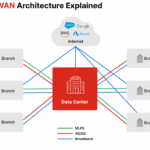
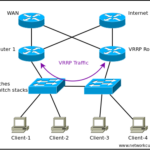
The router’s enterprise routing protocol support — OSPF, BGP, RIP, and VRRP — is also relevant to organizations running unified communications across a formal WAN topology rather than treating each remote site as an isolated island behind NAT. A branch office router that can participate in dynamic routing alongside the headquarters network infrastructure integrates more naturally into an existing enterprise network design, including the routing decisions that affect how voice traffic reaches the central PBX or SIP trunk provider.
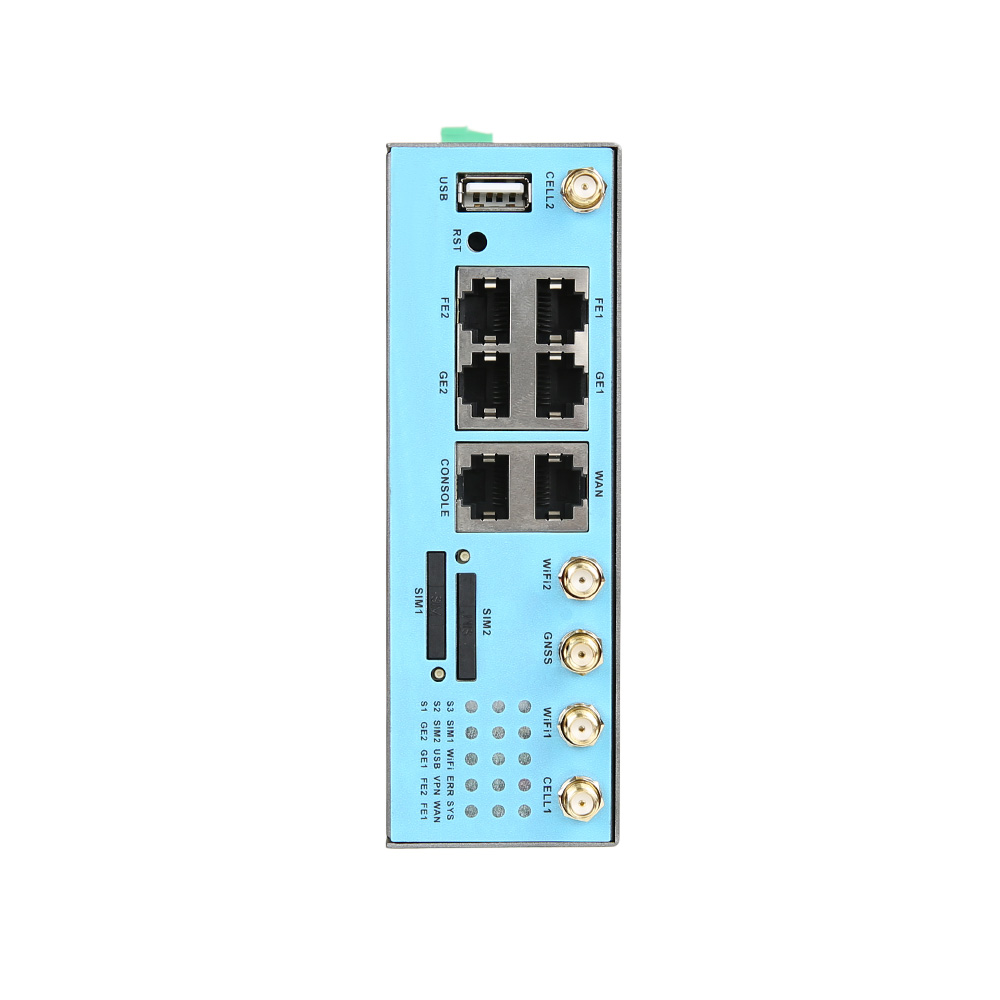
E-Lins H900pf — Gigabit 5G router with SIP ALG, QoS prioritization, NAT traversal, and enterprise routing for branch telephony and unified communications over cellular
Which Project Structure Suits the H900pf for VoIP Deployment?
The H900pf’s VoIP-specific feature set is most valuable at sites where reliable voice communication over cellular is an operational requirement, not a nice-to-have. The configuration priorities differ depending on whether the deployment is voice-primary or mixed voice-and-data.
Branch Office and Retail Telephony
- SIP trunk extension to remote branches without fixed-line PSTN.
- QoS protects call quality from POS and inventory data traffic.
- Dual SIM maintains phone service during carrier outages.
- VPN secures the SIP trunk connection to head office.
- NMS manages router fleet across many branch locations.
Remote and Mobile Command Centers
- Voice and video conferencing for incident response teams.
- QoS prioritizes live communications over file transfers.
- Load balancing across cellular and satellite/fixed WAN.
- NAT traversal for UC platform connectivity behind carrier NAT.
- Dual power failover maintains comms during power events.
Construction and Temporary Site Offices
- Temporary office telephony without waiting for fixed-line install.
- SIP ALG enables immediate PBX extension via cellular.
- Portable deployment — relocate router as the site moves.
- WAN affinity prioritizes voice over construction site IoT data.
- Wide-temperature range for outdoor cabinet installation.
Enterprise Branch Network Integration
- OSPF/BGP integration with existing corporate WAN topology.
- VRRP for gateway redundancy at the branch router level.
- 802.1p/q LAN QoS extends prioritization to branch handsets.
- RADIUS/TACACS+ integration with existing network AAA.
- EoIP and site-to-site dynamic VPN with NHRP for hub-spoke design.
Comparison: VoIP-Optimized Router vs Standard Data Router for Voice Traffic
The table below illustrates the practical difference between a router specifically configured for VoIP traffic and a standard industrial router used for voice without VoIP-specific features.
| Factor | H900pf (VoIP-optimized) | Standard data-focused 5G router |
|---|---|---|
| SIP NAT handling | SIP ALG actively rewrites embedded addressing | Generic NAT only; SIP headers often left unmodified |
| Voice traffic prioritization | QoS targets SIP/RTP specifically | Generic QoS or none; voice competes equally with all traffic |
| Call quality under data load | Maintained — voice protected from contention | Degrades as concurrent data traffic increases |
| NAT traversal for media stream | Built-in handling for symmetric/restrictive NAT | Often fails behind double NAT or carrier-grade NAT |
| LAN-side QoS | 802.1p/q extends prioritization to local handsets | Typically WAN-only QoS, if present at all |
| Enterprise routing | OSPF/BGP/RIP/VRRP for formal WAN integration | Usually NAT-based edge routing only |
| Best fit | Branch telephony, UC platforms, voice-critical remote sites | Pure data/telemetry sites with no voice requirement |
Common Mistakes When Deploying VoIP Over a Cellular Router
Assuming SIP ALG Should Always Be Enabled
SIP ALG resolves NAT traversal problems for many VoIP platforms, but some SIP trunk providers and PBX systems handle their own NAT traversal and explicitly recommend disabling router-side SIP ALG to avoid conflicting double-processing of the same SIP headers. Before deployment, check the specific VoIP platform’s documentation or ask the SIP trunk provider directly whether they recommend SIP ALG enabled or disabled — this is a five-minute check that prevents a confusing troubleshooting session later.
Configuring QoS Without Identifying the Actual Port Ranges in Use
Generic QoS rules based on assumed default SIP and RTP port ranges may not match the actual ports a specific VoIP platform uses, particularly if the platform has been configured with non-standard ports for security reasons. Confirm the exact SIP signaling port and RTP media port range from the VoIP platform’s configuration documentation, and configure QoS rules to match those specific ports rather than relying on generic defaults that may not apply.
Ignoring Carrier-Grade NAT on the Cellular Side
Many cellular data plans place the router behind carrier-grade NAT, meaning the router’s own NAT is not the only NAT boundary the SIP traffic must traverse — there is a second NAT layer at the carrier network level that the router’s SIP ALG cannot directly control. For VoIP deployments where call reliability matters, request a SIM plan with a public or semi-public IP address from the carrier where possible, or confirm that the VoIP platform’s own NAT traversal mechanisms (such as STUN/TURN support in the SIP client) can handle the additional carrier-level NAT layer.
Testing Voice Quality Only During Low-Traffic Periods
A VoIP test call made during a quiet period with no other traffic on the connection will sound fine regardless of whether QoS is correctly configured, because there is no competing traffic for QoS to actually prioritize against. Voice quality testing should specifically include periods of concurrent data activity — file uploads, video streaming, firmware updates — to confirm that QoS prioritization is functioning as intended under the traffic conditions the site will actually experience in normal operation.
Underestimating Bandwidth Needs for Multiple Simultaneous Calls
While individual VoIP calls require relatively little bandwidth, a site supporting multiple simultaneous calls — a small call center, a branch office with several active lines — needs the aggregate bandwidth calculated accordingly, and the cellular connection’s available uplink should be confirmed against this aggregate figure rather than the single-call requirement. A connection adequate for two simultaneous calls may become unreliable at six, particularly if other site traffic is also competing for the same uplink.
Application Scenarios for VoIP-Capable 5G Routers
VoIP-optimized industrial 5G routers serve sites where reliable voice communication needs to extend beyond fixed-line infrastructure, or where a mixed voice-and-data traffic profile needs active management to keep call quality acceptable.

Retail and Branch Office Telephony
SIP trunk extension to branch locations without reliable fixed-line PSTN, with QoS protecting call quality from competing POS and inventory data traffic on the same connection.

Construction Site Temporary Offices
Immediate office telephony for temporary site locations without waiting for fixed-line installation, relocating with the router as the project site moves.

Mobile Command and Incident Response
Voice and video conferencing for incident response teams, with QoS prioritizing live communications over background data and load balancing across available WAN paths.

Small Call Centers and Customer Service Desks
Multiple simultaneous calls supported over a single cellular connection, with QoS and SIP ALG ensuring consistent call quality across all active lines during peak periods.

Rural Healthcare and Telemedicine
Clinic telephony and telemedicine video consultations over cellular in areas without reliable fixed-line infrastructure, with NAT traversal supporting UC platform connectivity.

Bank and Financial Branch Networks
SIP trunk telephony at branch locations integrated with head-office PBX over VPN, with enterprise routing protocols supporting formal WAN topology integration.
Extended Reading
E-Lins H900pf Product Page — Full specification and ordering information for the Gigabit 5G router with SIP ALG and QoS for VoIP traffic.
IoT 5G Router Category — Browse the complete E-Lins 5G router lineup across compact, standard, and feature-rich configurations.
H900pf 5-Port Variant — For sites needing five Ethernet ports to consolidate a small LAN alongside the same router platform.
H900f Dual SIM 5G Router — For sites prioritizing Active PoE Out to downstream devices over the VoIP-specific feature set.
RFC 3261 — SIP Protocol Specification — The IETF standard defining the Session Initiation Protocol referenced throughout this article.
Project Inquiry — Share your VoIP platform, expected simultaneous call count, site traffic profile, and carrier region for a tailored recommendation.
FAQ
What is SIP ALG and do I need it enabled on the H900pf?
SIP ALG (Application Layer Gateway) inspects SIP signaling traffic and rewrites the IP address and port information embedded in the message payload to match the router’s actual NAT mapping, resolving the most common cause of failed call setup or one-way audio behind NAT. Whether you need it enabled depends on your specific VoIP platform or SIP trunk provider — some handle their own NAT traversal and explicitly recommend disabling router-side SIP ALG to avoid conflicts. Check your platform’s documentation or ask your provider before enabling or disabling it.
How much bandwidth does VoIP actually need on a cellular connection?
A single voice call using the G.711 codec requires approximately 80–100 kbps including overhead, which is well within the capacity of most cellular connections. The challenge is rarely raw bandwidth availability — it is protecting that relatively small amount of bandwidth from being delayed or dropped due to contention with other traffic on the same link, which is what QoS prioritization addresses. For sites supporting multiple simultaneous calls, multiply the per-call bandwidth by the expected maximum concurrent call count to estimate the aggregate requirement.
What is the difference between SIP ALG and QoS, and do I need both?
SIP ALG solves a NAT traversal problem — making sure call setup signaling works correctly across the router’s NAT boundary. QoS solves a traffic prioritization problem — making sure voice packets are not delayed by competing traffic once the call is established. They address different failure modes. A site with only SIP ALG enabled may establish calls successfully but still experience poor audio quality under data load; a site with only QoS enabled may experience smooth audio for calls that do successfully connect, but still have calls fail to establish in the first place due to NAT issues. Most VoIP deployments over cellular benefit from both being correctly configured.
Can the H900pf handle video calls and conferencing, or only voice?
The same SIP ALG and QoS mechanisms that support voice calls extend to video calling and conferencing platforms that use SIP or similar session protocols, since the underlying NAT traversal and prioritization challenges are similar. Video traffic requires significantly more bandwidth than voice-only calls, so confirm your cellular connection’s available uplink against the specific video platform’s bandwidth requirements — video conferencing platforms typically specify minimum bandwidth requirements per participant in their own documentation.
Does carrier-grade NAT on my SIM plan affect VoIP reliability?
Yes. If your cellular SIM plan places the router behind carrier-grade NAT, there is an additional NAT layer at the carrier network level beyond the router’s own NAT, which the router’s SIP ALG cannot directly modify or control. This can still cause VoIP connectivity issues even with the router correctly configured. For VoIP-critical deployments, request a SIM plan with a public or semi-public IP address from your carrier, or confirm your VoIP platform’s client software has its own NAT traversal mechanism (such as STUN or TURN support) capable of handling the additional carrier-level NAT.
What is WAN affinity and how does it help VoIP calls specifically?
WAN affinity allows specific traffic types to be assigned to specific WAN paths when multiple WAN connections are available — for example, routing voice traffic through whichever connection currently has the lowest latency, while general data traffic uses a different available path. This is distinct from QoS on a single connection; it actively selects the best-performing path for latency-sensitive traffic across multiple WAN options, which is useful for sites with both cellular and a secondary WAN connection (Ethernet, satellite, or a second cellular SIM) available simultaneously.
How does dual SIM failover affect calls that are already in progress?
A failover event from one SIM to another will typically interrupt any call in progress at the exact moment of switchover, since the underlying network path changes. However, rapid failover minimizes the duration of this interruption and ensures that subsequent call attempts succeed on the secondary carrier without requiring manual intervention. For voice-critical deployments, the practical benefit of dual SIM failover is reducing total outage duration and restoring service quickly, rather than eliminating any interruption to calls already underway at the moment of failure.
What enterprise routing protocols does the H900pf support, and why would a VoIP deployment need them?
The H900pf supports OSPF, BGP, RIP, and VRRP. These matter for VoIP deployments specifically in organizations that run a formal enterprise WAN topology rather than treating each branch as an isolated site behind NAT — for example, a company with a hub-and-spoke or mesh network design connecting branch offices to headquarters, where the branch router needs to participate in dynamic routing to ensure voice traffic takes the correct path back to the central PBX or SIP trunk provider, consistent with the rest of the network’s routing policy.
Can I run VoIP and video surveillance on the same H900pf without one degrading the other?
Yes, provided QoS is configured correctly to prioritize voice and video-call signaling and media traffic above general video surveillance upload traffic. Surveillance footage upload is generally more tolerant of delay than live voice calls — a few seconds of additional latency on a recorded video upload is invisible to anyone, while the same delay on a live call is immediately audible. Configuring QoS to reflect this difference in sensitivity, rather than treating all video traffic identically, is the key to running both reliably on the same connection.
Is the H900pf’s VoIP feature set relevant if I’m only using it for data and telemetry, with no voice traffic?
The SIP ALG, QoS-for-voice, and VoIP-specific NAT traversal features provide no particular benefit for a pure data and telemetry deployment with no voice component — they are specifically there for sites that do carry voice traffic. If your deployment has no VoIP requirement now or planned, the H900pf’s general routing, VPN, and cellular capabilities remain useful, but you would not be using the features this article focuses on, and a different H900-series variant optimized for a different feature set (such as multi-port Ethernet or Active PoE Out) might be a better cost match for a data-only deployment.
Conclusion: The Router Decides Whether the Call Sounds Clear, Not Just the Connection
The case for a 5G router for VoIP and unified communications rests on a distinction that is easy to overlook when evaluating cellular routers primarily on bandwidth and coverage specifications: a connection with plenty of bandwidth and acceptable latency can still deliver poor voice quality if the router handling that connection does not actively manage SIP signaling and protect voice traffic from contention. The cellular link is rarely the actual constraint. The router’s NAT handling and traffic prioritization usually are.
The H900pf’s SIP ALG, QoS prioritization targeting SIP and RTP traffic specifically, NAT traversal handling, and enterprise routing protocol support address this directly rather than treating voice as an afterthought on a data-focused platform. For branch offices, mobile command centers, temporary site offices, and any deployment extending telephony or unified communications to a location without reliable fixed-line infrastructure, this feature set is the difference between a phone system that works and one that technically connects but frustrates everyone using it.
Before finalizing a VoIP-over-cellular deployment, confirm the following:
- Check with your specific VoIP platform or SIP trunk provider whether SIP ALG should be enabled or disabled at the router, rather than assuming a universal default.
- Configure QoS to target the actual SIP signaling and RTP media port ranges your platform uses, and test voice quality specifically under concurrent data load, not only during quiet periods.
- Confirm your SIM plan’s NAT type with the carrier — carrier-grade NAT adds a layer the router’s SIP ALG cannot control, and may require a different SIM plan or platform-side NAT traversal for reliable call quality.
Extending Telephony or Unified Communications to a Site Without Fixed-Line Infrastructure?
Tell E-Lins your VoIP platform, expected call volume, site traffic profile, and carrier region. We will confirm whether the H900pf fits or recommend the right configuration for reliable voice over cellular.
Contact Us