





































































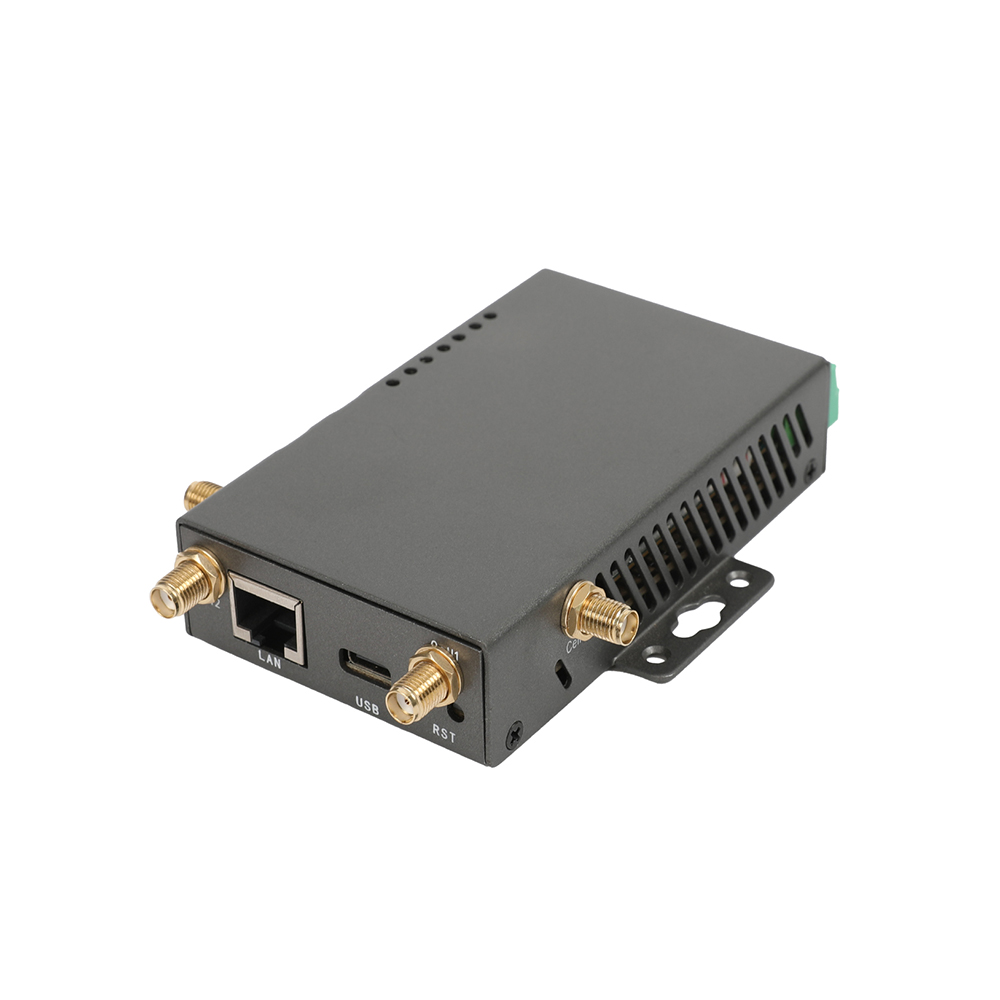
1)Introduction
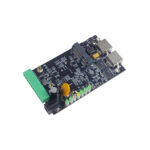
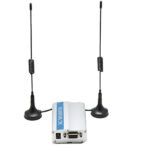
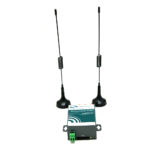
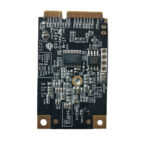
5G modems are engineering marvels that integrate advanced RF design, digital signal processing, and AI-driven optimization. This article explores the internal architecture of a 5G modem and how each subsystem contributes to performance.
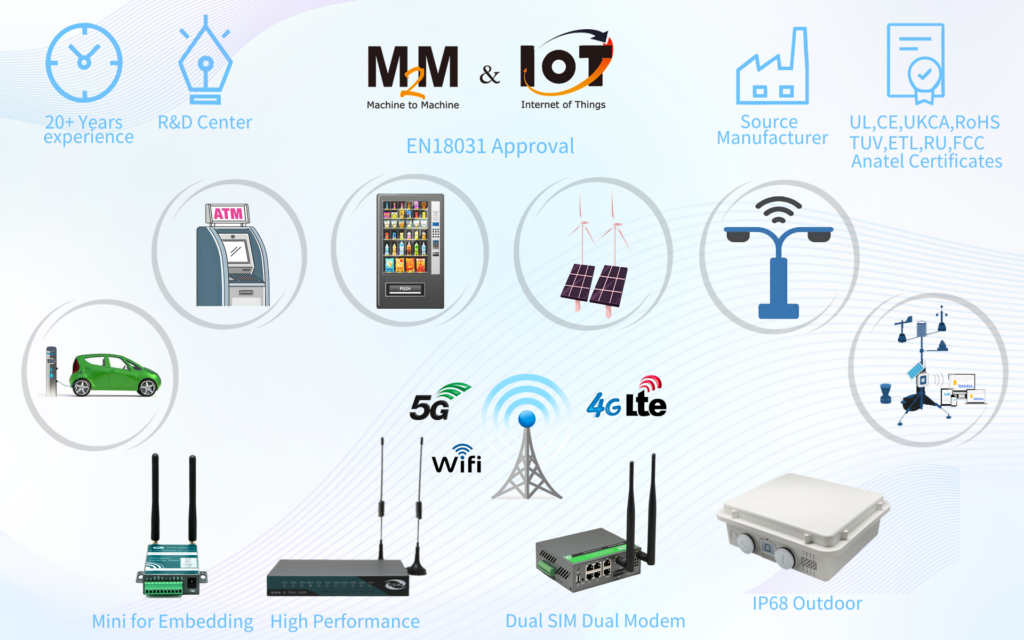
2)Architecture for a 5G Modem
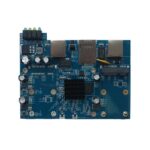
A typical 5G modem consists of:
Baseband processor
RF transceiver
Power management unit
Antenna array interface
AI accelerator (in advanced designs)
3)Baseband Processor
The baseband processor handles:
Signal modulation/demodulation
Error correction (LDPC, Polar codes)
Carrier aggregation
Network scheduling
It performs billions of calculations per second.
4)RF Transceiver
The RF transceiver converts digital signals into radio waves.
In 5G, transceivers must:
Support wide bandwidth (up to 400 MHz per carrier)
Operate across multiple frequency bands
Enable beam steering
5)Massive MIMO and Beamforming
5G relies heavily on MIMO. A modem coordinates multiple antennas to:
Increase throughput
Improve reliability
Reduce interference
Beamforming dynamically adjusts signal direction for optimal performance.
6)Power Efficiency Engineering
5G signals require high processing power. To manage battery life, modems use:
Advanced sleep states
Envelope tracking
AI-based network prediction
7)Carrier Aggregation
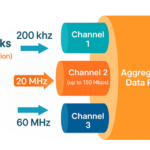
Carrier aggregation allows a modem to combine multiple frequency blocks, increasing total bandwidth and speed.
Example:
3x 100 MHz carriers combined for 300 MHz total bandwidth.
8)Latency Optimization
Low latency is crucial for:
Cloud gaming
AR/VR
Autonomous driving
5G modems reduce latency through:
Faster processing pipelines
Edge computing integration
Reduced protocol overhead
9)Thermal Management
High-speed data transmission generates heat.
Solutions include:
Advanced packaging
Efficient silicon processes (4nm, 3nm)
Intelligent power throttling
10)Security Features
5G modem includes:
Hardware encryption engines
Secure boot
SIM authentication
Network slicing isolation
11)Future Trends
AI-native modems
Integrated satellite 5G
6G pre-standard research
12)Frequently Asked Questions (FAQ)
1. What is the baseband processor?
It processes digital communication signals.
2. Why is carrier aggregation important?
It increases speed by combining frequency bands.
3. What is Massive MIMO?
Multiple antennas working together to improve performance.
4. How do 5G modems manage heat?
Through advanced semiconductor processes and power optimization.
5. Will 6G require new modems?
Yes. 6G will require entirely new modem architectures.

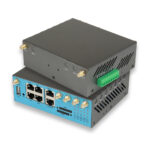
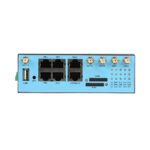
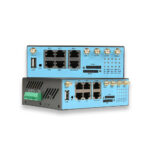
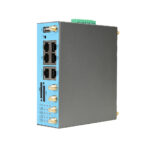
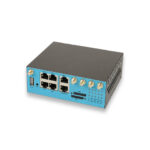
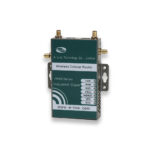
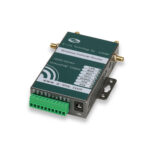
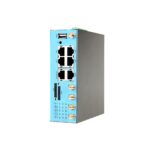
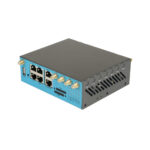
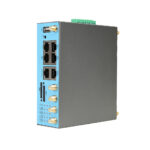
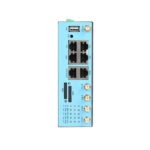
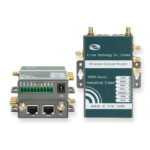
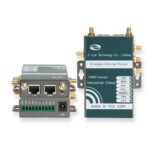
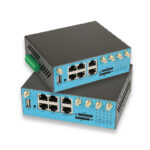
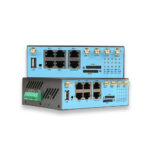
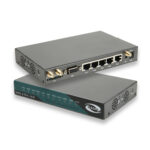
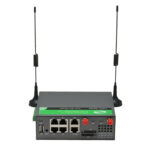
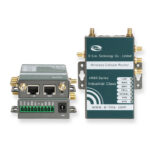
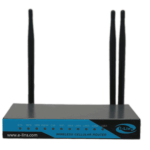
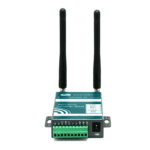
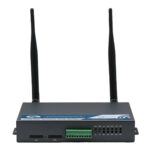
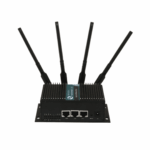
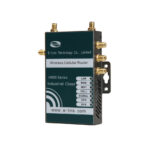
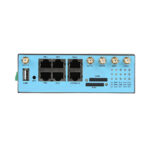
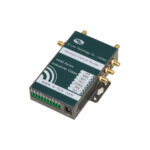
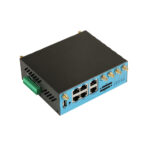
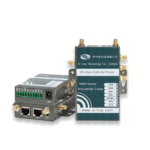
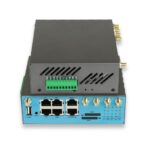
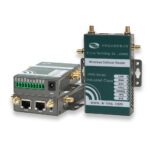
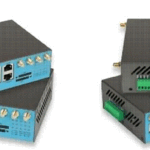
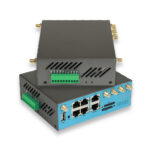
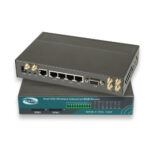
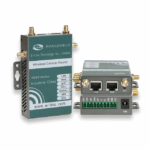
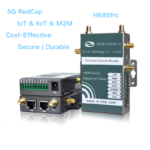
Which brand 5G modem will be best choice for you? The answer is E-Lins, a 5G modem expert since 1999, providing you many excellent 5G modems.