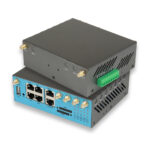
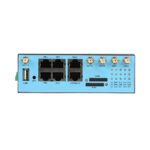
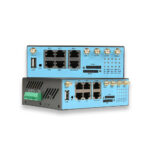
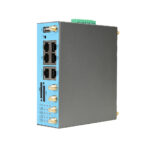
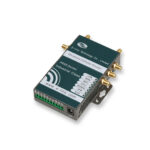
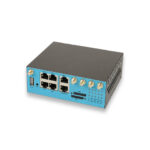
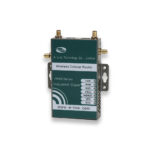
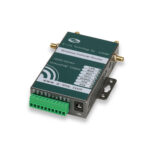

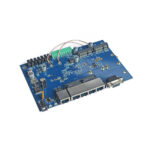
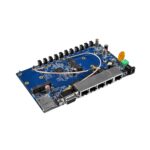
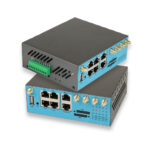
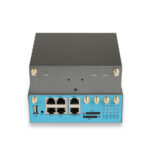
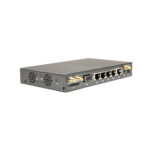
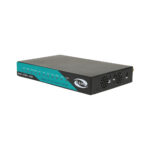
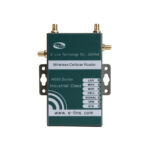
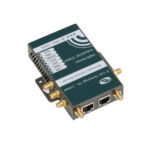
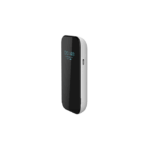
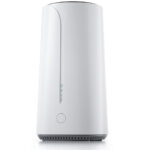
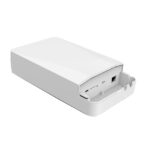

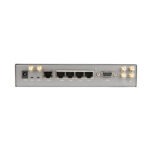
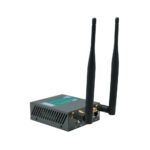
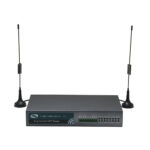
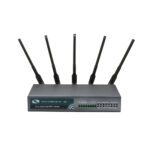
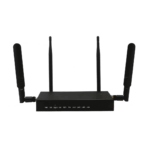
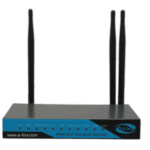
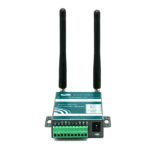
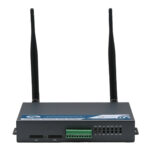
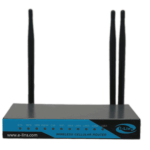
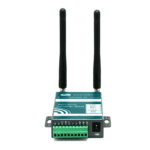
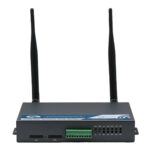
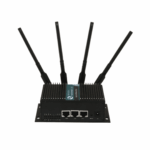
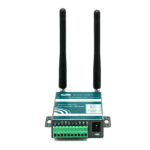
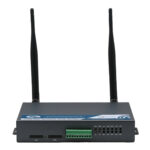
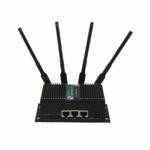
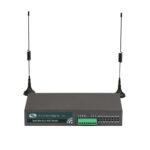
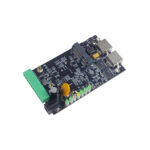
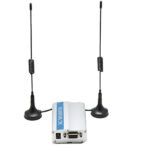
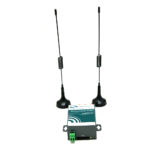
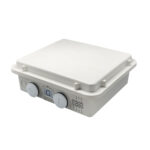
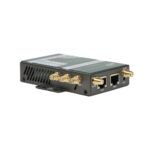
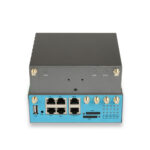
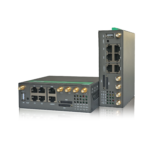
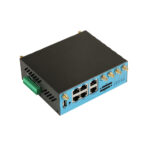
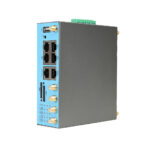
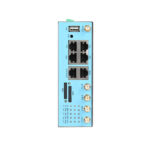









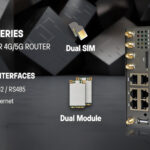

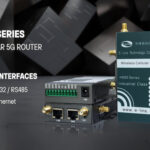
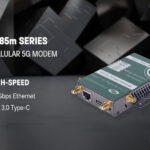


















The Industrial Internet of Things (IIoT) is undergoing a seismic shift. For years, industries like manufacturing, energy, and utilities have relied on 4G LTE networks to connect remote assets, monitor machinery, and manage SCADA systems. However, as 4G networks begin their sunset journey and the demands for data grow, a gap has emerged. Full-scale 5G enhanced Mobile Broadband (eMBB) is often overkill—too expensive, too complex, and too power-hungry for the typical sensor or controller.
Enter 5G RedCap. According to Omdia, 5G RedCap connections are projected to surpass 656 million globally by 2030. This technology is specifically designed to be the “right-sized” connectivity solution for IIoT. By leveraging 5G RedCap router, businesses can finally achieve the low latency, high reliability, and network longevity of 5G without the premium cost.

1) What is 5G RedCap? The Art of Doing Less to Achieve More
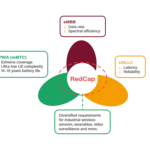
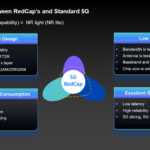
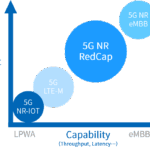
5G RedCap, standardized in 3GPP Release 17, is essentially 5G “light.” It strips away the extreme bandwidth requirements of eMBB to create a terminal type that is cost-effective and energy-efficient.
- Technical “Downgrades” That Make Sense
To understand the value, look at the hardware simplifications:
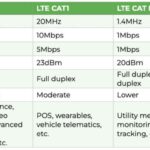
- Bandwidth Reduction: RedCap devices operate at a maximum of 20 MHz in FR1, compared to the 100 MHz required for standard 5G.
- Antenna Simplification: Instead of complex 4×4 MIMO arrays, RedCap typically uses 1 or 2 antennas, reducing RF complexity and cost.
- Power Optimization: With idle power consumption dipping below 1 Watt (e.g., 756 mW on ruggedized units), these routers can run on solar or battery power for years, leveraging features like extended DRX and Power Saving Mode (PSM).
These optimizations reduce module costs by 50% to 60% compared to standard 5G, while retaining the core 5G advantages: low latency, network slicing, and high reliability.
2) Key Applications Driving the 800% Surge in RedCap Router Adoption
Recent data from Counterpoint Research indicates that 5G RedCap surged by nearly 800% year-over-year in Q2 2025, driven largely by routers, CPE, and energy applications in China. This explosive growth is migrating West as network coverage expands.
1. Remote Infrastructure and Critical Energy
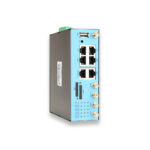
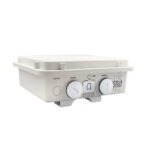
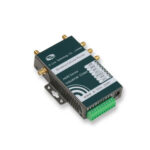
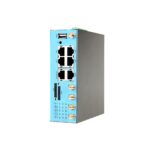
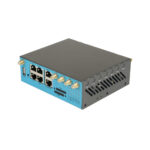
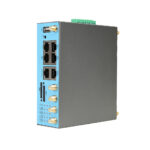
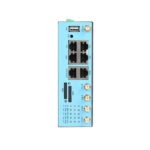
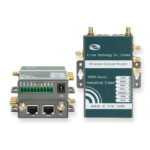
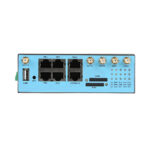
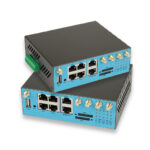
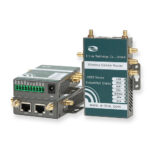
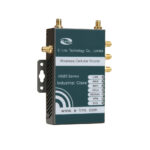
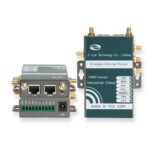
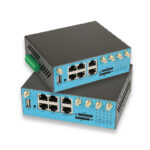
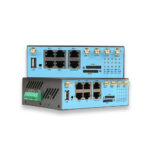
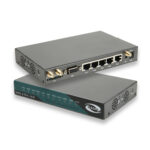
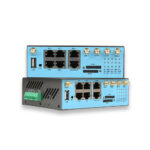
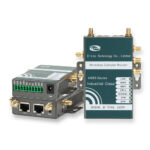
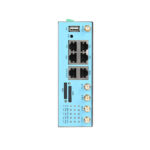
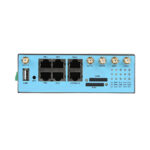
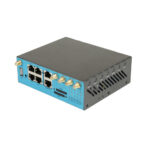
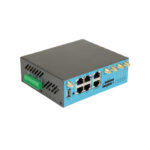
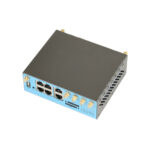
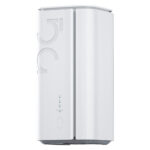
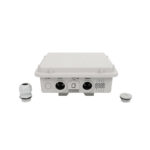
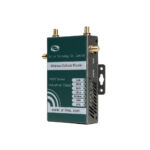
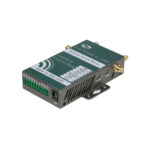
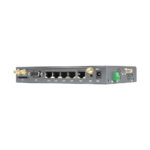
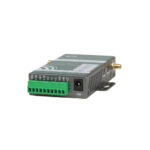
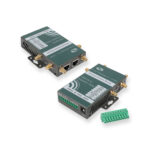
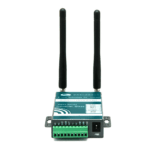
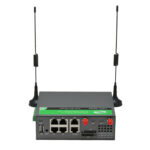
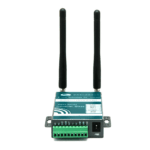
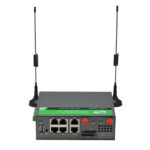
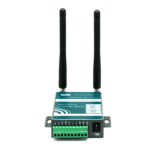
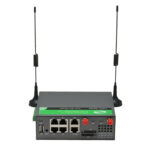
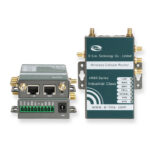
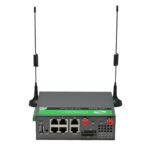
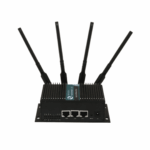
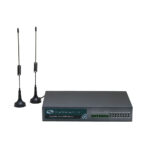
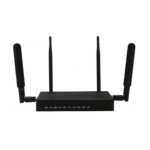
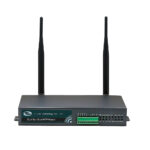
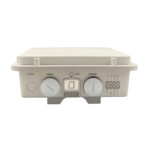
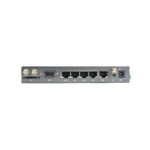
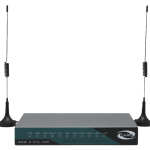
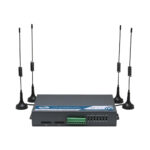
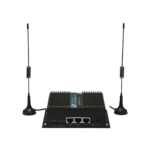
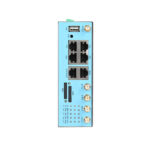
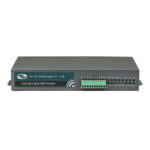
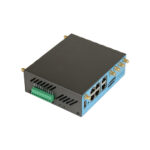
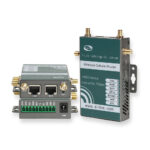
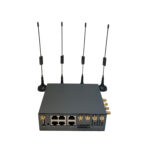
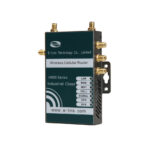
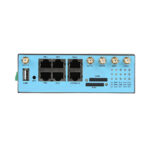
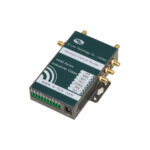
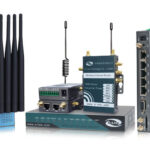
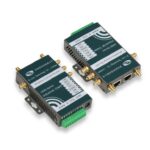
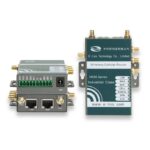
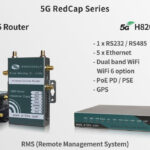
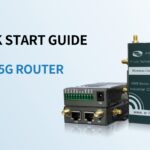
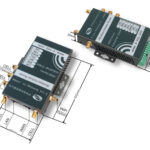
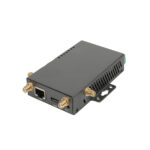
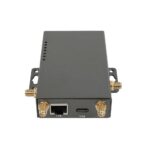
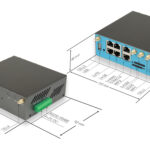
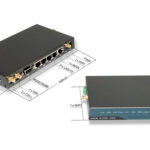
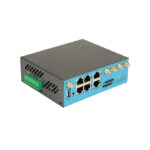
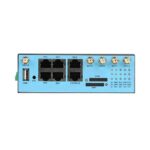
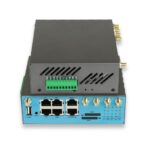
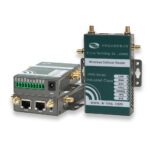
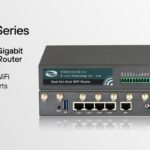
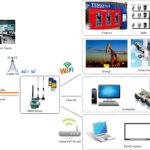
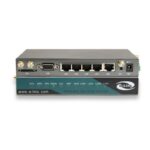
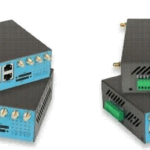
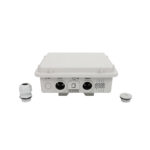
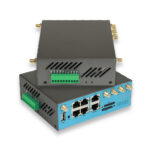
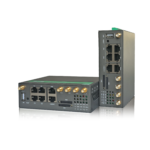
For oil and gas pipelines or utility substations, replacing LTE with RedCap offers a future-proof path. The E-Lins H900frc, for example, is built for these harsh environments. It withstands vibration and temperature extremes while providing the throughput needed for advanced metering infrastructure (AMI) backhaul.
2. Industrial Automation and Smart Manufacturing
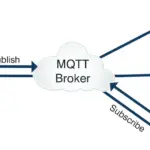
In factories, mechanical monitoring and preventive maintenance require stable connections, not necessarily gigabit speeds. RedCap routers bridge the gap between Wi-Fi instability and the high cost of full 5G. They support containerized edge computing applications (Python, C/C++) running directly on the router, allowing for local data processing and protocol conversion (e.g., Modbus to MQTT).
3. Video Surveillance and Asset Tracking
High-definition IP cameras typically require 4-8 Mbps. RedCap’s theoretical downlink of 223 Mbps and uplink of 123 Mbps is more than sufficient for high-quality video surveillance of remote sites or construction assets.
3) The TCO Advantage: Why RedCap Beats 4G and 5G eMBB
1. Cost Economics
According to market analysis, 5G RedCap reduces terminal costs significantly compared to traditional 5G. While 4G Cat-4 routers are currently cheaper, they lack the 5G SA architecture that ensures compatibility as carriers refarm spectrum through the 2030s. Vendors like Semtech are committing to software updates for RedCap routers until at least 2030, ensuring long deployment lifecycles.
2. Deployment Flexibility
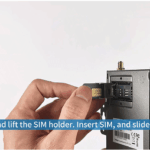
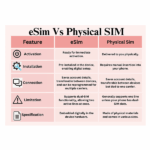
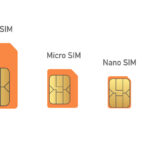
Modern RedCap routers feature multi-profile SIM support (multi-IMSI). Instead of being locked to one carrier, a single SIM can hold multiple network identities, allowing the router to connect to the strongest available 5G or LTE signal as conditions change. This is vital for mobile assets or geographically dispersed fleets.
4) FAQ – Industrial 5G RedCap Routers
Q1: Is 5G RedCap fast enough to replace my current 4G industrial router?
A: Yes, for the vast majority of cases. If you are currently using LTE Cat-4 (typically 150 Mbps down), 5G RedCap offers comparable or better speeds (up to 226 Mbps) with lower latency. It is specifically designed for use cases like industrial wireless sensors, PLC connectivity, and video monitoring where 4G is sufficient but network sunset is a concern.
Q2: Can I deploy a 5G RedCap router now if 5G SA isn’t available at my remote site?
A: Absolutely. Most industrial-grade RedCap routers include automatic LTE fallback. They will connect to the best available 4G LTE network today and seamlessly transition to 5G Standalone as coverage expands in your area.
Q3: How does RedCap improve total cost of ownership for remote monitoring?
A: TCO is lowered in two main ways. First, hardware cost: RedCap modules are 50-60% cheaper than eMBB 5G modules. Second, operational cost: Sub-1W power consumption allows for solar-powered deployment, eliminating grid connection costs, and cloud-based remote management tools (like ALMS or WebAccess/DMP) reduce costly truck rolls for troubleshooting.
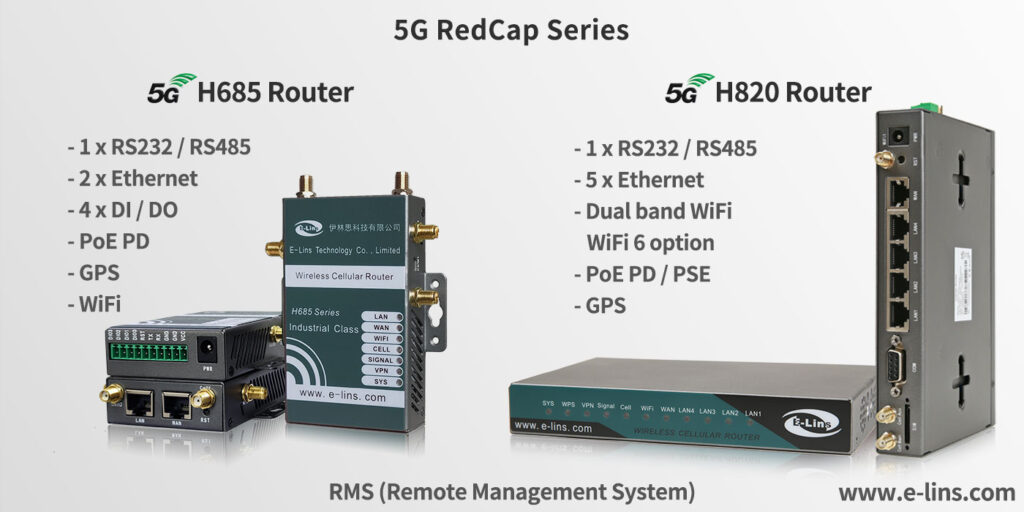
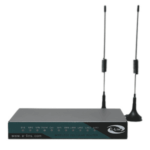
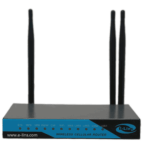
Do you need a reliable 5G RedCap Router? You could contact with E-Lins, a IoT expert, providing many excellent 5G RedCap Routers.