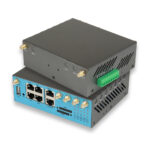
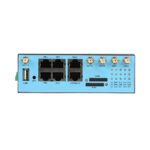
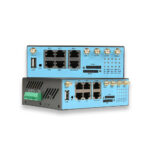
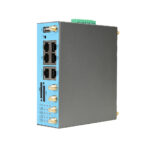
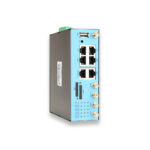
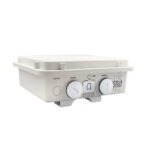
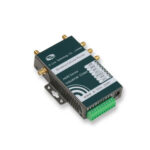
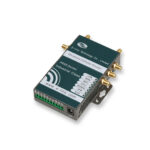
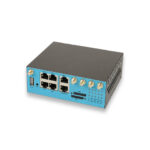
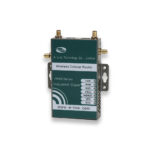
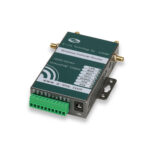
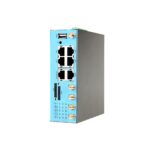

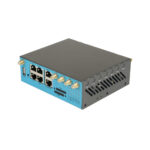
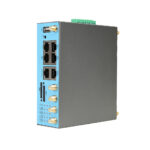
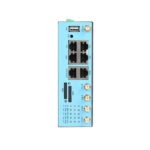
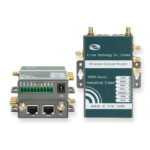
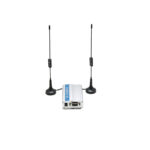
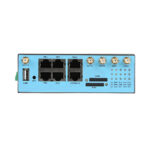
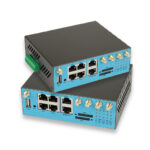
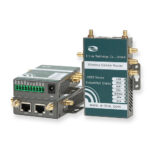
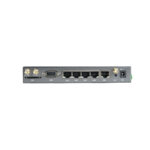
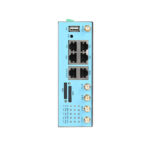
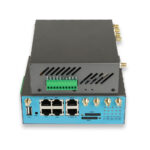
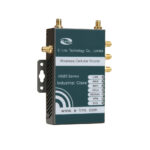
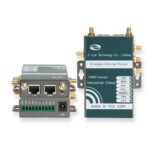
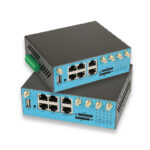
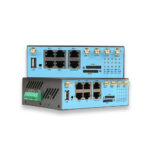
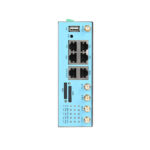
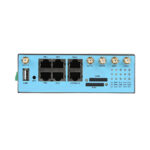
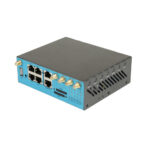
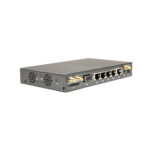
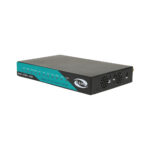
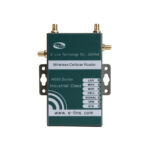
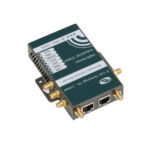
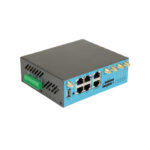
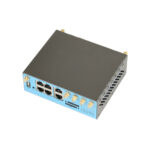



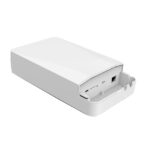


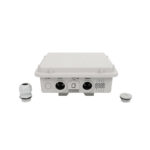
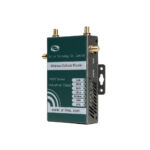
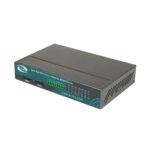
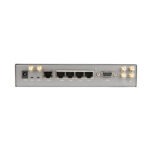
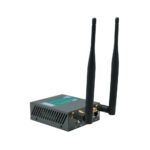
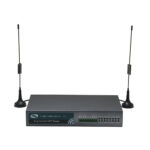
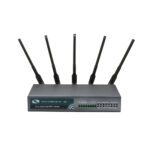
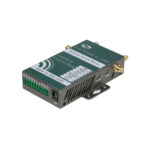
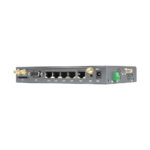
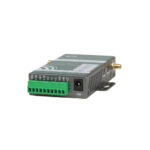
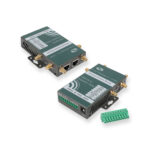
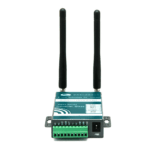
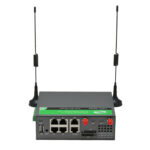
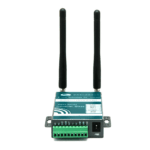
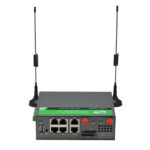
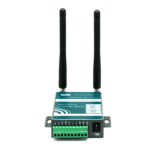
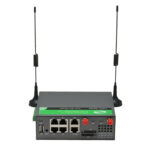
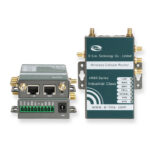

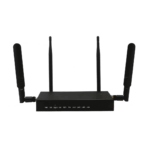
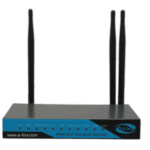
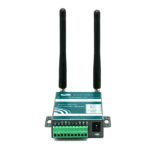
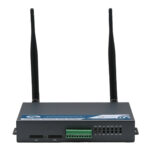
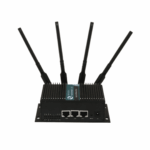
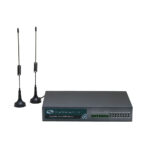

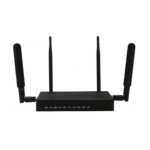
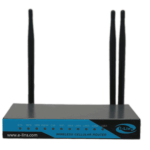
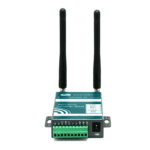
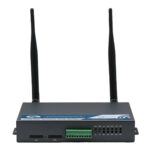
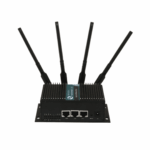
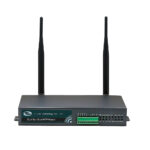

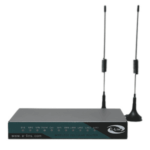
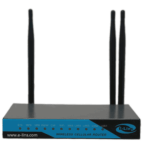
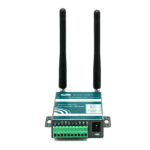
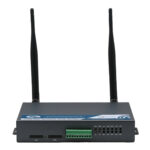
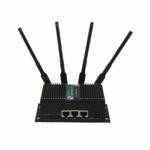
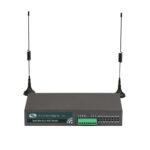
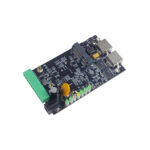
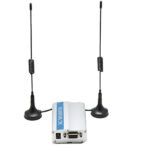
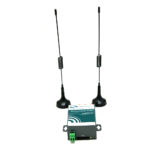
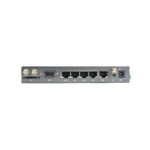
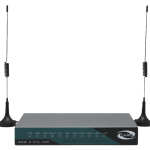
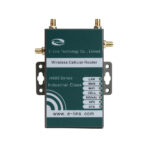
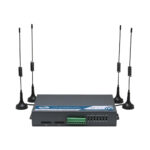
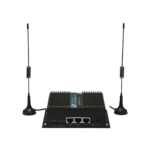
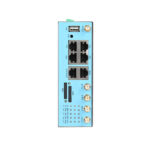
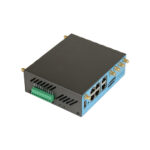
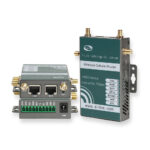
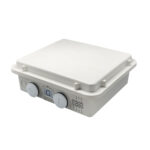
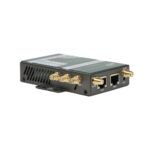
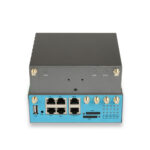
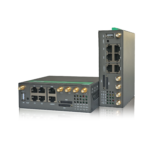
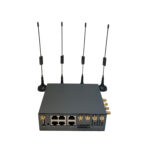
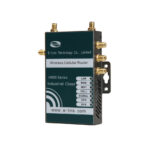
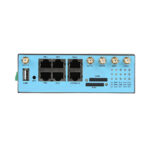
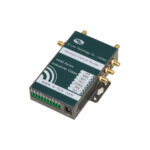
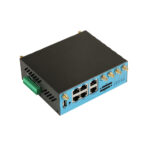
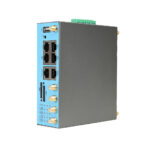
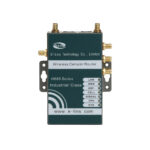



































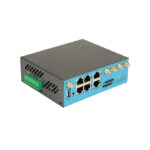
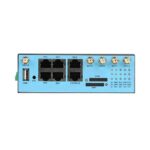
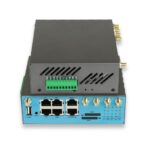


























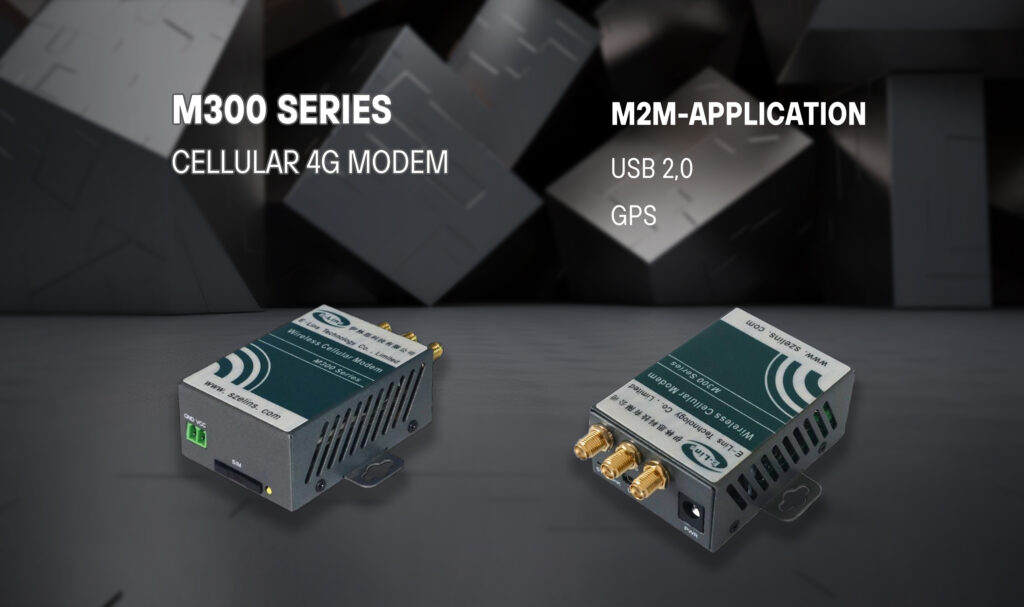
In the digital transformation era of Industry 4.0 and Industrial Internet of Things (IIoT), reliable wireless data communication has become an essential foundation for industrial automation, remote equipment monitoring, smart utilities, and unmanned operation. Wired network solutions including fiber optics and Ethernet are limited by geographical constraints, high laying costs, and poor flexibility, especially in remote industrial sites, mobile equipment, and distributed infrastructure projects. Under such industry demands, the industrial cellular modem has emerged as the most practical and cost-effective wireless communication hardware.
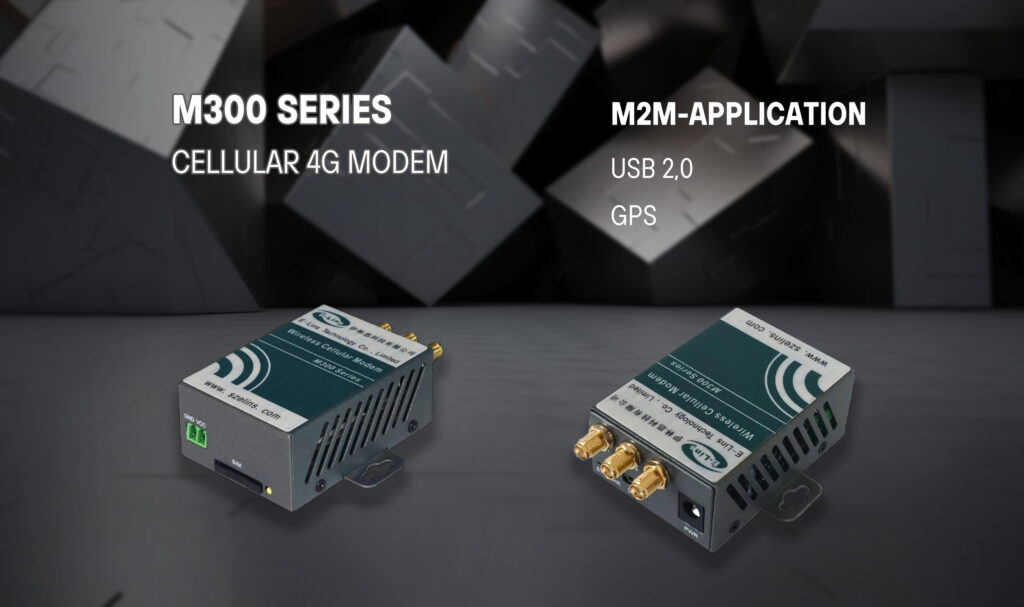
Different from consumer-grade cellular communication devices designed for daily office and home scenarios, industrial cellular modems are fully optimized for complex and harsh industrial environments. They support multi-network cellular coverage including 4G LTE, 5G, NB-IoT, Cat-M1, 3G and legacy 2G, and are compatible with mainstream industrial communication interfaces and protocols. Whether for outdoor power monitoring, transportation vehicle networking, oil and gas pipeline data collection, or smart city environmental monitoring, industrial cellular modems can achieve stable, long-term, unattended wireless data transmission.
This article comprehensively analyzes the core advantages, key technical parameters, typical application scenarios, selection standards and deployment tips of industrial cellular modems, and answers common industry questions to help enterprises complete IIoT network deployment efficiently.
What Is an Industrial Cellular Modem?
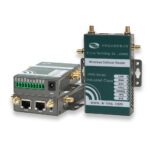
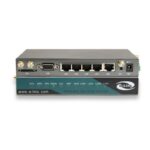
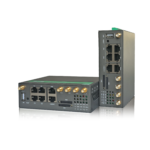
An industrial cellular modem is a professional M2M (Machine to Machine) wireless communication terminal that converts serial port, Ethernet or industrial equipment data into cellular network data packets for long-distance transparent transmission. It realizes two-way communication between field industrial equipment and remote cloud platforms, monitoring centers and management systems through public cellular networks.
As the key communication bridge of the industrial wireless chain, it does not need manual intervention for long-term operation, and focuses on solving the networking pain points of distributed, mobile and remote industrial devices. Unlike household modems that only focus on network speed, industrial cellular modem design focuses on stability, durability, anti-interference, low power consumption and industrial compatibility, which are the five core indicators to measure product performance.
1)Core Differences Between Industrial Cellular Modem and Consumer Modem
Many enterprises easily confuse industrial cellular modems with ordinary home wireless modems, but there are essential differences in design logic and application boundaries:
Working Temperature Range
Consumer devices are only adapted to 0℃~50℃ indoor constant temperature environment, while industrial cellular modems support ultra-wide temperature of -35℃ to +75℃, adapting to high-temperature workshops, cold alpine regions and outdoor extreme weather.
Hardware Anti-Interference Design
Industrial sites are full of electromagnetic interference from frequency converters, motors and high-voltage equipment. Industrial modems adopt lightning protection, surge protection and electromagnetic shielding design to ensure continuous network connection.
Unattended Operation Mechanism
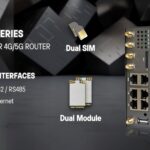
Built-in hardware watchdog, automatic reconnection, offline self-recovery and dual SIM card backup functions, to avoid network disconnection caused by signal jitter or equipment crash.
Industrial Interface Compatibility
Native support for RS232, RS485, TTL serial ports and industrial Ethernet, perfectly docking PLC, RTU, sensors, instrumentation and other industrial front-end equipment.
Long Service Life Standard
Industrial-grade components meet 7×24 hours continuous operation requirements, with a service life of more than 8 years, far exceeding the 2-3 years replacement cycle of consumer equipment.
2) Key Technical Features of Industrial Cellular Modem
Excellent industrial cellular modem products need to meet the diversified and complex access needs of the industrial industry. The following core functions are indispensable in formal industrial deployment:
1. Multi-Network Compatibility & Global Frequency Band Coverage
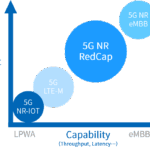
Modern industrial cellular modems support full-network access, covering mainstream cellular standards globally: 2G GSM/GPRS, 3G WCDMA/CDMA, 4G LTE Cat.1/Cat.4, low-power NB-IoT/Cat-M1, and emerging 5G modules. Global multi-frequency band design meets the networking needs of cross-border enterprises, overseas engineering projects and multinational industrial equipment management, eliminating regional network restriction barriers.
2. Industrial-Grade Communication Protocols & Transparent Transmission
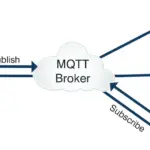
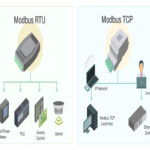
Native integration of mainstream industrial protocols: Modbus RTU/TCP, MQTT, BACnet, DNP3, IEC 104, etc. It supports TCP, UDP, MQTT, HTTP, SSL encrypted transparent transmission, realizing seamless data interaction between field equipment and cloud servers. The transparent transmission function does not need to modify the original industrial equipment program, which greatly reduces the difficulty and cost of network transformation.
3. Multiple Security Protection Mechanisms
Industrial data involves production data, equipment parameters and enterprise confidential information, so data security is crucial. Industrial cellular modems are equipped with complete security strategies: IPsec/OpenVPN virtual private network, AES-256 data encryption, firewall access control, password authority management, SIM card binding isolation, to prevent data leakage, remote illegal intrusion and network attack risks, and meet industrial information security compliance requirements.
4. Flexible Power Supply & Low Power Consumption Mode
Adapt to industrial diversified power supply environment, support wide voltage DC 9-36V power input, compatible with industrial switching power supply, solar power supply, battery power supply and other scenarios. For low-power monitoring equipment such as environmental sensors and smart meters, the modem can be switched to low-power sleep mode to reduce energy consumption, which is suitable for battery-powered unattended sites.
5. Remote Management & Intelligent Operation and Maintenance
Support remote configuration, remote firmware upgrade, device status monitoring, signal strength detection and data traffic statistics. Operation and maintenance personnel can remotely diagnose and troubleshoot through the cloud platform without arriving at the site, greatly reducing later operation and maintenance costs, especially suitable for large-scale distributed equipment management.
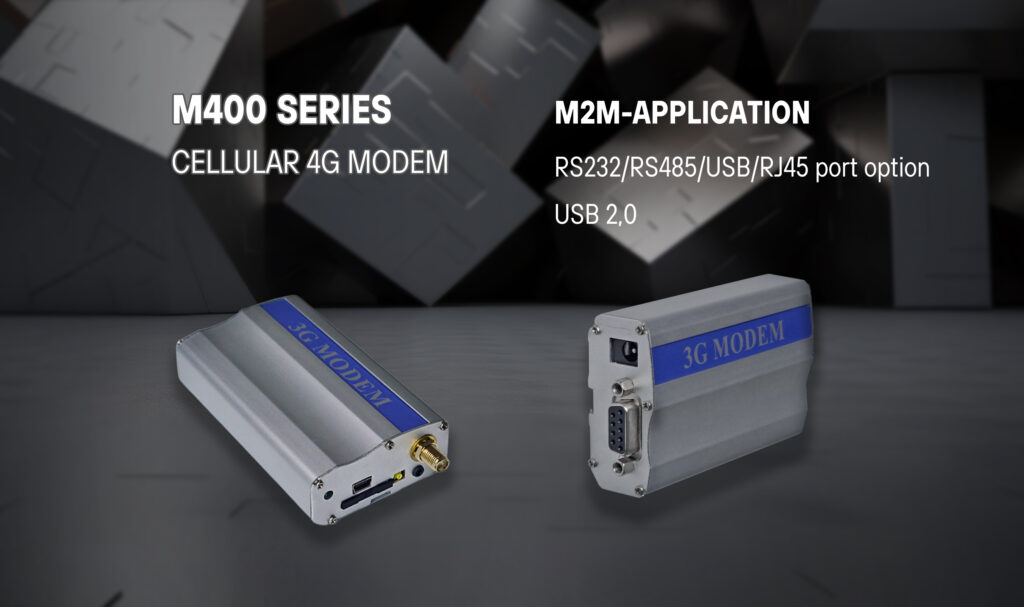
3) Typical Application Scenarios of Industrial Cellular Modem
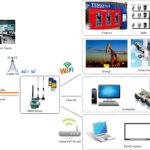
With flexible networking and strong environmental adaptability, industrial cellular modems are widely used in almost all industrial and infrastructure industries, covering the following core fields:
1. Smart Power & Energy Industry
Including distribution box monitoring, transformer operation data collection, photovoltaic power station remote monitoring, wind farm equipment networking and water conservancy hub automatic control. Through 4G/5G industrial cellular modems, real-time uploading of power data, equipment fault alarms and remote parameter adjustment are realized to ensure the stable operation of energy infrastructure.
2. Transportation & Vehicle Networking
Vehicle-mounted industrial modems are used for logistics vehicles, engineering machinery, buses and ships, realizing vehicle positioning, driving data monitoring, remote fault diagnosis and video data transmission. The rugged vibration-resistant design adapts to the bumpy working environment of mobile equipment.
3. Environmental Protection & Smart City
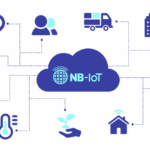
Urban atmospheric monitoring stations, water quality detection sensors, noise monitoring equipment and garbage station intelligent management equipment use low-power NB-IoT industrial modems to collect environmental data in real time, providing data support for urban environmental governance and emergency early warning.
4. Industrial Manufacturing & Factory Automation
Old factory equipment networking transformation, production line data collection, workshop environmental temperature and humidity monitoring, and mechanical equipment operating status upload. It helps manufacturing enterprises realize digital management and lay the foundation for intelligent factory upgrading.
5. Oil, Gas & Mining Industry
Remote monitoring of oil pipelines, gas station data statistics, and underground mining equipment information transmission. Explosion-proof and high-reliability customized industrial modems are adopted to adapt to high-risk and harsh working conditions in the energy and mining industry.
4) Practical Suggestions for Industrial Cellular Modem Selection & Deployment
Enterprises need to select models according to actual business needs to avoid performance redundancy or insufficient functions. The key selection points are as follows:
First, confirm the network demand: high-speed transmission such as video monitoring selects 4G Cat.4 or 5G modem; low-frequency small data monitoring such as meters and sensors selects NB-IoT/Cat-M1 low-power modules;
Second, check the environmental parameters: confirm the on-site temperature, vibration, waterproof and dustproof requirements, and select IP protection grade and wide temperature models;
Third, match interface and protocol: select RS485/RS232 or Ethernet interface according to the access equipment, and confirm protocol compatibility;
Fourth, focus on stable backup functions: for key business, prioritize dual SIM card backup, network polling and offline automatic reconnection functions;
Fifth, consider later operation and maintenance: select products with complete cloud management platform to facilitate centralized equipment management.
In actual deployment, antenna installation is critical. It is necessary to avoid metal shielding and high-power equipment interference, select high-gain industrial antennas, and ensure stable cellular signal strength to reduce packet loss and disconnection problems.
5) Frequently Asked Questions (FAQ)
Q1: What is the difference between industrial cellular modem and industrial router?
A: The core difference lies in functional positioning. Industrial cellular modem focuses on data transparent transmission, with single equipment or small-scale data docking, low cost and simple configuration; industrial router focuses on multi-device LAN networking, with functions such as DHCP, Wi-Fi and multi-port switching, which is suitable for simultaneous access of multiple terminal devices. Enterprises can choose according to the number of on-site access devices.
Q2: Do industrial cellular modems need to use industrial IoT SIM cards?
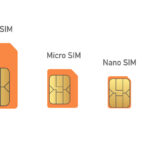
A: It is not mandatory. Ordinary operator SIM cards can be used normally, but industrial IoT SIM cards have lower traffic costs, longer service life, anti-disconnection strategies and dedicated network channels, which are more suitable for long-term uninterrupted industrial equipment networking and are the preferred solution for large-scale deployment.
Q3: Can industrial cellular modems work stably in thunderstorm and strong electromagnetic interference environments?
A: Qualified industrial cellular modems are built with lightning protection, surge protection and electromagnetic shielding circuits, which can resist industrial EMI interference and outdoor thunderstorm impacts. It is recommended to cooperate with outdoor lightning-proof antennas and grounding measures to further improve the stability of the whole system.
Q4: Is 5G industrial cellular modem necessary for industrial upgrading?
A: Not necessarily. Most industrial monitoring and data collection businesses have low requirements for network speed and delay. 4G Cat.1 and LPWA low-power modems can meet the demand with lower cost. 5G modems are only suitable for high-bandwidth, ultra-low delay scenarios such as industrial visual inspection and remote real-time control.
Q5: How to solve the problem of weak cellular signal in remote industrial sites?
A: Three solutions: replace high-gain external directional antennas, add signal amplifiers, and select dual-network backup modems to switch different operator networks automatically, effectively solving the problem of weak signal in remote mountainous areas, pastoral areas and remote mining areas.
Q6: Can industrial cellular modems realize offline data storage and retransmission?
A: Most high-grade industrial cellular modems support local data cache. When the network is interrupted, the collected data is stored locally, and automatically uploaded and supplemented after the network is restored, which effectively avoids data loss and ensures the integrity of industrial production and monitoring data.
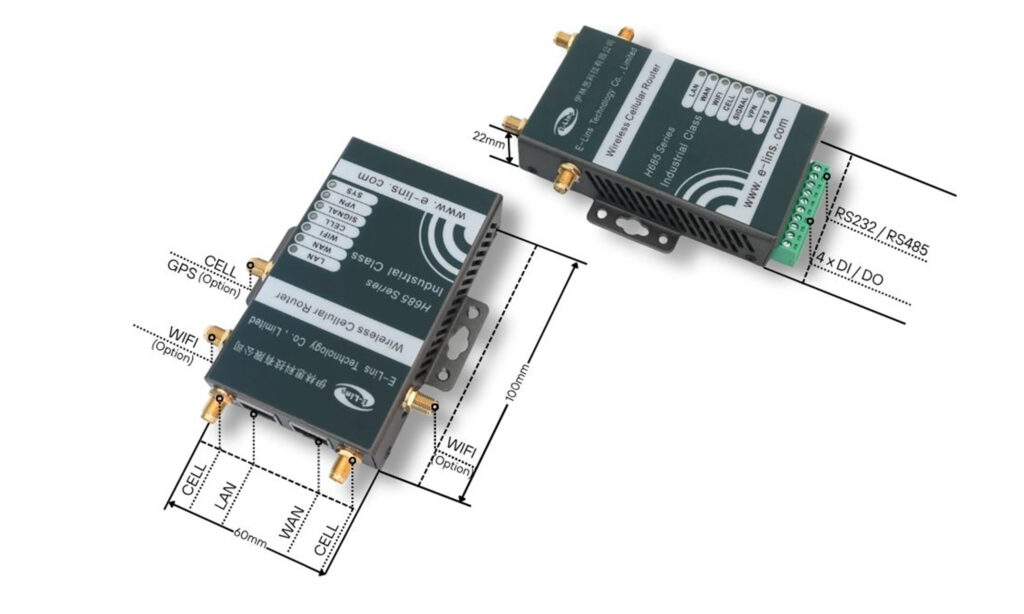
Do you need a reliable industrial cellular modem? You could contact with E-Lins, a IoT expert, providing many excellent industrial cellular modems.