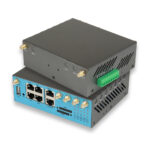
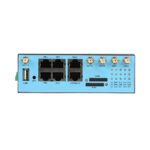
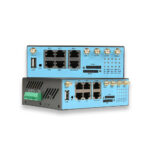
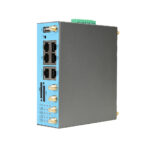
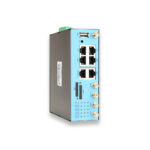
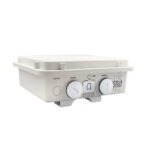
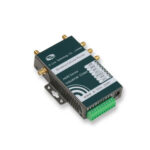
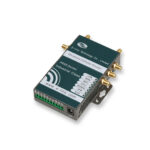
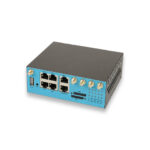
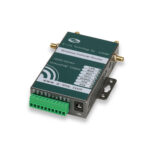
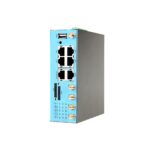

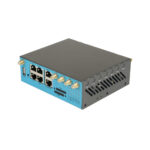
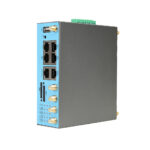
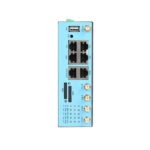
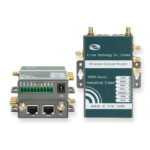
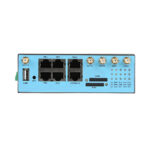
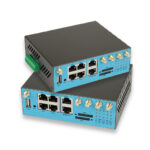
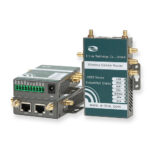
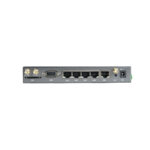
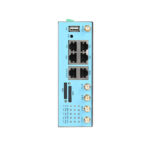
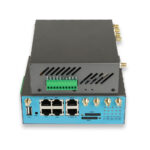
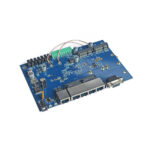
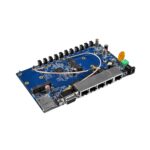
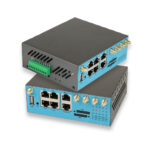
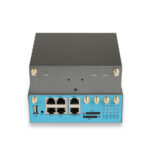
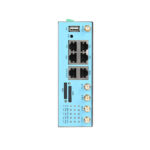
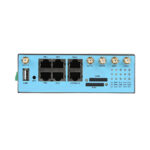
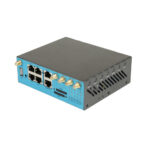
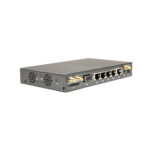
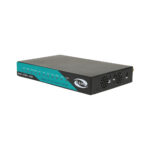
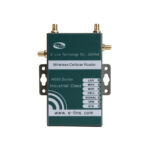
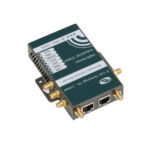
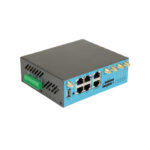
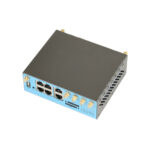


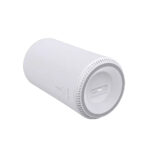
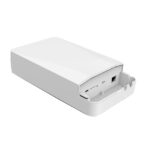
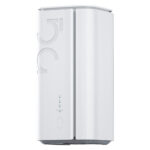

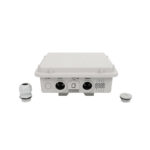
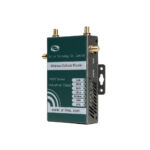
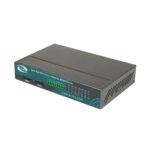
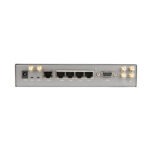
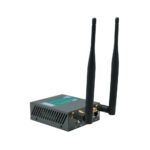
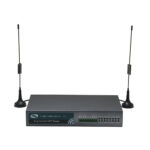
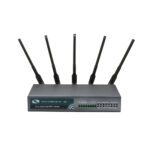
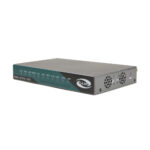
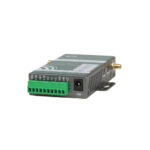
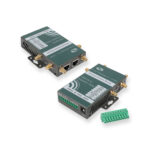
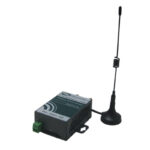
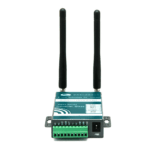
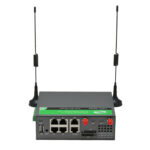
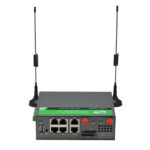
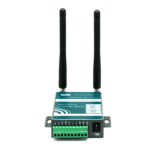
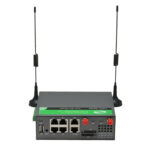
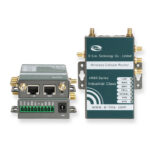
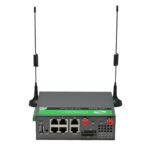

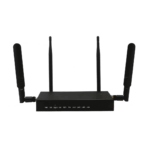
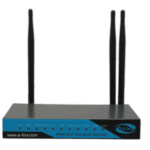
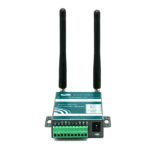

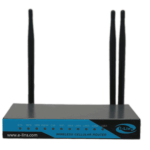
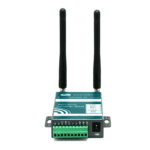
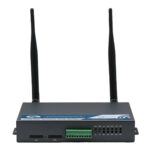
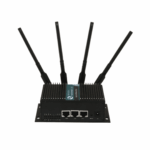
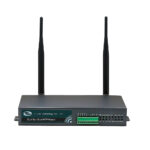

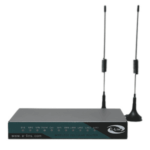
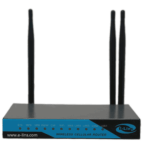
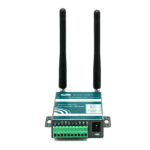
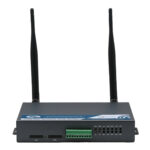
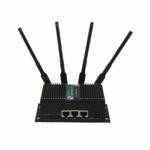
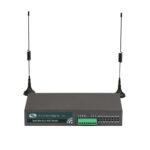
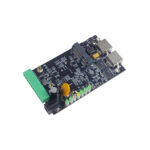
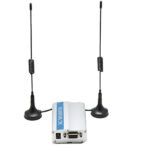
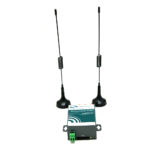
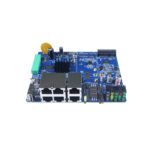
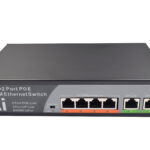
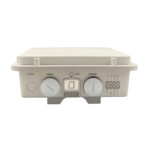
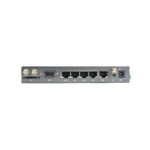
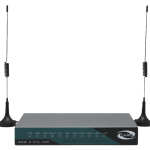
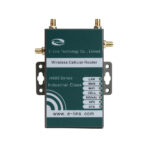
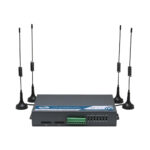
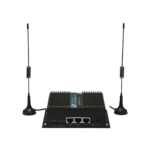
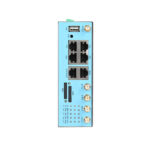
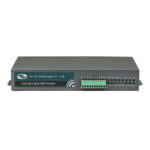
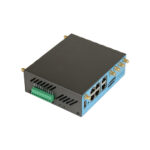
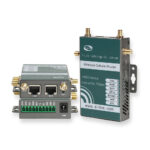
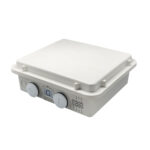
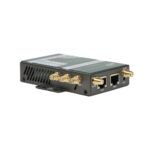
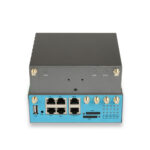
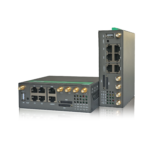
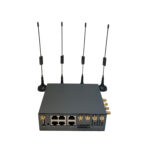
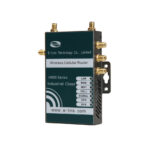
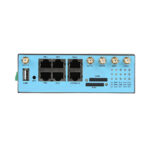
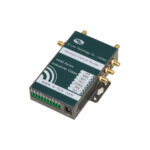
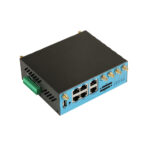
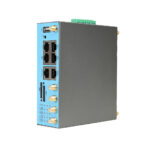
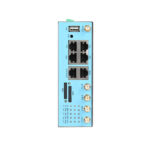































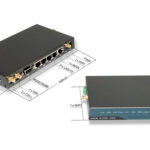
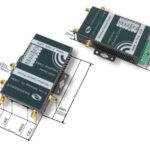
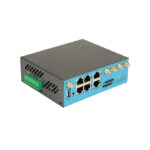
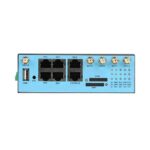
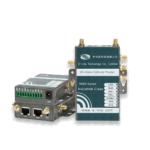
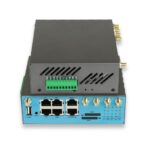

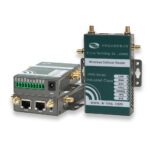























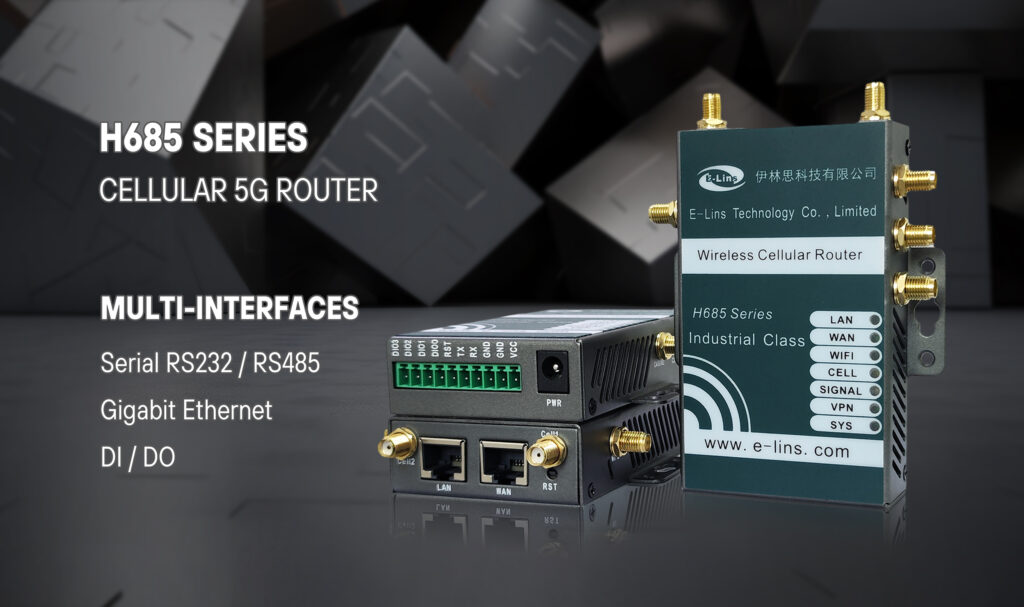
As industrial IoT (IIoT) continues to expand, the demand for reliable, high-performance connectivity solutions has never been higher. The industrial 5G PoE router has emerged as a critical component in modern industrial networks, combining the speed and low latency of 5G with the convenience of PoE power delivery. However, with a wide range of models available on the market, understanding the technical details, selecting the right router for your application, and staying ahead of future trends is essential for maximizing the value of this technology.
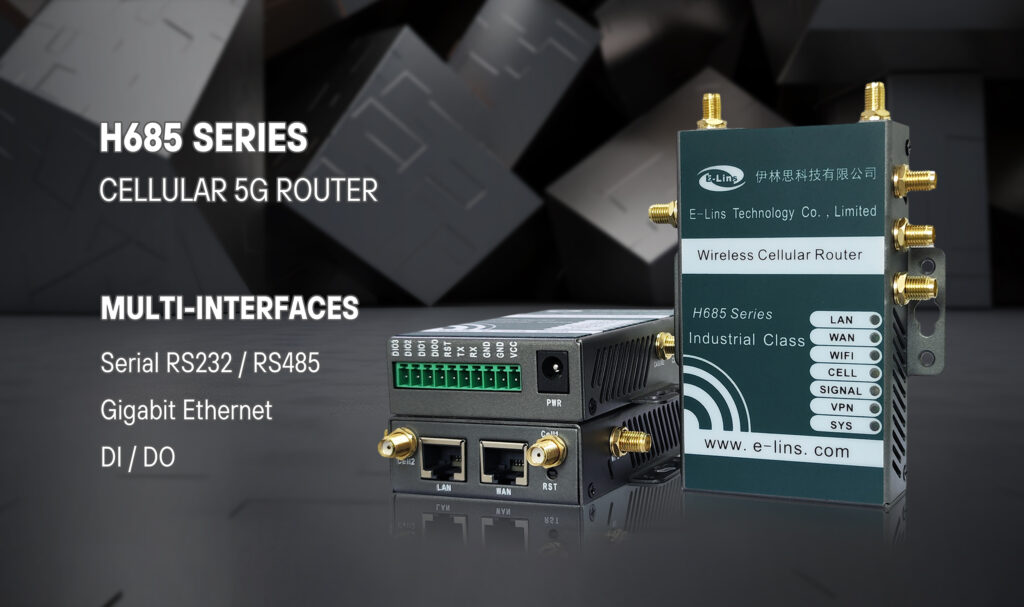
This blog provides a technical deep dive into industrial 5G PoE routers, including PoE standards, 5G performance metrics, key specifications, a step-by-step selection guide, and future trends that will shape the industry.
What Is an Industrial 5G PoE Router?
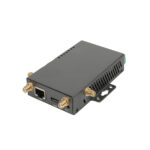
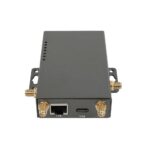
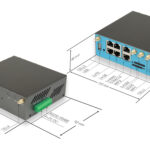
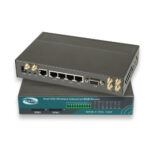
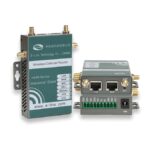
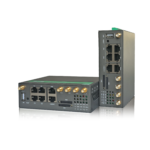
An industrial 5G PoE router is a specialized networking device designed to provide reliable, high-speed 5G wireless connectivity while delivering power to connected devices via Ethernet cables (PoE). It combines two critical technologies—5G cellular connectivity and Power over Ethernet—to create a all-in-one solution for industrial IoT (IIoT) deployments. Unlike standard routers, industrial-grade models are built to operate in extreme temperatures, high humidity, dust, vibration, and electromagnetic interference (EMI), making them suitable for factories, warehouses, construction sites, transportation hubs, and other harsh industrial settings.
1) How Industrial 5G PoE Routers Work
To fully understand the value of industrial 5G PoE routers, it is important to break down the two core technologies they integrate: 5G cellular connectivity and Power over Ethernet (PoE). Below is a detailed explanation of how these technologies work together to deliver a seamless, reliable industrial connectivity solution.
1. 5G Cellular Connectivity: Speed, Latency, and Network Modes
5G is the fifth generation of cellular technology, designed to deliver significantly higher speeds, lower latency, and greater capacity than 4G LTE. Industrial 5G PoE routers use 5G NR (New Radio) modules that support two main network modes: standalone (SA) and non-standalone (NSA).
• Non-Standalone (NSA) Mode: This mode relies on existing 4G LTE infrastructure for control signaling, with 5G used for data transmission. It offers high downlink speeds (up to 2.5 Gbps) and is ideal for applications where high bandwidth is a priority, such as video surveillance and large data transfers. NSA is widely deployed today, as it leverages existing 4G networks to reduce deployment costs.
• Standalone (SA) Mode: This mode uses a dedicated 5G core network, eliminating the need for 4G infrastructure. It offers ultra-low latency (as low as 1ms) and greater reliability, making it ideal for mission-critical applications such as real-time industrial control, robotics, and autonomous vehicles. SA mode also supports network slicing, allowing operators to allocate dedicated network resources to specific industrial applications, ensuring consistent performance.
Industrial 5G PoE routers also support multiple 5G frequency bands, including sub-6GHz and mmWave. Sub-6GHz bands (e.g., n78, n79, n41) offer better coverage and penetration, making them suitable for indoor and outdoor industrial environments. MmWave bands (e.g., n260, n261) offer higher speeds but limited coverage, ideal for high-density industrial areas such as smart factories. Most routers support global frequency bands, making them suitable for international deployments.
2. Power over Ethernet (PoE): Standards and Power Delivery
PoE is a technology that allows both power and data to be transmitted over a single Ethernet cable (Cat5e or higher), eliminating the need for separate power cables. Industrial 5G PoE routers act as PSE (Power Sourcing Equipment), delivering power to PD (Powered Devices) such as IP cameras, sensors, and wireless access points. There are three main PoE standards, each with different power delivery capabilities:
•IEEE 802.3af (PoE): Introduced in 2003, this is the foundational PoE standard. It delivers a maximum of 15.4W of power per port, with 12.95W of usable power (after accounting for cable loss). It is suitable for low-power devices such as basic IP cameras, VoIP phones, and simple sensors.
• IEEE 802.3at (PoE+): Introduced in 2009, this standard enhances PoE by delivering up to 25.5W per port, with 21-25W of usable power. It supports higher-power devices such as PTZ cameras, advanced wireless access points, and small IoT controllers.
• IEEE 802.3bt (PoE++ or 4P PoE): Introduced in 2018, this is the latest PoE standard, delivering up to 51W (Type 3) or 71.3W (Type 4) per port. It is designed for high-power industrial devices such as industrial cameras, robotics, and outdoor Wi-Fi access points. This standard uses all four pairs of the Ethernet cable to deliver power, increasing the power capacity significantly.
Industrial 5G PoE routers also support PoE budget management, allowing administrators to allocate power to specific ports based on the needs of connected devices. This ensures that the router does not exceed its maximum power output, preventing overload and ensuring reliable power delivery to all devices.
3. Core Technical Specifications of Industrial 5G PoE Routers
When evaluating industrial 5G PoE routers, it is important to consider key technical specifications that impact performance, reliability, and compatibility. Below are the most critical specifications to look for:
a. 5G Performance Metrics
• Downlink/Uplink Speeds: Look for routers with downlink speeds of at least 1 Gbps (SA mode) or 2 Gbps (NSA mode) and uplink speeds of at least 100 Mbps. Higher speeds are ideal for applications that require large data transfers, such as video surveillance and real-time analytics.
• Latency: For mission-critical applications, choose a router with latency of 1-10ms (SA mode) or 10-20ms (NSA mode). Lower latency ensures real-time communication between devices and control systems.
• Network Bands: Ensure the router supports the 5G bands used by your network provider (e.g., n78, n79, n41 for sub-6GHz; n260, n261 for mmWave). Global band support is ideal for international deployments.
b. PoE Specifications
• PoE Standard: Choose a router that supports the appropriate PoE standard for your devices (IEEE 802.3af for low-power devices, IEEE 802.3at for medium-power devices, IEEE 802.3bt for high-power devices).
• PoE Budget: The total power the router can deliver to connected devices (e.g., 60W, 120W, 240W). Ensure the budget is sufficient to power all your PDs simultaneously.
• PoE Ports: The number of PoE ports (e.g., 4, 8, 16) needed to connect your devices. Some routers also offer a mix of PoE and non-PoE ports for flexibility.
c. Industrial Durability
• Operating Temperature Range: Look for routers that support -40°C to 75°C for harsh industrial environments. This ensures the router can operate in extreme cold and heat.
• Protect Level: IP68 is ideal for outdoor or dusty environments (protection against dust and water immersion), while IP30 is suitable for indoor industrial settings (protection against dust and accidental contact).
• EMI/EMC Compliance: Compliance with IEC 61000-6-2 (industrial immunity) and IEC 61000-6-4 (industrial emissions) ensures the router can operate without interference from nearby industrial equipment.
d. Networking and Security Features
• VPN Support: IPSec, OpenVPN, GRE, and L2TP for secure data transmission.
• Firewall: IP, MAC, URL, and keyword filtering, as well as DoS protection.
• Industrial Protocols: Support for Modbus, Profinet, EtherCAT, and other industrial protocols to connect with PLCs and other industrial equipment.
• Redundancy: Dual SIM cards, Ethernet WAN backup, and power redundancy (dual power supplies) to ensure continuous connectivity.
2)How to Select the Right Industrial 5G PoE Router for Your Application
Selecting the right industrial 5G PoE router requires careful consideration of your application requirements, environmental conditions, and future scalability. Below is a step-by-step guide to help you make the right choice:
Step 1: Define Your Application Requirements
Start by identifying the specific needs of your application, including:
• Connected Devices: List the number and type of devices you need to connect (e.g., IP cameras, sensors, PLCs) and their power requirements (to determine the PoE standard and budget).
• Data Requirements: Determine the required bandwidth (speed) and latency for your application. For example, real-time control applications require low latency (1-10ms), while video surveillance requires high bandwidth (1 Gbps+).
• Connectivity Needs: Determine if you need 5G SA or NSA mode, and whether you require dual-SIM redundancy for backup.
Step 2: Evaluate Environmental Conditions
Consider the environment where the router will be deployed, including:
• Temperature: If the router will be deployed in extreme cold or heat, choose a model with a wide operating temperature range (-40°C to 75°C).
• Protection Needs: For outdoor or dusty environments, choose a router with IP68. For indoor industrial settings, IP30 may be sufficient.
• Mounting Options: Determine if you need wall mount, din rail mount, desktop mount, or pole installation to fit the deployment location.
Step 3: Assess Technical Specifications
Based on your application and environmental requirements, evaluate the router’s technical specifications, including:
• 5G performance (speed, latency, bands).
• PoE standard, budget, and number of ports.
• Durability (operating temperature, EMI compliance).
• Security features (VPN, firewall, industrial protocols).
• Redundancy (dual SIM, Ethernet backup, power redundancy).
Step 4: Consider Scalability and Future-Proofing
Choose a router that can scale with your business needs. Look for models that support firmware updates to add new features, and that have enough PoE ports and bandwidth to accommodate additional devices in the future. Additionally, choose a router that supports 5G SA mode, as this will become the standard for industrial applications in the coming years.
Step 5: Evaluate Vendor Support and Reliability
Select a reputable vendor with experience in industrial networking solutions. Look for vendors that offer technical support, firmware updates, and a warranty (typically 3-5 years for industrial routers). Additionally, check customer reviews and case studies to ensure the router has a proven track record in similar applications.
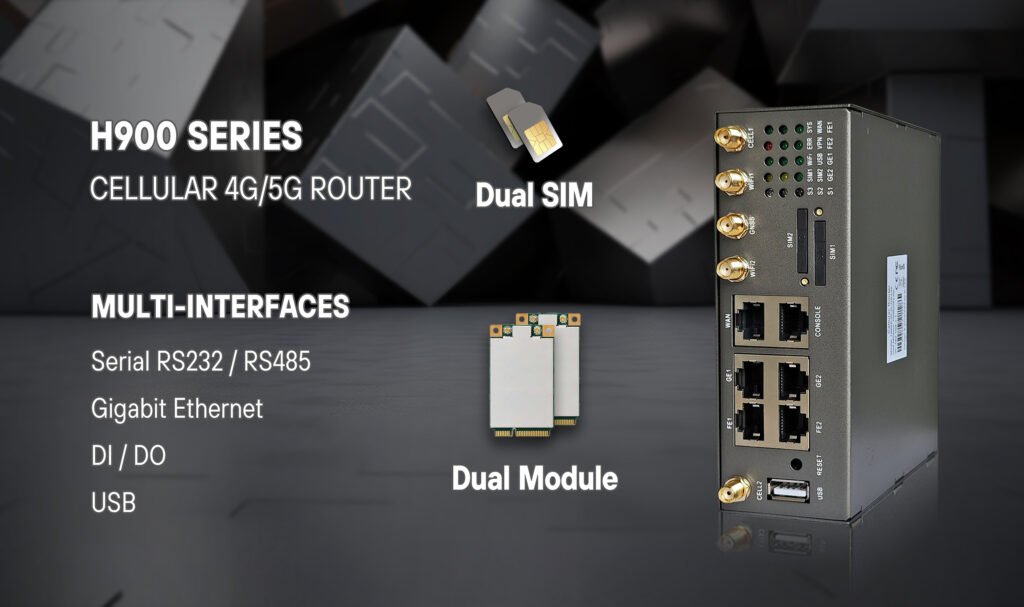
3)Future Trends in Industrial 5G PoE Routers
The industrial 5G PoE router market is evolving rapidly, driven by advancements in 5G technology, IIoT, and industrial automation. Below are the key trends that will shape the future of these routers:
1. 5G SA Mode Adoption Will Accelerate
As 5G core networks become more widely deployed, industrial 5G PoE routers will increasingly adopt SA mode. SA mode offers ultra-low latency (1ms), network slicing, and greater reliability, making it ideal for mission-critical industrial applications such as autonomous robots, real-time control systems, and remote surgery. This will enable new use cases that were previously not possible with 4G or 5G NSA mode.
2. Integration with Edge Computing
Edge computing is becoming increasingly important in industrial environments, as it allows data to be processed locally (at the edge) rather than in the cloud, reducing latency and improving efficiency. Industrial 5G PoE routers will integrate edge computing capabilities, allowing them to process data from connected devices in real time, run analytics, and make decisions locally. This will be particularly valuable for applications such as predictive maintenance, where real-time data processing is critical.
3. Advanced PoE Standards and Higher Power Delivery
The demand for high-power industrial devices (such as robotics, industrial cameras, and smart sensors) will drive the adoption of IEEE 802.3bt (PoE++) routers. These routers will deliver up to 71.3W per port, enabling the deployment of more power-hungry devices without the need for separate power cables. Additionally, new PoE standards may emerge to support even higher power delivery, further expanding the range of devices that can be powered by industrial 5G PoE routers.
4. AI-Powered Network Management
Artificial intelligence (AI) and machine learning (ML) will be integrated into industrial 5G PoE routers to enable intelligent network management. AI-powered routers will be able to monitor network performance, detect anomalies (e.g., connectivity issues, power failures), and automatically adjust settings to optimize performance. This will reduce the need for manual intervention, improve reliability, and reduce maintenance costs.
5. Increased Focus on Cybersecurity
As industrial networks become more connected, cybersecurity will become even more critical. Future industrial 5G PoE routers will feature advanced security features, such as AI-powered threat detection, zero-trust architecture, and secure firmware updates. They will also comply with stricter industrial security standards, ensuring that sensitive data and control systems are protected from cyberattacks.
4)FAQ About Industrial 5G PoE Router Technical Details and Selection
Below are answers to frequently asked questions about the technical aspects and selection of industrial 5G PoE routers.
Q1: What is the difference between 5G SA and NSA mode, and which one should I choose?
5G SA (Standalone) mode uses a dedicated 5G core network, offering ultra-low latency (1ms), network slicing, and greater reliability—ideal for mission-critical applications like real-time industrial control, robotics, and autonomous vehicles. 5G NSA (Non-Standalone) mode relies on 4G LTE infrastructure for control signaling, offering high downlink speeds (up to 2.5 Gbps) but higher latency (10-20ms)—suitable for applications like video surveillance and large data transfers. Choose SA mode if you need low latency and reliability; choose NSA mode if you prioritize high bandwidth and have existing 4G infrastructure.
Q2: How do I calculate the required PoE budget for my industrial 5G PoE router?
To calculate the required PoE budget, sum the power requirements of all connected PoE devices. For example, if you have 4 IP cameras (each requiring 15W, IEEE 802.3af) and 2 PTZ cameras (each requiring 25W, IEEE 802.3at), the total power requirement is (4×15) + (2×25) = 60 + 50 = 110W. Choose a router with a PoE budget of at least 110W (e.g., 120W) to ensure there is enough power for all devices, plus a 10-20% buffer for cable loss and future expansion.
Q3: What industrial protocols should an industrial 5G PoE router support?
The required industrial protocols depend on your application. Common protocols include Modbus (for sensors and PLCs), Profinet (for industrial automation), EtherCAT (for high-speed motion control), and MQTT (for IoT device communication). Choose a router that supports the protocols used by your existing industrial equipment to ensure seamless integration. Many industrial 5G PoE routers also support custom protocols via SDK, allowing for flexibility in specialized applications.
Q4: Can I use an industrial 5G PoE router in a mining or oil rig environment?
Yes, but you need to choose a router specifically designed for these harsh environments. Look for models with IP68 (protection against dust and water), a wide operating temperature range (-40°C to 75°C), and explosion-proof certification (if needed for oil rigs). Additionally, choose a router with dual-SIM redundancy and rugged components to withstand vibration, shock, and EMI from mining equipment or oil rig machinery. Many vendors offer specialized models for mining and oil & gas applications.
Q5: How does network slicing work with industrial 5G PoE routers?
Network slicing is a 5G SA mode feature that allows network operators to divide a single 5G network into multiple virtual networks, each with dedicated bandwidth, latency, and security settings. Industrial 5G PoE routers that support network slicing can be assigned to a specific slice tailored to the needs of the industrial application. For example, a slice for real-time control might have low latency (1ms) and high reliability, while a slice for video surveillance might have high bandwidth. This ensures that critical applications receive the network resources they need, even during peak usage.
Q6: What is the difference between PoE and PoE+ routers, and which one do I need?
PoE (IEEE 802.3af) routers deliver up to 15.4W per port, suitable for low-power devices like basic IP cameras, VoIP phones, and simple sensors. PoE+ (IEEE 802.3at) routers deliver up to 25.5W per port, suitable for higher-power devices like PTZ cameras, advanced wireless access points, and small IoT controllers. Choose PoE if you only need to power low-power devices; choose PoE+ if you have higher-power devices. If you need to power high-power industrial devices (e.g., robotics), choose a router that supports PoE++ (IEEE 802.3bt).
Q7: How can I ensure my industrial 5G PoE router is future-proof?
To future-proof your router, choose a model that supports 5G SA mode, has a scalable PoE budget (to accommodate additional devices), and supports firmware updates to add new features. Additionally, choose a router with open APIs and SDK support, allowing for integration with future IoT platforms and industrial protocols. Selecting a reputable vendor that offers long-term support and firmware updates is also critical for future-proofing your investment.
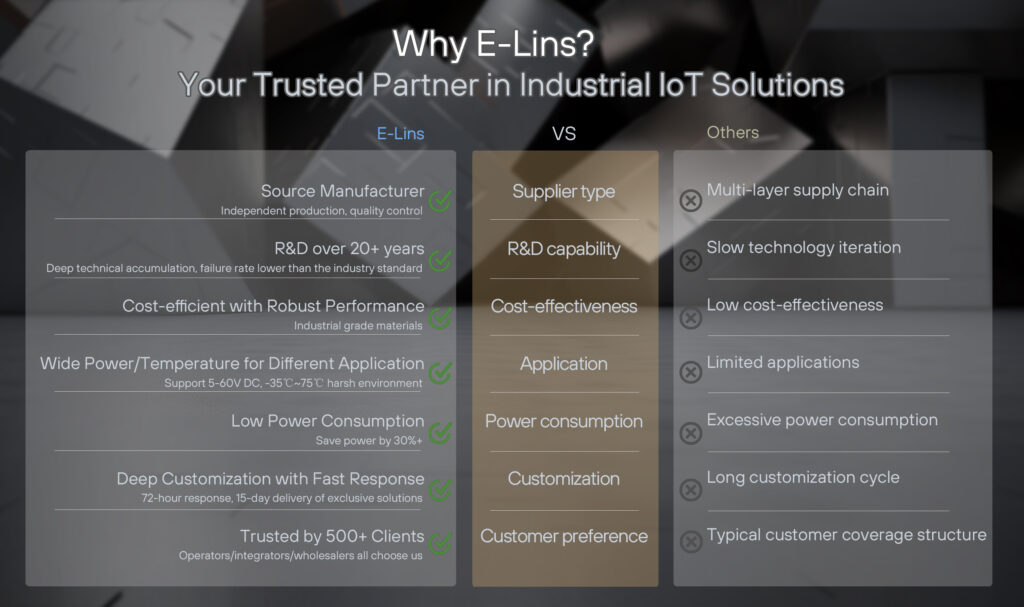
Want a reliable industrial 5g PoE router? Why not take a view of E-Lins’ industrial 5G PoE Routers?