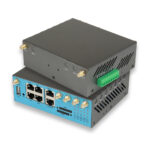
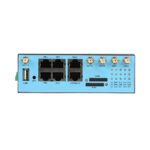
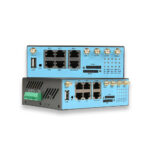
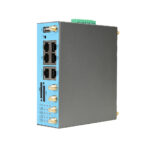
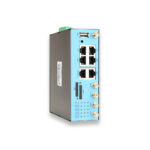
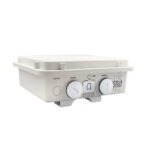
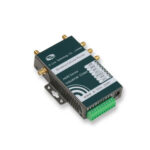
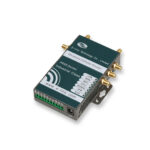
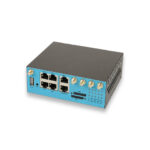
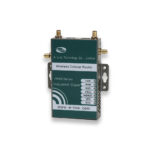
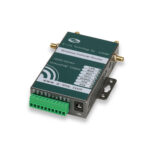
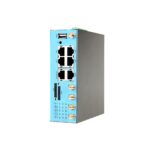

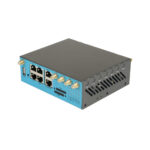
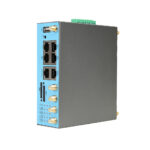
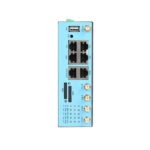
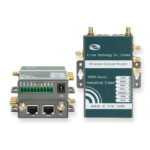
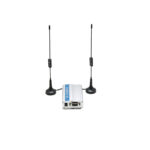
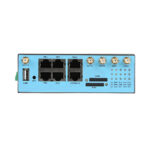
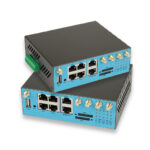
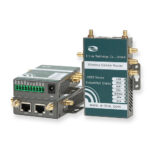
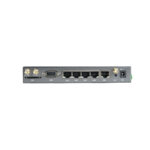
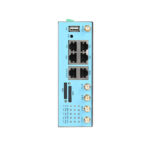
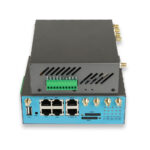
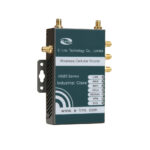
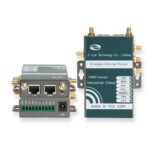
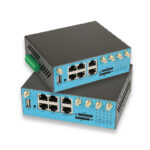
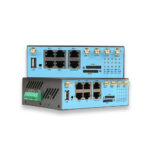
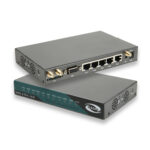
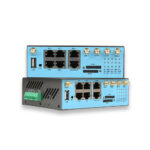
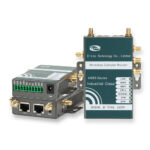
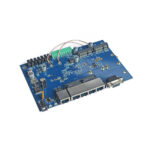
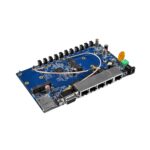
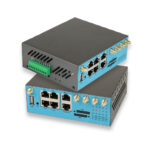
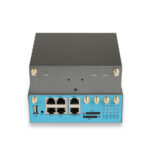
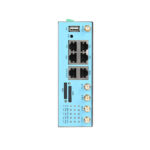
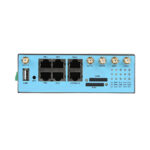
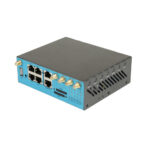
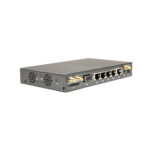
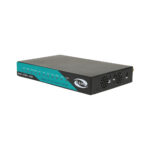
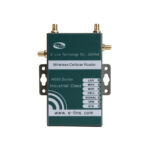
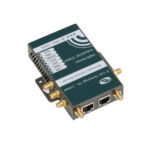
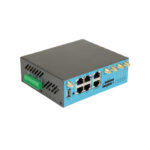
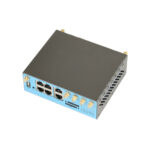
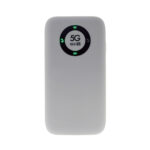
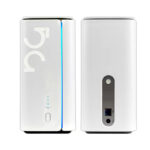
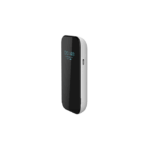

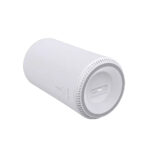
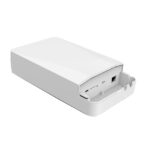
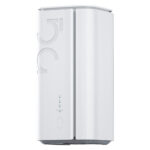

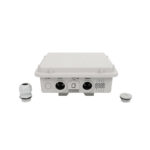
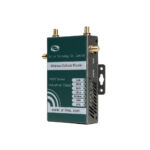
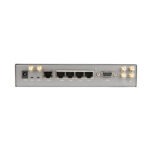
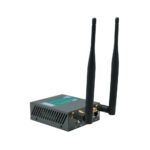
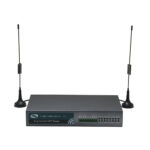
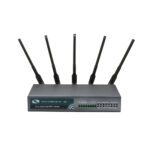
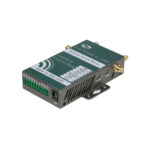
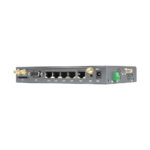
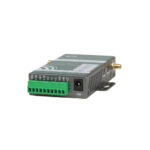
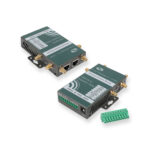
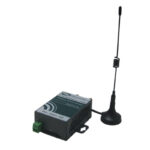
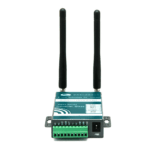
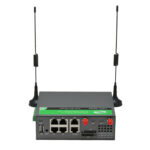
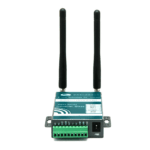
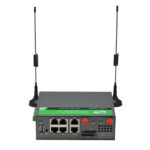
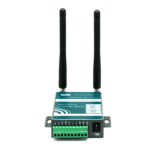
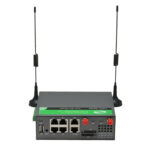
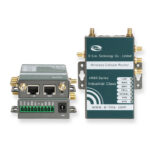
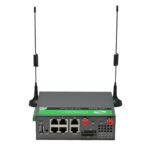
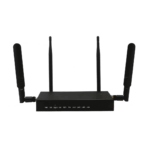
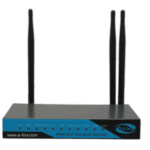
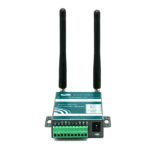
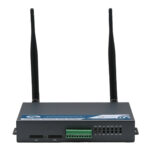
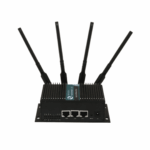
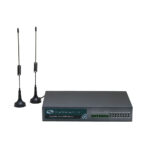
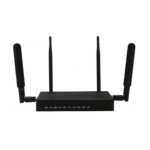
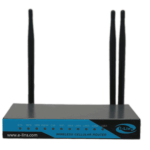
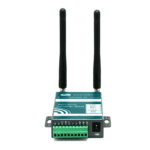
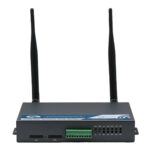
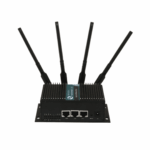
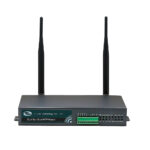
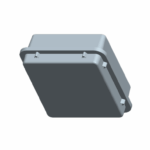
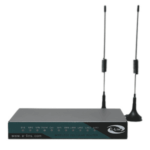
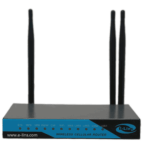
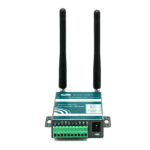
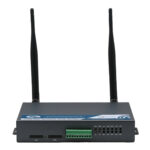
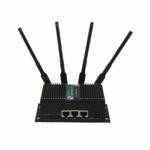
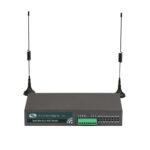
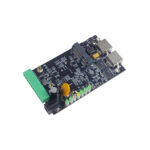
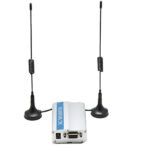
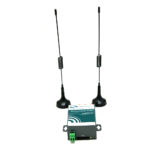
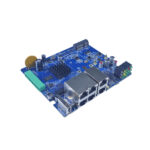
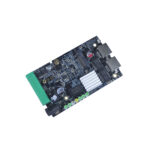
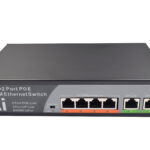
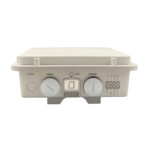
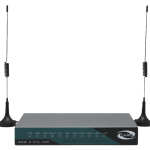
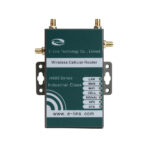
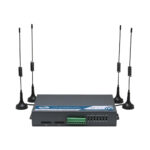
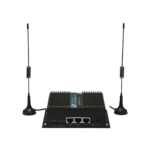
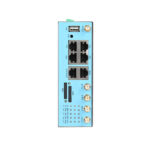
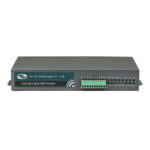
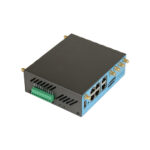
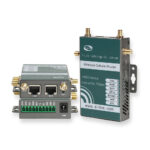
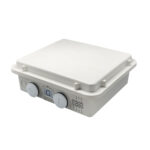
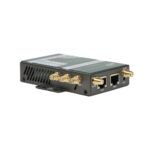
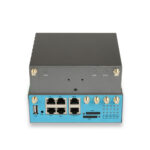
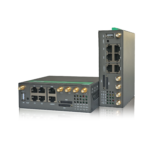
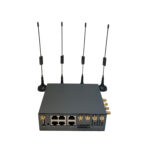
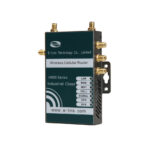
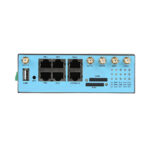
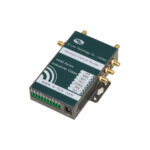
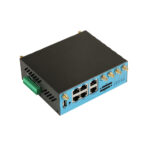
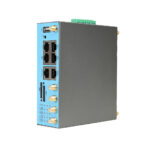















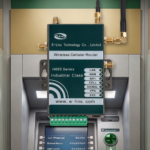
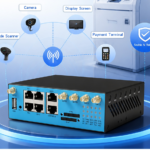
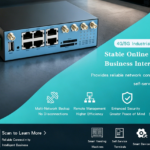
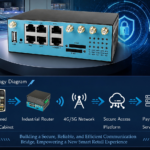




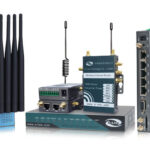
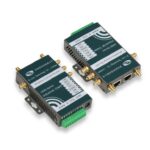
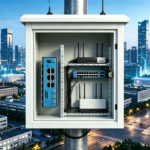
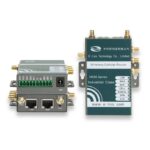












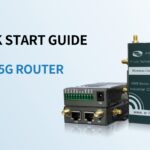
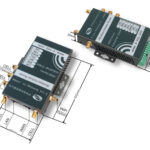
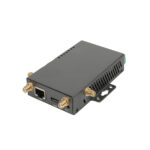




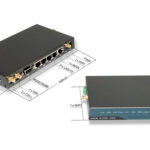
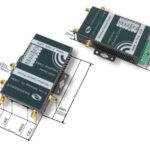
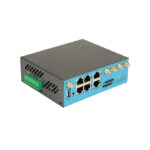
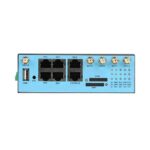
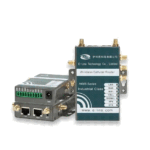
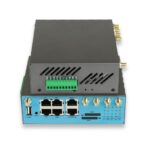

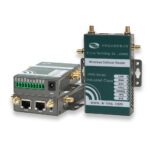


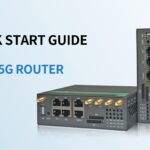
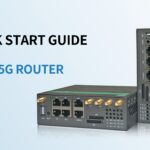
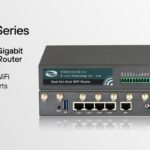

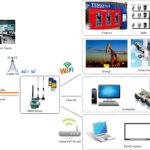
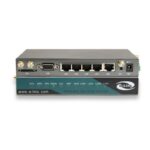











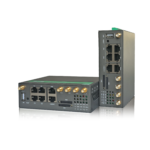




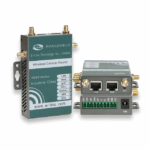



What a 5G RedCap eSIM Router?
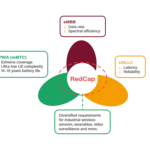
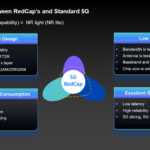
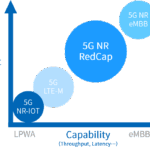
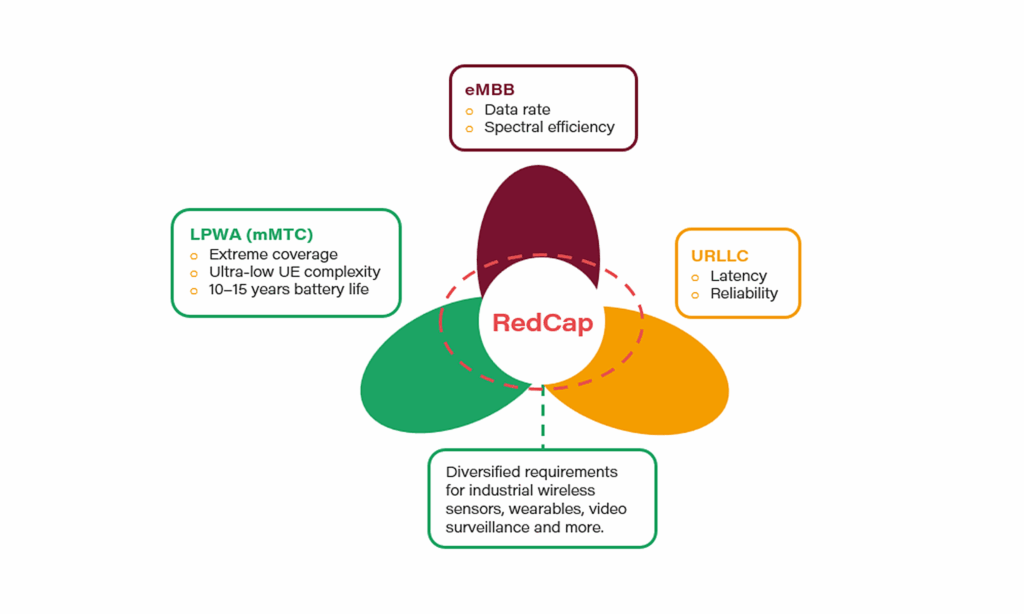
5G RedCap (Reduced Capability) is a simplified 5G NR of 3GPP Release 17 for industrial Io (IIoT) and mid-tier connectivity use cases. Full-capability 5G (eMBB—enhanced Mobile Broadband) is all about ridiculously high speeds for applications such as streams of 4K content and autonomous vehicles (up to 20Gbps), while RedCap is geared toward balance—medium throughput, low latency, lower power usage, and cost. It retains the key 5G SA (Standalone) advantages—the network slicing, increased spectral efficiency and long-term support for hardware and radio capabilities enhancements.

1) Introduction: The IIoT Connectivity Chasm
IIOT (Industrial Internet of Things) is changing the landscape for manufacturing, energy, and transportation utilities — but suffers from a massive connectivity gap. Well – the existing 4G LTE Routers out there do not serve IIoT due to inherent limitations in performance, security and future proofing compared to 5G while present full-capability 5g Rue Kins are indeed too expensive, power hungry and bulky for most or all use cases requirements relating to IIOT. For tier2 applications such as smart meters, industrial sensors, telematics and remote monitoring, businesses need an appropriately sized 5G solution – the 5G RedCap eSIM router.
This guide explores how 5G RedCap eSIM routers fill the void — combining powerful 5G performance with industrial-grade robustness, affordability and eSIM behind-the-fence ease of use. We will discuss what they allow, best practice in deployment and their pros and cons versus alternatives such as legacy and full 5G.
2)Key Advantages of 5G RedCap eSIM Gateways for IIoT
1. Popular Affordable 5G for Large Scale IIoT Deployments
Scalability and affordability: IIoT devices of massive infrastructures (another example deploying > 10,000 smart meters / industrial sensors) requires low-cost connectivity. Full 5G routers are too costly at this volume ($500–$1000+/ea), while a 5G RedCap router only costs $200–$400 (40–50% less). This price difference translates into millions of dollars in place for larger companies.
2. RedCap does this by removing unnecessary complications:
Fewer antennas (1–2 as opposed to the massive 4 necessary for full 5G)
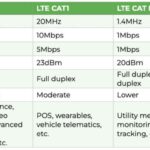
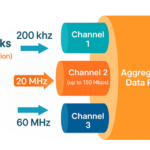
Reduced Bandwidth: 20MHz vs. 100MHz in full 5G
No carrier aggregation modem architecture — example for low bandwidth use case
Still, it does retain all the main 5G features: SA architecture, network slicing and low latency along with long-term carrier mechanisms.
3. Ultra-Low Power for Remote/Battery-Powered Deployments
About 70% of IIoT devices are installed in remote locations with no grid access and require non-local power. Full 5G routers generate well over two–five watts of idle power, making them too much for solar/battery systems. 5G RedCap routers can draw <1W of idle power (eg 24mW in targeted collision-free standby mode) for:
4. For solar-powered remote sensors (e.g., oil/gas sensing along pipelines)
Battery powered asset trackers
Autonomous transportation land vehicles (drone vehs for 100 or more miles between charges)
5. eSIM: The Ultimate Connectivity Flexibility
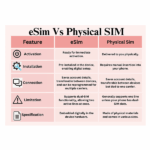
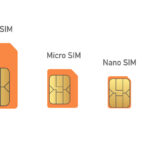
In an industrial environment, connectivity downtime = revenue. Also, physical SIM cards are single points of failure, you could only switch carriers with a mobile drop. eSIM eliminates this:
6. Multi-carrier profiles: Maintain multiple carrier profiles on a single eSIM (5+)
7. Cloud-Management OTA Switching: Switch carriers in seconds (without a site visit)
8. Auto-failover — automatic switch-over to backup carriers without visible disruption even when the primary network is down
Worldwide coverage for multinational fleets or cross-border projects: eSIM Profiles for 200+ Countries— Global fallback
Industrial-Grade Durability for Harsh Environments
IIoT devices are subjected to extreme conditions such as, (-20°C to +70°C) for factory floors, (-40°C to +85°C) for oil rigs or (dust/water exposure in outdoor deserts). Here come the 5G RedCap eSIM routers:
Maximum, normal ambient operating temperature: −40 to +85 °C (–40 to 104 °F) vs. up to +65 °C (149 °F), for consumer routers typically 0–40 °C (30–110 °F)
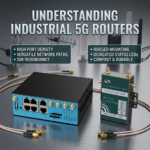
Rugged enclosures: IP64 or IP65 rating, dust/water resistance; DIN-rail mount
EMC Protection — Prevents electrical noise from the equipment
Dual input lines for redundant power to ensure uptime.
Seamless integration with current IIoT platforms
Most industrial plants are characterized by long legacy devices (PLCs, Sensors and RTUs) with RS232/485 serial ports that cannot be connected directly to 5G. 5G RedCap eSIM Routers bridge this void through:
Native RS232/485 serial ports
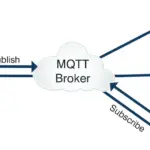
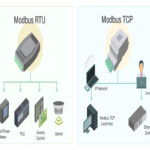
Support for Modbus/MQTT protocol (takes old data on serial side then converts to IP for transmission over 5g)
Current gigabit ethernet for IP-enabled devices
Without legacy hardware replacement – millions in retrofit costs, businesses are able to upgrade by adopting 5G.

Best Deployment Practices for 5G RedCap eSIM Routers
Best Practice — Deploy 5G RedCap eSIM Routers for Best ROI
Best Practices 1 — Choose the Right Form Factor for the Environment
Mounts on an industrial DIN Rail: For factory floor, control panels and automated cabinets
Wall Type: Smart Meters, Outdoor Surveillance or Building Automation
Automotive/Marine: EN50155 standard for vehicle applications such as truck, train and ship
Compact: For private IIoT sensor, wearables device
Optimize eSIM for Global/Redundant Connectivity
Support eSIM Profile: Primary + BackupPower to Provision 2+ carrier profiles
OTA Switching Automation based Cloud eSIM Management Platform
Triple Redundancy – Deploy eSIM in combination with Physical SIMs for critical deployments
Configure Power Modes for Battery / Solar Optimization
Enable standby/eDRX for sensors that use low-data (wake exclusively to transmit data)
Wide voltage input (7–36 VDC) for solar/battery systems Aims to be a solution
Power save — Disable unused ports (Wi-Fi/serial)
Enterprise-grade settings to power an enterprise scale network
As a remote device Configurate IPSec VPN Developer for each and every one.
Set firewall ACLs to deny unwanted access
Use management encryption (SSH/HTTPS), and disable unused protocols.
Perform periodic firmware updates Over-the-air (cloud managed)
Roadmap to deploying 5G SA Networks
Model-level (future-proof vs NSA) — SA-only
Ensure to equip routers with 5G LAN & network slicing (critical for industrial control)
Partner with telcos to park network slices for time-critical IIoT
3)Real World Uses Of 5G RedCap eSIM Routers
Social Media Case Study 1←→Global Logistics
A major logistic organization deployed RedCap eSIM routers in 20,000 trucks across five countries. Results:
Lower 5G connectivity costs by around 30% compared to full-blown versions
99.9% uptime (eSIM auto-failover between carriers)
Vehicle sensors have a 50% longer battery life.
Manage OTAs globally (does not support SIM swaps on-device)
Project in Smart Grid (100000 Utility Meters) ــ Case Study ـ Stage 2
5G RedCap eSIM Routers — has upgraded over 100,000 smart meters from 4G to 5G for a European utility supplier. Results:
Cost of Hardware reduction 45% vs full 5G
Sun powered (off grid)
4x FASTER Data Transfer as Compared to 4G (enhanced transmission, monitoring of the grid in real-time)
Life of a decade (the price of 4G renewal gets written off)
Use Case 3. Remote Monitoring of Oil & Gas (200+ Sites)
5G RedCap eSIM routers, deployed on offshore rigs and remote wellheads from an oil company. Results:
Operating temperatures: -30°C to +60°C
Solar-powered (no grid access)
Upgrade to eSIM from 3 global operators (100% coverage)
70% reduction in maintenance costs (no need to change SIM on site)
4) Frequently Asked Questions (FAQs)
Q1: Is the RedCap 5G available anywhere in the world?
A: Yes. 3GPP Rel-17 standardized and the heavy launch of RedCap services by major carriers (from 2024, Europe, Asia, North America networks) Support worldwide RedCap on most Sub-6GHz band support mobile routers provide global coverage.
Q2: Will I be able move an existing 4G router to become a 5G RedCap?
Q: Is 5g redcap dedicated or shared with Legacy?? The good news, of course, is that RedCap routers are backwards-compatible with 4G so you can roll them out today and run 4G until you have 5G coverage to go with it.
Q3: How long it takes to provision eSIM in RedCap router?
Q: eSIM provisioning is done in the below E.g. OTA (over-the-air) or ISSU A: Instant (1–2 minutes) You can provision a new carrier profile (or change profiles) remotely via a cloud management platform — no touching required.
Q4: Does 5GRedCapeSIM routers support VPN ready for industry security?
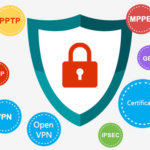
A: Yes. It is the same for all industrial models: they support IPSec, OpenVPN, L2TP and GRE tunnels thus allowing the use of every secure industrial data transfer method. In addition, firewall DMZ as well as port forwarding adds on layered security.
Q5: What if 5G RedCap is not available, what I can do Q6:
Q: If not, does the router switch to 4G LTE Cat 4 fallback? (A: Yes. By default, the router reverts back to 4G LTE Cat 4. No action required, it will resync automatically as soon as 5G RedCap is available.
Q6: Can you work with IoT platforms (AWS IoT, Azure IoT) with 5G RedCap eSIM routers?
A: Yes. Out of the box, native integration with all major cloud IoT platforms; MQTT, LwM2M and HTTP/HTTPS on messages. Transmit sensor data directly to AWS/Azure for analytics and metrics.
Conclusion A Win-Win for the Future of IIoT
Need a fast, reliable and low-cost connectivity but the IoT Connectivity for Industrial is also scalable. 5G RedCap eSIM routers are perfect in every single area; providing the midpoint for all features of 5G SA performance, industrial ruggedness, very low power requirement and eSIM flexibility. These are pure IIoT RedCap routers, not just old 4G legacy routers (which are going to be obsolete soon) or complete 5G routers (much too expensive / power-hungry).
Acumen 5G RedCap eSIM routers: For maturing IIoT data expansion, there seems no end in sight to the rise of wired transmissions For any enterprise truly serious about scaling IIoT deployments, saving costs and converting their networks into automated ecosystems for the coming decade and beyond — anything other than 5G RedCap eSIM router would not be just directly counter-productive – with all its technical merits – but essentially impossible; because it is simply not a question of choice or implementation. These routers will be at the vanguard of the IIoT revolution, leading in smart factories, connected grids and a network of networks for hemispheric global logistics with never-before-seen efficiencies on October 2023 as 5G SA networks begin to roll out.
Your IIoT connectivity needs to be better, right? Experience the power of industrial IoT today with 5G RedCap eSIM routers. How about taking a look at E-Lins’ industrial 5G PoE Routers?