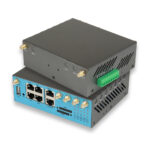
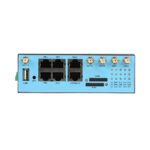
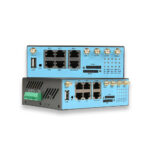
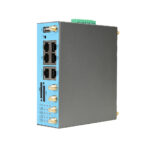
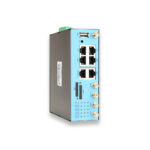
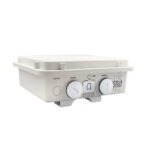
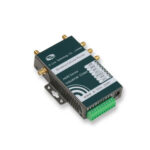
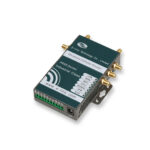
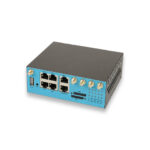
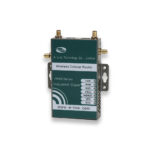
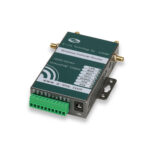
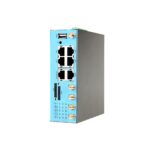

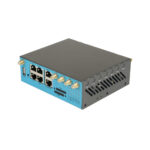
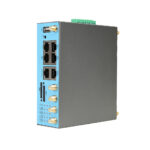
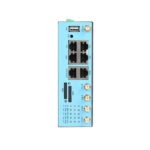
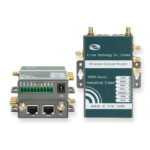
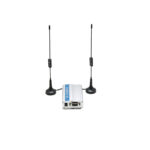
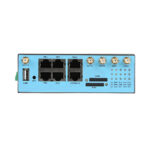
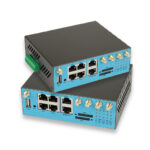
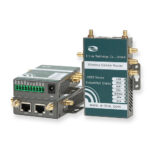
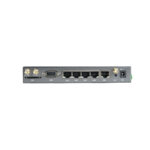
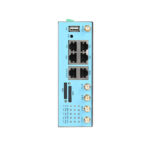
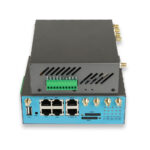
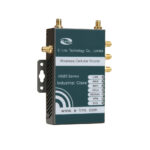
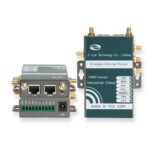
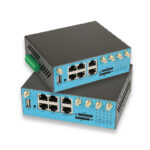
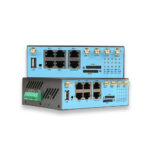
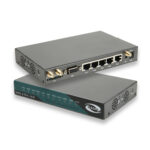
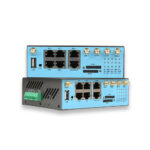
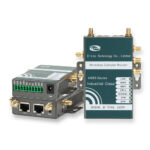
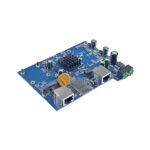
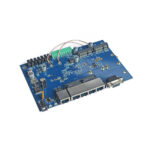
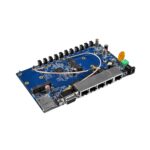
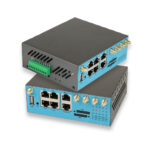
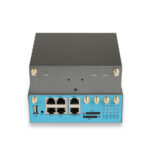
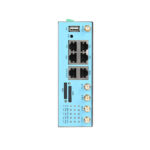
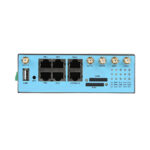
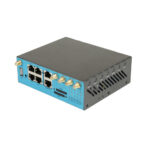
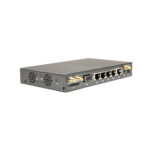
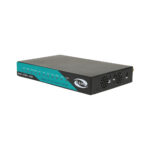
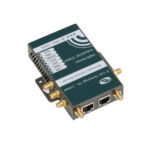
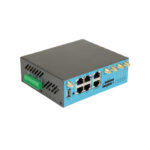
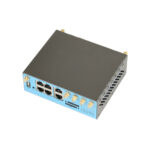

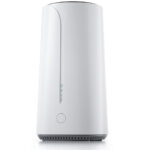

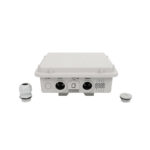
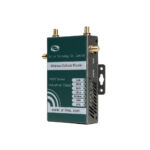
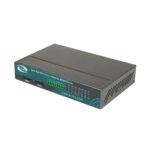
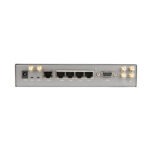
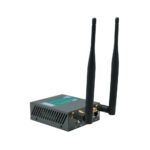
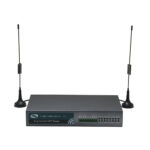
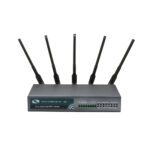
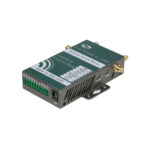
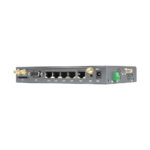
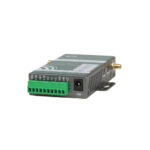
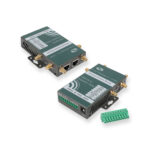
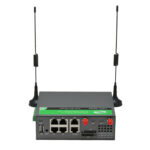
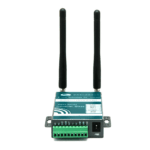
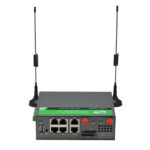
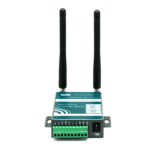
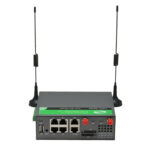
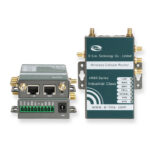
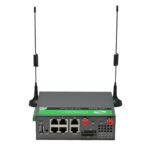

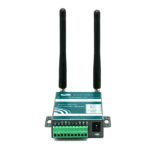
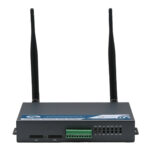
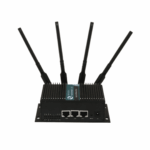
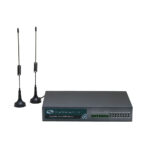

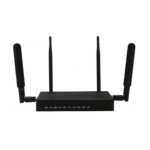
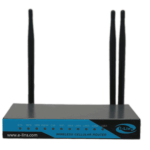
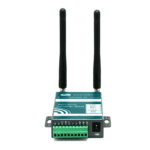
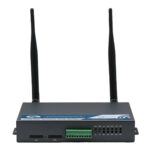
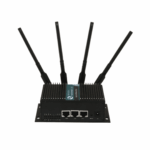
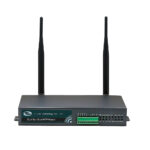

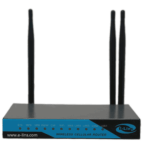
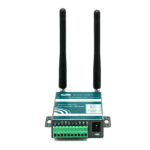
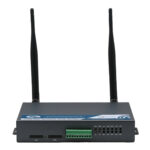
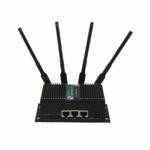
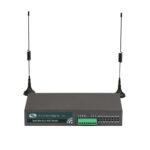
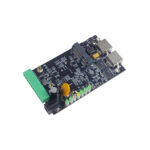
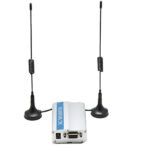
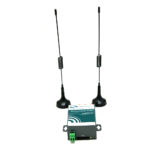
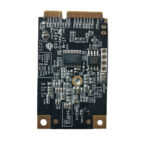
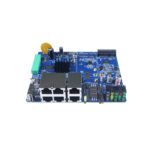
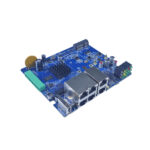
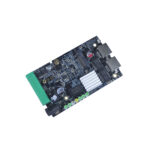
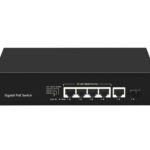
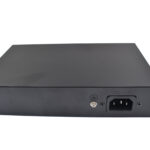
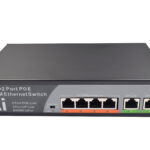
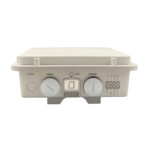
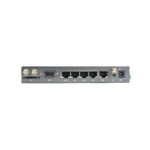
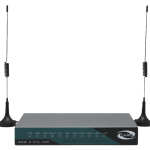
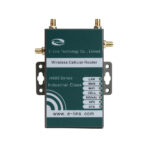
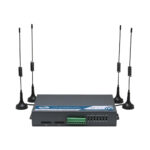
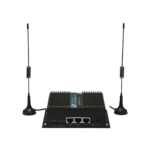
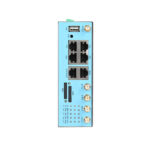
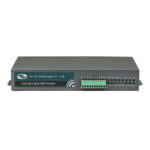
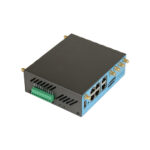
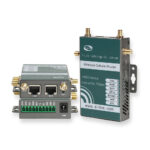
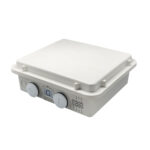
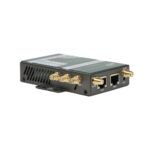
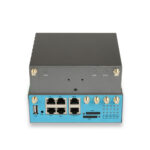
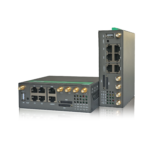
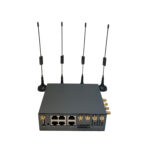
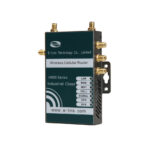
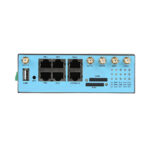
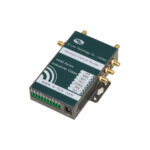
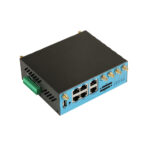
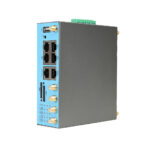
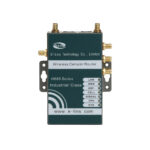
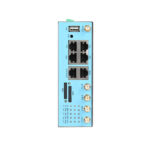













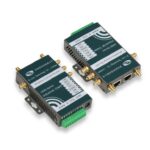
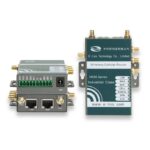

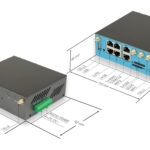









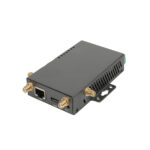
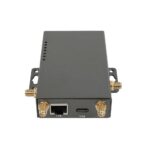



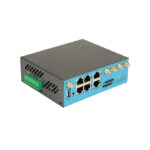
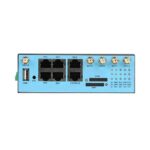
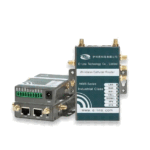
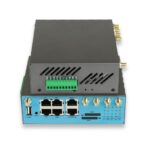

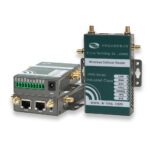


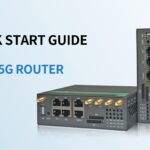
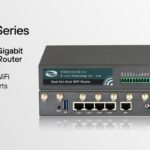


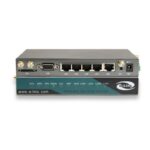









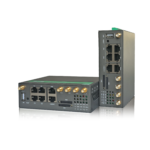






As organizations increasingly rely on distributed networks—spanning remote sites, industrial facilities, and mobile assets—the need for reliable, self-contained connectivity solutions has never been greater. The 4G PoE router has emerged as the cornerstone of these deployments, offering a unique combination of cellular backhaul, wired distribution, and centralized power delivery.
This post provides a technical deep dive into deploying 4G PoE routers in demanding environments, covering network architecture, redundancy strategies, and advanced configuration techniques.

1)The Architecture of a 4G PoE Router: Understanding the Components
To effectively deploy these devices, it is essential to understand the internal architecture and how each component contributes to overall functionality.
1. Cellular Module and Modem Interface
At the heart of the device is the 4G LTE modem module. Key specifications include:
- LTE Category: Determines maximum theoretical speeds and carrier aggregation capabilities.
- Frequency Band Support: Ensure the router supports the bands used by your carrier in the deployment region (e.g., Band 12, 17 for AT&T; Band 13 for Verizon; Band 3, 7, 20 for international deployments).
- MIMO (Multiple-Input Multiple-Output): 2×2 or 4×4 MIMO configurations improve throughput and signal reliability, especially with external antenna setups.
2. Switching and PoE Power Management
The integrated Ethernet switch manages both data and power distribution.
- PoE Power Budget: Industrial routers often provide 60W to 240W total power budgets, depending on the number of ports and intended use case.
- Port-Level Control: Advanced models allow per-port PoE scheduling (turning power on/off at specific times) and priority settings to ensure critical devices remain powered if the total demand exceeds the budget.
- PoE Watchdog: A valuable feature that monitors connected devices. If a camera or access point stops responding to pings, the router automatically cuts and restores PoE power to reboot the device—eliminating the need for a site visit.
3. Processing and Memory
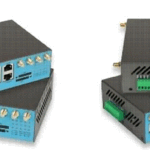
Industrial 4G PoE routers are equipped with more robust processors and memory than consumer routers to handle:
- Concurrent VPN tunnels (often 10-20 simultaneous tunnels).
- Routing protocols like OSPF, BGP, or RIP.
- Local data logging and scripting capabilities.
2) Designing Redundant and Resilient Networks
For mission-critical applications, a single point of failure is unacceptable. 4G PoE routers offer multiple layers of redundancy.
1. Dual SIM Redundancy
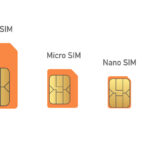
Dual SIM slots enable carrier-level redundancy. The router can be configured with:
- Active/Standby Mode: SIM 1 is primary; SIM 2 activates only when SIM 1 loses connectivity.
- Load Balancing: Traffic is distributed across both SIMs to maximize throughput.
- Signal-Based Switching: The router monitors signal strength (RSSI, RSRQ) and switches to the SIM with better metrics.
2. WAN Failover with Wired Backup
Many 4G PoE routers include an Ethernet WAN port. Common failover configurations:
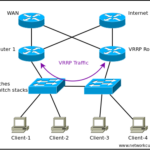
- Primary Fiber / Backup 4G: The site uses fiber as the primary connection; if fiber fails, the router switches to 4G within seconds.
- Primary 4G / Backup Satellite: For ultra-remote locations, 4G serves as primary with satellite broadband as a secondary fallback.
3. Power Redundancy
Industrial models often feature dual power inputs:
- DC Terminal Block: For connection to battery backup systems or solar power.
- PoE Input (PD): The router itself can be powered via PoE from an upstream switch.
- Automatic Failover: If one power source fails, the router seamlessly switches to the other without rebooting.
3) Advanced Configuration for Optimized Performance
Deploying 4G PoE routers in complex environments requires careful configuration to ensure optimal performance and security.
1. VLAN Segmentation
Virtual LANs allow you to isolate different types of traffic on the same physical network. Example deployment:
- VLAN 10 (Management): Router administration interface—restricted access only.
- VLAN 20 (Security Cameras): Isolated from the internet except for necessary video streaming.
- VLAN 30 (Guest Wi-Fi): Internet access only, no access to internal networks.
- VLAN 40 (IoT Sensors): Low-bandwidth, high-priority traffic for critical monitoring.
Each VLAN can be assigned to specific PoE ports, ensuring that devices plugged into a port are automatically placed in the correct network segment.
2. Quality of Service (QoS) on Cellular Links
Cellular bandwidth is inherently variable. QoS ensures that critical applications receive priority:
- Voice Traffic: Highest priority—ensures VoIP calls remain clear even under load.
- Video Surveillance: Medium priority—ensures continuous recording without dropped frames.
- Background Traffic: Lowest priority—file downloads and software updates yield to critical traffic.
3. Cellular Band Locking and Tower Selection
In areas with multiple towers or overlapping coverage, the router may occasionally connect to a suboptimal tower. Advanced 4G PoE routers allow administrators to:
- Lock the router to specific frequency bands.
- Lock to a specific cell tower based on Cell ID.
- Define primary and secondary tower preferences.
This feature is particularly valuable in industrial parks or rural areas where signal quality varies significantly between towers.
4) Deployment Scenarios: Case Study Examples
1. Case Study 1: Construction Site Security
Challenge: A large construction company needed to deploy 24/7 video surveillance across multiple active sites. Each site had no existing internet infrastructure and limited access to electrical outlets.
Solution: A 4G PoE router with four PoE+ ports was deployed at each site. Four 4K PTZ cameras were connected directly to the router, receiving both power and data. The router connected to the local 4G network, streaming footage to a central monitoring station.
Results: Installation time was reduced from 5 days per site (running conduit and wiring) to 4 hours per site. The company saved approximately $3,000 per site in installation costs and eliminated monthly fiber connection fees.
2. Case Study 2: Remote Agricultural Monitoring
Challenge: A vineyard required environmental monitoring across 500 acres with no cellular coverage in certain valleys and no access to grid power.
Solution: Solar-powered 4G PoE routers were deployed at strategic high points with directional antennas pointed toward the nearest tower. Each router powered soil moisture sensors, weather stations, and an IP camera via PoE.
Results: The vineyard gained real-time visibility into irrigation needs, reducing water usage by 30% and improving crop yield consistency.
5) Troubleshooting Common Deployment Issues
Even with proper planning, issues can arise. Here are common challenges and solutions:
1. Weak Cellular Signal
- Solution: Upgrade to external high-gain directional antennas. Place antennas on rooftops or poles, away from metal obstructions. Use low-loss cable (LMR400 or equivalent) for runs exceeding 20 feet.
2. Intermittent PoE Power Cycling
- Solution: Check total power budget against connected devices. Ensure the power supply provides adequate wattage. For PoE+ devices, verify the cable is Cat5e or better and within 100 meters.
3. High Latency or Packet Loss
- Solution: Check signal metrics (RSRP, SINR). Poor SINR (Signal to Interference & Noise Ratio) indicates interference. Reposition antennas or change frequency bands. Consider using a carrier with better backhaul infrastructure in that area.
6) Frequently Asked Questions (FAQ)
1. What is the maximum cable length for PoE with a 4G PoE router?
The IEEE 802.3 standard specifies a maximum cable length of 100 meters (328 feet) for PoE applications. Beyond this distance, voltage drop may cause insufficient power delivery to connected devices. For longer runs, consider using a PoE extender (which acts as a repeater) or fiber optic media converters with PoE at the endpoint.
2. Can I connect a Wi-Fi access point to a 4G PoE router?
Yes. You can connect a PoE-powered Wi-Fi access point to one of the router’s PoE ports. The access point will receive both power and data, creating a wireless network that extends connectivity to smartphones, tablets, and laptops. This combination is commonly used in pop-up offices, temporary event spaces, and remote work sites.
3. How do I monitor data usage on a 4G PoE router?
Most enterprise-grade 4G PoE routers include data usage monitoring tools. You can view real-time and historical data consumption through the router’s web interface or cloud management platform. Many routers also support data cap configuration—once a defined threshold is reached, the router can send alerts or automatically throttle non-essential traffic to prevent overage charges.
4. Is a 4G PoE router suitable for outdoor surveillance in extreme weather?
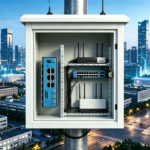
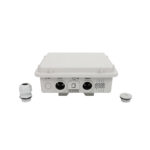
For outdoor deployment, select a router with an industrial temperature rating (-30°C to 70°C) and an appropriate IP rating. If the router itself is not weatherproof, it must be installed in a ventilated NEMA-rated enclosure. For extreme cold, consider models with built-in heater options to prevent condensation and ensure operation at low temperatures.
5. Can I use a 4G PoE router as a primary internet connection for a small office?
Absolutely. For small offices (up to 10-20 users) in areas without fiber or cable internet, a 4G PoE router with Cat 6 or higher LTE capabilities can serve as the primary internet connection. The router can power VoIP phones, a Wi-Fi access point, and provide Ethernet connections for workstations. For larger offices, the router can function as a failover backup to a primary wired connection.
6. What is the difference between a consumer 4G router and an industrial 4G PoE router?
Consumer routers typically offer fewer Ethernet ports (usually 1-2), no PoE capability, limited VPN support, and are designed for climate-controlled indoor environments. Industrial 4G PoE routers offer multiple PoE ports, dual SIM redundancy, wide temperature tolerance, advanced security features, ruggedized enclosures, and centralized management capabilities—making them suitable for 24/7 operation in demanding conditions.

Are you source an 4G PoE router? E-Lins will be an excellent choice for you. Founded since 1999, specialized on manufacturing 4G PoE routers.