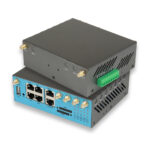
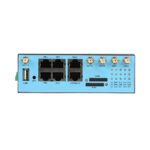
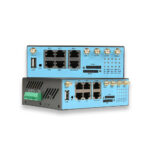
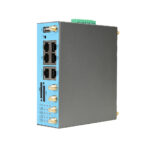
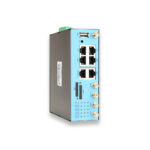
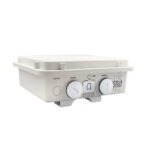
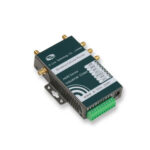
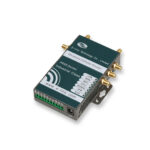
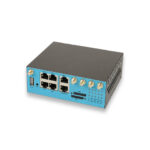
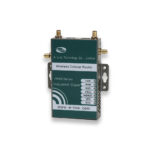
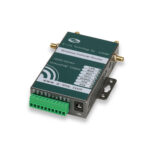
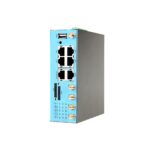

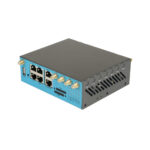
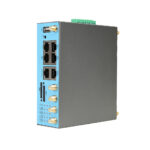
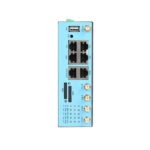
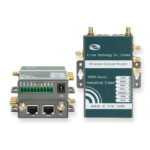
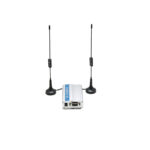
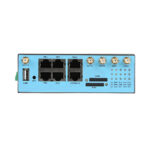
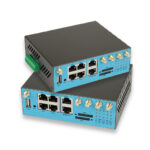
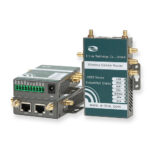
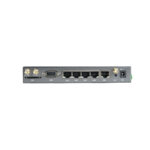
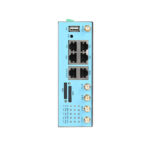
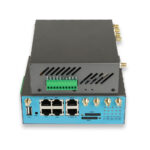
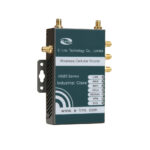
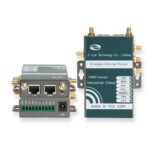
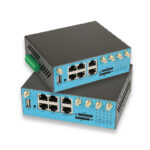
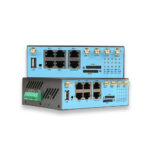
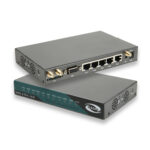
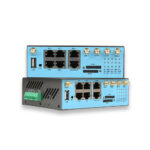
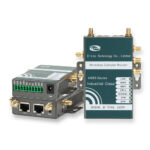
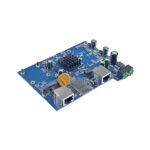
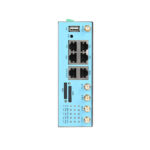
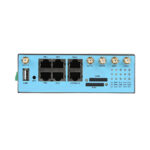
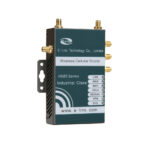
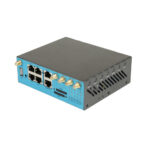
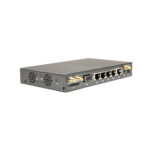
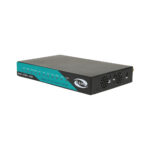
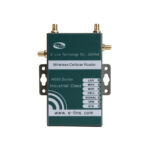
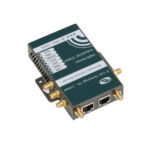
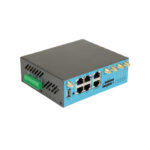
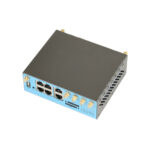
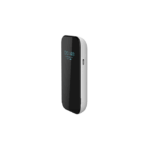
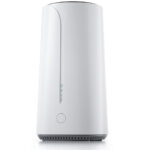

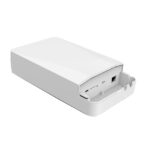
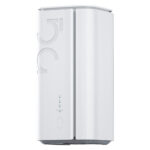

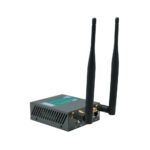
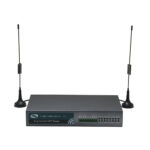
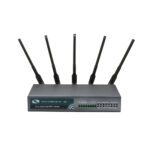
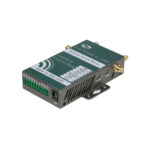
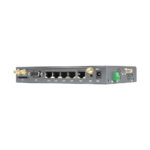
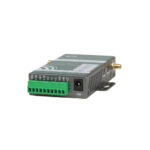
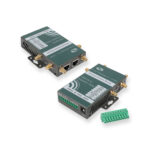
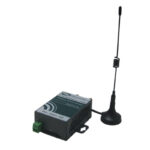
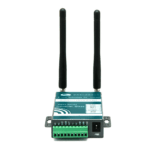
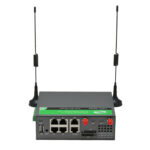
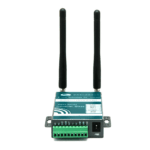
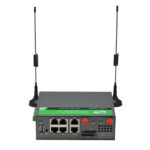
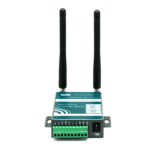
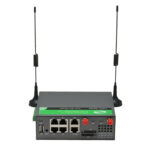
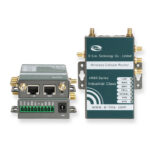
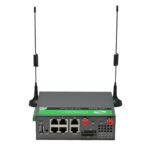
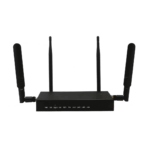
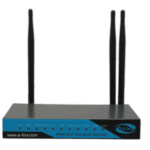
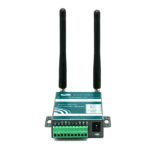
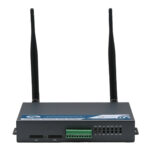
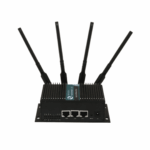
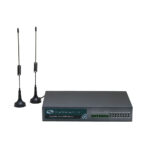
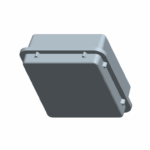
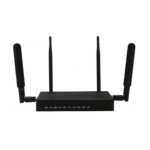
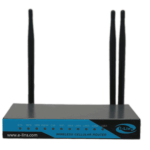
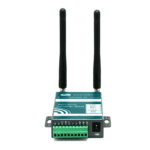
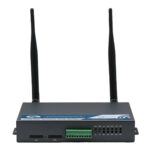
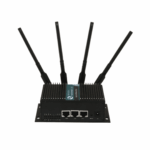
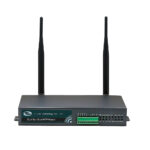
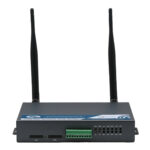
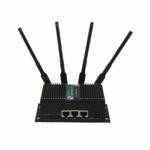
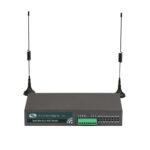
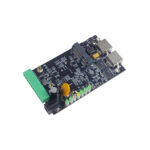
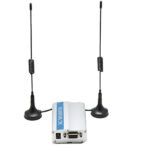
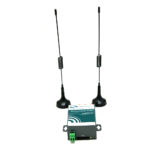
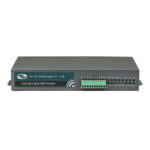
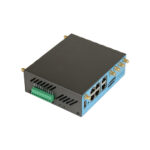
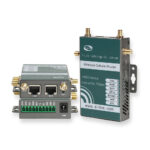
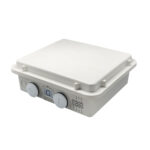
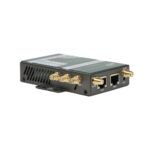
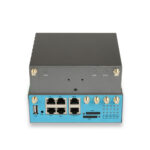
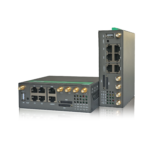
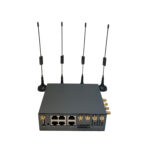
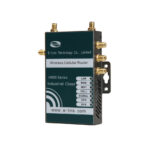
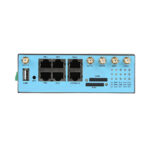
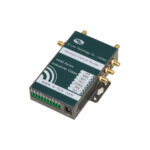
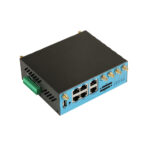













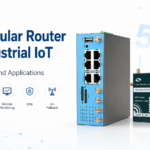
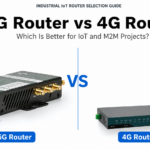

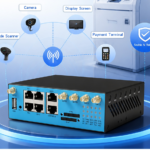
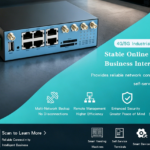


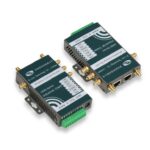
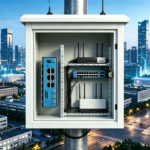
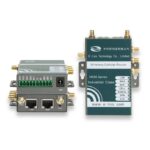

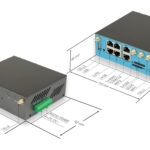










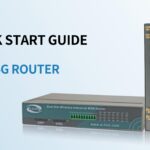
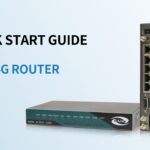




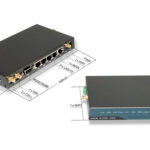
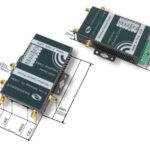
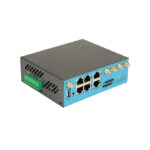
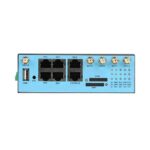






















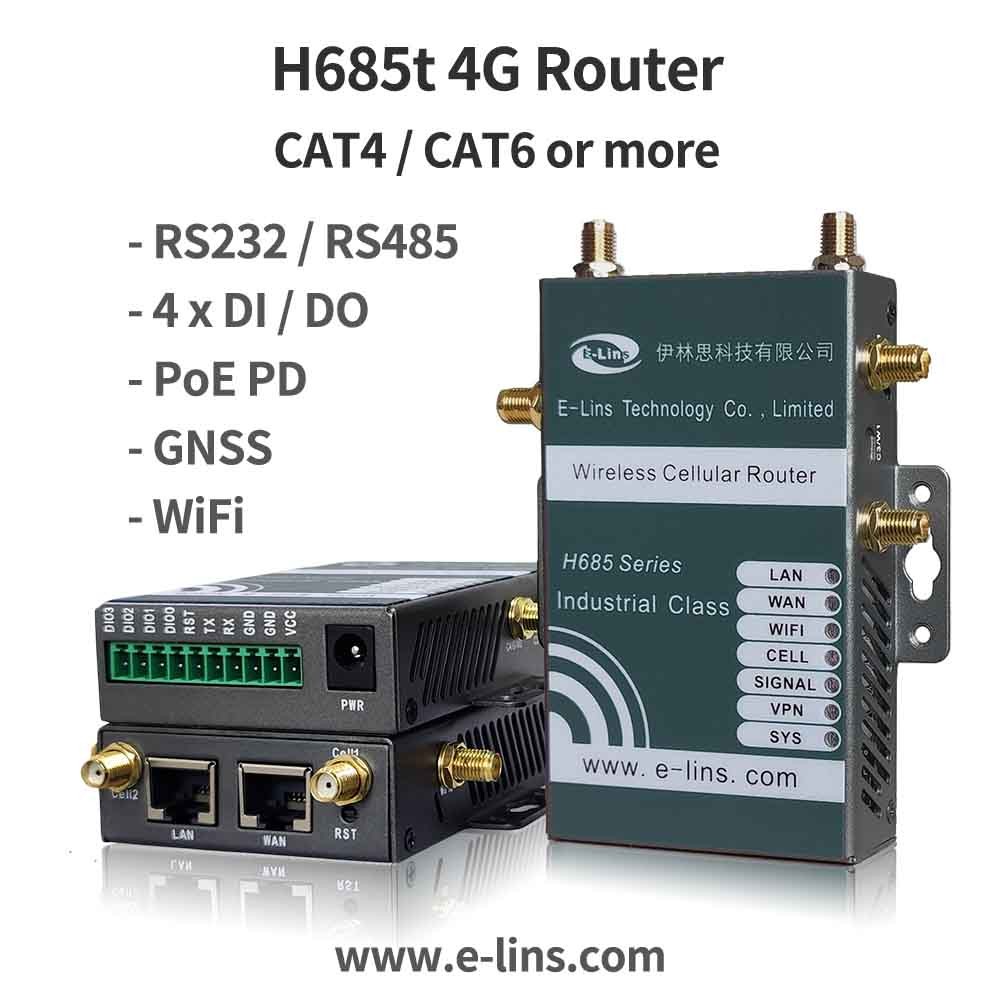
With the growth of remote work and the demand for internet access anywhere, 4G router has become increasingly popular. But what exactly is a 4G Router, and how does it work? This article offers a clear and professional overview suitable for both tech enthusiasts and everyday users.

1)What is a 4G Router
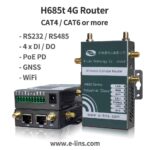
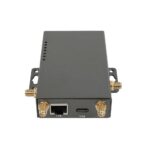
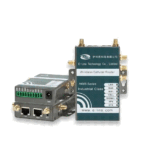
A 4G router is a device that connects to the internet through a 4G LTE cellular network, rather than a traditional fixed-line connection such as DSL, cable, or fiber optic. It then broadcasts a Wi-Fi signal to allow multiple devices—like smartphones, laptops, and smart TVs—to access the internet simultaneously.
2) How Does a 4G Router Work?
1. Cellular Network Connection:
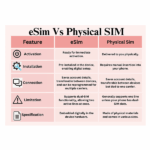
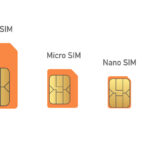
The 4G Router uses a SIM card (similar to those used in smartphones) to connect to a mobile operator’s 4G LTE network. When powered on, the router authenticates with the mobile network, just as a phone would, using the SIM card’s credentials.
2. Data Conversion:
Once connected, the router receives data from the cellular network in radio signals. Inside the router, a built-in modem converts these radio signals into standard internet data (IP packets) that can be understood by computers and other digital devices.
3. Local Network Broadcasting:
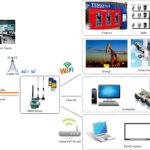
The router then broadcasts this internet connection locally using Wi-Fi and often through Ethernet ports (wired). Any Wi-Fi-enabled device within range can connect to the router and access the internet, just as with a home broadband router.
4. Network Management:
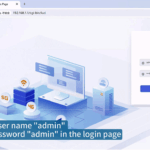
Advanced 4G Router feature management interfaces that allow users to monitor data usage, configure security settings, set up guest networks, and control connected devices.
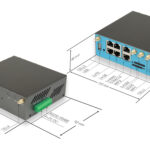
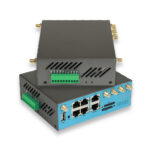
5. Key Components of 4G Router
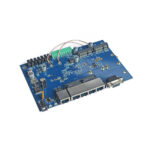
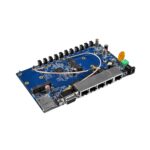
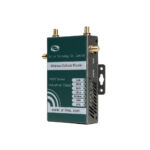
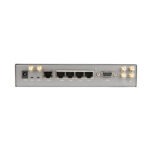
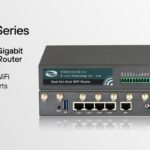
- SIM Card Slot: For the mobile network connection.
- Modem: Converts cellular signals to usable internet data.
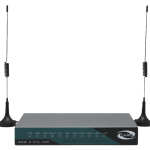
- Wi-Fi Antenna: Distributes the wireless signal.
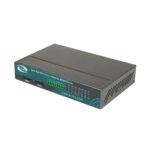
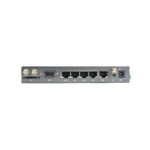
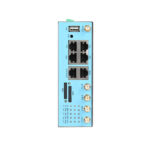
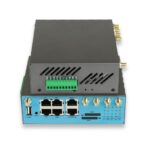
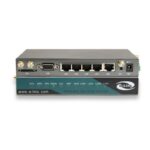
- Ethernet Ports: For direct wired connections.
- Processor and Memory: Manage network functions and user settings.
3) Advantages of 4G Router
- Portability: Offers internet access anywhere within mobile coverage.
- No Fixed-Line Needed: Perfect for remote areas or temporary setups.
- Multiple Connections: Supports several devices simultaneously.
- Backup Connectivity: Useful as a backup if your main internet fails.
Reliability in Harsh Environments
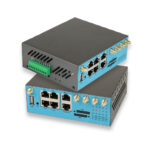
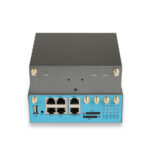
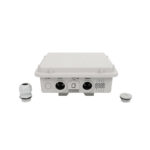
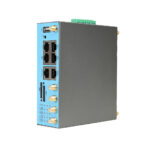
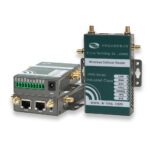
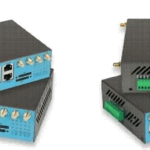
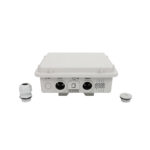
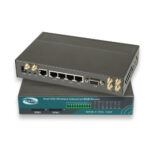
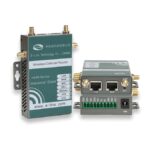
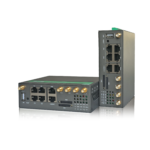
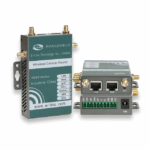
Industrial environments are often characterized by challenging conditions, including extreme temperatures, high humidity, and intense vibrations. Traditional routers designed for home or office use are not equipped to handle such harsh conditions. Industrial 4G router is built to withstand these environments. They are designed with rugged, industrial-grade materials and components to ensure long-term reliability and performance. It features a robust design that can withstand temperature ranges from -40°C to 75°C, making it suitable for use in various industrial applications, from factories to remote oil rigs.
Seamless Connectivity and Data Transmission
One of the primary advantages of industrial 4G router is their ability to provide seamless and reliable connectivity. These routers can connect to multiple 4G networks, ensuring that there is always a backup in case one network fails. This redundancy is crucial in industrial applications where downtime can result in significant losses.
Users can choose the best SIM card for their specific needs, whether it’s a local or international network. This flexibility is particularly important for industrial applications that require constant data transmission, such as remote monitoring and control systems.
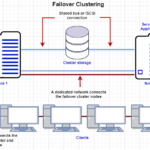
For instance, the industrial 4G router can support multiple SIM cards, providing a failover to ensure continuous connectivity. This feature is particularly useful in scenarios where network availability is critical.
Advanced Security Features
Security is a paramount concern in industrial settings. Industrial 4G router comes equipped with advanced security features to protect against cyber threats. These features include firewalls, intrusion detection systems (IDS), and VPN support. These security measures ensure that data transmitted over the network remains confidential and secure.
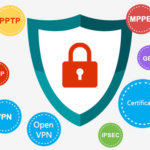
The industrial 4G router, for example, includes a robust firewall and supports multiple VPN protocols, such as OpenVPN/Wireguard/DMVPN/IPSec. These security features provide an additional layer of protection, ensuring that industrial data is safe from unauthorized access and cyber-attacks.
Easy Management and Maintenance
Maintaining and managing industrial 4G router can be a complex task, especially in large-scale deployments. However, industrial 4G router is designed to simplify this process. They often come with user-friendly management interfaces that allow users to configure and monitor the router remotely. This remote management capability is particularly useful for managing routers deployed in remote or hard-to-reach locations.
The industrial 4G router is no exception. It features a web-based management interface that allows users to configure settings, monitor network performance, and troubleshoot issues from anywhere with an internet connection. This easy management and maintenance capability can significantly reduce downtime and improve overall operational efficiency.
4) Use Cases for 4G Router
- Rural areas without fixed broadband
- Traveling or working in temporary locations
- Events, trade shows, or mobile businesses
- Backup connection for home or office networks
5)FAQ For Industrial 4G Router
Q: What is an industrial 4G router?
A: An industrial 4G router is a specialized device designed to provide reliable and robust connectivity in industrial environments. Unlike traditional routers, these devices are built to withstand harsh conditions such as extreme temperatures, high humidity, and intense vibrations. They are equipped with advanced features to ensure seamless connectivity, data transmission, and security.
Q: How does an industrial 4G router ensure reliability in harsh environments?
A: Industrial 4G routers are constructed with rugged, industrial-grade materials and components. For example, the industrial 4G router can operate in temperature ranges from -40°C to 75°C, making it suitable for various industrial applications, including manufacturing plants and remote oil rigs.
Q: What are the key features of an industrial 4G router?
A: Key features include seamless connectivity, support for multiple 4G networks, advanced security measures, and easy management. The industrial 4G router, for instance, supports multiple SIM cards for failover, includes a robust firewall, and supports various VPN protocols to ensure data security.
Q: How easy is it to manage and maintain an industrial 4G router?
A: Modern industrial 4G router are designed with user-friendly management interfaces that allow for remote configuration and monitoring. The industrial 4G router features a web-based management interface, enabling users to configure settings, monitor network performance, and troubleshoot issues from anywhere with an internet connection.
Conclusion
A 4G router is a versatile and practical solution for wireless internet connectivity, especially where traditional broadband is unavailable. By converting cellular signals into Wi-Fi, it empowers users with reliable internet access anytime and anywhere covered by a 4G network.
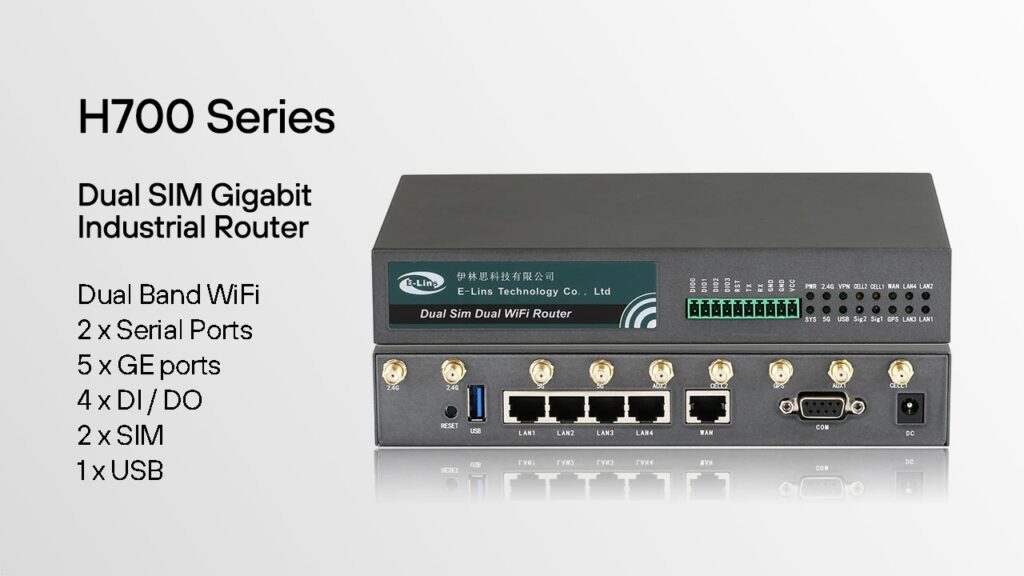
Are you sourcing a 4G Router? Please do not hesitate to contact with E-Lins, a 4G router expert since 1999, providing some series excellent 4G routers.