









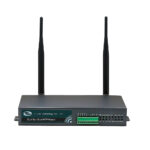

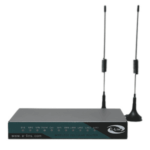
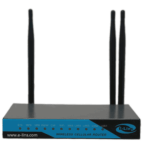
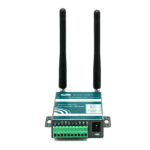




































































1) Introduction to Industrial 5G Modems
The advent of 5G technology has already begun to revolutionize various sectors, from consumer electronics to telecommunications. However, its impact is especially transformative in industries where high-speed, low-latency communication is essential for operations. One of the most significant applications of 5G in this context is the Industrial 5G Modem. This technology is helping businesses in manufacturing, automation, logistics, and other sectors unlock the true potential of Industry 4.0.
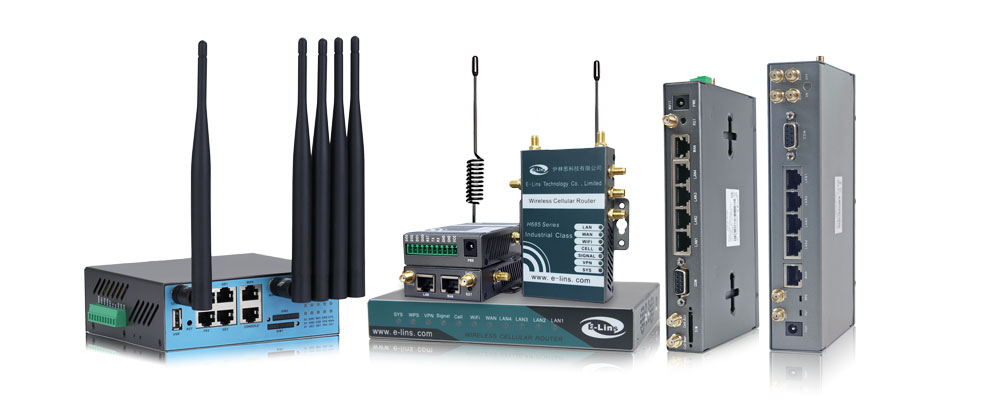
In this blog post, we’ll dive into the world of the industrial 5G modem, exploring their features, benefits, and the transformative impact they have on industrial sectors.
2) What is an Industrial 5G Modem?
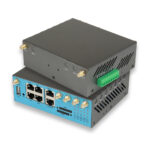
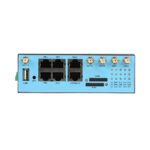
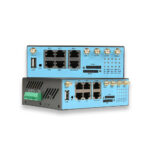
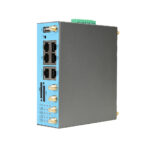
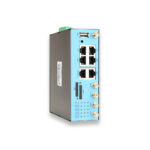
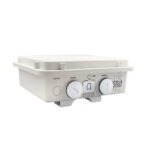
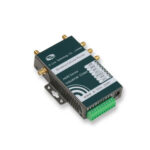
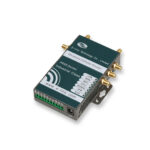
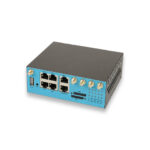
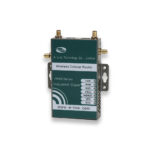
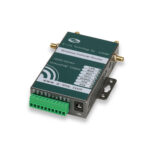
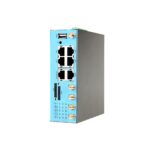
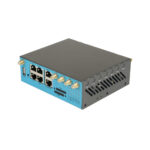
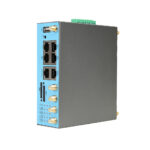
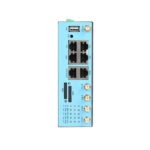
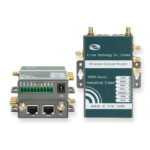
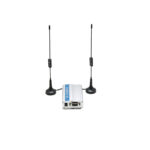
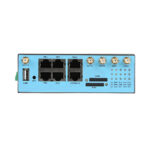
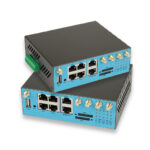
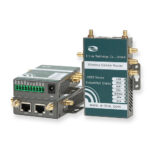
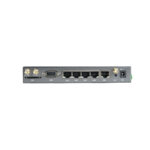
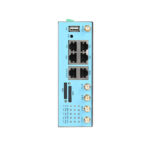
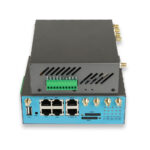
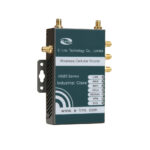
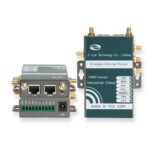
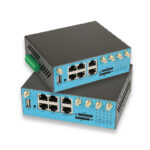
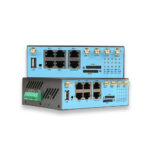
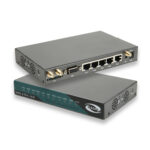
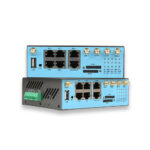
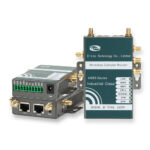
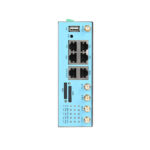
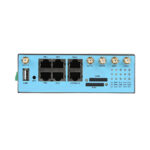
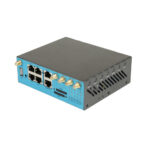
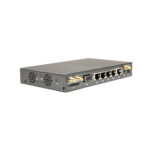
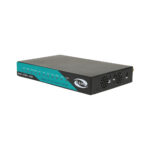
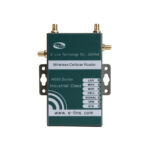
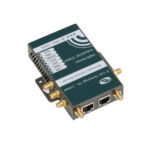
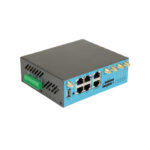
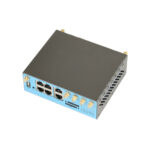
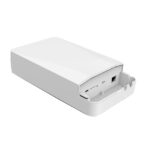
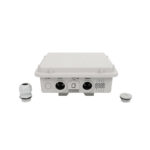
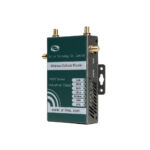
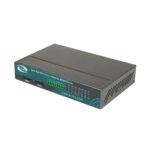
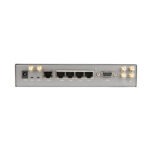
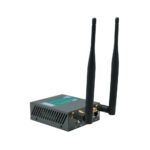
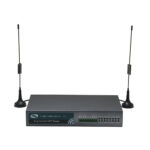
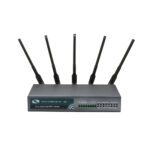
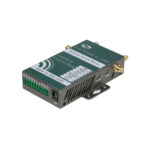
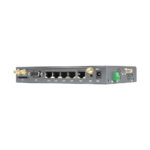
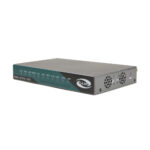
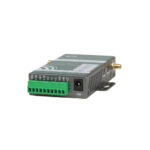
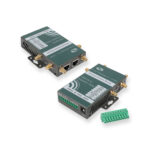
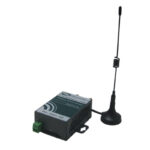
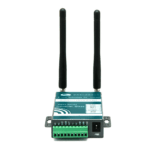
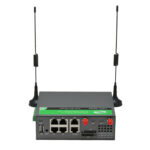
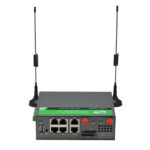
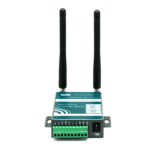
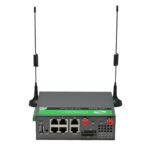
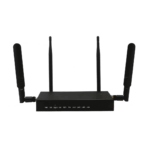
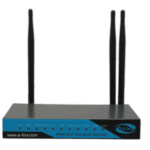
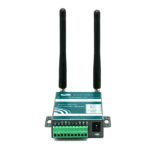
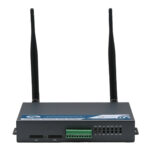
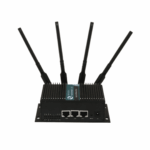
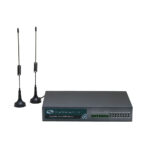
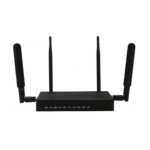
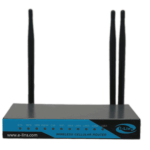
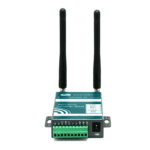
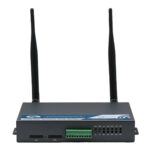
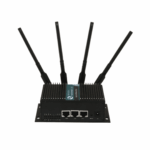
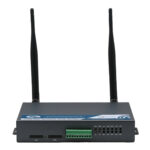
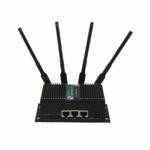
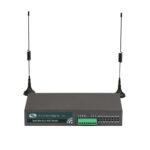
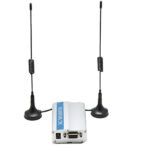
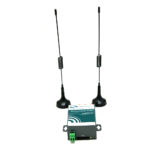
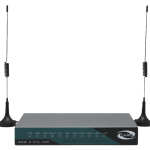
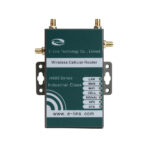
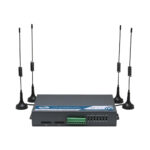
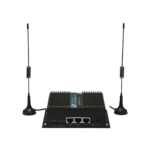
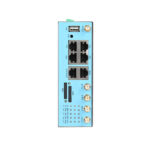
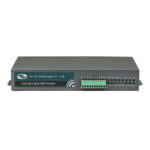
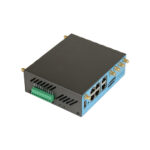
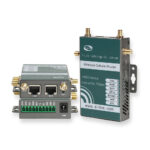
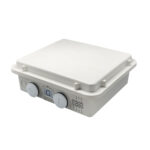
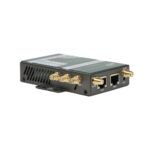
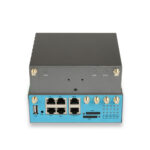
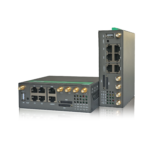
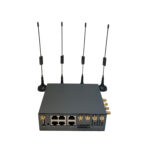
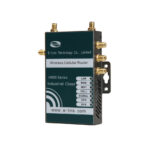
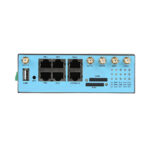
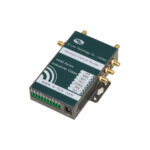
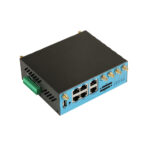
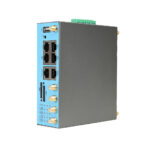
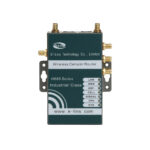
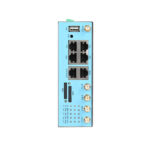
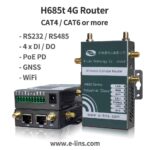
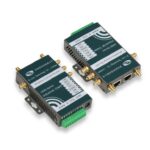
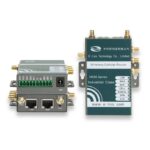
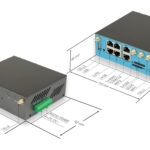
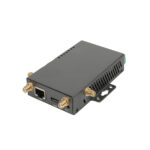
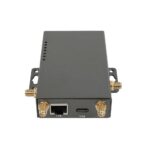
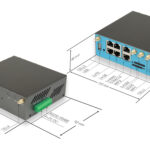
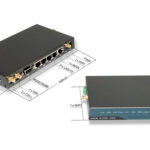
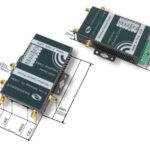
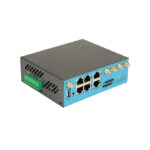
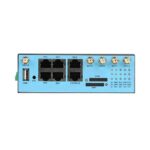
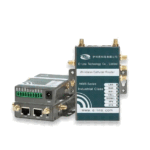
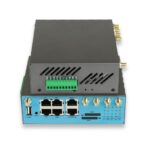
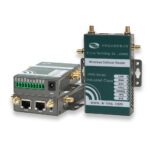
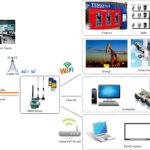
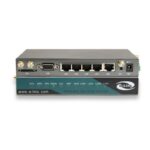
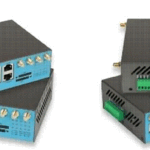
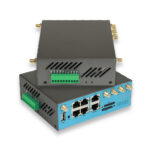
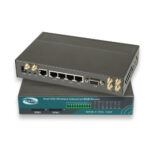
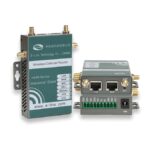
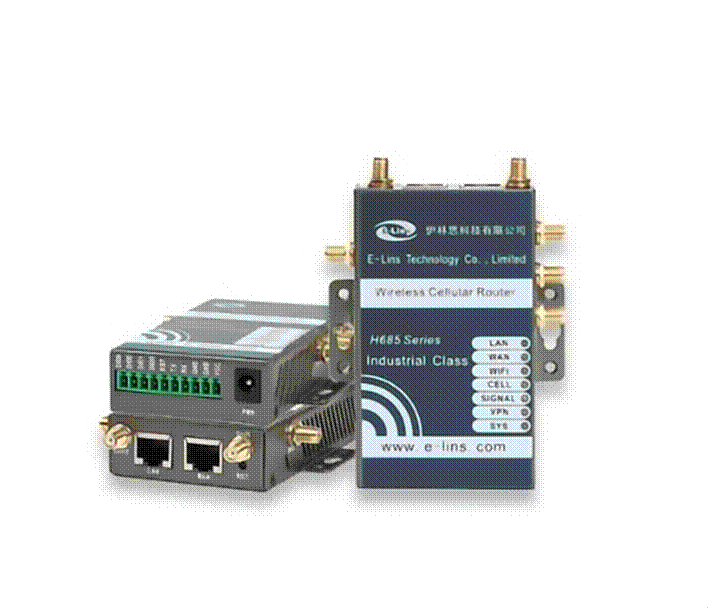
An industrial 5G modem is a device designed to enable high-speed, low-latency internet connectivity within industrial environments. It allows machines, sensors, and systems to communicate seamlessly with each other via 5G networks. These modems support industrial-grade features such as ruggedness, security, and reliability, making them essential for use in harsh, demanding environments.
The Core Features of Industrial 5G Modems
- 5G Connectivity: The primary feature of these modems is their ability to support the latest 5G connectivity, which delivers ultra-fast download and upload speeds.
- Low Latency: Industrial 5G modems minimize the delay between the transmission and reception of data, a critical factor for real-time applications like autonomous vehicles and robotics.
- Rugged Design: These modems are built to withstand extreme temperatures, vibrations, and dust, making them ideal for use in harsh industrial environments.
- High Reliability: Industrial 5G modems offer high availability and reliability, crucial for mission-critical applications.
3)The Role of Industrial 5G Modems in Industry 4.0
Industry 4.0, also known as the Fourth Industrial Revolution, focuses on smart factories, automation, data exchange, and the Internet of Things (IoT). Industrial 5G modems are the backbone of Industry 4.0, allowing different machines, devices, and sensors to communicate in real-time.
1. Enabling Autonomous Manufacturing Systems
With the help of industrial 5G modems, factories can implement autonomous systems such as robotic arms, AGVs (Automated Guided Vehicles), and smart sensors. These devices require constant, high-speed communication to function efficiently, which is made possible by 5G modems. In turn, this minimizes human error and maximizes production efficiency.
2. Facilitating Predictive Maintenance
Predictive maintenance is a key application of IoT in industrial settings. 5G modems help collect and transmit sensor data from machines and equipment, enabling predictive algorithms to detect potential failures before they happen. This leads to reduced downtime, lower maintenance costs, and improved operational efficiency.
4)How Industrial 5G Modems Improve Operational Efficiency
The use of 5G in industrial settings brings a host of benefits, many of which directly impact operational efficiency.
1. Enhanced Data Throughput
Traditional modems struggle with large data loads. Industrial 5G modems can handle immense volumes of data quickly and efficiently. This is vital for industries that rely on Big Data and real-time analytics to improve operations, such as in manufacturing processes, logistics, and supply chain management.
2. Real-time Monitoring and Control
5G modems allow for continuous real-time monitoring of various operations. This is beneficial in industries such as oil and gas, where remote monitoring of equipment and environments is critical for safety and operational integrity.
3. Enabling Remote Work and Management
5G modems facilitate remote management of industrial operations, allowing employees and managers to monitor, control, and troubleshoot systems from anywhere in the world. This is particularly important in the age of distributed workforces.
4) Challenges and Considerations
While the advantages of industrial 5G modems are clear, there are several challenges to consider when integrating them into an industrial environment.
1. Infrastructure Costs
One of the biggest challenges of implementing industrial 5G technology is the initial infrastructure investment. Setting up a 5G network, especially in remote areas, can be costly.
2. Security Risks
With increased connectivity comes an increase in cyber risks. Industrial IoT devices, including those with 5G modems, can become targets for cyber-attacks. It is essential for companies to implement robust cybersecurity measures to protect sensitive data.
3. Standardization and Interoperability
The industrial 5G ecosystem is still in its early stages, and the lack of universal standards can make integration challenging. Different devices and systems may not always be compatible with each other, leading to potential inefficiencies.
5) Future Trends of Industrial 5G Modems
Looking ahead, the capabilities of industrial 5G modems will continue to evolve. Here are a few future trends to watch for:
- Edge Computing Integration: As more data is generated at the edge, industrial 5G modems will integrate with edge computing systems to enable faster processing and decision-making at the source.
- AI and Machine Learning: Industrial 5G networks will become increasingly integrated with AI and machine learning systems, providing more automated and optimized operations.
- Private 5G Networks: As more companies look to create dedicated, secure communication channels, the demand for private 5G networks within industrial environments will grow.
6) FAQs About Industrial 5G Modems
Q1: What industries benefit most from industrial 5G modems?
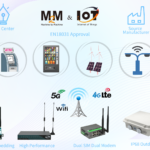
Industries such as manufacturing, logistics, transportation, oil and gas, and mining stand to benefit the most from industrial 5G modems. These sectors rely heavily on real-time data and autonomous systems to improve efficiency and safety.
Q2: How does the latency of 5G impact industrial applications?
Low latency is crucial for applications that require real-time communication, such as autonomous vehicles, robotics, and remote control systems. 5G modems provide the ultra-low latency necessary to make these technologies viable.
Q3: Can industrial 5G modems be used in hazardous environments?
Yes, industrial 5G modems are often designed to withstand extreme conditions, including high temperatures, vibrations, and dust. Some models are also certified for use in hazardous environments like oil rigs or chemical plants.
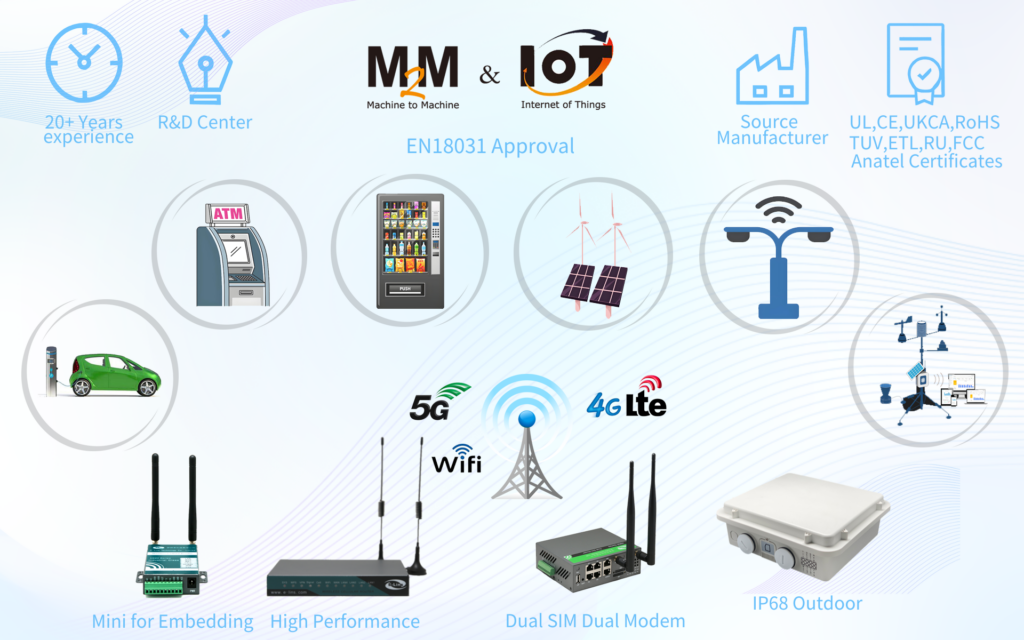
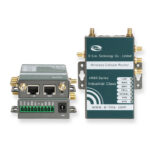
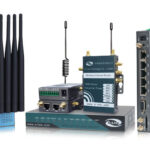
Need a reliable industrial 5g modem? Why not consider E-Lins? Known as an industrial 5g modem expert since 1999, E-Lins provides many excellent industrial 5g modems.