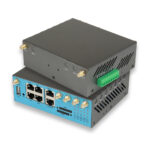
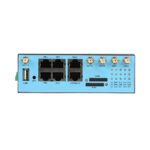
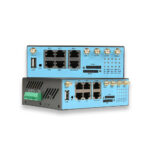
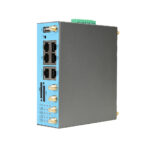
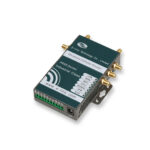
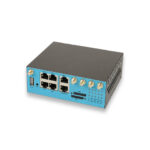
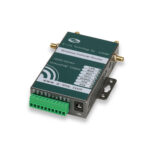
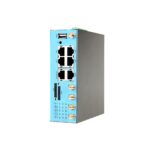

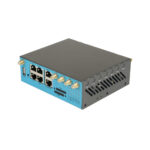
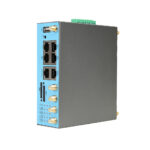
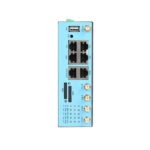
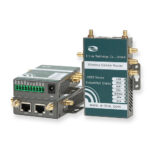
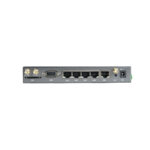
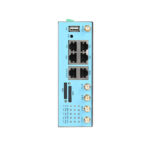
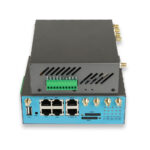
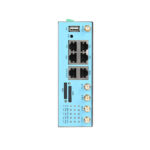
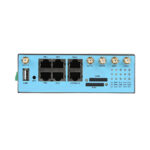
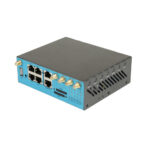

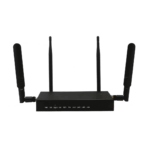
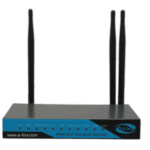
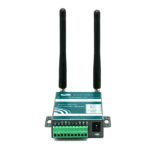
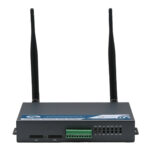
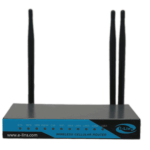
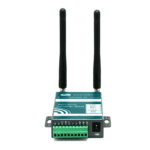
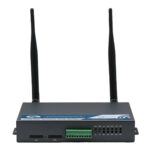
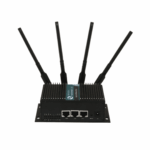
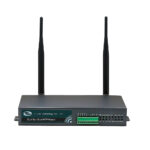
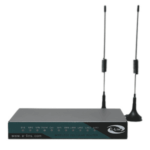
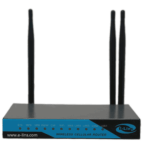
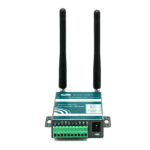
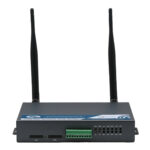
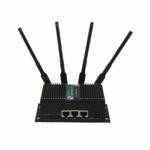
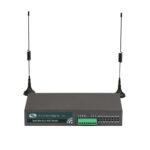
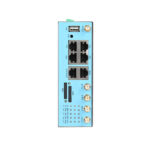
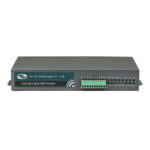
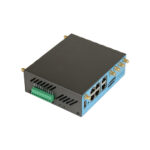
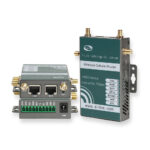
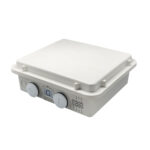
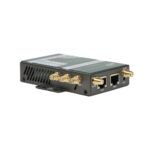
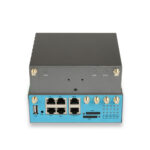
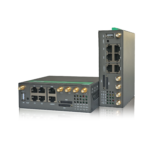
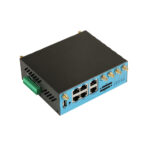
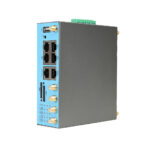
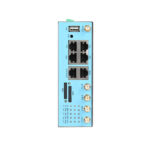




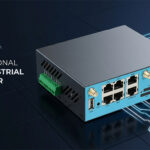
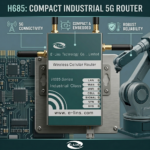
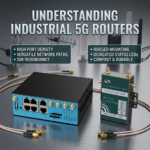








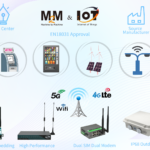


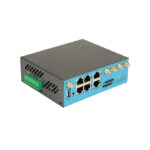
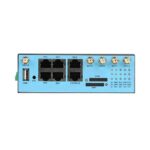
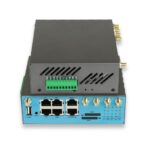
















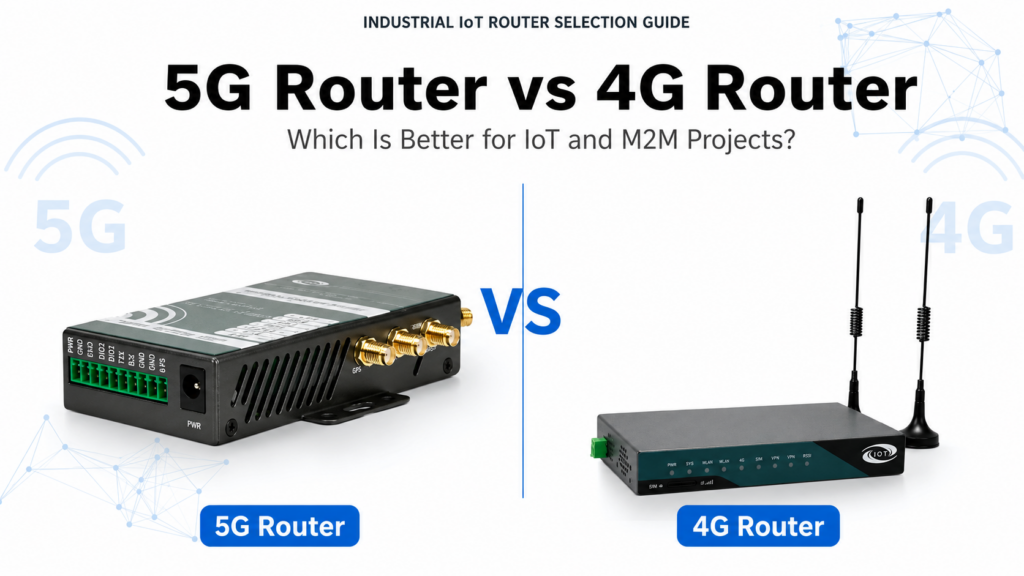
For industrial IoT and M2M projects, 5g router vs 4g router is not only a speed comparison. It is a project decision about bandwidth, latency, carrier coverage, SIM policy, APN settings, VPN access, interface requirements, installation environment, budget, and lifecycle planning.
In practice, a mature 4G network may be enough for remote monitoring, PLC access, metering, vending machines, pump stations, and basic M2M data. However, a 5G network may be more suitable for HD video upload, mobile command systems, smart transportation, edge gateways, and future expansion.
Therefore, the right answer should come from the site requirements, not from the network generation alone. A project that needs higher upstream capacity, lower delay, and more room for growth can review an industrial 5G Router. Meanwhile, projects with moderate data traffic and proven LTE coverage may still get a better cost-performance balance from 4G.
This 5g router vs 4g router guide compares 5G, 4G, and 5G RedCap from a practical engineering and procurement point of view, so project buyers can choose a router that fits the real deployment instead of only chasing a higher network label.
Quick answer: which router should you choose?
Choose 4G when the project mainly sends sensor data, PLC status, meter readings, alarms, payment data, or basic maintenance information. In these cases, stable LTE coverage, secure VPN access, watchdog recovery, and SIM reliability often matter more than peak speed.
Choose 5G when the project needs stronger uplink capacity, lower latency, more connected devices, video upload, edge computing, or a longer upgrade path. A 5G router gives more headroom when the site may add cameras, industrial PCs, AI inspection, or mobile networking later.
Consider 5G RedCap when you want a 5G migration path for moderate IoT data, but full high-throughput 5G is not necessary. This is useful for selected industrial monitoring, smart metering, compact gateways, and medium-data applications.
Simple rule: if the site only reports data, start with 4G. If the site uploads video, connects many devices, or needs more future capacity, evaluate 5G. If the project sits between these two needs, review RedCap.
5G Router vs 4G Router: practical comparison table
A useful 5g router vs 4g router decision should start with the real site traffic. A 5G router can provide stronger capacity, but a 4G router can still be the best option when data load is moderate and LTE coverage is stable.
| Factor | 4G Router | 5G Router | Selection logic |
|---|---|---|---|
| Bandwidth | Good for sensors, meters, alarms, PLC access, and moderate data. | Better for HD video, multi-device upload, and edge gateways. | Check upstream traffic first. |
| Latency | Enough for many monitoring and maintenance systems. | More suitable for near real-time and mobile applications. | Confirm whether delay affects operation. |
| Coverage | Often mature in remote and industrial areas. | Depends on local 5G rollout, indoor signal, and carrier support. | Test at the final installation point. |
| Cost | Usually lower hardware and data-plan cost. | Higher cost, but more capacity for growth. | Compare lifecycle cost, not only unit price. |
| Lifecycle | Good for stable and mature M2M systems. | Better for expansion, video, and future network migration. | Plan for several years of operation. |
When a 4G Router is still the right choice
A 4G Router remains a practical choice for many IoT and M2M projects. It can support PLC remote access, meter reading, alarm reporting, vending machines, kiosks, solar inverters, environmental monitoring stations, and utility cabinets.
For example, a water station may send pressure data, flow data, pump status, alarms, and maintenance records. These packets are usually small. Therefore, a stable LTE connection can meet the requirement while keeping hardware and data-plan cost under control.
However, 4G selection should not focus only on price. Industrial features still matter. SIM stability, APN configuration, VPN support, watchdog recovery, Ethernet ports, RS232 or RS485, wide voltage input, antenna design, and remote management all affect field performance.
For distributed projects, 4G is also easier to scale when LTE coverage is already mature across the target area. Fewer sites need special network handling, and maintenance teams can follow a more predictable configuration standard.
In short, the 5g router vs 4g router choice should not push every project to 5G. When the site data is light and the LTE network is proven, 4G can still be the more reliable and cost-effective solution.
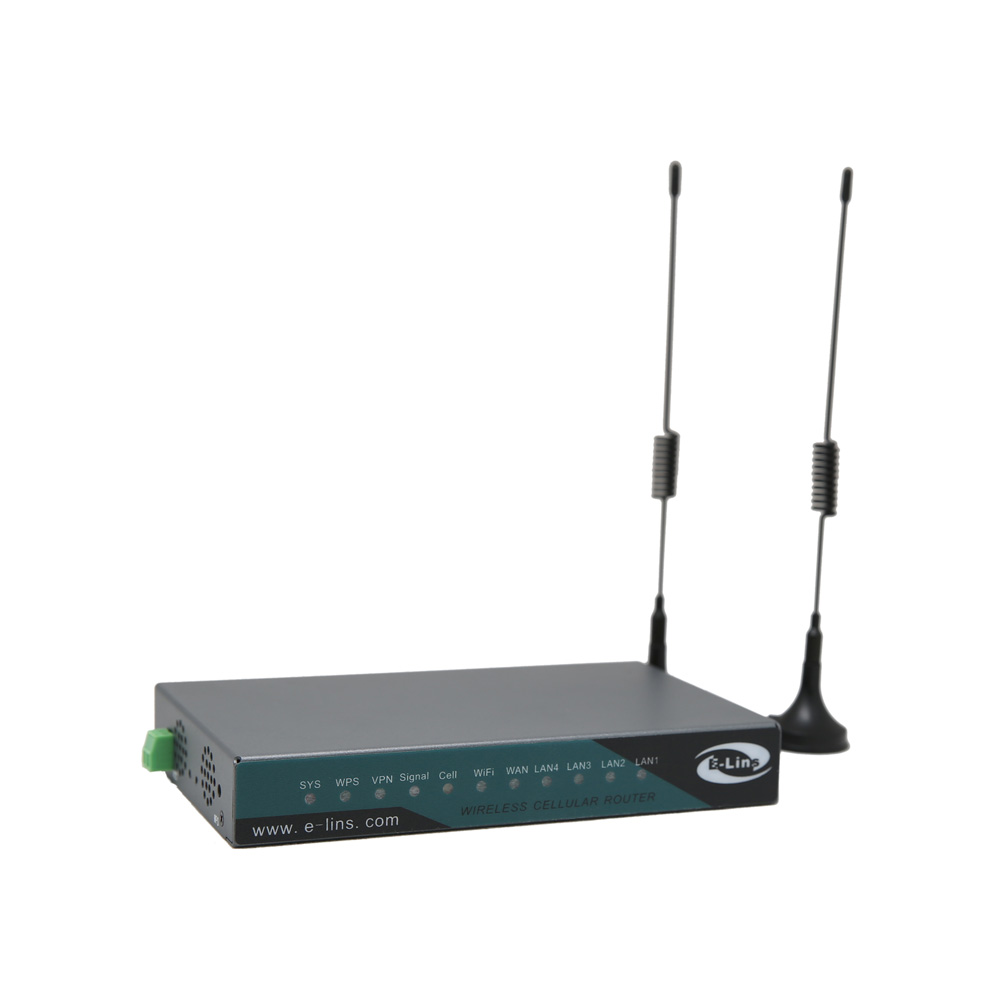
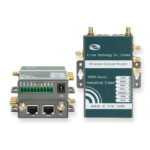
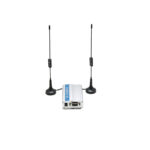
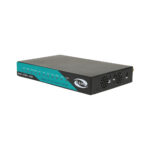
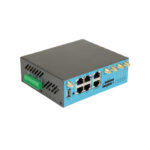
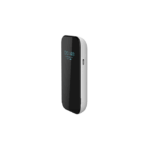
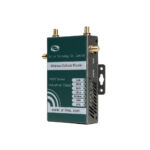
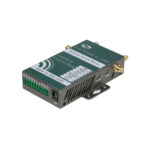
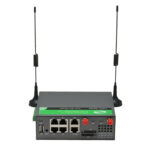
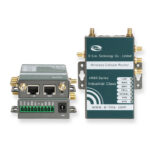
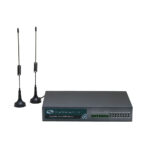
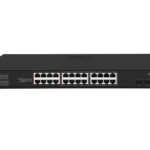
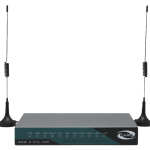
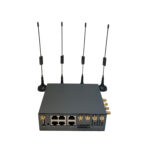
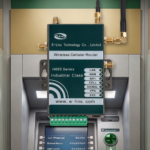
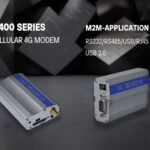
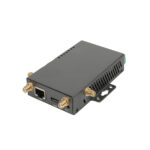
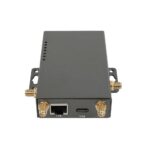
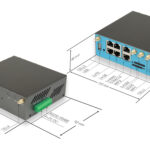
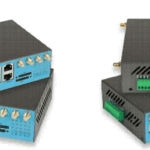
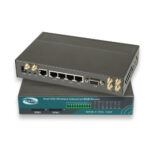
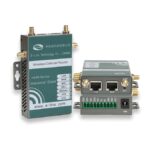
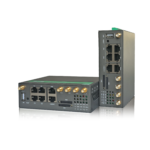
This 4G router direction fits remote monitoring, PLC access, metering, kiosks, and stable LTE-based M2M rollout.
View 4G Router ProductWhen a 5G Router is better
A 5G industrial router becomes more useful when the application creates heavier data traffic. Common examples include HD video surveillance, multi-camera inspection systems, mobile command vehicles, smart transportation, edge computing gateways, and industrial PCs that upload large files, logs, images, or video streams.
In addition, 5G can help when latency matters. Some projects require faster interaction between field equipment and a remote platform. Although many M2M systems can tolerate normal LTE delay, live video, mobile operation, and interactive monitoring may benefit from stronger 5G capacity.
Still, 5G should be selected after real coverage testing. A weak 5G signal inside a metal cabinet, underground room, remote valley, factory machine room, or shielded enclosure may not perform better than stable LTE. Therefore, site testing and antenna planning should happen before batch purchase.
For long lifecycle projects, 5G can also reduce upgrade pressure. A site may start with sensors and later add cameras, edge analytics, more controllers, or larger cloud upload. In that case, a higher-capacity router leaves more room for future expansion.
For broader industry context, GSMA explains that 5G IoT can support use cases involving AI, cloud, edge computing, mobile IoT, critical IoT, and broadband IoT. This is why 5G is often considered for projects that need more than basic telemetry. Read the GSMA 5G IoT overview.
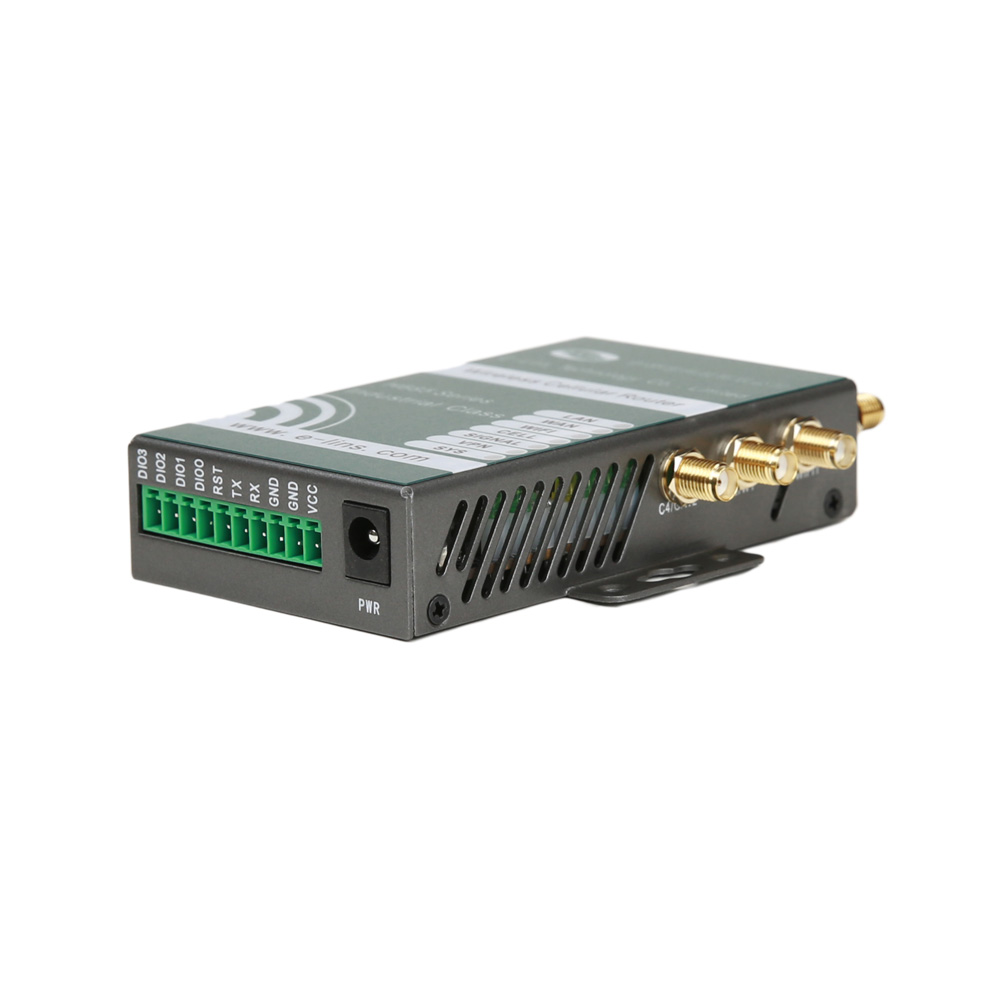
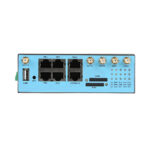
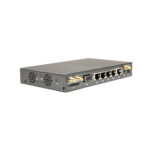
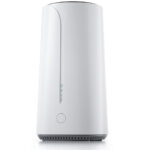
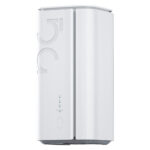
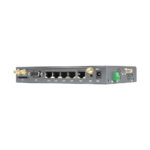
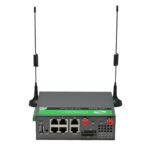
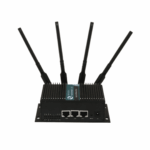
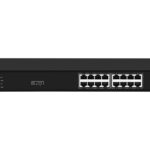
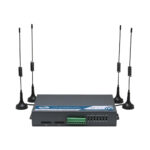
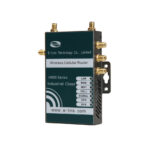
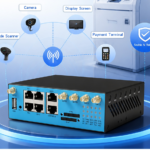
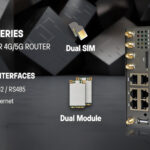
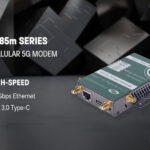
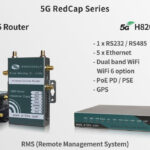
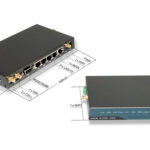
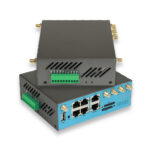
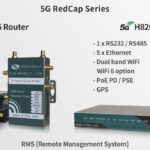
This 5G router direction fits high-data IoT, video upload, edge gateways, mobile networking, and future-ready industrial systems.
View 5G Router ProductCost, coverage, and carrier issues that affect the decision
Cost includes more than the router. It also includes SIM plans, carrier service, APN setup, fixed IP fees, antenna accessories, installation work, downtime risk, site visits, maintenance time, and future replacement. As a result, the lowest device price may not create the lowest total project cost.
Coverage should be checked at the final installation point. A signal test beside an office window does not represent a roadside cabinet, a basement, a metal equipment box, a solar inverter room, or a moving vehicle. Antenna position, cable length, connector quality, and cabinet material can change network quality.
Carrier policy also affects remote access. Some networks use NAT, while other service plans support private APN or fixed IP. In many industrial networks, VPN is required because the control center needs secure access to PLCs, cameras, gateways, and field devices.
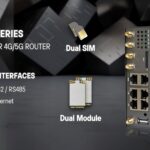
For critical sites, dual SIM can reduce network interruption risk. One SIM can work as the primary connection, while another operator can provide backup. However, the switching rule should be tested because different applications tolerate failover delay differently.
Where a 5G RedCap Router fits
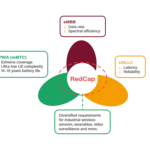
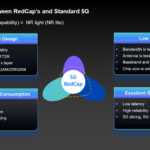
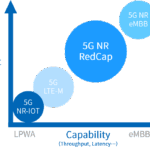
5G RedCap, also called reduced capability 5G, sits between traditional LTE and full-performance 5G. It is useful for selected projects that need a 5G migration path but do not need the highest 5G bandwidth.
A 5G RedCap Router may fit smart metering, compact gateways, industrial monitoring, sensor networks, moderate video, and long-lifecycle IoT deployments. It can help balance cost, power demand, and future network planning.
According to 3GPP, RedCap is designed as a bridge between low-complexity devices and higher-performance 5G use cases. This is why it should be reviewed as a middle option, not as a direct replacement for every 4G or full 5G router project. Read the 3GPP RedCap background.
However, RedCap should not be treated as the default answer. Full 5G may still be better for heavy HD video, multiple cameras, high upstream demand, and edge computing. Meanwhile, 4G can still be enough when the project only sends small sensor data or basic status reports.
Therefore, RedCap is best reviewed as a middle path in the 5g router vs 4g router decision. It can support projects that need longer network evolution than standard 4G but do not require the full cost and capacity of high-throughput 5G.
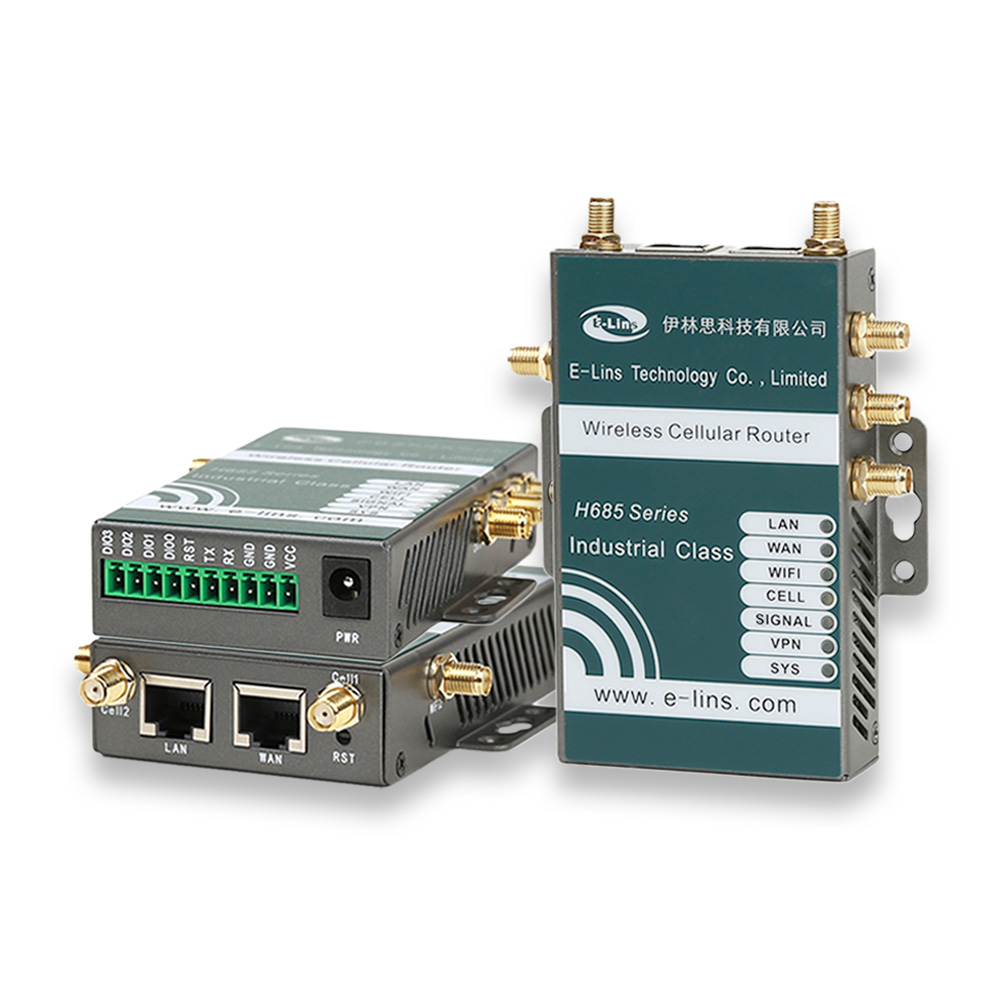
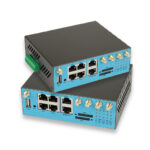
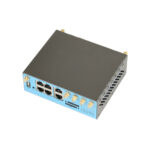
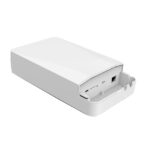
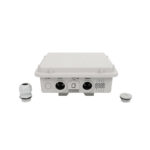
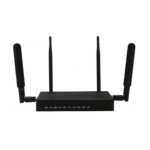
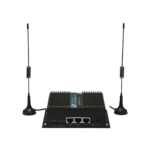
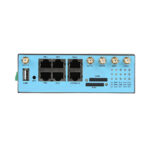
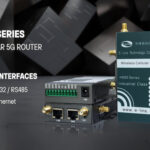
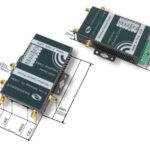
RedCap is suitable as a middle option when a project needs 5G evolution without full high-throughput 5G capacity.
View RedCap Router ProductBuying checklist before you choose 4G, 5G, or RedCap
Before choosing 4G, 5G, or RedCap, the project specification should be clear. The checklist below helps reduce wrong purchases, integration delays, and later field changes.
1. Data profile
List PLCs, meters, sensors, cameras, gateways, HMIs, and industrial PCs connected to the router.
2. Upload demand
Estimate upstream traffic, especially video, images, logs, remote desktop, and alarm upload.
3. Carrier coverage
Test 4G and 5G signal quality at the real installation point, not only near an office window.
4. SIM and APN
Confirm private APN, fixed IP, NAT policy, roaming, carrier lock, and monthly data limits.
5. Router interface
Check LAN, WAN, RS232, RS485, DI/DO, USB, PoE, Wi-Fi, antenna ports, and mounting method.
6. Remote security
Match VPN protocols, firewall rules, remote management, user permissions, and maintenance workflow.
Application recommendations by scenario
Remote monitoring and unmanned stations
For remote monitoring, 4G is often the first option to evaluate. Many stations only send sensor data, alarm messages, operating status, and maintenance logs. Therefore, stable reconnection, VPN access, and correct SIM setup may matter more than peak speed.
However, a site with cameras, edge storage, or frequent image upload may need more bandwidth. In that case, 5G becomes more attractive. The final choice should follow real upstream traffic.
Industrial automation and PLC access
For PLC remote maintenance, 4G can work well when data traffic is moderate. However, if the same router connects industrial PCs, HMIs, cameras, and edge gateways, 5G may provide better headroom for multiple sessions.
In this scenario, interface support is important. Ethernet ports, RS232, RS485, WAN backup, VPN, and remote management should match the system architecture. A faster network cannot solve an interface mismatch.
CCTV, video surveillance, and mobile video
For continuous HD video upload, 5G is often more suitable. Video applications need stronger upstream capacity and more stable latency. However, event-based snapshots or low-resolution clips may still work over 4G.
For mobile video, antenna design and fallback behavior also matter. Vehicles and temporary command sites may move across network cells. Therefore, dual SIM, external antennas, and carrier testing should be reviewed carefully.
Energy, utility, and distributed equipment
For solar farms, utility cabinets, oil field equipment, and power monitoring, coverage is often the first concern. 4G may be enough for status data and alarm reporting. 5G or RedCap can be considered when the project adds video, edge analytics, or future data expansion.
Retail machines, kiosks, and payment terminals
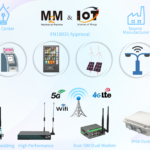
For vending machines, kiosks, ticketing machines, lockers, and payment terminals, 4G usually provides enough bandwidth. Still, secure VPN, firewall rules, APN settings, and remote management should be reviewed before rollout.
Common mistakes to avoid
First, do not choose only by peak speed. Real performance depends on carrier coverage, signal quality, antenna design, network congestion, fallback behavior, and router firmware stability.
Second, do not ignore upload traffic. Many industrial systems send data from the field to the platform. Therefore, uplink stability is often more important than download speed.
Third, do not treat RedCap as a universal replacement. It is useful in selected moderate 5G IoT scenarios, but it is not designed to replace full 5G for heavy video and edge computing.
Fourth, do not use consumer-grade routers for harsh industrial sites. Industrial deployments usually need wider temperature tolerance, stable DC power input, watchdog recovery, VPN support, remote management, and long-term availability.
Finally, do not make the 5g router vs 4g router decision without checking the carrier plan. APN, fixed IP, roaming, data cap, and remote access rules may decide whether the router can actually work in the field.
FAQ
Is a 5G router always better than a 4G router?
No. A 5G router is better for high-data, low-latency, and future-ready projects. However, 4G may be more practical when coverage is stronger, traffic is moderate, and cost control matters.
When is 4G enough for IoT projects?
4G is often enough for sensor data, PLC remote access, meter reading, alarm reporting, vending machines, kiosks, and basic monitoring systems. Stable coverage, VPN access, and SIM setup are usually more important than maximum speed.
When should 5G be selected for M2M?
5G should be considered for HD video, multi-camera upload, edge computing, mobile command systems, smart transportation, and projects that may add more connected devices later.
What is 5G RedCap and when is it useful?
5G RedCap is a reduced capability 5G option. It can fit projects that need 5G network evolution but do not need full high-end 5G performance. It is useful for selected industrial IoT, smart metering, gateways, and moderate data applications.
How can a project choose between 4G, 5G, and RedCap?
The selection should compare data volume, latency needs, carrier coverage, SIM and APN policy, VPN architecture, interface needs, installation environment, budget, and lifecycle. A mixed deployment can also make sense when different sites have different traffic levels.
What should be tested before batch purchase?
Test signal quality, antenna position, SIM failover, VPN connection, APN settings, remote access, firmware recovery, power input, operating temperature, and all required interfaces before buying in quantity.
Contact E-Lins for project-based router selection
For industrial IoT and M2M deployments, E-Lins can review the application type, required bandwidth, latency target, carrier region, SIM and APN situation, VPN structure, interface requirements, installation environment, budget range, and expected lifecycle.
As a cellular router manufacturer, E-Lins supports practical selection across industrial 4G, 5G, and RedCap router projects. In short, 5g router vs 4g router should be handled as an engineering selection process, not as a simple speed comparison.
For a more accurate recommendation, prepare the project scenario, connected devices, carrier coverage, SIM plan, APN requirements, VPN method, interface needs, mounting environment, power input, and rollout quantity.
Contact E-Lins