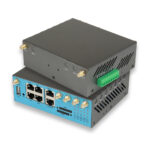
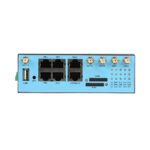
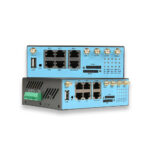
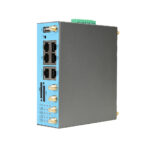
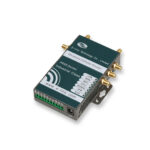
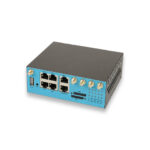
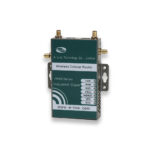
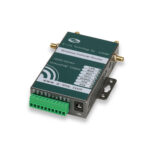
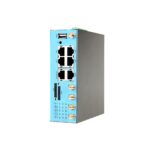

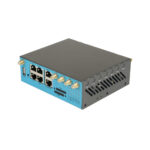
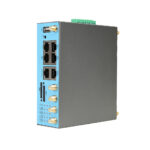
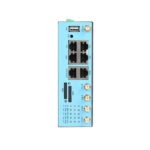
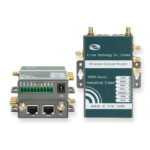
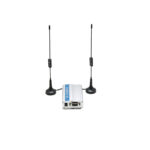
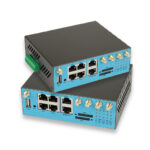
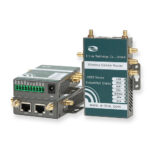
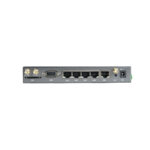
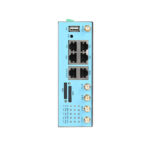
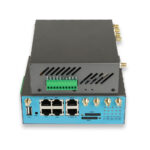
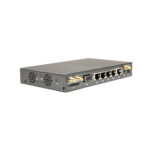
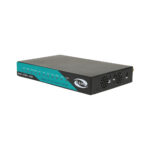
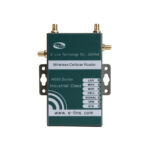
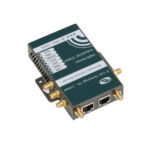
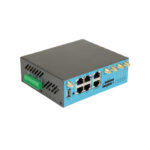
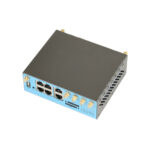

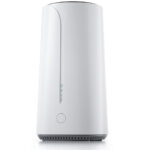
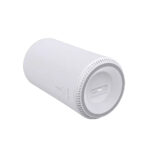
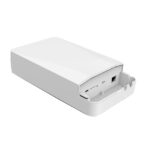
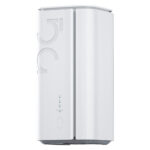

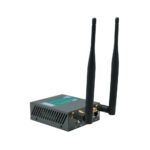
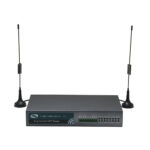
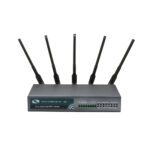
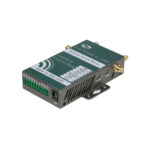
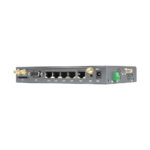
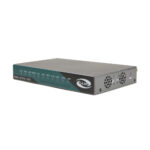
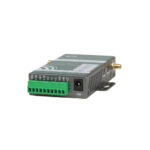
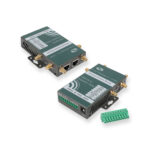
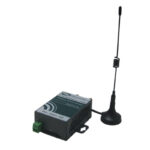
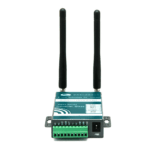
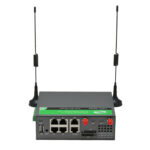
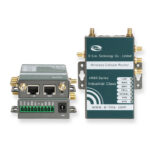
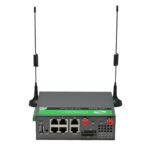
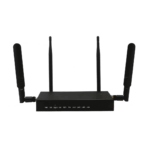
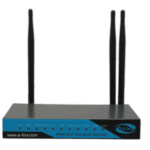
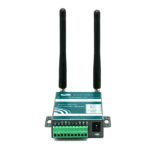
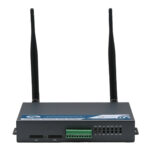
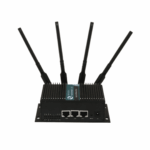
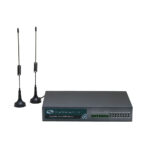
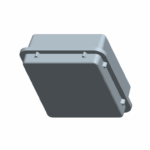
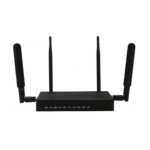
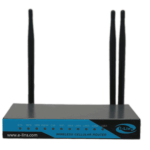
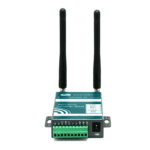
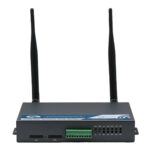
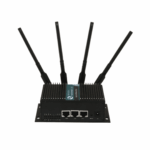
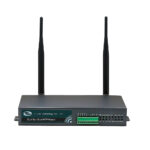
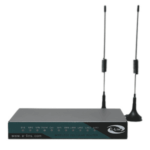
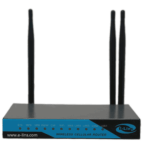
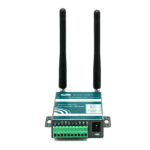
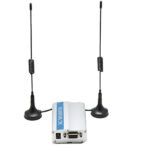
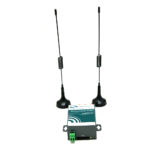
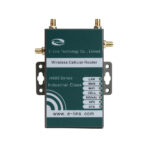
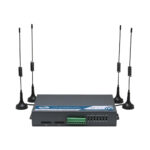
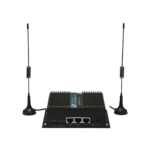
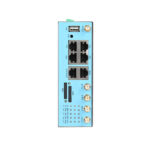
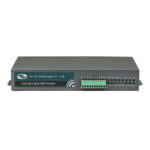
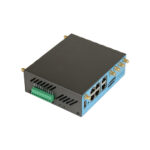
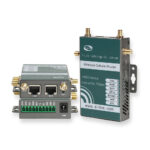
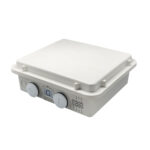
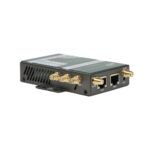
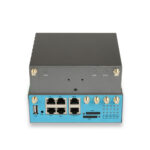
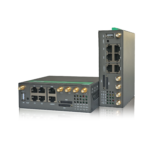
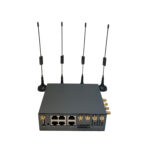
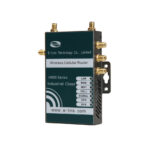
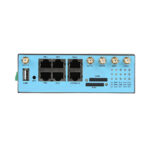
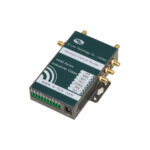
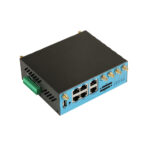
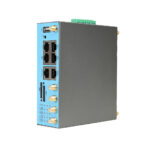
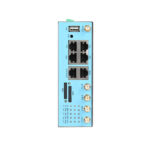



















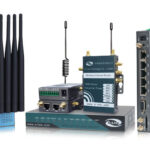
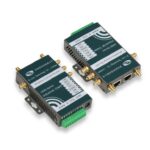
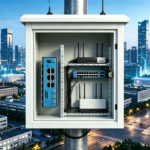
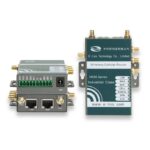
















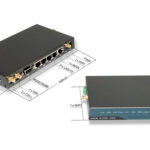
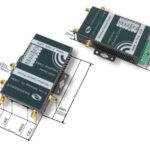
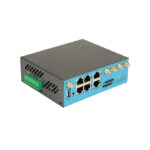
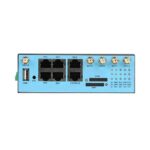
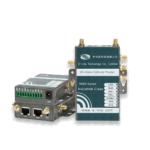
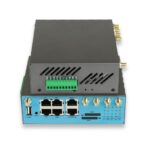

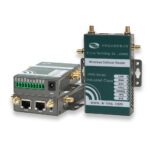















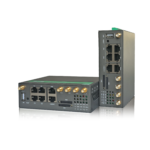







Industrial IoT (IIoT) is revolutionizing the manufacturing, energy, and logistics industries, enabling smart factories, predictive maintenance, and remote operations. Unlike consumer IoT, IIoT requires connectivity solutions that can withstand harsh industrial environments, deliver reliable performance in remote locations, and support large-scale deployments—all while keeping costs in check. Full 5G modems offer the performance needed for IIoT but are often too expensive for large-scale deployments, while 4G LTE lacks the speed and latency required for advanced industrial applications. This is where 5G RedCap Modems shine: they are engineered to meet the unique needs of IIoT, providing industrial-grade reliability, cost-efficiency, and performance in even the harshest environments.

In this blog, we’ll explore how 5G RedCap Modem powers IIoT deployments, their industrial-grade features, real-world use cases, deployment best practices, and answer common questions to help you implement a reliable IIoT network.
1)Why Industrial IoT Needs 5G RedCap Modems
Industrial environments present unique challenges for connectivity: extreme temperatures, dust, vibration, and electrical interference are common, and IIoT devices often need to operate in remote locations with limited infrastructure. Additionally, industrial operations require reliable connectivity to support critical tasks like predictive maintenance, remote machine control, and real-time data monitoring—tasks that cannot tolerate downtime or slow data transmission. Full 5G modems can handle these tasks but are cost-prohibitive for large-scale IIoT deployments (e.g., hundreds of sensors in a manufacturing plant). 4G LTE modems are more affordable but lack the speed and latency needed for advanced IIoT applications.
5G RedCap Modems address these challenges by offering industrial-grade reliability, balanced performance, and cost-efficiency. They are built to withstand harsh industrial environments, support low-latency data transmission, and can be deployed at scale without breaking the bank. For IIoT, this means seamless connectivity for industrial sensors, remote terminal units (RTUs), and machine-to-machine (M2M) devices—ensuring that industrial operations run smoothly, efficiently, and safely.
2)Industrial-Grade Features of 5G RedCap Modems
5G RedCap Modems for IIoT are not just consumer-grade modems repurposed for industrial use—they are engineered with industrial-specific features to withstand harsh environments and meet the demands of industrial operations. Below are the key industrial-grade features to look for:
1. Ruggedized Design for Harsh Industrial Environments
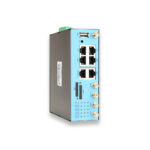
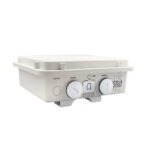
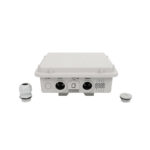
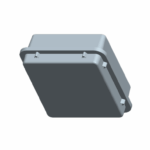
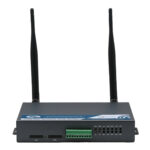
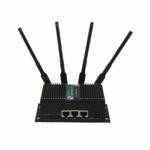
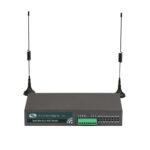
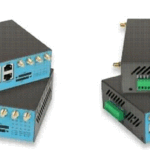
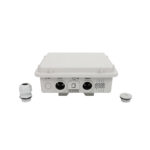
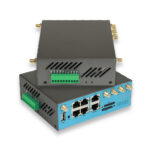
Industrial 5G RedCap Modems are built with ruggedized enclosures that meet IP67 or higher ratings, protecting them from dust, water, and debris. They also support a wide operating temperature range (typically -40°C to 75°C), allowing them to operate in extreme cold and extreme heat. Additionally, they are designed to withstand vibration and shock, ensuring reliability in environments with heavy machinery or frequent movement.
2. Industrial-Strength Reliability and Redundancy
Downtime in industrial operations can be costly—often resulting in lost production, safety risks, and financial losses. Industrial 5G RedCap Modems offer built-in redundancy features, such as dual SIM cards and automatic failover, ensuring that connectivity is maintained even if one network connection fails. They also support advanced 5G features like beamforming and interference mitigation, which improve signal strength and reliability in remote or congested industrial areas. This level of reliability ensures that IIoT devices can transmit data without interruptions, even in challenging environments.
3. Low Latency and High Reliability for Critical Industrial Tasks
Industrial operations like predictive maintenance, remote machine control, and real-time monitoring require low latency and high reliability. 5G RedCap Modems deliver latency as low as 10-20 ms, which is sufficient for most industrial applications. They also offer high reliability (99.99% uptime), ensuring that data is transmitted in real time and industrial operations are not disrupted. For example, a manufacturing plant using RedCap-enabled sensors to monitor machine performance can receive real-time alerts about potential failures, allowing maintenance teams to act quickly and avoid costly downtime.
4. Energy Efficiency for Remote Industrial Devices
Many industrial IoT devices—such as remote sensors, RTUs, and asset trackers—are deployed in remote locations where power is limited. Industrial 5G RedCap Modems are optimized for energy efficiency, consuming up to 50% less power than full 5G modems and 20% less power than 4G LTE modems. This extended battery life means remote IIoT devices can operate for 5-10 years on a single battery, reducing the need for frequent maintenance and battery replacements. For example, a wind farm using RedCap-enabled sensors to monitor turbine performance can avoid the cost and hassle of sending technicians to remote locations to replace batteries.
5. Compatibility with Industrial Protocols and Systems
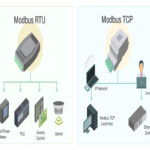
Industrial IoT networks often use industrial communication protocols that are not supported by consumer-grade modems, such as Modbus, Profinet, and DNP3. Industrial 5G RedCap Modems support these protocols, allowing seamless integration with industrial control systems (ICS), programmable logic controllers (PLCs), and other industrial equipment. They also support standard IoT protocols like MQTT and CoAP, ensuring compatibility with cloud-based IIoT platforms (e.g., AWS IoT Industrial, Azure Industrial IoT). This compatibility eliminates the need for custom integration, making it easy to connect RedCap-enabled devices to existing industrial systems.
3)Real-World Use Cases: 5G RedCap Modems in Industrial IoT
5G RedCap Modems are used in a wide range of IIoT applications across industries, delivering reliable, cost-effective connectivity for industrial operations. Below are some real-world use cases that demonstrate their value:
1. Smart Manufacturing and Predictive Maintenance
In smart factories, 5G RedCap Modems connect industrial sensors, PLCs, and machine vision systems to IIoT platforms, enabling real-time monitoring and predictive maintenance. The modems deliver low-latency data transmission, allowing factories to monitor machine performance in real time and receive alerts about potential failures. For example, a car manufacturing plant might use RedCap-enabled sensors to monitor the temperature, vibration, and pressure of assembly line machines. The sensors transmit data to a central IIoT platform, which uses AI to predict when a machine is likely to fail—allowing maintenance teams to perform repairs before downtime occurs.
2. Energy and Utilities: Remote Monitoring and Control
Energy plants (solar, wind, and traditional power plants) and utility grids rely on IIoT to monitor and control equipment in remote locations. 5G RedCap Modems are deployed to power and connect remote sensors, RTUs, and smart meters, delivering reliable connectivity even in harsh outdoor environments. For example, a solar farm might use RedCap-enabled sensors to monitor the performance of solar panels, tracking energy production, temperature, and dust accumulation. The modems transmit this data to a central control system, allowing operators to optimize energy production and identify issues (e.g., a damaged solar panel) remotely.
3. Logistics and Supply Chain: Asset Tracking and Fleet Management
Logistics and supply chain companies use IIoT to track assets (e.g., shipping containers, trucks, and packages) in real time. 5G RedCap Modems are integrated into asset trackers, providing reliable connectivity and real-time location data. The modems’ energy efficiency ensures that trackers can operate for years on a single battery, while their low latency allows for real-time updates on asset location and condition. For example, a logistics company might use RedCap-enabled trackers to monitor the location and temperature of refrigerated shipping containers, ensuring that perishable goods are transported at the correct temperature.
4. Remote Industrial Sites: Mining, Oil, and Gas
Remote industrial sites, such as mines, oil rigs, and gas pipelines, require connectivity solutions that can withstand harsh environments and deliver reliable performance. 5G RedCap Modems are deployed to connect sensors, cameras, and communication devices in these sites, enabling remote monitoring and control. For example, an oil rig might use RedCap-enabled sensors to monitor oil flow, pressure, and temperature, transmitting data to a remote center. The modems’ ruggedized design and reliability ensure that data is transmitted even in extreme weather conditions (e.g., storms, high winds) and harsh industrial environments (e.g., dust, vibration).
4)Deployment Best Practices for Industrial 5G RedCap Modems
To ensure the success of your IIoT deployment, follow these best practices when deploying industrial 5G RedCap Modems:
1. Choose the Right Modem for Your Industrial Environment
Consider the environmental conditions of your industrial site (temperature, humidity, dust, vibration) and choose a modem with the appropriate ruggedization rating (IP67 or higher) and temperature range. For outdoor sites, choose a modem with a wide temperature range (-40°C to 75°C) and waterproof enclosure. For indoor factories with dust and vibration, choose a modem with shock/vibration resistance and dust protection.
2. Test Connectivity in Your Industrial Environment
Industrial environments often have poor signal strength or high interference (e.g., from machinery or power lines). Before deploying modems at scale, test connectivity in your specific environment to ensure signal strength and reliability. Use signal boosters or external antennas if needed to improve connectivity in remote or congested areas.
3. Implement Redundancy for Critical Operations
For critical industrial operations, implement redundancy features such as dual SIM cards, automatic failover, and backup power. This ensures that connectivity is maintained even if one network connection or power source fails. For example, use dual SIM cards to ensure that if one carrier’s network is down, the modem switches to the other carrier automatically.
4. Secure Your Industrial IoT Network
Industrial IoT networks are prime targets for cyberattacks, which can disrupt production, damage equipment, and compromise sensitive data. Implement security features like encryption (SSL/TLS), access control, and firmware updates to protect your RedCap-enabled devices and network. Isolate critical industrial control systems from the public internet and use firewalls to prevent unauthorized access.
5. Plan for Scalability
IIoT deployments often grow over time, so choose a 5G RedCap Modem that can scale with your needs. Look for modems that support large-scale deployments and are compatible with future 5G upgrades (e.g., 3GPP Release 18). Additionally, choose a modem that integrates seamlessly with your existing IIoT platform to avoid costly upgrades later.
5)FAQ: Common Questions About 5G RedCap Modems for Industrial IoT
Implementing 5G RedCap Modems for IIoT can raise questions about their durability, performance, and compatibility. Below are answers to the most frequently asked questions:
1. Can 5G RedCap Modems withstand harsh industrial environments?
Yes! Industrial 5G RedCap Modems are built with ruggedized enclosures that meet IP67 or higher ratings, protecting them from dust, water, and debris. They also support a wide operating temperature range (-40°C to 75°C) and can withstand vibration and shock—making them suitable for harsh industrial environments like manufacturing plants, mines, and oil rigs.
2. Are 5G RedCap Modems suitable for mission-critical industrial applications?
5G RedCap Modems are suitable for most industrial applications but not for mission-critical tasks that require ultra-low latency (1-5 ms), such as autonomous robotics or remote surgery. RedCap offers latency of 10-20 ms, which is sufficient for applications like predictive maintenance, remote monitoring, and asset tracking. For mission-critical applications, full 5G modems are a better choice.
3. How do 5G RedCap Modems handle electrical interference in industrial environments?
Industrial environments often have high levels of electrical interference from machinery, motors, and power lines. Industrial 5G RedCap Modems are designed with electromagnetic interference (EMI) and radio frequency interference (RFI) shielding to minimize the impact of interference. They also use high-quality antennas and signal processing technology to improve signal strength and reliability, ensuring that data is transmitted without interruptions.
4. Can 5G RedCap Modems integrate with existing industrial control systems (ICS) and PLCs?
Yes! Industrial 5G RedCap Modems support industrial communication protocols like Modbus, Profinet, and DNP3, which are commonly used in ICS and PLCs. This allows seamless integration with existing industrial equipment, enabling you to connect RedCap-enabled devices to your existing control systems. They also support standard IoT protocols like MQTT and CoAP for integration with cloud-based IIoT platforms.
5. What is the typical lifespan of an industrial 5G RedCap Modem?
Industrial 5G RedCap Modems are built with durable, industrial-grade components that have a longer lifespan than consumer-grade modems. The typical lifespan is 5-10 years, depending on the environment and usage. This is significantly longer than consumer-grade modems, which typically last 3-5 years. Regular maintenance (such as firmware updates and cleaning) can extend the lifespan even further.
6. How do I troubleshoot an industrial 5G RedCap Modem in a remote location?
Industrial 5G RedCap Modems offer remote management capabilities, allowing you to troubleshoot issues from anywhere with an internet connection. You can access the modem’s web interface or cloud management platform to check signal strength, network status, and error logs. Some modems also offer remote reboot and configuration features, allowing you to resolve minor issues without sending a technician to the remote site. For more complex issues, you can use SNMP to monitor the modem’s performance and generate alerts for potential problems.
Industrial 5G RedCap Modems are the backbone of modern IIoT deployments, providing the reliability, performance, and cost-efficiency needed to power smart industrial operations. With their ruggedized design, industrial-grade features, and seamless integration with existing systems, they enable enterprises to unlock the full potential of IIoT—improving efficiency, reducing downtime, and enhancing safety. By understanding their features, use cases, and best practices, you can implement a reliable and scalable IIoT network that drives innovation and growth in your industrial operations.

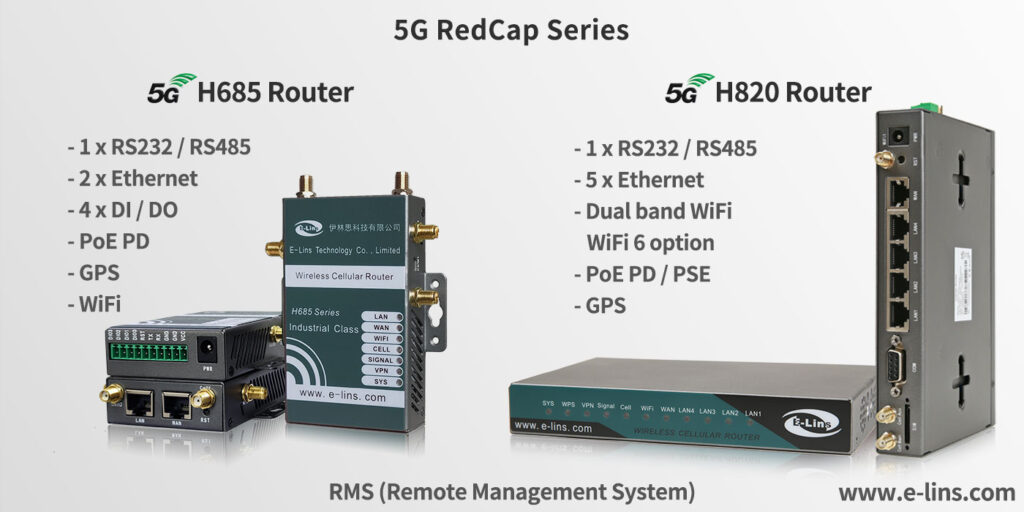
Are you sourcing a 5G RedCap modem? E-Lins will be an excellent choice for you. Founded since 1999, specialized on manufacturing 5G RedCap modems.