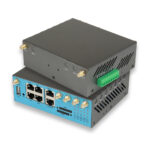
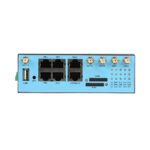
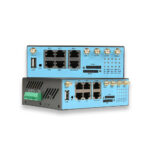
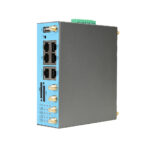
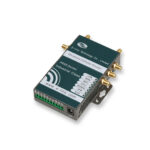
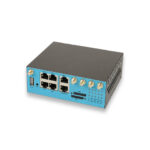
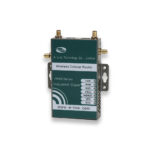
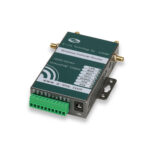

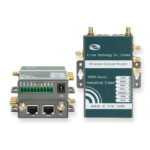
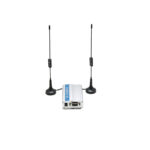
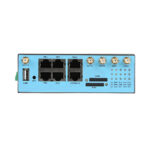
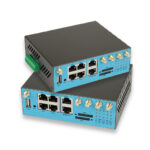
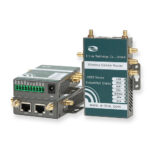
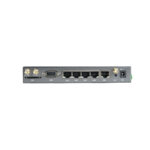
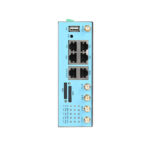
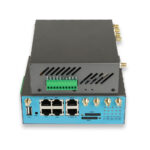
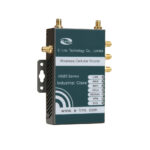
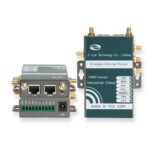
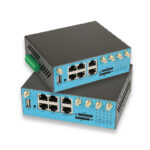
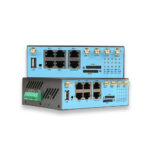
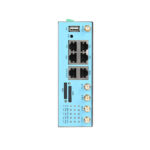
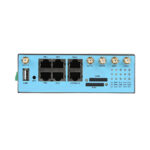
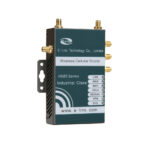
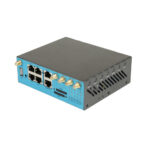
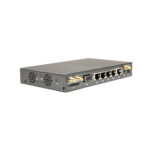
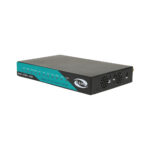
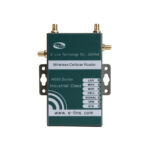
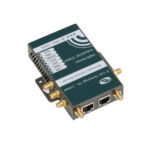
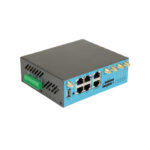
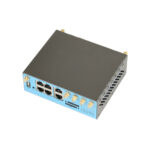
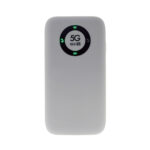
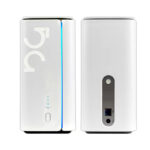
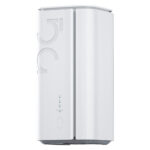
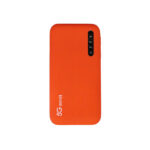
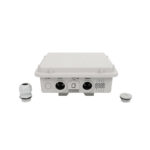
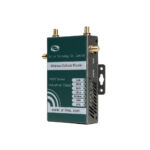
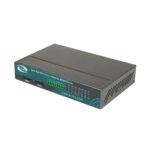
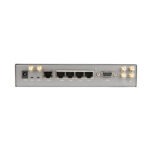
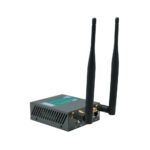
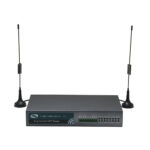
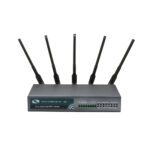
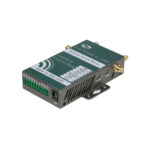
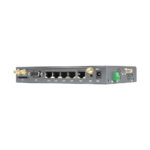
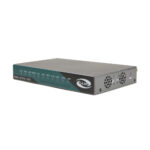
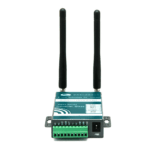
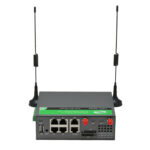
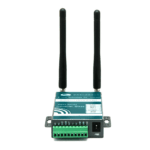
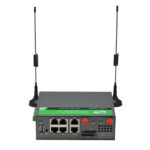
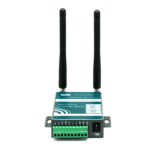
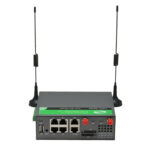
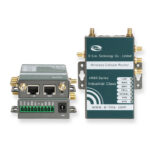
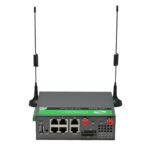
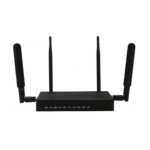
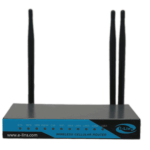
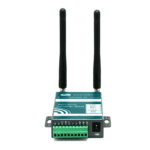
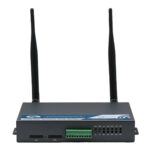
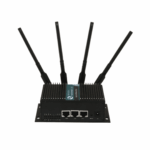
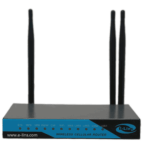
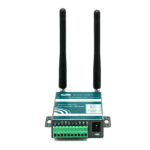
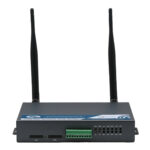
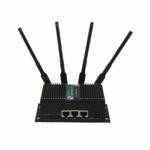
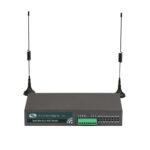
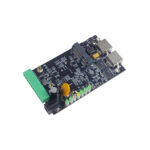
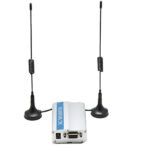
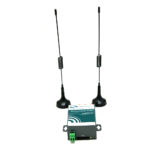
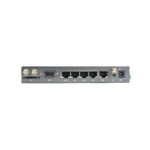
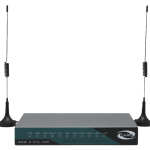
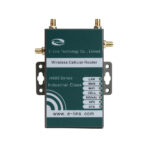
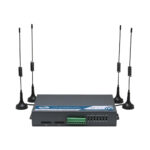
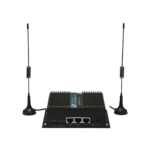
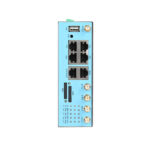
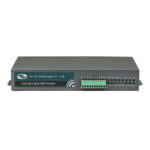
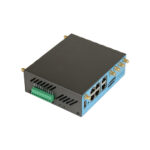
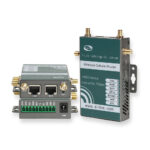
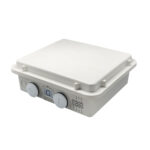
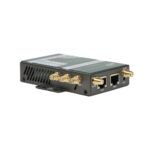
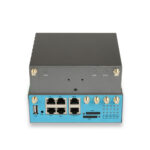
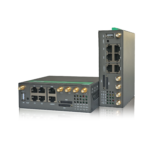
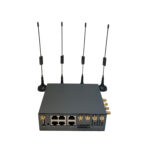
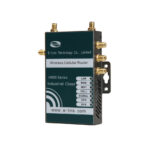
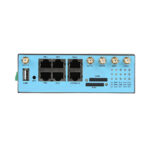













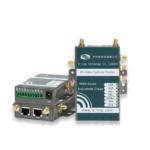
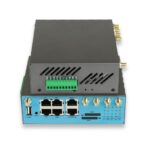













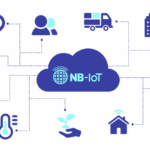


In an increasingly connected world, where IoT devices, industrial machinery, and remote systems rely on stable, high-speed data transmission, the 4G cellular modem stands as an indispensable component. While 5G has garnered significant attention for its ultra-fast speeds and low latency, 4G cellular modems continue to dominate many sectors due to their widespread coverage, reliability, cost-effectiveness, and proven performance.
This blog explores the core functionality of 4G cellular modems, their key features, real-world applications across industries, and why they are still the preferred choice for millions of businesses and organizations worldwide.
What is a 4G Cellular Modem? A Fundamental Overview
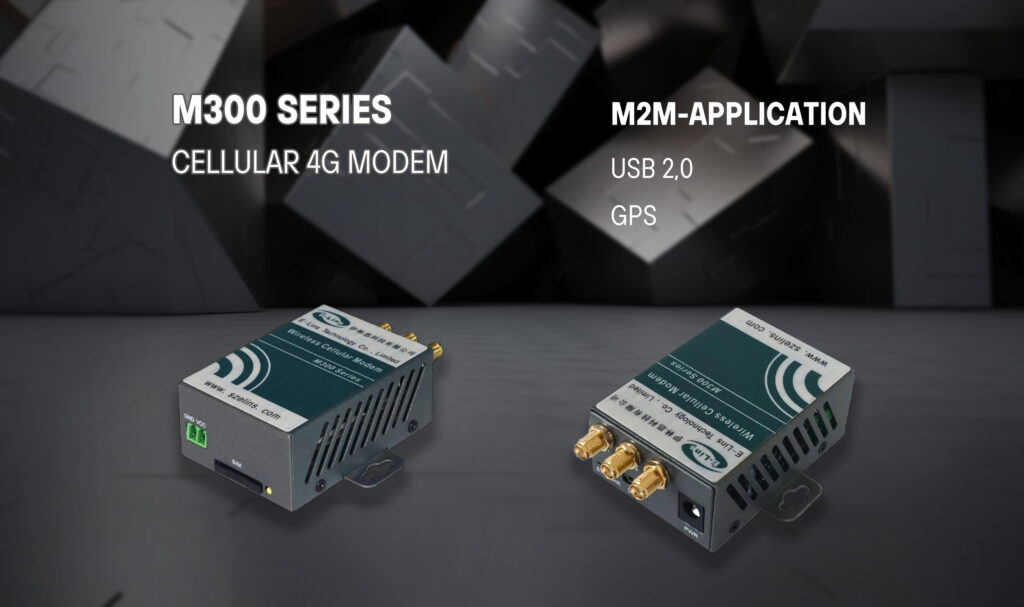
A 4G cellular modem is a hardware device that enables devices to connect to a 4G (Long-Term Evolution, LTE) cellular network, facilitating high-speed data transmission between the device and a remote server, cloud platform, or another connected device. Unlike Wi-Fi modems that rely on local wireless networks or wired modems that require physical cables, 4G cellular modems use cellular towers to establish a connection, eliminating the need for fixed infrastructure and enabling connectivity in remote or hard-to-reach areas.
At its core, a 4G cellular modem converts digital data from a connected device (such as a sensor, PLC, camera, or router) into a cellular signal that can be transmitted over the 4G network. It then receives incoming cellular signals, converts them back to digital data, and sends them to the connected device. This two-way communication is critical for applications that require real-time data transfer, remote monitoring, and control.
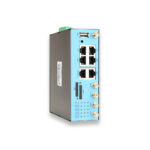
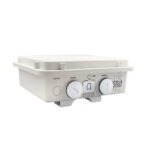
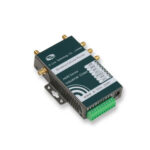
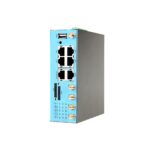
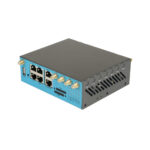
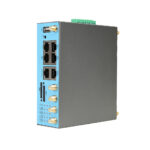
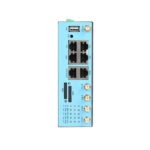
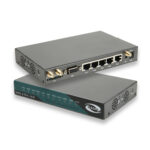
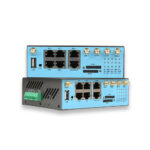
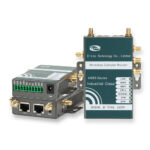
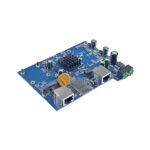
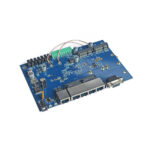
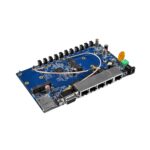
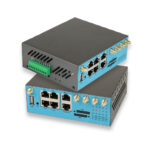
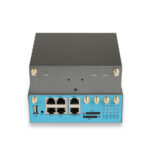
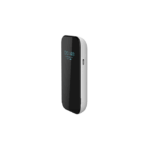
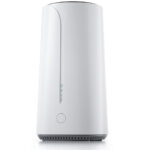
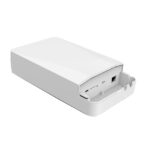
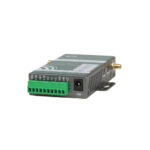
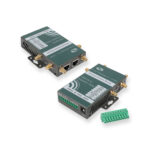
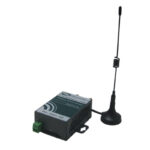
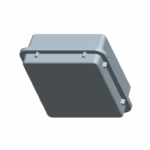
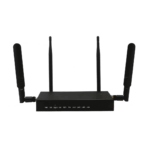
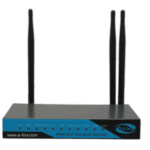
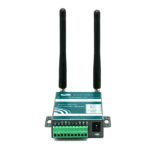
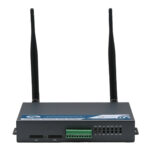
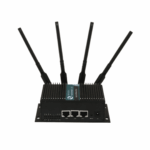
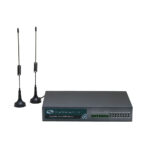
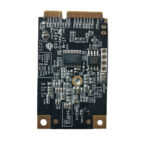
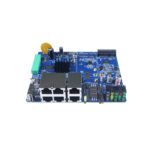
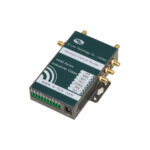
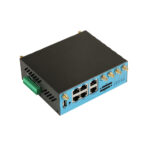
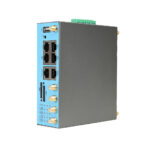
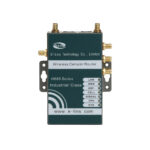
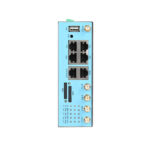
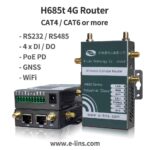
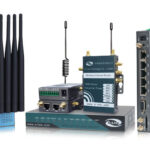
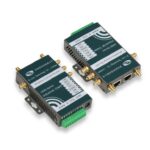
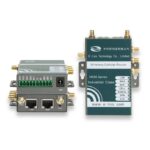
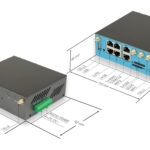
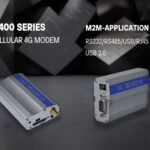
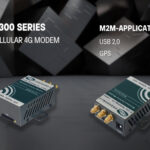
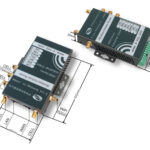
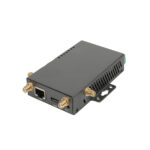
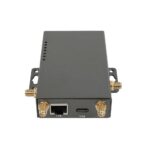
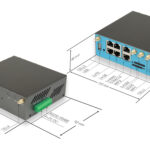
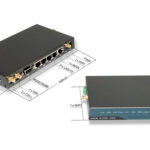
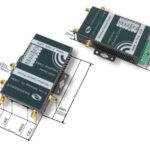
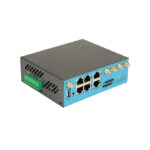
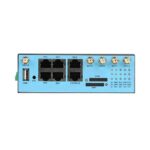
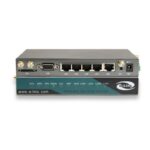
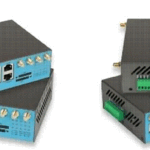
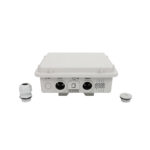
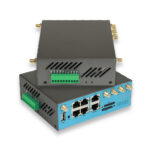
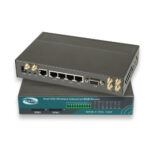
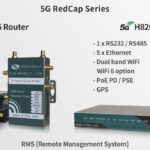
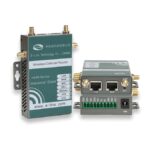
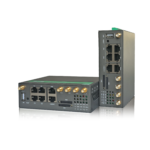
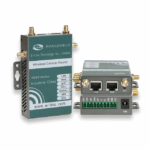
4G cellular modems are available in various form factors, including USB dongles, embedded modules, and standalone devices. Each form factor is designed to suit different use cases: USB dongles are ideal for laptops, desktops, or small IoT devices; embedded modules are integrated directly into industrial equipment or consumer electronics; and standalone modems (often combined with routers) provide connectivity for multiple devices in a location without fixed internet access.
1)Key Features of 4G Cellular Modems
The widespread adoption of 4G cellular modems is attributed to their robust feature set, which addresses the needs of both consumer and industrial applications. Below are the most critical features that make 4G cellular modems a reliable choice for connectivity:
1. High-Speed Data Transmission
4G LTE networks offer theoretical download speeds of up to 150 Mbps and upload speeds of up to 50 Mbps, with real-world speeds typically ranging from 10-50 Mbps depending on network coverage and congestion. This speed is more than sufficient for most IoT applications, including video surveillance, real-time sensor data transmission, and remote control of industrial equipment. For example, a 4G cellular modem can transmit high-definition video footage from a security camera in a remote construction site to a central monitoring station without lag or buffering.
2. Wide Network Coverage
One of the biggest advantages of 4G cellular modems is their access to the global 4G LTE network, which covers over 95% of the world’s population. Unlike Wi-Fi, which is limited to a small radius, or wired internet, which is unavailable in remote areas, 4G cellular modems can provide connectivity in rural locations, construction sites, oil fields, and other areas where fixed infrastructure is impractical or nonexistent. This wide coverage makes them ideal for applications such as remote environmental monitoring, agricultural IoT, and fleet tracking.
3. Reliability and Stability
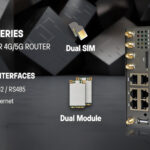
4G cellular networks are designed for high availability, with built-in redundancy and fault tolerance to ensure consistent connectivity. 4G cellular modems often include features such as automatic reconnection, signal strength monitoring, and dual-SIM support, which allow the modem to switch to a backup network if the primary signal is weak or lost. This reliability is critical for industrial applications where downtime can result in significant financial losses, such as remote power grid monitoring or manufacturing equipment control.
4. Low Power Consumption
Many 4G cellular modems are designed with low power consumption in mind, making them suitable for battery-powered IoT devices that need to operate for extended periods without recharging. This is particularly important for applications such as wildlife tracking, remote water meter monitoring, and smart agriculture sensors, where replacing batteries frequently is impractical or costly. Advanced power-saving features, such as sleep mode and wake-on-demand, further extend the battery life of connected devices.
5. Security Features
Security is a top priority for any connected device, and 4G cellular modems include robust security features to protect data transmission. These features include encryption (such as AES-256), virtual private network (VPN) support, and firewalls, which prevent unauthorized access to the connected device or network. Additionally, 4G cellular networks use secure authentication protocols to ensure that only authorized devices can connect to the network, reducing the risk of data breaches and cyberattacks.
2)Real-World Applications of 4G Cellular Modems
4G cellular modems are used in a wide range of industries, from agriculture and healthcare to manufacturing and transportation. Their versatility and reliability make them suitable for both consumer and industrial applications. Below are some of the most common use cases:
1. Industrial IoT (IIoT)
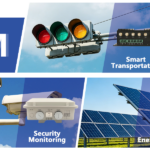
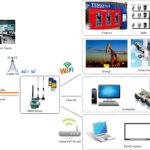
In industrial settings, 4G cellular modems are used to connect industrial machinery, sensors, and controllers to a central management system. This enables remote monitoring of equipment performance, predictive maintenance, and real-time control of manufacturing processes. For example, in a factory, 4G cellular modems can transmit data from temperature sensors, pressure gauges, and production line equipment to a cloud platform, allowing engineers to monitor operations from anywhere in the world and address issues before they cause downtime. In oil and gas fields, 4G modems are used to monitor pipeline pressure, wellhead conditions, and environmental parameters, ensuring safe and efficient operations.
2. Smart Agriculture
4G cellular modems play a crucial role in smart agriculture, enabling farmers to monitor and control their crops and livestock remotely. IoT devices such as soil moisture sensors, temperature sensors, and irrigation systems are connected to 4G modems, which transmit data to a mobile app or cloud platform. Farmers can use this data to optimize irrigation schedules, adjust fertilizer application, and monitor crop health, leading to higher yields and reduced resource waste. For example, a soil moisture sensor connected to a 4G modem can alert farmers when soil humidity levels drop below a certain threshold, allowing them to activate irrigation systems remotely.
3. Video Surveillance and Security
4G cellular modems are widely used in video surveillance systems, particularly in remote locations where Wi-Fi or wired internet is unavailable. Security cameras equipped with 4G modems can transmit real-time video footage to a central monitoring station, enabling remote monitoring of construction sites, parking lots, rural properties, and other areas. This is especially useful for businesses and organizations that need to monitor multiple locations without investing in expensive wired infrastructure. Additionally, 4G modems with built-in GPS can track the location of mobile security cameras, making them ideal for temporary events or construction sites.
4. Healthcare
In the healthcare industry, 4G cellular modems are used to enable remote patient monitoring and telemedicine. Wearable devices such as heart rate monitors, blood pressure monitors, and glucose meters are connected to 4G modems, which transmit patient data to healthcare providers in real time. This allows doctors to monitor patients with chronic conditions from their homes, reducing the need for hospital visits and improving patient outcomes. Additionally, 4G modems are used in medical equipment such as mobile ultrasound machines and portable X-ray devices, enabling healthcare providers to deliver care in remote or underserved areas.
5. Transportation and Fleet Management
4G cellular modems are essential for fleet management, enabling companies to track the location, speed, and performance of their vehicles in real time. GPS-enabled devices connected to 4G modems transmit data such as vehicle location, fuel consumption, and maintenance needs to a central management system. This allows fleet managers to optimize routes, reduce fuel costs, and ensure timely maintenance, improving overall fleet efficiency. Additionally, 4G modems are used in public transportation systems, such as buses and trains, to provide real-time schedule updates to passengers and monitor vehicle performance.
3)FAQ: Common Questions About 4G Cellular Modems
Q1: How does a 4G cellular modem differ from a 5G modem?
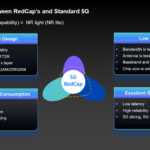
The main differences between 4G and 5G modems are speed, latency, and coverage. 5G modems offer faster download/upload speeds (up to 10 Gbps) and lower latency (under 10 ms) than 4G modems, making them ideal for applications such as autonomous vehicles and virtual reality. However, 4G modems have wider network coverage, lower cost, and proven reliability, making them a better choice for most IoT and industrial applications where ultra-fast speeds are not required. Additionally, 4G modems are compatible with existing 4G infrastructure, while 5G infrastructure is still being rolled out in many areas.
Q2: Do I need a SIM card for a 4G cellular modem?
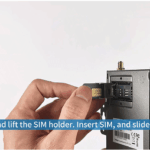
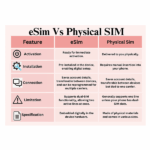
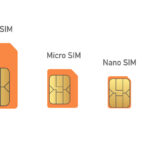
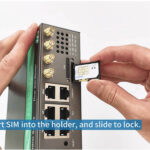
Yes, most 4G cellular modems require a SIM card from a cellular service provider to connect to the 4G network. The SIM card contains the necessary credentials to authenticate the modem on the network and access data services. Some modems support dual SIM cards, which allow the modem to switch to a backup network if the primary signal is weak or lost. Additionally, some industrial modems support eSIM (embedded SIM) technology, which eliminates the need for a physical SIM card and allows for remote SIM provisioning.
Q3: Can a 4G cellular modem work in remote areas?
Yes, 4G cellular modems can work in remote areas as long as there is 4G network coverage. 4G networks cover most rural and remote areas, making them ideal for applications such as remote environmental monitoring, agricultural IoT, and off-grid homes. If 4G coverage is limited in a specific area, you can use an external antenna to boost the signal strength and improve connectivity. Some modems also support 3G fallback, which allows the modem to switch to a 3G network if 4G is unavailable.
Q4: How secure is data transmission with a 4G cellular modem?
Data transmission with a 4G cellular modem is highly secure. 4G networks use advanced encryption protocols (such as AES-256) to protect data in transit, and most modems include additional security features such as VPN support, firewalls, and secure authentication. Additionally, cellular networks are isolated from the public internet, reducing the risk of unauthorized access. To further enhance security, you can use a private APN (Access Point Name) provided by your cellular service provider, which creates a secure, private network for your devices.
Q5: What is the typical lifespan of a 4G cellular modem?
The typical lifespan of a 4G cellular modem is 5-7 years, depending on the quality of the device, usage conditions, and maintenance. Industrial-grade modems are designed to withstand harsh environments (such as extreme temperatures, humidity, and vibration) and have a longer lifespan than consumer-grade modems. Regular firmware updates can also extend the lifespan of a 4G modem by adding new features and fixing security vulnerabilities. With 4G networks expected to remain operational for at least the next decade, 4G modems will continue to be a reliable connectivity solution for years to come.
Q6: Can a 4G cellular modem connect multiple devices?
Yes, many 4G cellular modems (particularly standalone modems or 4G routers with built-in modems) can connect multiple devices via Wi-Fi or Ethernet. These modems act as a mobile hotspot, allowing smartphones, tablets, laptops, and IoT devices to connect to the 4G network. The number of devices that can be connected simultaneously depends on the modem’s specifications, but most consumer-grade modems can support 10-20 devices, while industrial-grade modems can support more. This makes them ideal for small offices, remote work sites, and events where multiple devices need connectivity.
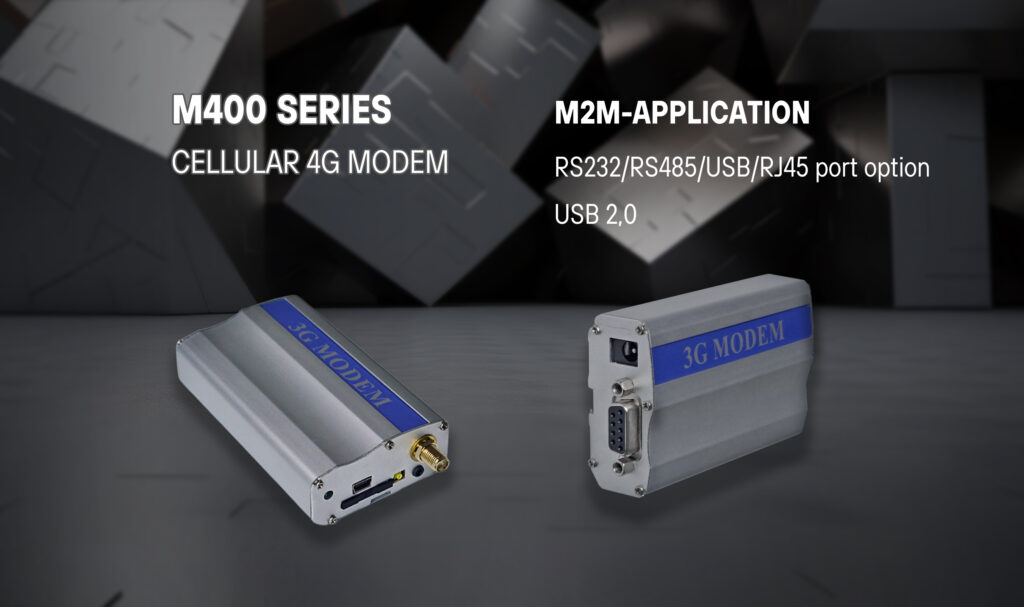
Are you sourcing a 4G Cellular modem? E-Lins will be an excellent choice for you. Founded since 1999, specialized on manufacturing 4G Cellular modems.