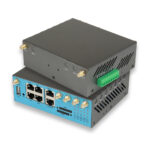
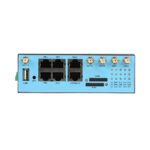
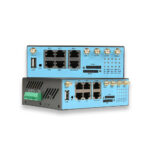
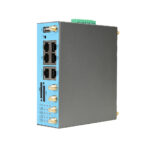
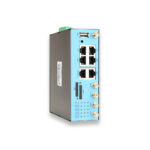
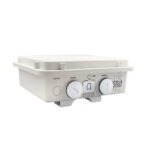
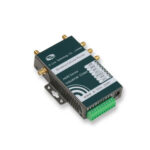
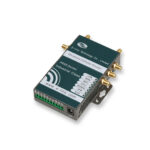
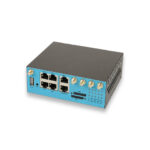
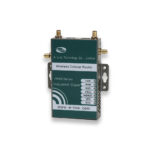
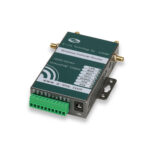
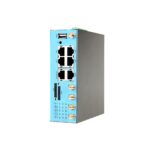

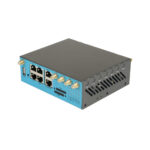
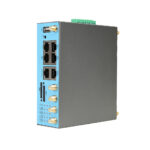
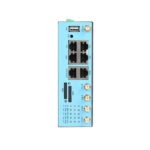
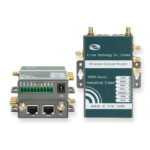
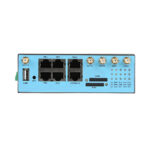
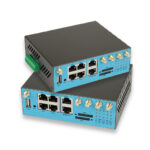
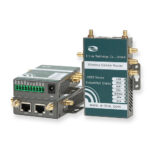
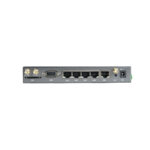
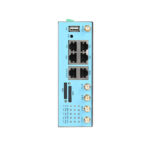
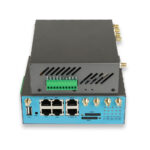
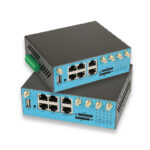
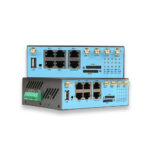
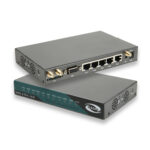
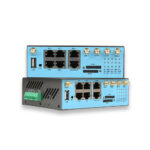
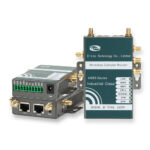
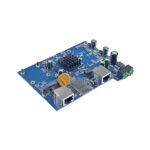
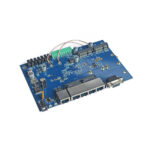
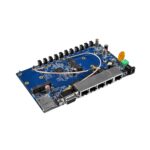
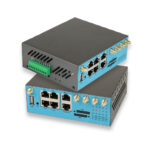
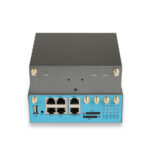
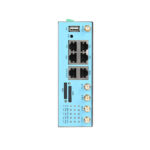
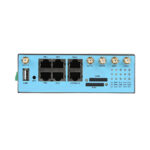
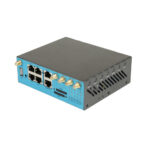
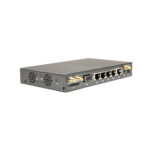
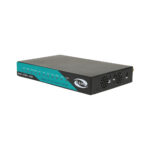
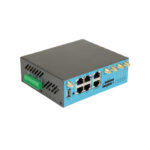
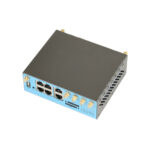




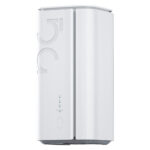

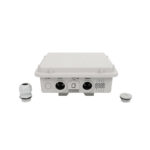
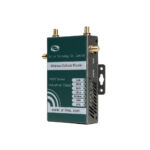
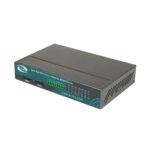
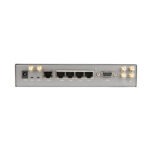
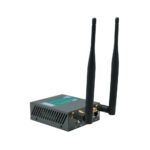
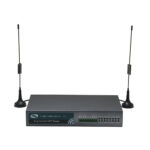
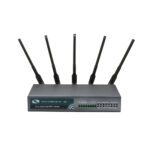
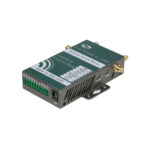
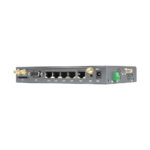
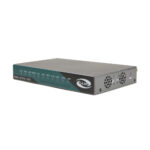
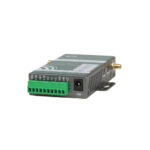
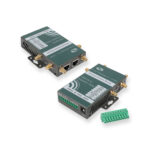
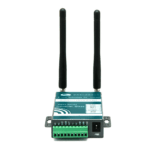
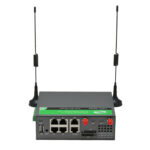
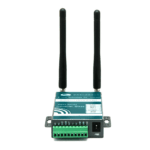
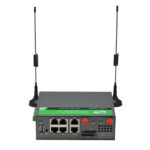
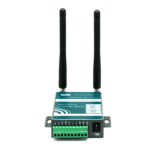
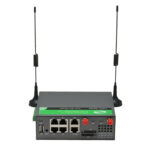
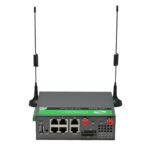

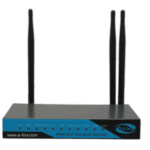
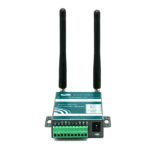
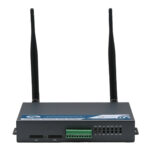
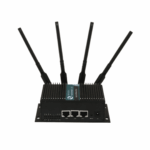
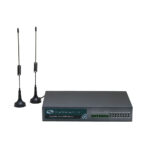

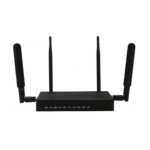
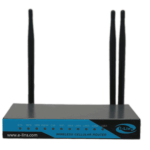
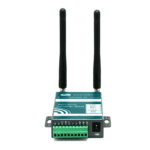
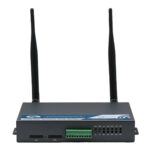
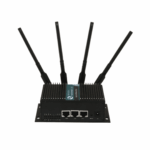
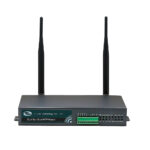

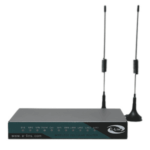
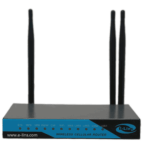
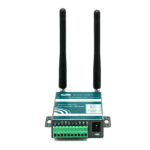
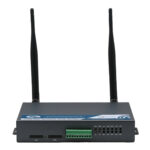
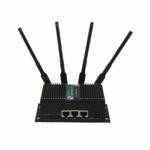
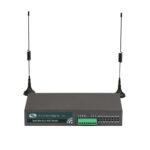
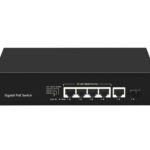
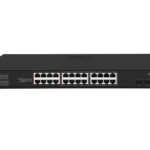
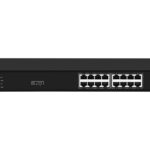
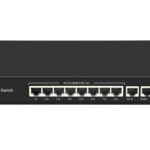
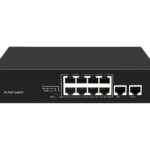
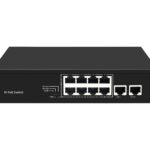
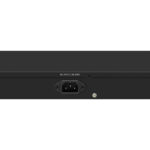
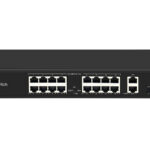
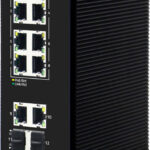
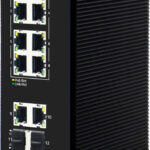
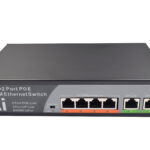
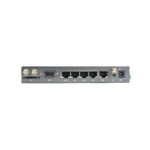
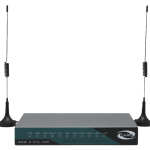
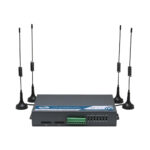
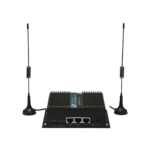
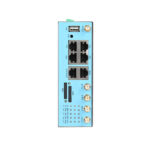
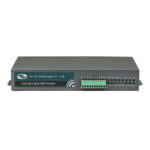
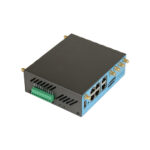
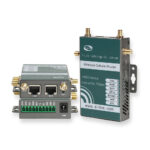
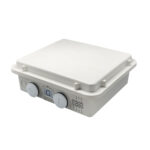
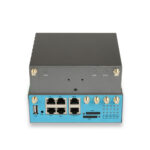
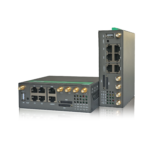
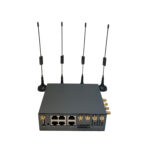
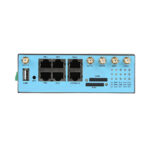
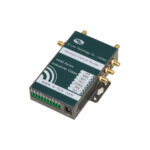
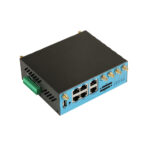
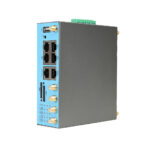
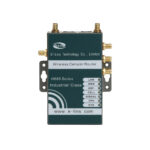


















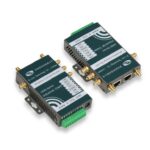

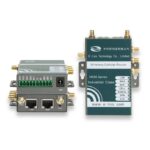

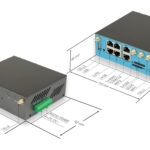





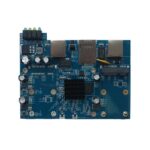







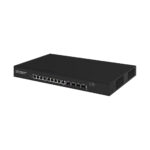
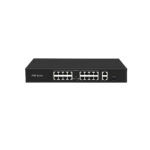

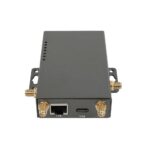






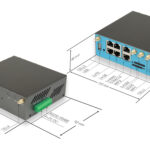
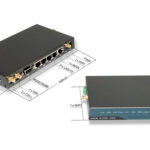
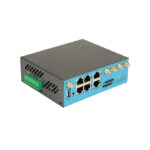
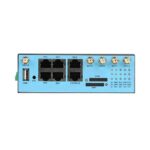
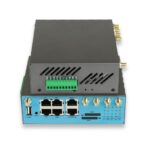














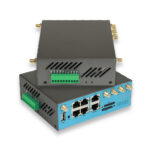



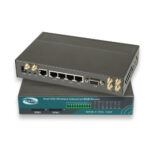

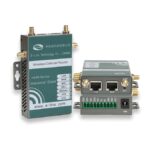














What is an Industrial PoE Switch?
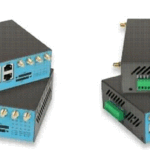
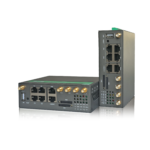
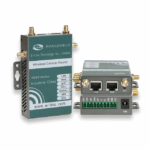
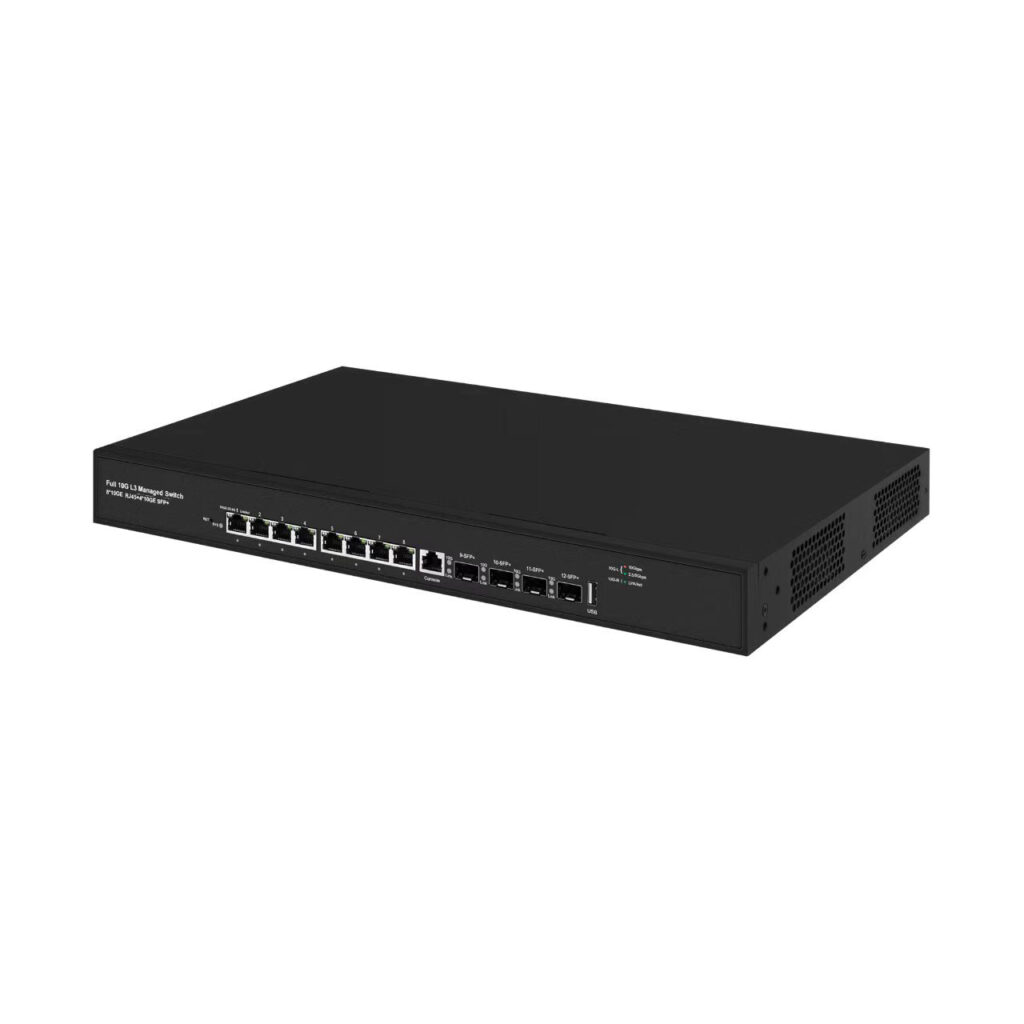
An industrial PoE Switch is a rugged, industrial-grade network device that combines the functions of a standard Ethernet switch with Power over Ethernet (PoE) technology. Unlike commercial or office-grade switches, it is designed to operate reliably in harsh industrial environments, while simultaneously transmitting data and supplying electrical power to connected devices over a single Ethernet cable.
1) Unmatched Benefits of Using Industrial PoE Switches in Industrial Environments
1. Simplified Cabling and Lower Installation Costs
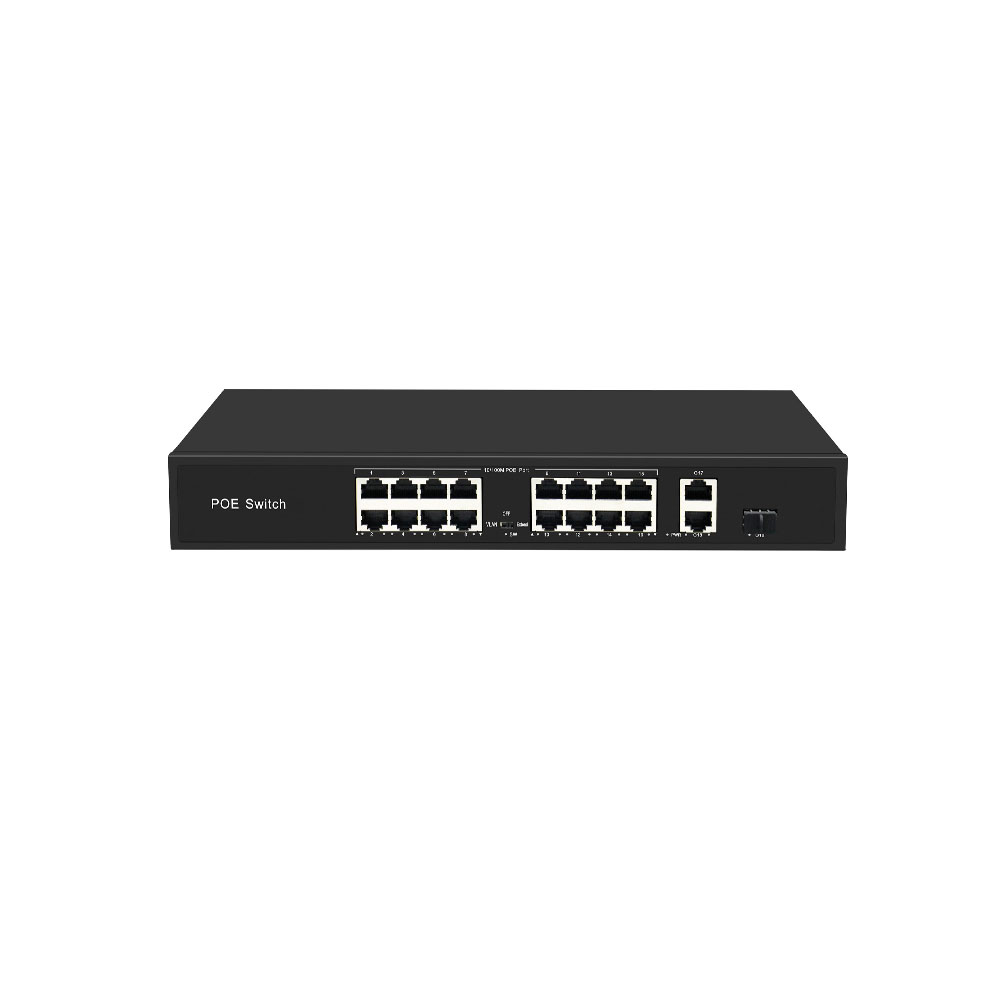
One of the biggest advantages of Industrial PoE Switches is their ability to transmit power and data over a single Ethernet cable. This eliminates the need for separate power wiring, electrical outlets, and extension cords near edge devices. In large industrial sites, this reduces cabling complexity, cuts material costs, and shortens installation time significantly. For remote locations without nearby power sources, PoE technology removes a major infrastructure barrier.
2. Enhanced Network Reliability and Uptime
Industrial PoE Switches are built for 24/7 operation with redundant power inputs, surge protection, and fault tolerance. They maintain network connectivity during power fluctuations or minor outages, a critical feature for mission-critical industrial operations where downtime results in financial losses. PoE Watchdog and auto-reboot features further ensure connected devices stay online without manual maintenance.
3. Flexible Scalability for Growing Industrial Networks
As industrial operations expand and more IIoT devices are added, Industrial PoE Switches offer seamless scalability. New devices can be connected quickly without additional power infrastructure. Managed switches support VLANs and network segmentation, making it easy to expand the network while maintaining security and performance.
4. Improved Safety and Reduced Fire Risks
By eliminating messy power cables and adapters, Industrial PoE Switches reduce tripping hazards and fire risks in industrial settings. PoE uses low-voltage power transmission, which is safer than high-voltage wiring, especially in wet or dusty environments where electrical hazards are common.
2) Step-by-Step Installation Guide for Industrial PoE Switches
1. Pre-Installation Planning and Site Assessment
Before installation, assess the environmental conditions (temperature, dust, moisture) and map device locations. Calculate total power consumption to select a switch with adequate PoE budget. Ensure the installation location allows proper heat dissipation, as industrial switches generate heat during continuous operation.
2. Mounting and Physical Setup
Industrial PoE Switches support DIN-rail mounting, wall mounting, or rack mounting, depending on the model. DIN-rail mounting is preferred in control cabinets for space efficiency. Secure the switch firmly to resist vibration, and connect redundant power supplies if available for backup power.
3. Cabling and Device Connection
Use high-quality Cat5e/Cat6 cables to connect edge devices to PoE ports. For long-distance links, use SFP fiber modules and fiber cables. Avoid cable bending beyond recommended limits to prevent signal loss. After connecting devices, verify PoE power delivery and data transmission via LED indicators on the switch.
4. Configuration for Managed Switches
For managed Industrial PoE Switches, access the web management interface to configure VLANs, QoS, port settings, and security features. Enable PoE scheduling if needed (for power-saving during off-hours) and set up SNMP monitoring for remote network management.
3) Maintenance and Troubleshooting Tips for Industrial PoE Switches
1. Routine Maintenance Practices
Regularly inspect the switch for dust accumulation and clean the enclosure to maintain heat dissipation. Check cable connections for looseness or damage, especially in high-vibration areas. Monitor power consumption and network traffic via the management interface to detect anomalies early. For outdoor units, inspect weatherproofing and replace damaged gaskets if necessary.
2. Common Issues and Troubleshooting Solutions
No PoE power to a device: Check if the device is PoE-compatible, verify the cable integrity, and ensure the port is enabled for PoE in the switch settings.
Network disconnection in extreme temperatures: Confirm the switch’s operating temperature range matches the environment; relocate or add cooling/heating if needed.
Slow data transmission: Check for cable damage, reduce network congestion via QoS, or upgrade to higher-bandwidth cables.
Switch overheating: Ensure proper ventilation, remove dust buildup, and avoid mounting near heat-generating machinery.
4) Future Trends of Industrial PoE Switches in the Era of Smart Industry
1. Integration with 5G and Edge Computing
As 5G and edge computing become mainstream in industrial settings, Industrial PoE Switches will play a key role in connecting edge devices to 5G gateways. They will support higher power outputs and faster data speeds to handle the increased traffic from AI-powered sensors and real-time analytics devices.
2. Enhanced Cybersecurity Features
With rising industrial cyber threats, future industrial PoE switches will include advanced security features such as port security, encryption, and intrusion detection to protect IIoT networks from unauthorized access and cyberattacks.
3. Energy-Efficient and Green Design
Upcoming models will focus on energy efficiency, with smart power management that reduces power consumption during low-demand periods. This aligns with global sustainability goals in industrial operations.
5) Frequently Asked Questions (FAQ)
1. Can Industrial PoE Switches be used in explosive or hazardous environments?
Some industrial switches are certified for ATEX/IECEx hazardous locations (e.g., oil refineries, chemical plants). Always check for relevant safety certifications before deployment in such areas.
2. What is the maximum transmission distance of an Industrial PoE Switch?
Standard copper Ethernet cables support up to 100 meters. For longer distances, fiber uplink ports (SFP) can transmit data up to 20km or more, depending on the fiber module used.
3. Can I mix PoE and non-PoE devices on the same Industrial PoE Switch?
Yes, all modern industrial PoE switches support auto-sensing. They deliver power only to PoE devices and transmit data only to non-PoE devices, ensuring safe coexistence.
4. Do Industrial PoE Switches support backup power?
Most industrial models come with dual DC power inputs or support UPS (Uninterruptible Power Supply) connections, ensuring continuous operation during main power failures.
5. Are Industrial PoE Switches compatible with non-industrial powered devices?
Yes, they are fully compatible with standard PoE devices such as office IP cameras, wireless APs, and IP phones, while offering better durability in harsh conditions.
6. How to protect Industrial PoE Switches from lightning and power surges?
Choose switches with built-in surge and lightning protection. For high-risk outdoor areas, add external surge protectors at cable entry points to safeguard the switch and connected devices.

Are you ready to deploy an Industrial PoE Switch? Take a quick view of E-Lins, a IoT expert providing many excellent Industrial PoE Switches.