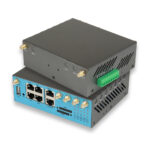
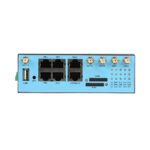
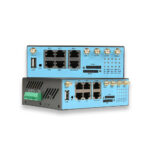
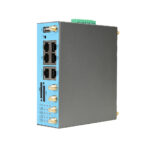
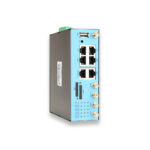
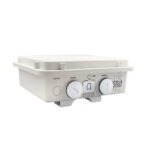
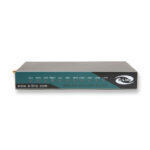
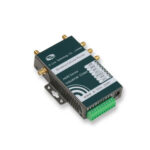
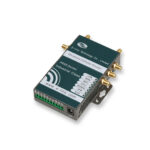
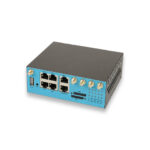
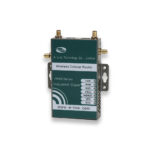
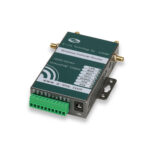
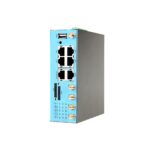

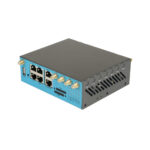
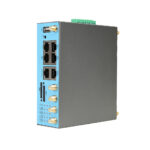
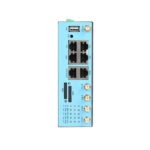
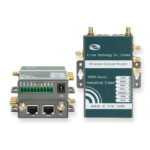
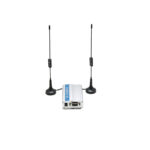
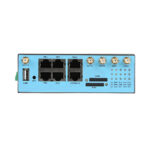
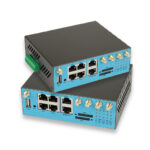
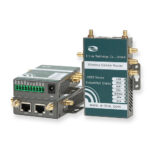
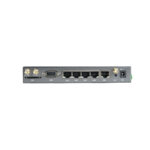
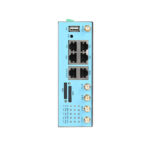
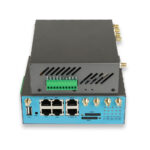
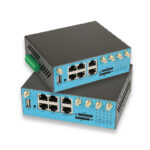
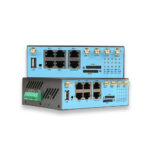
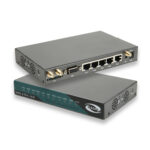
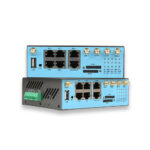
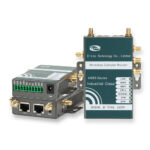
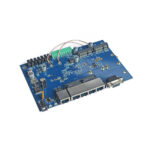
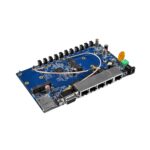
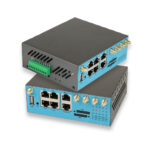
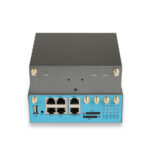
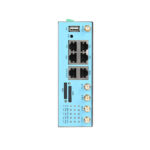
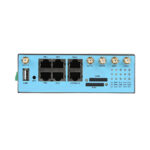
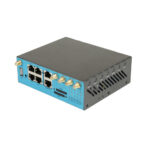
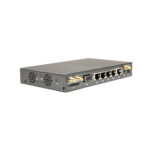
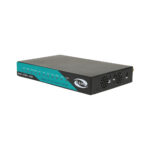
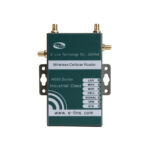
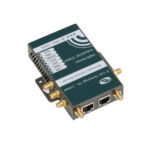
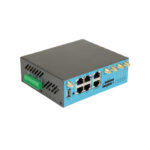
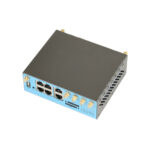
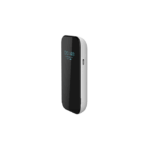
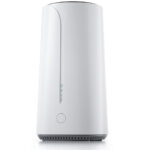
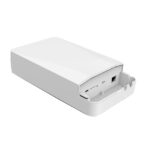
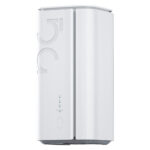

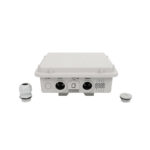
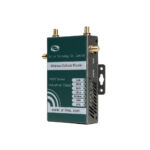
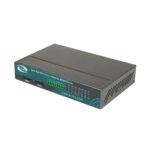
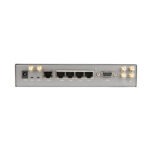
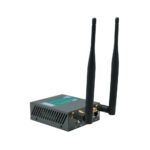
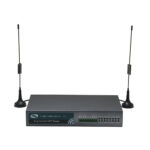
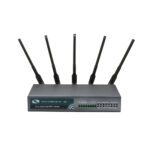
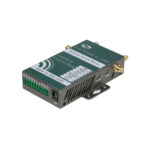
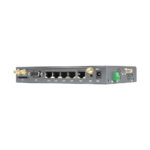
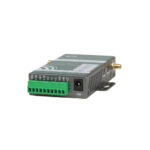
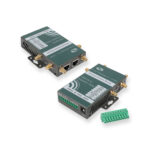
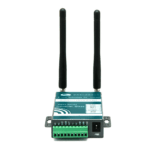
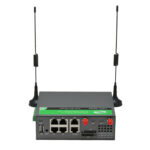
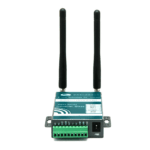
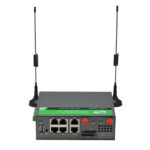
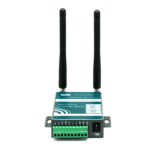

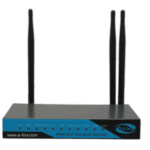
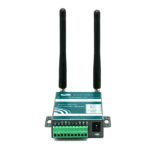
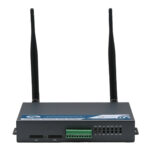
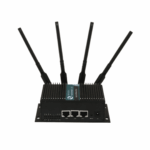
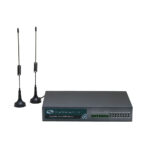

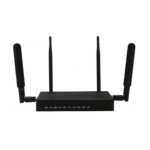
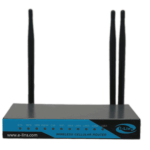
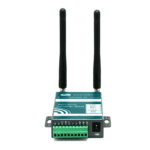
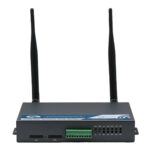
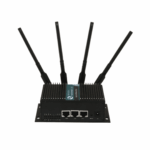
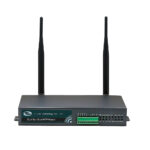

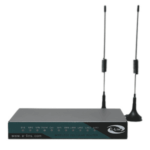
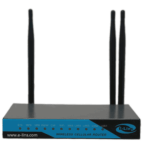
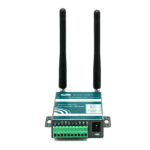
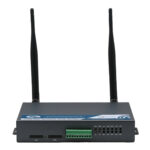
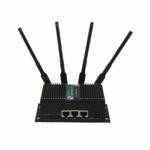
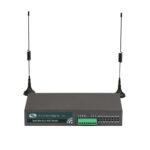
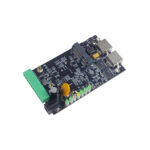
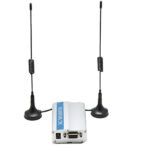
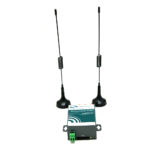
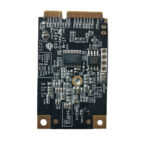
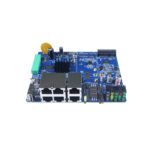
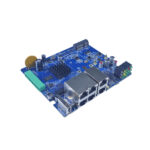
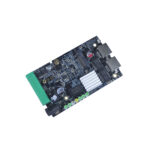
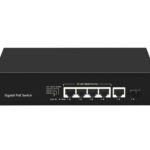
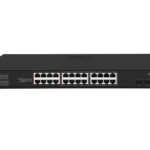
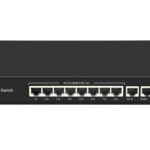
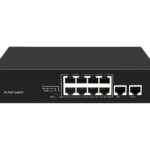
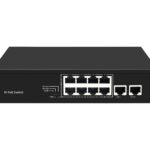
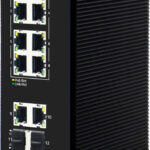
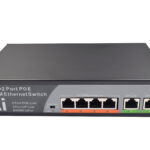
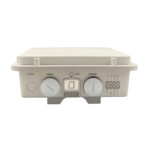
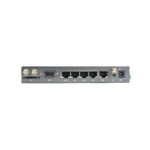
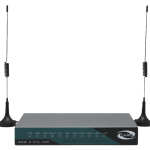
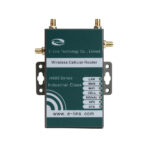
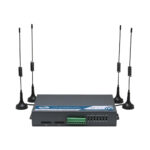
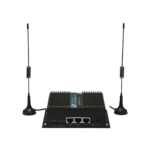
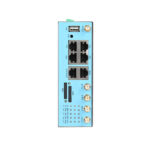
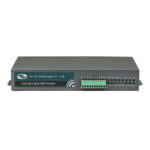
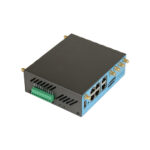
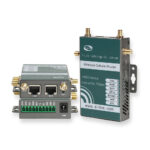
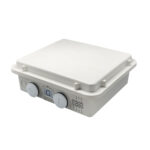
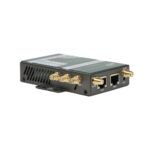
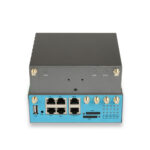
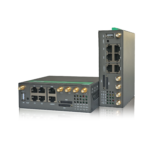
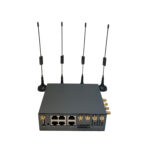
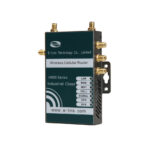
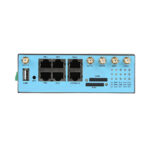
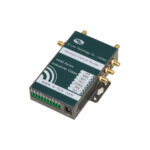
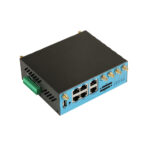
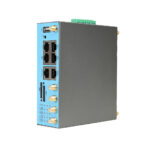
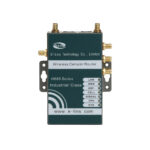
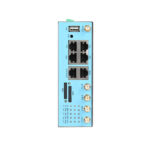




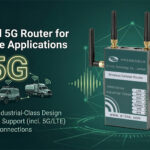
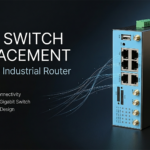

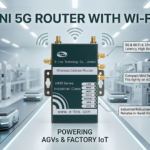

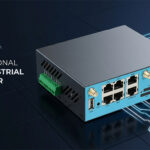


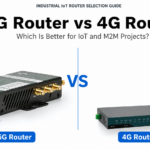
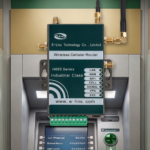
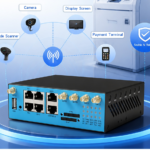
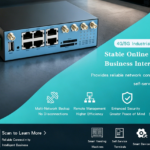
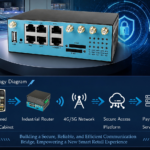

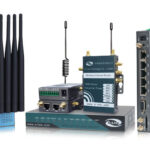
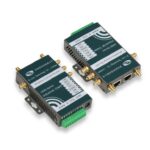
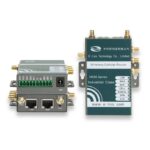

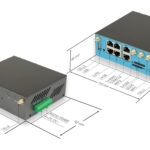




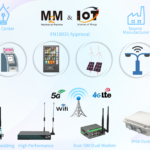

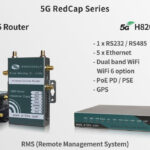
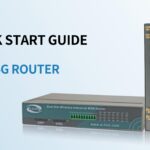
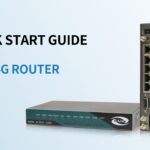
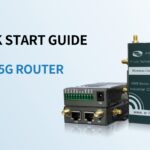
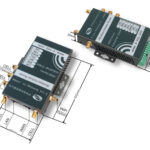



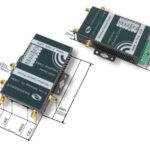
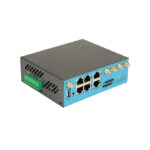
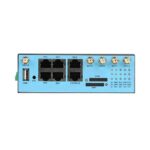
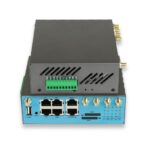

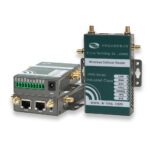


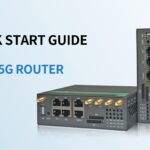
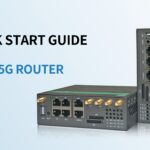
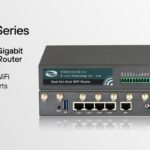




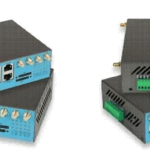


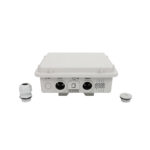
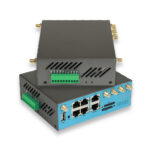





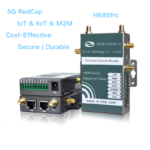



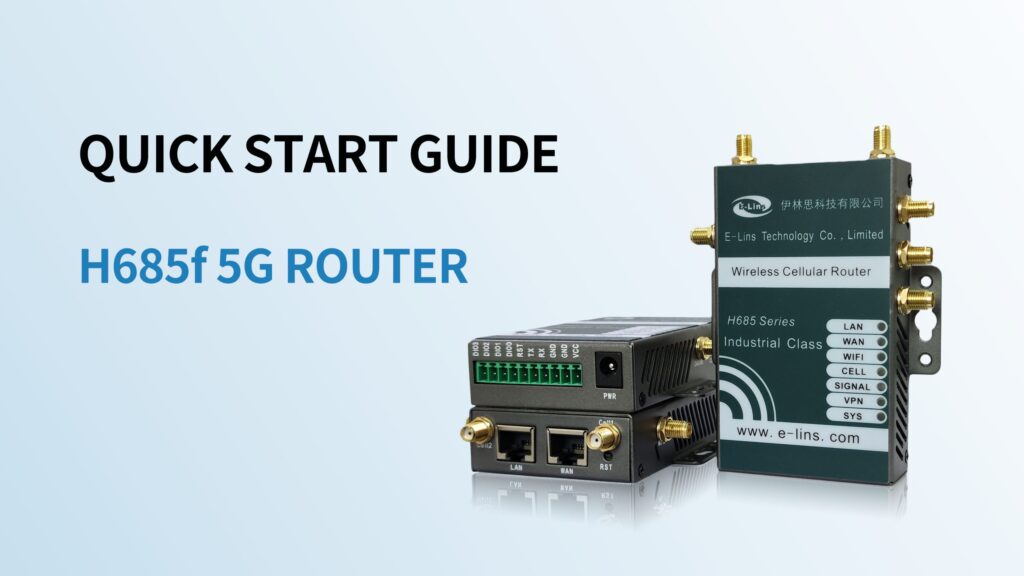
What is 5G PoE Router?
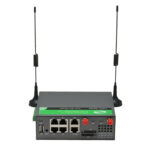
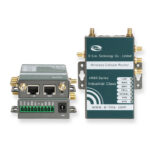
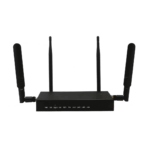
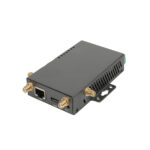
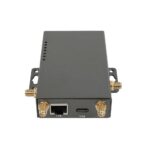
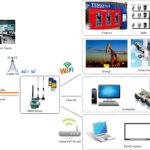
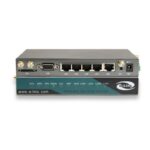
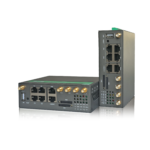
A 5G PoE router is a device that combines three functions into one:
5G Modem – Connects to the internet using a 5G cellular network (like your phone does), so you don’t need cable or fiber.
Router – Shares that internet connection with multiple devices (computers, cameras, etc.).
PoE (Power over Ethernet) – Sends electricity through the same Ethernet cables that carry data. This means devices connected to the router can be powered without a separate power outlet.

As Industry 4.0 accelerates, the reliance on stable, high-bandwidth, and low-latency connectivity has never been greater. The convergence of 5G wireless technology and Power over Ethernet (PoE) is not merely a convenience; it is an architectural necessity for mission-critical infrastructure. This post dives deep into the technical aspects of deploying 5G PoE routers in environments where downtime is not an option—from automated manufacturing to telemedicine and smart grids.
1) The Evolution from LTE to 5G in Edge Networking
For the last decade, LTE routers with PoE capabilities served the industrial sector. However, the advent of 5G introduces three distinct advantages that fundamentally alter what is possible at the edge.
1. Ultra-Reliable Low Latency Communication (URLLC)
In mission-critical scenarios—such as remote surgery or automated guided vehicles (AGVs) in factories—latency must be under 10 milliseconds. 5G PoE routers equipped with URLLC capabilities can facilitate real-time control of machinery without the latency jitter associated with LTE or Wi-Fi. The PoE aspect ensures that the sensors and actuators connected to the router receive consistent power, eliminating the risk of a device shutting down due to a loose power cord.
2. Network Slicing
One of the most significant features of standalone 5G is network slicing. A 5G PoE router can be configured to connect to a specific “slice” of the cellular network reserved for high-priority traffic. For example, a utility company can ensure that their grid monitoring data travels on a slice separate from public consumer traffic, guaranteeing bandwidth and security even during network congestion.
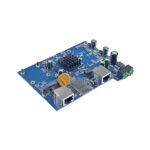
2) Hardware Architecture: What’s Inside a Ruggedized 5G PoE Router?
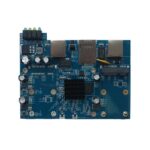
To withstand the rigors of industrial and outdoor use, the hardware design of these routers differs substantially from consumer-grade equipment.
1. Component Durability and Redundancy
High-end 5G PoE routers utilize industrial-grade components (rated for -40°C to 85°C) with conformal coating on the circuit boards to protect against humidity, dust, and corrosion. Redundancy is also key:
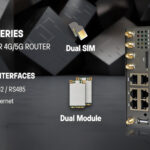
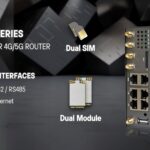
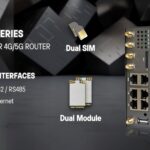
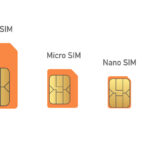
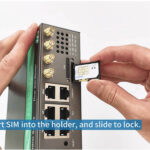
- Dual SIM Slots: Allows for carrier redundancy. If SIM A (Verizon) loses signal, the router automatically switches to SIM B (AT&T) without rebooting.
- Dual Power Inputs: Many models allow for simultaneous PoE input and a DC terminal block input. If the PoE source fails, it seamlessly switches to the DC power source without interrupting the network.
2. Port Configurations and Fiber Integration
Modern 5G PoE routers often feature SFP (Small Form-factor Pluggable) ports alongside PoE ports. This allows the router to serve as a media converter, connecting a fiber optic backbone to the 5G network for redundancy, or using the SFP port to extend the network over long distances to another switch.
3) Advanced Configuration: VLANs, QoS, and SD-WAN
Deploying a 5G PoE router in a complex environment requires more than just plugging it in. Advanced network segmentation ensures security and performance.
1. VLAN Segmentation for Mixed Environments
Imagine a remote mining site. The same 5G PoE router might be powering:
- IP Cameras (VLAN 10): Security footage requiring high bandwidth.
- VoIP Phones (VLAN 20): Voice traffic requiring low latency.
- IoT Sensors (VLAN 30): Low-bandwidth, high-priority critical data.
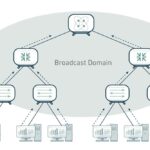
Using Virtual LANs (VLANs), the network administrator can isolate these traffic types, ensuring that a broadcast storm from the IP cameras does not disrupt the VoIP calls. The PoE functionality ensures each device is powered according to its VLAN priority.
2. Quality of Service (QoS) on Cellular Backhaul
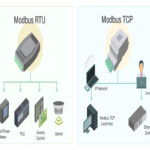
Unlike wired connections where bandwidth is predictable, cellular bandwidth fluctuates. Sophisticated 5G PoE routers allow for advanced QoS rules that prioritize packets based on application. For instance, Modbus TCP (industrial control) packets can be prioritized over web browsing traffic to ensure that a robotic arm does not stall due to network congestion.
3. SD-WAN for Resilience
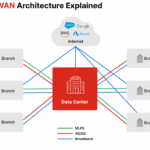
Software-Defined Wide Area Networking (SD-WAN) allows the 5G PoE router to intelligently route traffic across multiple links. The router can use 5G as the primary link and a backup 4G LTE or Starlink connection as a secondary link. SD-WAN can also perform packet duplication—sending critical packets over both links simultaneously to ensure delivery if one link experiences packet loss.
4) Power Budgeting and Thermal Management
One of the most overlooked aspects of deploying PoE devices is thermal management, especially when high-power 5G modems are inside the same enclosure.
1. Calculating Total Power Consumption
When deploying, calculate the total power draw:
- Router Base Power: ~15-20W (for 5G modem and CPU).
- PoE Budget: If the router has 4 ports at 30W (PoE+), the maximum potential output is 120W.
If the total potential draw is 140W, the router needs an external power supply (or high-power PoE++ input) that can sustain that. Engineers must ensure the upstream circuit breaker and cabling (Cat6a or Cat7) can handle the amperage over long distances.
2. Passive vs. Active Cooling
Industrial 5G PoE routers often utilize fanless designs with large heatsinks to avoid mechanical failure (fans are a common failure point in dusty environments). However, if the router is placed in a direct sunlight outdoor enclosure, forced air cooling or a solar radiation shield is necessary to prevent thermal throttling, which can reduce 5G speeds.
5) Security Considerations for 5G Edge Networks
With the edge of the network moving closer to unsecured physical locations (street cabinets, construction sites), security must be hardware-deep.
1. Secure Boot and TPM
Enterprise 5G PoE routers should feature Secure Boot, which ensures the router only loads firmware signed by the manufacturer, preventing the installation of malware. A Trusted Platform Module (TPM) can securely store encryption keys for VPN tunnels and certificates for 5G SIM authentication.
2. MAC Address Filtering and Port Security
Since the router is often accessible physically (in a cabinet), strict port security is required. Administrators should enable port security features that shut down a PoE port if an unauthorized device is plugged in, preventing rogue access points or malicious laptops from accessing the network.
6) Frequently Asked Questions (FAQ)
1. Can I use a 5G PoE router outdoors without an additional enclosure?
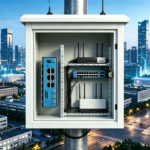
It depends on the IP rating. If the router has an IP67 or IP68 rating, it is hermetically sealed against dust and water, allowing direct outdoor mounting. Most commercial-grade 5G PoE routers are IP30 (indoor use only) and require a NEMA-rated outdoor enclosure to protect against rain and direct sunlight.
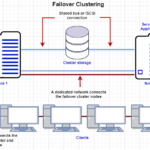
2. How does a 5G PoE router handle failover if the PoE power source fails?
High-availability models feature dual power inputs. If the primary power source (e.g., a PoE switch providing power to the router) fails, the router can immediately draw power from a secondary source, such as a DC terminal block connected to a battery backup. This is crucial for security and surveillance systems that must remain operational during power outages.
3. What is the maximum number of devices I can connect to a single 5G PoE router?
Technically, the number is limited by the router’s DHCP scope (usually 254 IP addresses) and the switch capacity. However, the real limit is the PoE power budget and the 5G backhaul bandwidth. For example, a router with a 60W total PoE budget can power four 15W cameras, but adding a fifth would require an external PoE injector or a separate switch.
4. Do I need a special SIM card for a 5G PoE router?
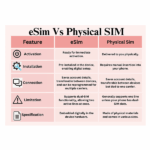
Yes. 5G requires a SIM card that is provisioned for 5G access on your carrier’s network. While a 4G SIM will work, it will only connect to LTE networks. For full 5G speeds (especially mmWave), you typically need a “5G data plan” SIM with the appropriate APN settings provided by the carrier. Many industrial deployments use private APNs for added security.
5. Can a 5G PoE router be used as a backup for a fiber network?
Absolutely. This is one of the primary enterprise use cases. The router can be configured in failover mode. The WAN port is connected to the fiber modem. The router monitors the fiber connection via ping or DNS checks. If the fiber connection goes down, the router automatically shifts all traffic to the 5G cellular interface and powers the internal switch, ensuring the office or factory remains online with zero manual intervention.

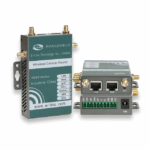
Are you source a 5G PoE Router? E-Lins will be an excellent choice for you. Founded since 1999, specialized on manufacturing 5G PoE Routers.