



































Running a single MQTT broker on a Raspberry Pi is fine for a home automation project. But what happens when you need to support 10 million connected devices, process 100,000 messages per second, and maintain 99.99% uptime across continents? You hit the limits of a single broker. Scaling MQTT to industrial or global levels requires a shift in architecture, moving from a single point to a clustered broker system.
Why Cluster? The Single Broker Bottleneck
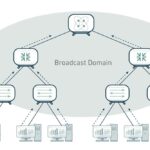
A single broker is a single point of failure (SPOF) and has finite limits on concurrent connections, CPU, and memory. Scaling vertically (a bigger server) hits a wall. The solution is horizontal scaling: linking multiple broker nodes into a unified cluster that acts as one logical broker to clients.
How Clustering Works: The Magic Behind the Curtain
In a cluster, brokers connect to each other and share client state and message routing information. The key challenge is state synchronization. How does a message published to Node A in London reach a subscriber connected to Node B in Tokyo? Modern brokers use different strategies:
- Shared Subscription State: The cluster maintains a shared map of which client is subscribed to which topic.
- Message Routing: When Node A receives a publish for topic T, it knows (via the shared state) that a subscriber exists on Node B. It forwards the message internally across the cluster bridge.
- Data Plane vs. Control Plane: Advanced clusters separate the data path (message flow) from the control path (subscription management), optimizing each for performance.
Key Clustering Patterns:
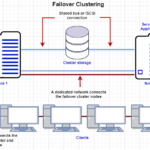
- High-Availability (HA) Pair: Two brokers in active-passive mode with shared storage (e.g., via DRBD). Simple, provides failover but not true horizontal scale.
- Multi-Node Cluster: (e.g., HiveMQ, EMQX, VerneMQ): Multiple active brokers sharing state via proprietary or consensus protocols (like Raft). Provides both load distribution and fault tolerance.
- Federation & Bridging: For geographically distributed systems, you might run independent clusters in each region and bridge specific topics between them, avoiding the latency of a single global cluster.
Best Practices for Scalable MQTT Architecture:
Design Stateless Clients: Ensure clients can reconnect to any broker node without session-dependent logic on a specific node.
- Leverage Clean Session: Use Clean Session = true for ephemeral data (sensors) to avoid the overhead of persisting millions of offline sessions. Use false for critical command-and-control clients.
- Mind Your Topics: A well-structured, hierarchical topic tree (e.g., region/plant/line/device/parameter) is crucial for efficient filtering and security.
- Implement Security from Day One: Use TLS/SSL for transport encryption and robust authentication (client certificates, OAuth). A scaled system is a big target.
- Monitor Everything: Track connection counts, message rates, system resources, and queue depths per node. Use the broker’s metrics and integrate with tools like Prometheus and Grafana.
Scaling MQTT is not an afterthought; it’s a core architectural concern. By understanding clustering concepts and adopting these best practices early, you can build an IoT messaging backbone that grows gracefully from prototype to planet-scale, ensuring reliability and performance for every connected device.

Poplular FAQ For MQTT
1)What is MQTT?
MQTT is a lightweight, publish-subscribe network protocol designed for constrained devices and low-bandwidth, high-latency, or unreliable networks. It is ideal for Internet of Things (IoT) and Machine-to-Machine (M2M) communication.
2)How does the MQTT publish/subscribe model work?
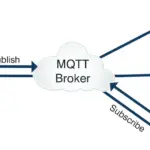
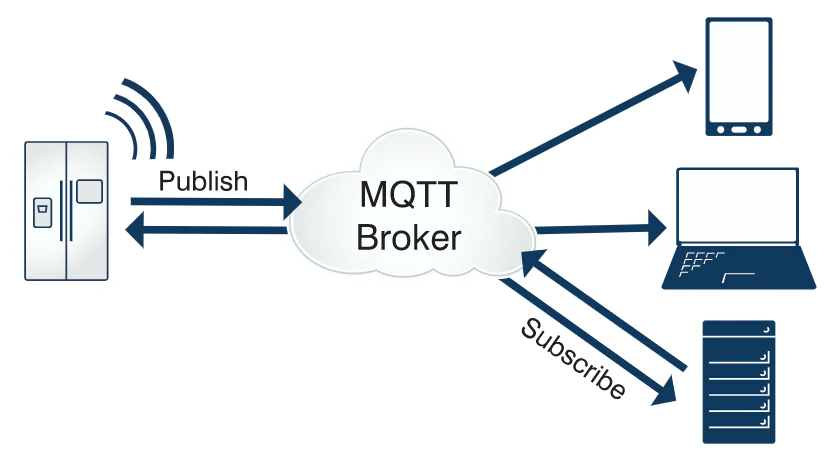
Instead of communicating directly with a device, clients (publishers or subscribers) connect to a central broker. Publishers send messages to specific topics, and subscribers receive messages from topics they are interested in. The broker handles all message routing.
3)What is an MQTT Broker?
The broker is the server that receives all messages from publishers, filters them, determines which subscribed clients are interested, and then forwards the messages to those subscribers. Examples include Mosquitto, HiveMQ, and EMQX.
4)What are MQTT Topics?
Topics are UTF-8 strings that act as addresses for message routing. They are structured hierarchically with forward slashes (/) as separators (e.g., home/livingroom/temperature). Subscribers can use wildcards (+ for a single level, # for multiple levels) to subscribe to multiple topics.
5)What are MQTT QoS Levels and why are they important?
Quality of Service (QoS) defines the guarantee of delivery for a message. There are three levels:
QoS 0 (At most once): Fastest, no guarantee (“fire and forget”).
QoS 1 (At least once): Guarantees delivery, but duplicates may occur (acknowledged delivery).
QoS 2 (Exactly once): Highest assurance, guarantees delivery exactly once (most overhead).
6)What is the “Last Will and Testament (LWT)” feature?
LWT is a message configured by a client during connection. If the client disconnects ungracefully (e.g., due to network failure), the broker will automatically publish this predefined message to a specified topic, alerting other clients of the abnormal disconnection.
7)What is MQTT-SN (MQTT for Sensor Networks)?
MQTT-SN is a variation of the protocol designed specifically for wireless sensor networks (WSN) with non-TCP/IP communication links (e.g., ZigBee). It addresses constraints like shorter message lengths and uses a gateway to bridge to a standard MQTT broker.
8)Is MQTT secure?
The core MQTT protocol itself does not provide encryption or strong authentication. Security is achieved by:
Running MQTT over TLS/SSL (often called MQTTS) to encrypt the connection.
Using client IDs, usernames, and passwords for authentication.
Implementing authorization at the broker level to control client access to topics.
9)What is the difference between MQTT and HTTP for IoT?
MQTT is event-driven, uses a persistent connection (reducing overhead), and allows efficient many-to-many communication via the broker. HTTP is request-response based, requires a new connection for each request, and is better suited for client-server web interactions. MQTT is generally more efficient for frequent small messages from many devices.
10)What are some common use cases for MQTT?
MQTT is used in scenarios requiring efficient, real-time data exchange with many remote devices. Common examples include:
Smart home automation and sensor data.
Industrial telemetry and SCADA systems.
Asset tracking and logistics.
Connected vehicles and fleet management.
Mobile push notifications and chat applications.
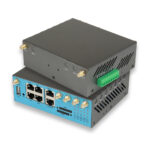
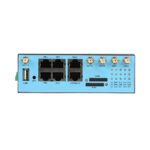
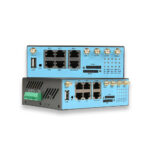
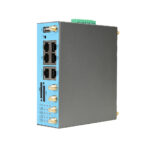
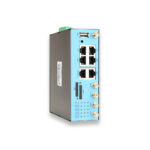
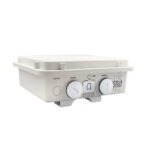
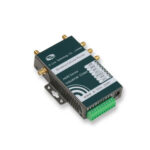
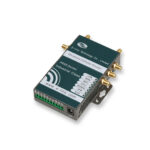
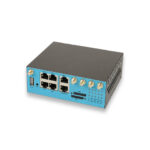
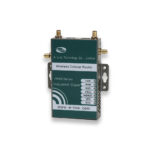
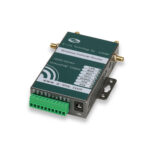
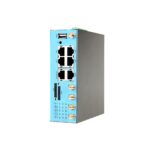
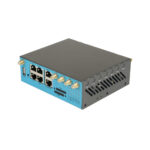
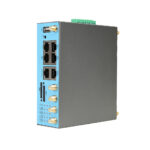
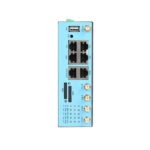
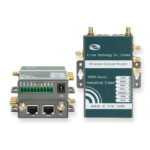
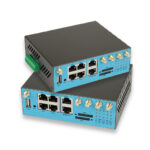
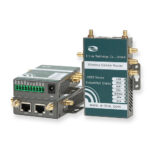
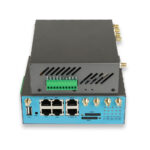
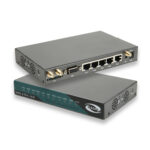
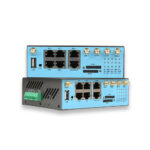
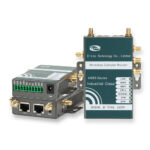
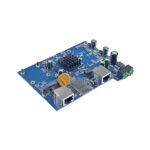
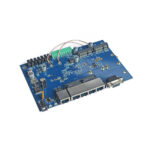
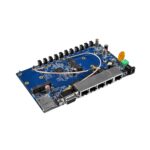
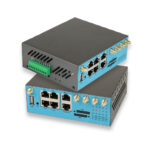
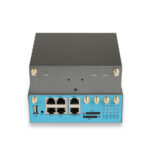
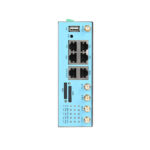
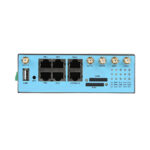
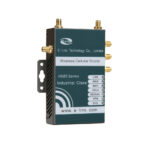
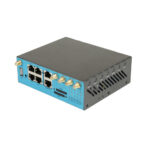
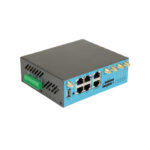
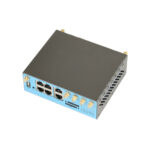
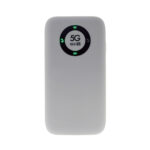
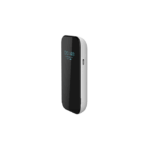
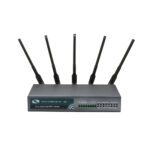
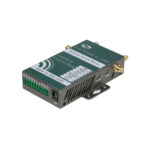
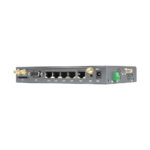
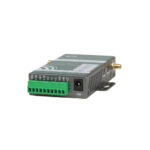
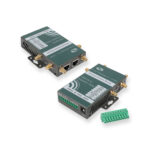
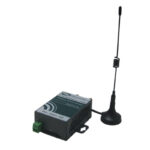
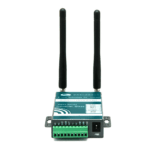
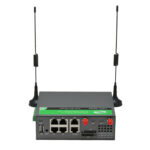
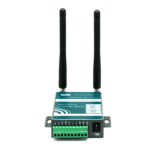
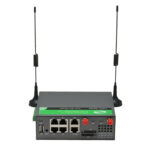
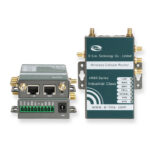
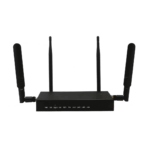
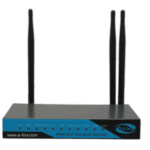
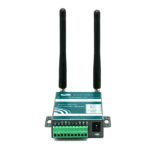
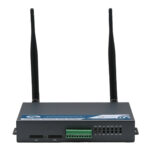
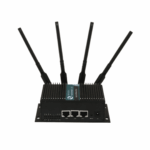
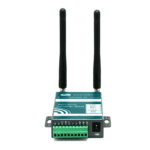
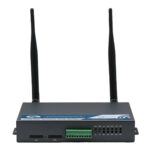
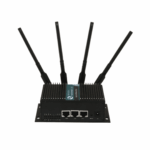
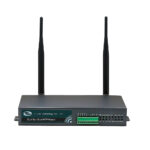
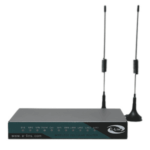
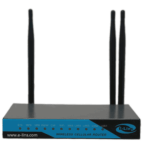
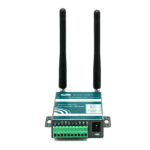
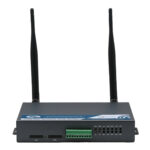
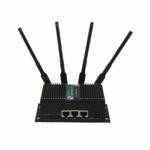
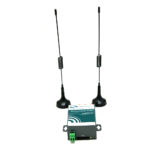
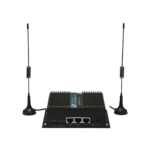
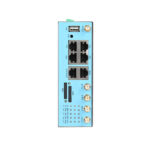
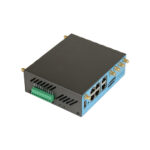
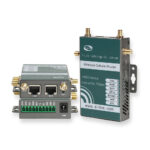
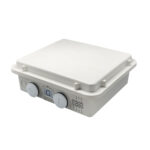
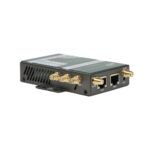
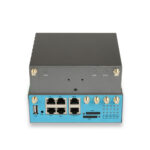
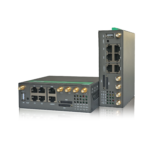
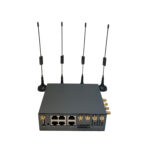
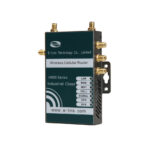
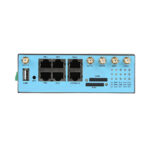
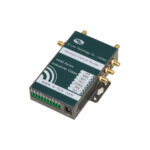
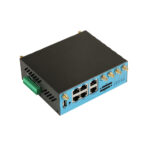
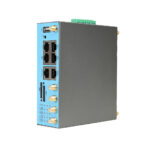
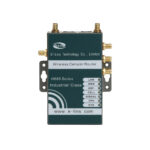
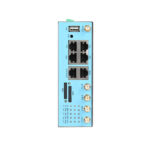
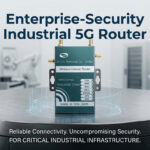
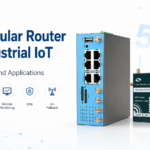
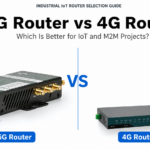
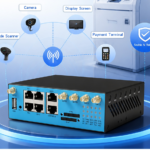
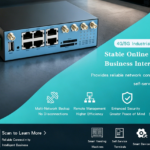
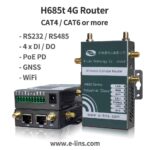
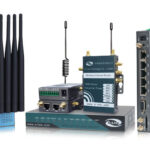
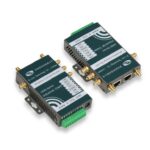
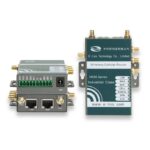
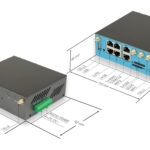
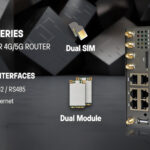
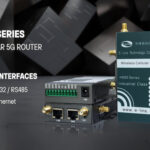
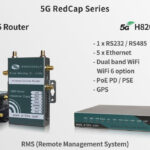
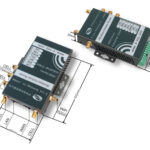
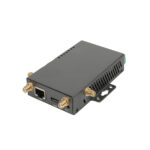
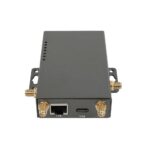
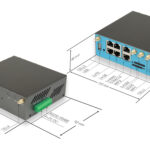
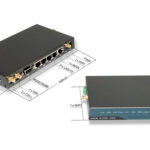
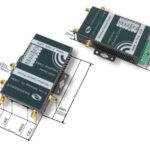
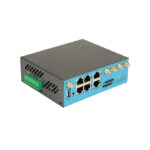
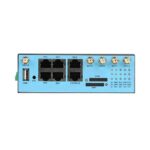
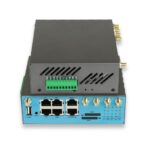
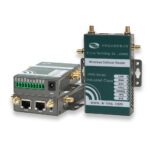
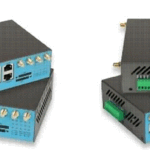
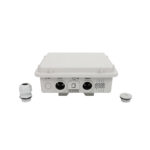
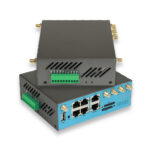
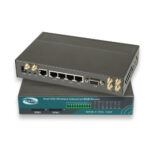
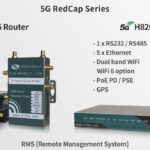
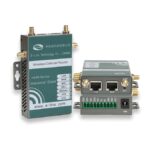
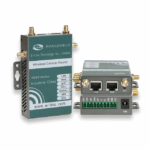
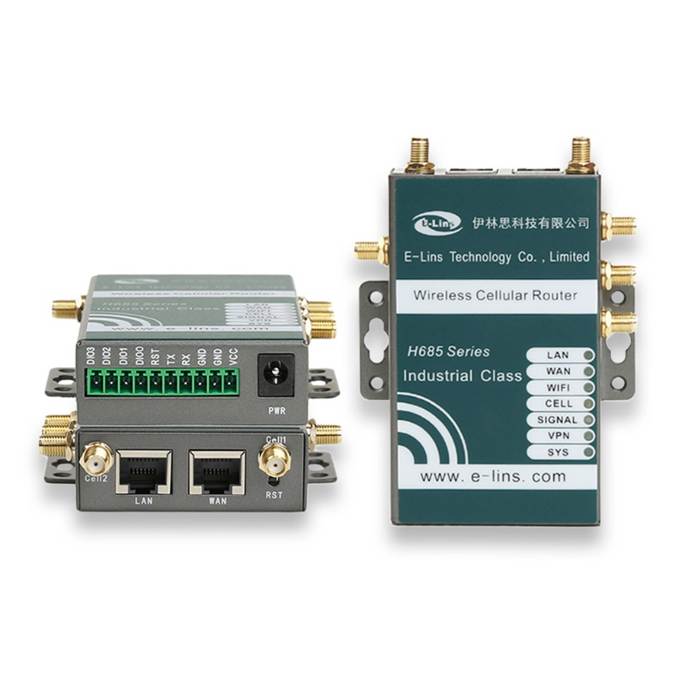
Where to find a IoT Router with MQTT? I suggest you consider E-Lins, a professional 4G Router & 5G Router Manufacturer, providing 4G Router and 5G Router.