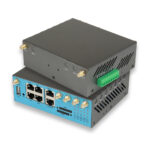
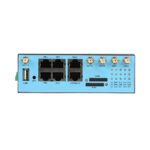
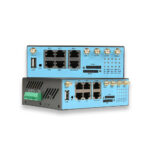
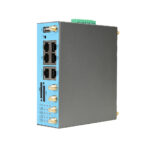
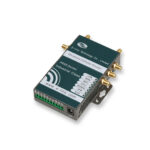
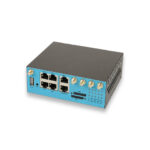
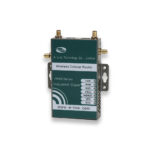
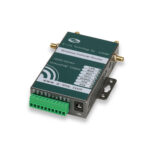
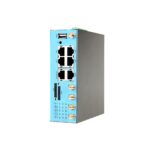

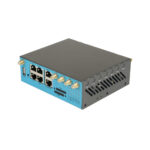
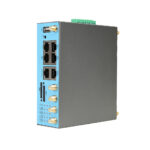
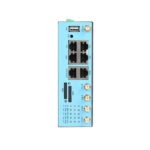
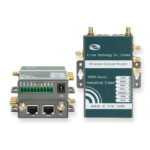
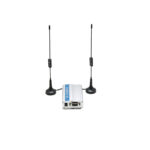
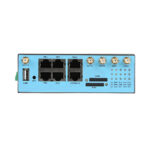
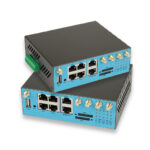
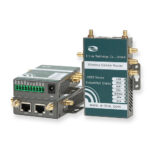
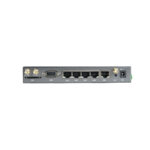
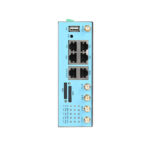
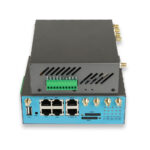
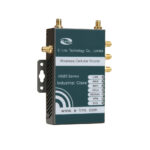
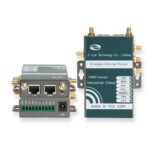
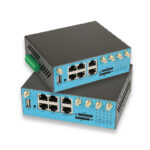
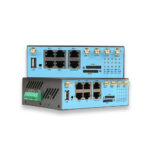
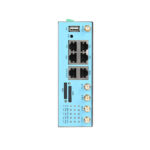
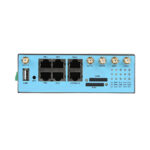
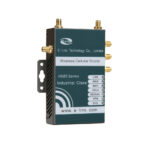
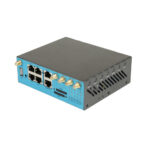
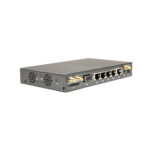
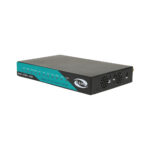
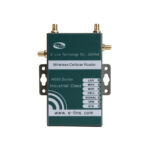
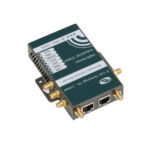
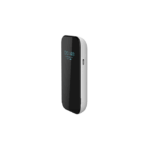
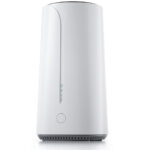

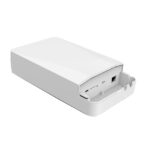
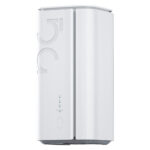
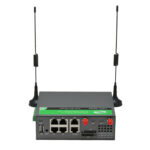
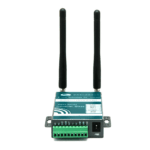
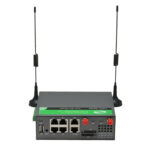
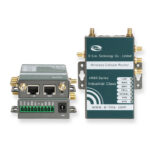
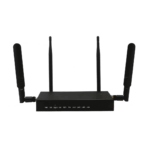
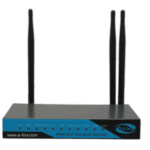
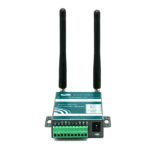
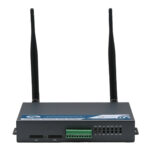
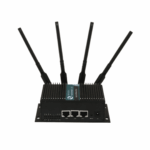
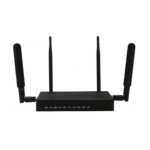
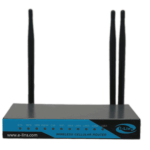
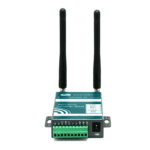
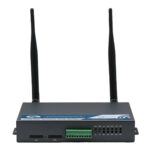
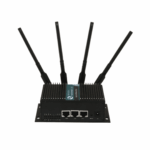
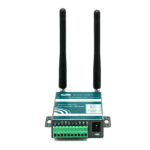
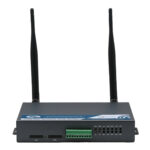
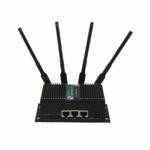
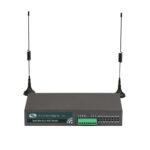
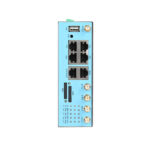
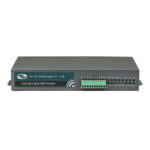
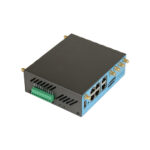
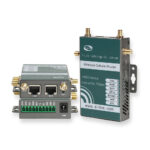
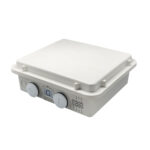
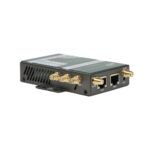
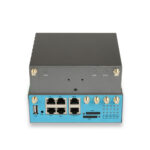
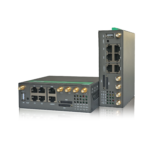
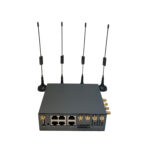
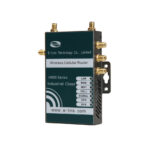
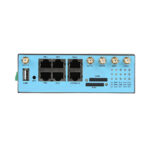
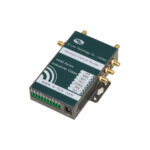
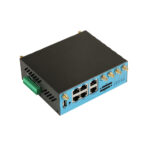
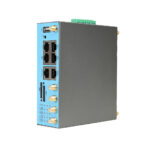
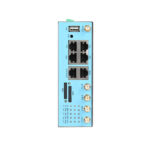














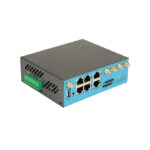
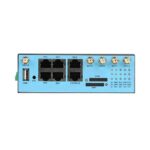
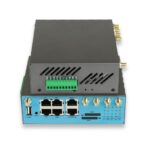

















Introduction to Advanced 4G Cellular Routers
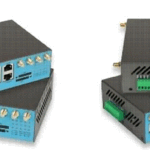
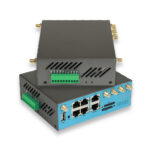
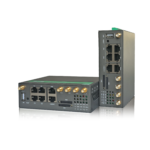
In the era of smart devices and connected ecosystems, the need for reliable and versatile internet solutions is greater than ever. 4G cellular router has evolved beyond basic internet access, now serving as essential tools for businesses, smart homes, and IoT applications. These advanced routers provide robust connectivity, intelligent network management, and support for multiple devices simultaneously.

While standard 4G routers are sufficient for basic tasks like browsing and streaming, modern applications demand higher performance, enhanced security, and seamless integration with other connected devices. In this guide, we will explore the capabilities, applications, and future potential of advanced 4G cellular routers.
1)Key Features of Modern 4G Cellular Routers
1. Dual SIM Support for Redundancy
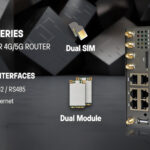
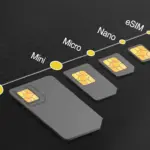
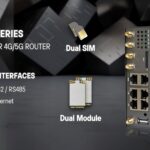
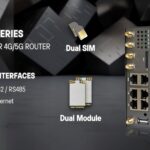
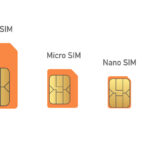
Advanced 4G routers often come with dual SIM slots, allowing users to connect to two mobile networks simultaneously. This provides redundancy, ensuring uninterrupted connectivity even if one network experiences issues.
2. High-Speed LTE Advanced
These routers support LTE Advanced or Cat 6/7 technology, offering faster download and upload speeds, reduced latency, and improved reliability. High-speed 4G connectivity is essential for video conferencing, cloud computing, and real-time monitoring.
3. Built-in VPN and Security Options
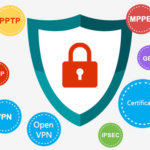
Security is critical for businesses and remote networks. Modern 4G routers include VPN support, firewalls, and secure Wi-Fi protocols (WPA3), protecting sensitive data from cyber threats.
4. Multi-Device Connectivity
Advanced routers are capable of handling numerous devices simultaneously without compromising speed or stability. This is particularly useful in offices, factories, and smart homes.
5. IoT Integration
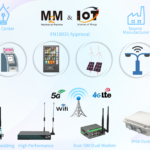
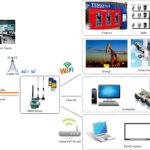
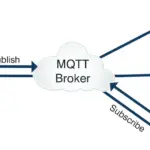
Many 4G routers now support Internet of Things (IoT) protocols, allowing seamless connectivity for smart sensors, cameras, and other devices. This transforms the router from a simple internet access point into a central hub for smart environments.
2) Practical Applications of Advanced 4G Cellular Routers
1. Smart Homes and Offices
A 4G router can act as the backbone of a smart home or office network, connecting lighting, thermostats, security systems, and entertainment devices. Advanced routers offer remote management apps, enabling users to control devices from anywhere.
2. Industrial IoT
Factories and warehouses benefit from 4G routers for IoT device monitoring, predictive maintenance, and automated systems. With reliable cellular connectivity, businesses can optimize operations and reduce downtime.
3. Remote Monitoring and Surveillance
Advanced 4G routers support high-definition IP cameras for security surveillance in remote locations. Real-time video streaming and remote alerts ensure safety even in areas without traditional broadband.
4. Fleet Management and Vehicles
Transport companies use 4G routers for GPS tracking, vehicle diagnostics, and passenger Wi-Fi. Dual SIM routers ensure uninterrupted connectivity on long journeys across regions with varying network coverage.
3) Advantages Over Traditional Broadband
1. Rapid Deployment
Unlike fiber or cable internet, 4G routers require minimal setup. This is crucial for temporary offices, pop-up events, or construction sites.
2. Network Flexibility
Advanced 4G routers can switch between networks automatically to maintain stable connectivity. This is especially useful in mobile or multi-location operations.
3. Cost Efficiency
Deploying 4G routers can be more cost-effective than laying fiber in remote areas. With proper data plans, businesses can achieve reliable connectivity without significant infrastructure investment.
4. Scalability
Organizations can scale their network by simply adding more routers or connecting additional IoT devices without overhauling existing infrastructure.
4) Future Trends in 4G Cellular Router Technology
1. Transition to 5G
While 4G remains widely used, the industry is gradually moving toward 5G routers. Advanced 4G routers often come with firmware that can be upgraded or dual-mode support for early 5G adoption.
2. Edge Computing Integration
Future 4G routers may include edge computing capabilities, processing data locally to reduce latency and bandwidth usage. This is particularly valuable for IoT applications and AI-powered systems.
3. Enhanced AI Network Management
AI-powered routers will automatically optimize bandwidth, prioritize critical applications, and detect security threats in real time, ensuring more efficient and secure networks.
4. Green and Energy-Efficient Designs
Manufacturers are developing routers with low power consumption, solar charging options, and eco-friendly materials, addressing environmental concerns while maintaining performance.
5) How to Choose an Advanced 4G Router
1. Network Compatibility
Ensure the router supports multiple LTE bands and works with your preferred network providers.
2. Data Speed and Throughput
Select routers with high download/upload speeds and low latency to support demanding applications like video conferencing and cloud services.
3. Device Capacity
Evaluate the number of devices you plan to connect and choose a router capable of handling them efficiently.
4. Security and Management Features
Look for routers with VPN support, firewalls, and remote management apps for better control and protection.
5. IoT and Smart Features
If integrating with smart devices or industrial sensors, ensure the router supports IoT protocols and automation features.
6) Setting Up an Advanced 4G Router
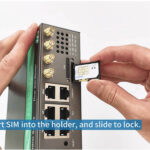
1. Insert SIM Cards and Configure Network
Start by inserting your SIM card(s) and configuring the APN settings for your carrier.
2. Connect Devices
Use Wi-Fi or Ethernet to connect devices. Advanced routers often support multiple SSIDs for segregated networks.
3. Enable Security Features
Activate firewalls, VPNs, and strong encryption to secure your network.
4. Monitor and Optimize
Use the router’s management interface or mobile app to monitor performance, manage devices, and optimize bandwidth allocation.
7) FAQ About Advanced 4G Cellular Routers
Q1: Can an advanced 4G router replace my home broadband?
A1: Yes, especially if you need mobility or backup connectivity. Speeds are sufficient for streaming, gaming, and remote work.
Q2: Are advanced 4G routers expensive?
A2: Prices vary, but investing in an advanced model provides better speed, security, and multi-device support compared to basic routers.
Q3: Do I need a technical background to set up a 4G router?
A3: Most advanced routers are user-friendly with setup wizards and mobile apps, requiring minimal technical knowledge.
Q4: Can 4G routers handle high-bandwidth tasks like HD streaming or video calls?
A4: Yes, especially models supporting LTE Advanced or Cat 6/7 technology.
Q5: How do dual SIM routers work?
A5: They can connect to two networks simultaneously for redundancy, automatically switching to the stronger network if needed.
Conclusion
Advanced 4G cellular routers are more than just internet access points—they are the backbone of smart, connected environments. From homes and offices to industrial IoT applications and fleet management, these devices provide secure, high-speed, and flexible connectivity. As technology advances, 4G routers continue to evolve, integrating AI, IoT, and energy-efficient designs, ensuring they remain a vital solution in the connected world.

Are you source an 4G Cellular Router? E-Lins will be an excellent choice for you. Founded since 1999, specialized on manufacturing industrial 4g modems.