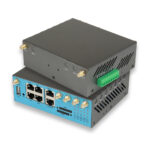
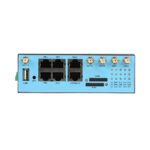
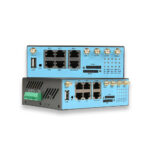
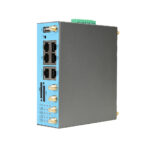
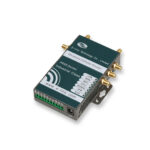
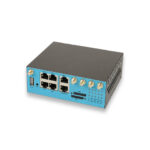
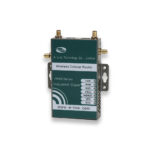
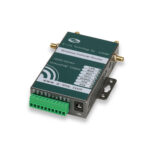
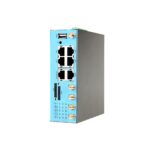

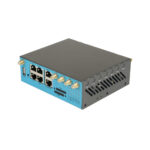
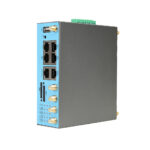
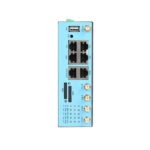
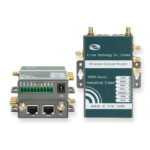
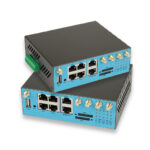
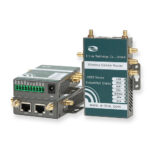
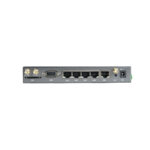
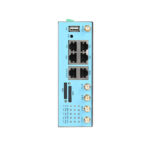
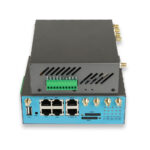
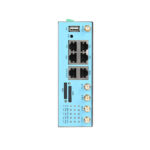
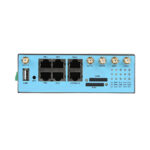
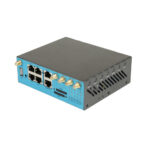
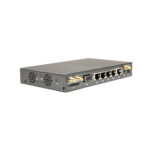
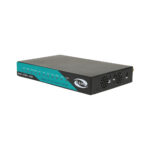







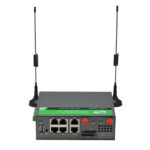
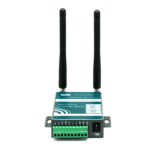
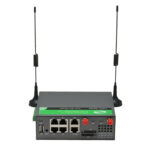
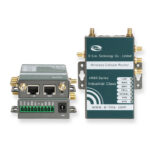
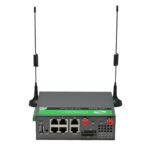
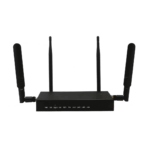
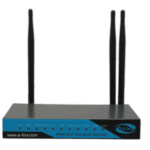
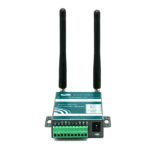
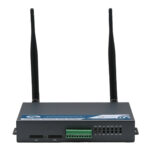
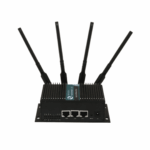
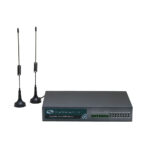
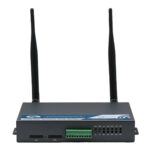
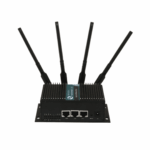
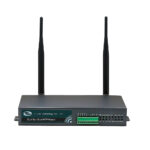
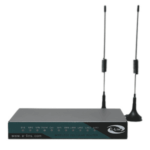
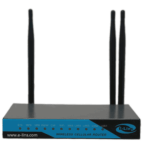
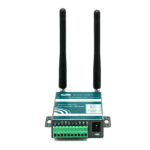
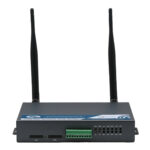
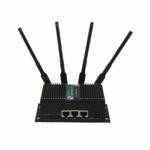
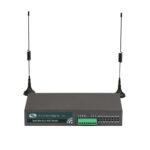
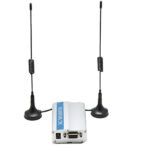
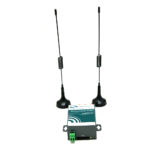
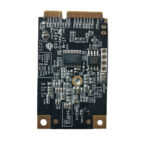
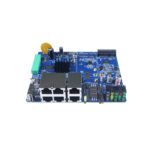
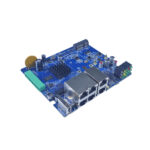
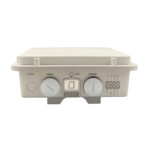
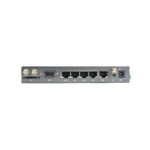

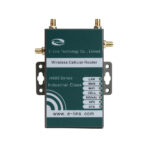
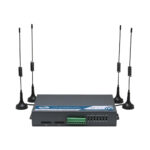
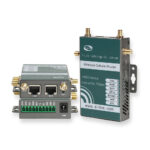
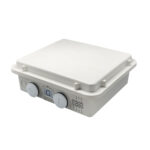
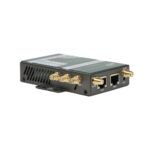
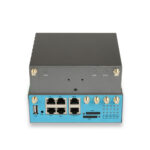
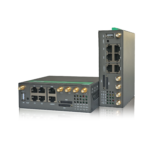
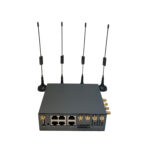
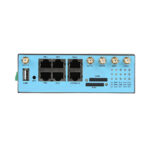
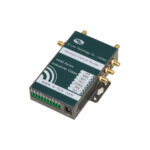
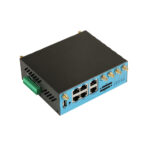
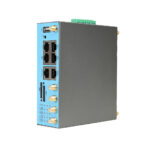
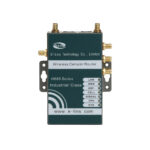











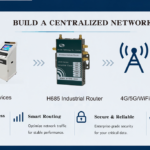



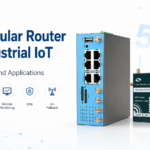

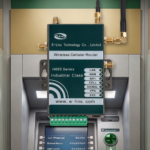
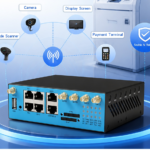

























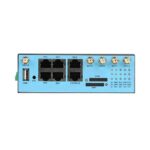
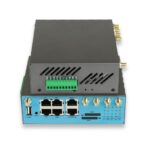
























This article will focus on IP passthrough, explore the various IP passthrough modes, clarify the distinction between IP passthrough port vs MAC.

What is IP Passthrough? The Concept Explained
At its heart, IP passthrough is an ingenious networking function that grants a chosen device on your local network the privilege of directly receiving the public IP address assigned to your router by your Internet Service Provider (ISP).
In essence, it’s a method of bypassing the conventional NAT firewall for a single, designated device, giving it unfiltered access to the internet and allowing it to be directly addressed from the internet.
Why Direct Connectivity is Useful with E-Lins
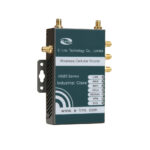
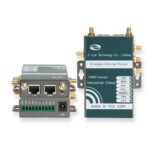
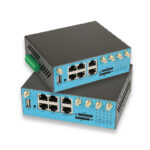
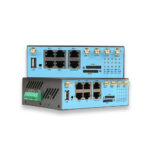
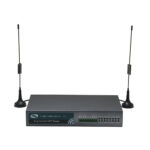
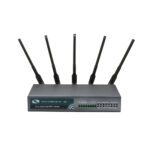
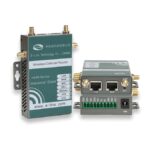
E-Lins‘s networking devices, renowned for their ruggedness and versatility in industrial and enterprise-grade applications, often find their home in demanding environments where direct device connectivity isn’t merely beneficial – it’s absolutely critical.
Navigating the Demands of Industrial and Remote Environments
Consider, for instance, the intricate world of Industrial Automation (IIoT). Within factories, power grids, or water treatment facilities, devices like PLCs, sophisticated sensors, and robotic systems demand unwavering, real-time communication with central control units or cloud platforms. Direct connectivity here becomes the foundation for low-latency data flow and consistent operations in these mission-critical scenarios.
Similarly, in the rapidly evolving landscape of Smart Cities and Infrastructure, systems governing traffic management, intelligent streetlights, environmental monitoring stations, and public Wi-Fi hotspots necessitate constant, uninterrupted communication.
These geographically dispersed devices often require individual addressability for crucial monitoring, timely configuration updates, and robust data collection. Here, direct IP access significantly simplifies remote management, ensuring these vital public services remain operational and responsive around the clock.
Then there’s the realm of Remote Monitoring and Surveillance. Security cameras perched in distant locations, remote access points, or specialized monitoring equipment at sprawling construction sites and agricultural facilities frequently demand instant access from a central command center.
Eliminating Double NAT for Seamless Performance
One of the most immediate advantages offered by IP passthrough is its ability to eliminate the dreaded “Double NAT” scenario. This common challenge arises when an ISP-provided modem/router is combined with another router, for example, a E-Lins device. This double layer of Network Address Translation can cripple performance for real-time applications and vital VPNs, leading to increased latency and connectivity issues. By allowing your E-Lins router to acquire the public IP directly, IP passthrough resolves these double NAT issues, paving the way for smoother, more predictable operation across your network.
Bridge Mode: The Direct Link
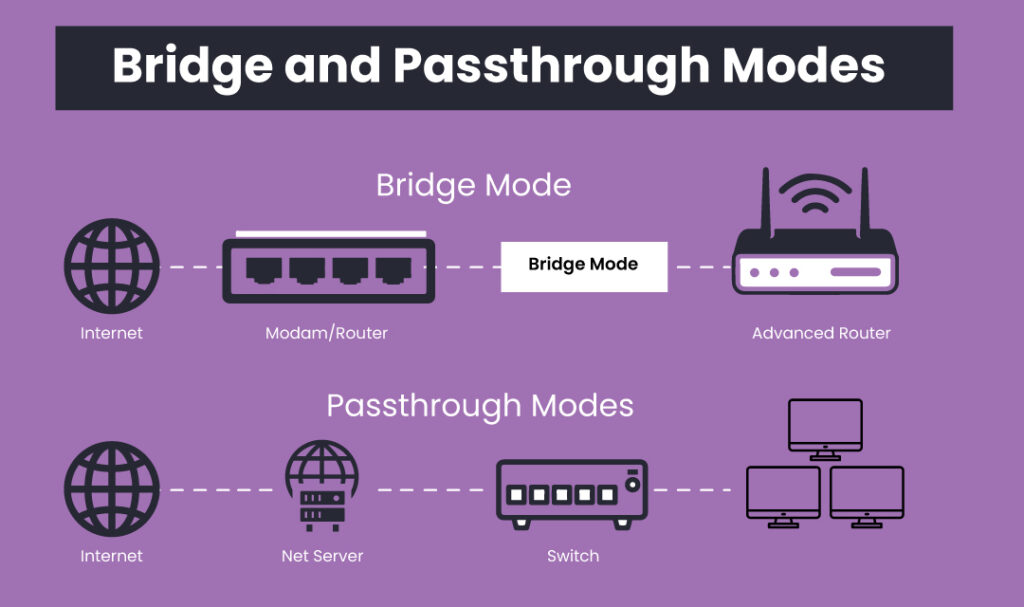
In its purest form, Bridge Mode (often simply referred to as “Passthrough Mode” in some contexts) transforms your E-Lins device into a direct link, forwarding the public IP address to a single connected device, which is often another router or an end device.
This mode is ideal when you want your E-Lins device to simply pass the public IP to a downstream router that will handle all subsequent network translation and routing.
A crucial point for E-Lins users when operating in this mode, particularly with mobile WANs, is its impact on router accessibility. If the connected client successfully acquires the public IP, the E-Lins router’s WAN interface typically will not hold an IP address itself, meaning it won’t be directly accessible from the WAN side. This requires management from the router’s LAN side.
NAT Mode: The Standard Gateway
While this article primarily focuses on scenarios where NAT is bypassed, it’s essential to understand NAT Mode as the foundational, standard operational mode for most routers.
In this configuration, your E-Lins router acts as the primary gateway for your local network, efficiently translating a single public IP address from your ISP into multiple private IP addresses for all your connected devices.
In this common and default setup, the router’s WebUI and RMS are readily accessible from both the LAN and, with appropriate firewall rules, the WAN side, providing straightforward and comprehensive management capabilities.
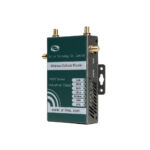
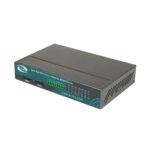
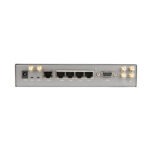
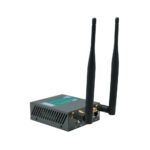
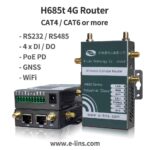
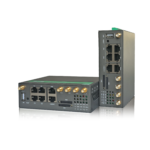
If you are sourcing IoT 4G Routers & 5G Routers with IP Pass Through, you could consider E-Lins Communication.