











































1)Introduction
5G technology has transformed how we connect, communicate, and compute. From ultra-fast smartphones to autonomous vehicles and smart factories, 5G is the backbone of the modern digital ecosystem. At the center of this revolution lies a critical but often overlooked component: the 5G modem.
While consumers often focus on processors, cameras, and displays, the modem is the unsung hero that enables devices to connect to cellular networks. Without it, your device is just an isolated piece of hardware. In this article, we will explore what a 5G modem is, how it works, the different types available today, and why it plays such a crucial role in next-generation connectivity.
2)What Is a 5G Modem?
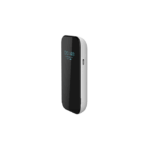
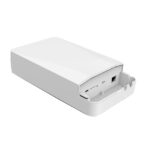
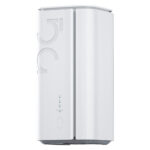
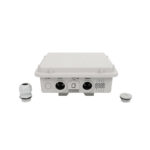
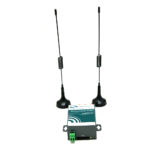
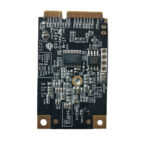
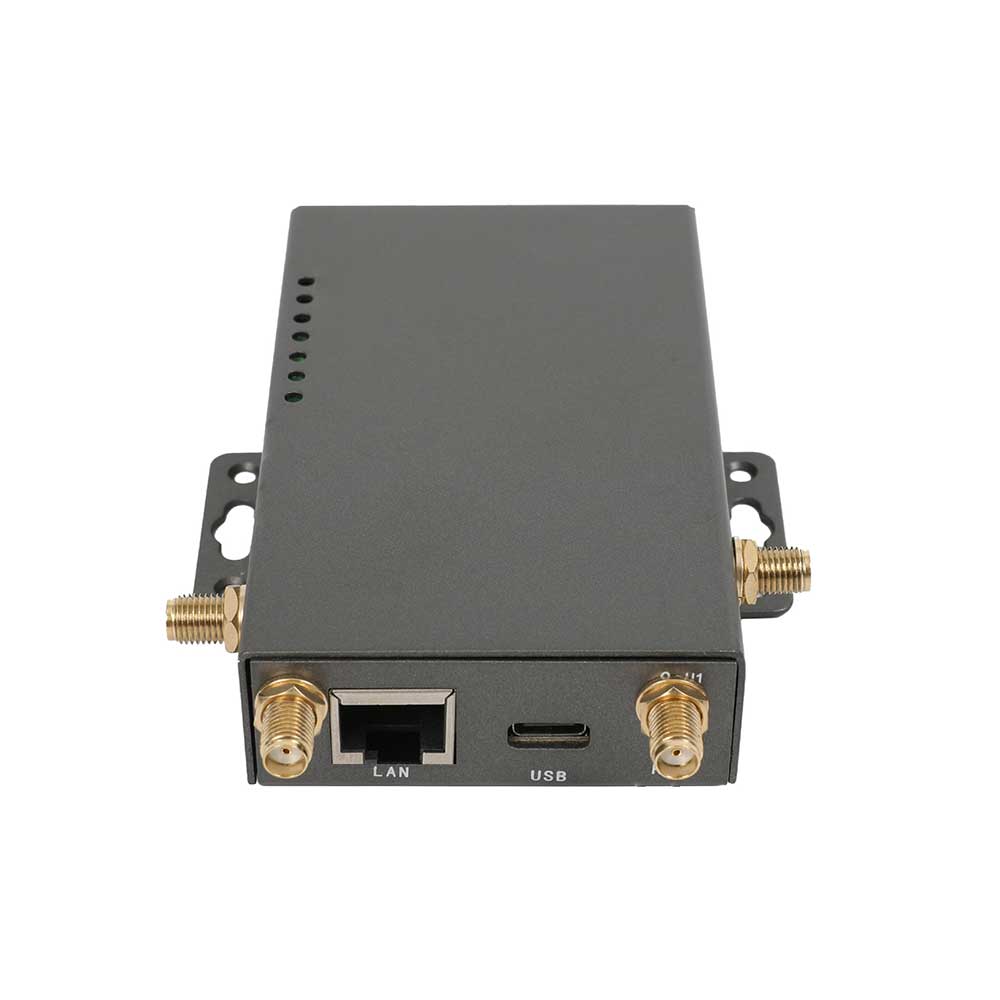
A 5G modem is a specialized hardware component that enables devices to connect to 5G cellular networks. It converts digital signals from your device into radio frequency (RF) signals for transmission and then converts incoming RF signals back into digital data.
In simple terms:
The processor handles computation.
The modem handles communication.
In 5G systems, modems are far more advanced than their 4G predecessors because they must support:
Sub-6 GHz spectrum
mmWave spectrum
Massive MIMO
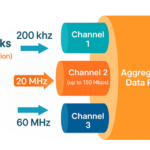
Carrier aggregation
Dynamic spectrum sharing
Ultra-low latency communications
3)How a 5G Modem Works
A 5G modem performs several critical functions:
1. Signal Encoding and Decoding
It encodes outgoing data using advanced modulation schemes like:
256-QAM
1024-QAM (in advanced deployments)
On the receiving side, it decodes incoming signals while correcting transmission errors.
2. Beamforming and MIMO Support
5G networks rely on massive MIMO (Multiple Input Multiple Output). The modem coordinates with antennas to:
Direct signals toward specific users
Improve efficiency
Increase data rates
3. Spectrum Handling
Unlike 4G, 5G operates across diverse frequency bands:
Low-band (wide coverage)
Mid-band (balanced performance)
High-band mmWave (ultra-fast speeds)
A modern 5G modem must intelligently switch between these bands.
4. Power Management
5G introduces complex signaling. Efficient modems reduce battery consumption using:
Connected mode DRX
AI-based signal optimization
Envelope tracking
4)Types of 5G Modems
1. Discrete 5G Modems
These are standalone chips separate from the application processor.
Advantages:
Flexibility in device design
Independent upgrades
Disadvantages:
Higher power consumption
Larger PCB footprint
2. Integrated 5G Modems
These are built directly into the system-on-chip (SoC).
Advantages:
Better power efficiency
Lower latency
Smaller form factor
Most modern flagship smartphones use integrated modems.
Key Performance Indicators of a 5G Modem
When evaluating a 5G modem, consider:
Peak download speed
Upload speed
Supported frequency bands
Carrier aggregation capability
MIMO configuration
Power efficiency
Latency performance
Theoretical speeds can reach 10 Gbps in mmWave environments, though real-world speeds are typically lower.
5)Typical Applications of 5G Modems
Smartphones
High-speed streaming, cloud gaming, video conferencing.
Fixed Wireless Access (FWA)
Home broadband alternative using 5G routers.
Automotive
Connected vehicles rely on low-latency communication.
IoT
Industrial automation and remote monitoring.
Edge Computing
Low-latency connections to nearby edge servers.
Challenges in 5G Modem Development
Developing a 5G modem is incredibly complex. Engineers must address:
Thermal management
RF interference
Regulatory compliance
Backward compatibility (4G/3G/2G)
Global band support
6)The Evolution from 4G to 5G Modems
Compared to 4G LTE modems, 5G modems offer:
| Feature | 4G LTE | 5G |
| Peak Speed | ~1 Gbps | Up to 10 Gbps |
| Latency | ~30-50 ms | <10 ms |
| Bandwidth | 20 MHz | Up to 800 MHz |
| Beamforming | Limited | Advanced Massive MIMO |
7)The Future of 5G Modems
Emerging innovations include:
AI-driven signal optimization
5G Advanced (Release 18+)
Satellite integration (NTN)
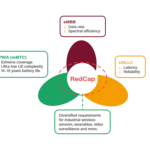
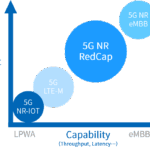
RedCap (Reduced Capability 5G)
6G research foundations
8)Frequently Asked Questions (FAQ)
1. Is a 5G modem necessary for 5G connectivity?
Yes. Without a 5G modem, a device cannot access 5G networks.
2. Does a 5G modem work with 4G networks?
Yes. Most 5G modems are backward compatible.
3. Why do some phones have better 5G performance?
Modem generation, antenna design, and network conditions all affect performance.
4. Does 5G drain battery faster?
Early implementations did, but modern modems are much more efficient.
5. What is mmWave?
A high-frequency 5G spectrum offering extremely fast speeds but shorter range.
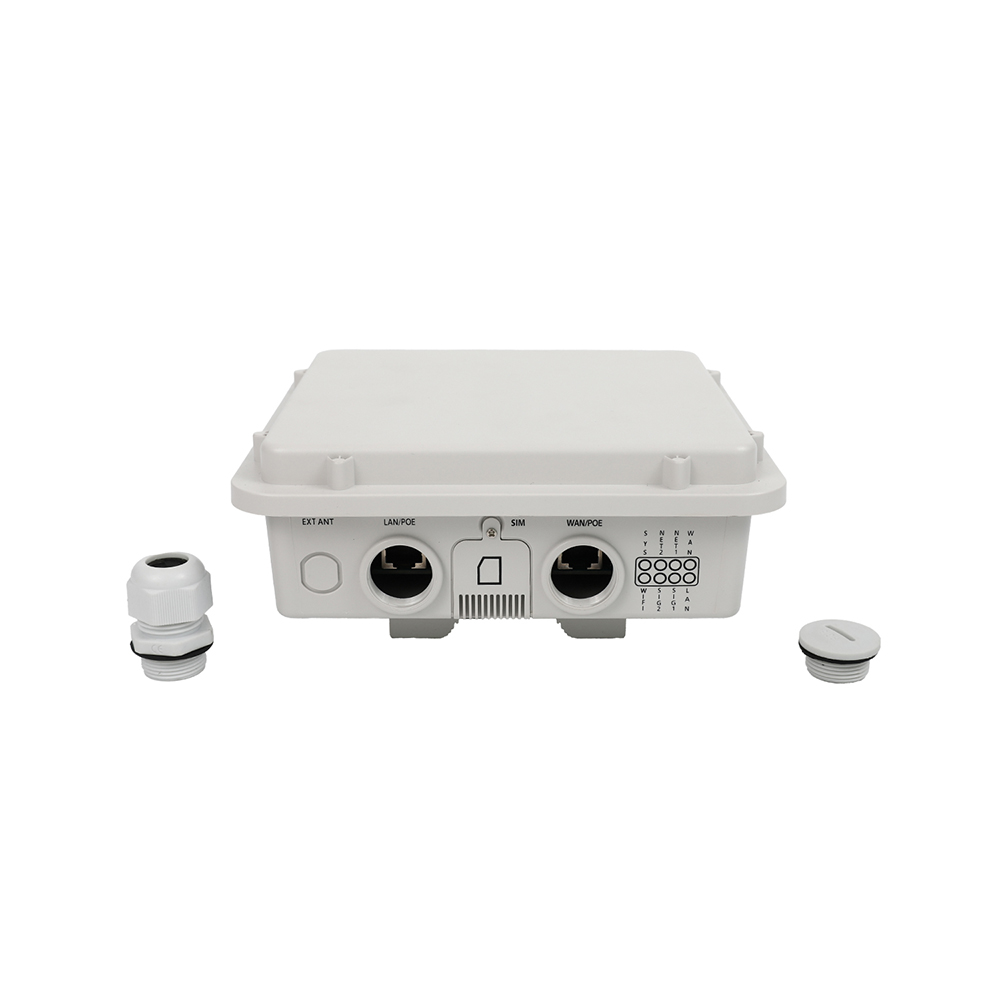
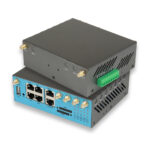
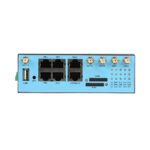
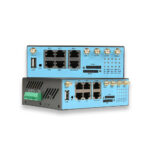
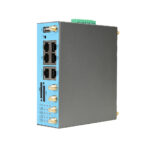
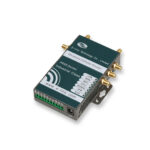
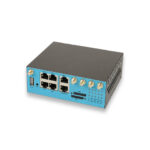
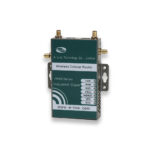
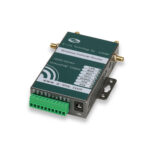
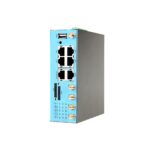
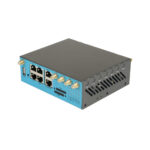
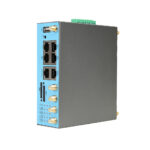
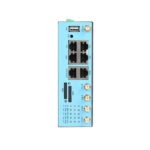
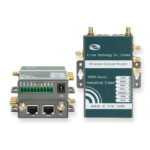
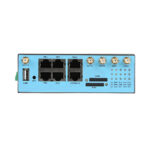
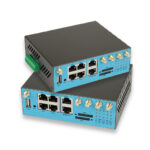
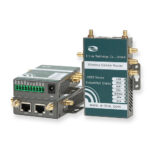
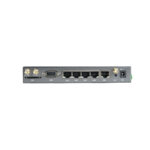
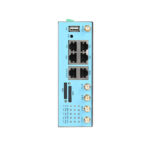
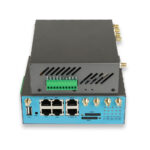
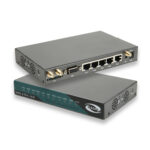
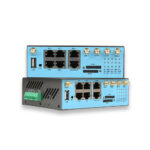
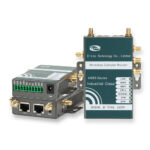
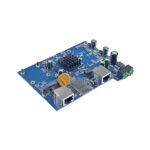
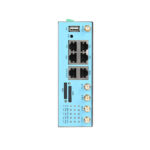
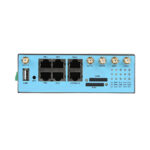
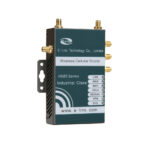
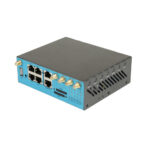
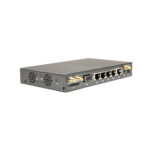
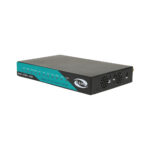
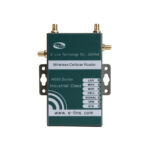
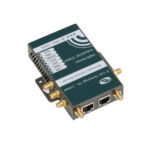
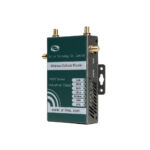
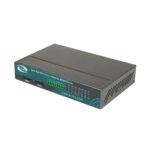
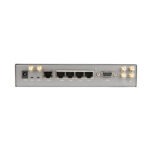
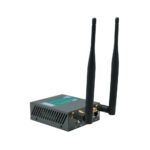
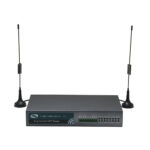
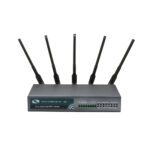
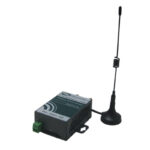
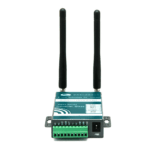
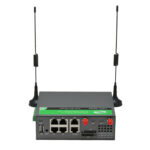
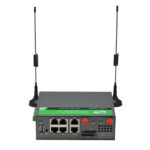
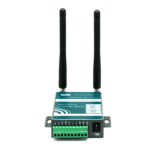
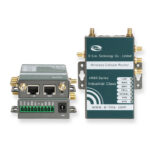
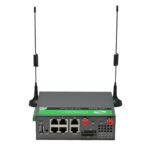
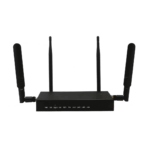
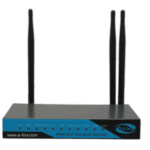
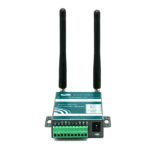
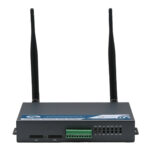
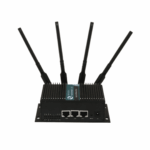
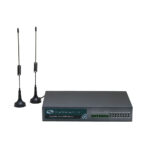
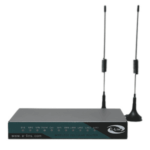
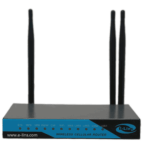
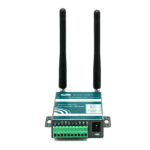
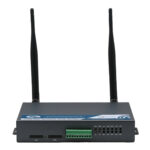
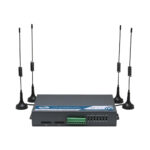
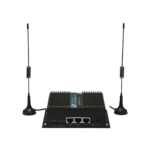
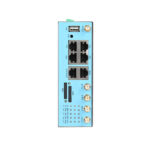
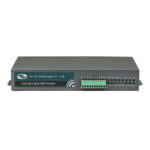
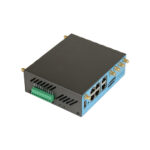
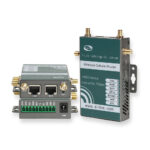
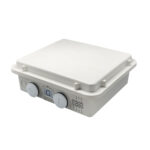
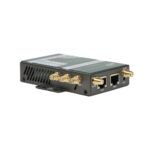
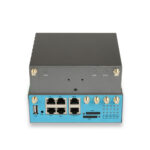
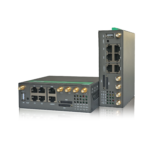
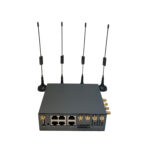
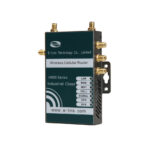
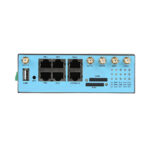
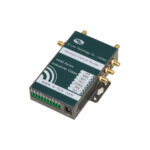
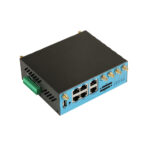
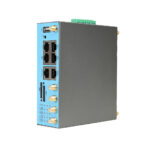
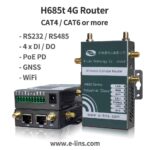
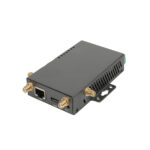
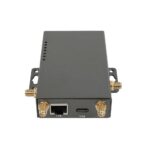
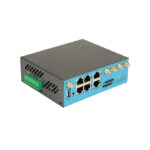
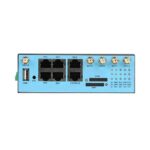
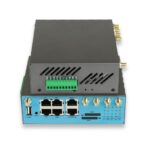
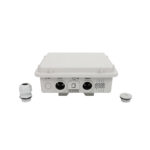
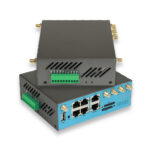
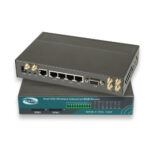
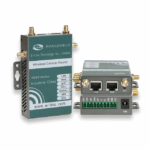
Where to find an excellent 5G modem? E-Lins will be a good choice for you, a 5G modem expert since 1999.