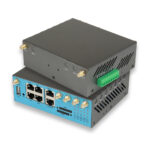
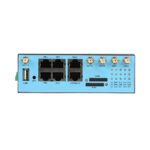
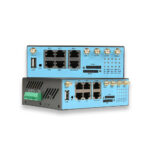
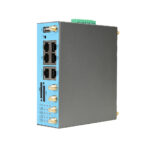
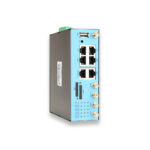
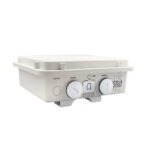
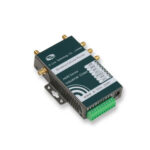
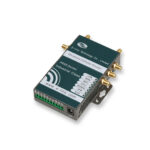
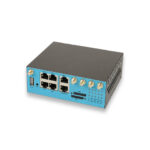
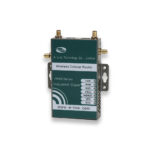
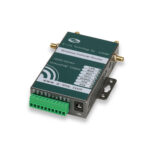
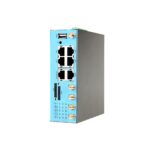

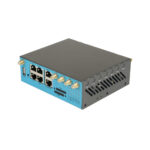
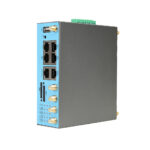
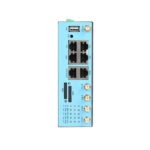
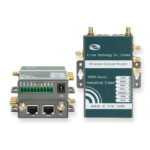
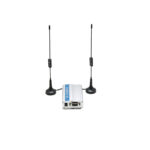
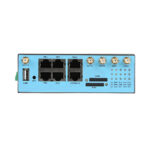
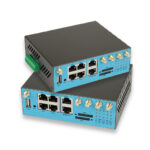
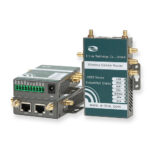
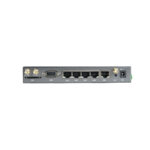
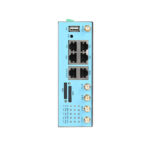
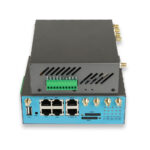
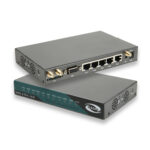
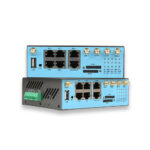
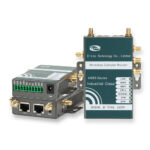
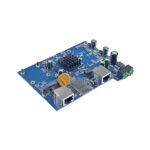
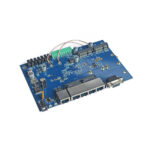
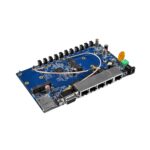
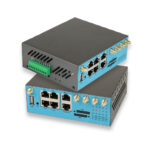
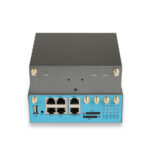
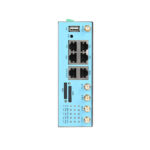
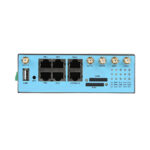
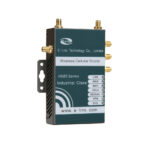
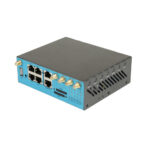
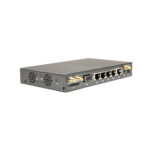
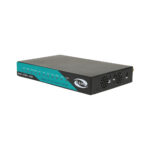
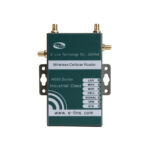
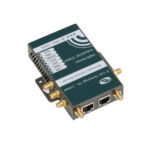
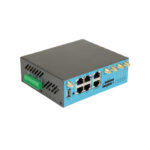
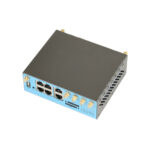

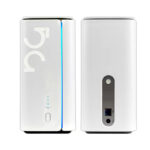


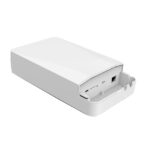
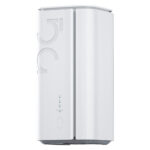

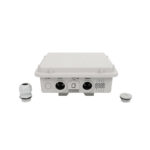
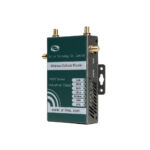
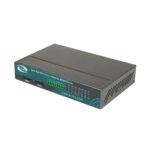
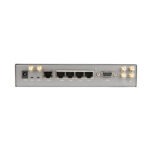
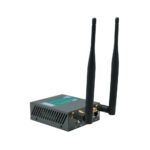
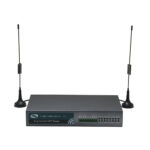
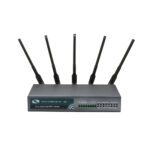
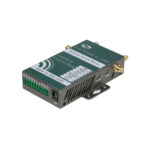
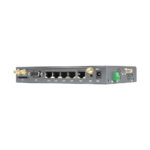
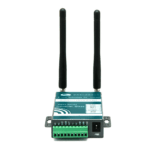
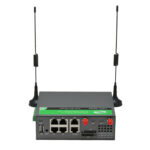
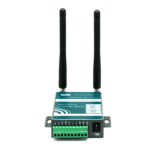
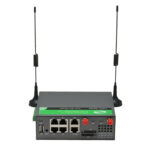
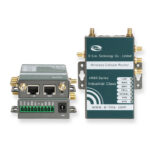
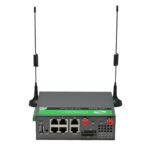

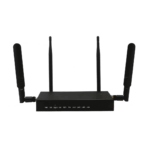
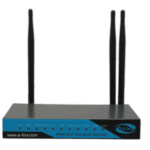
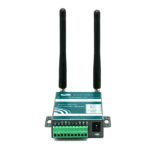
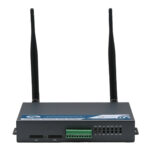
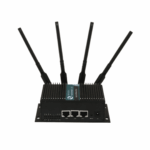

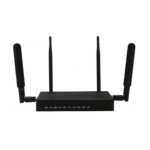
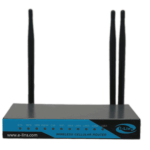
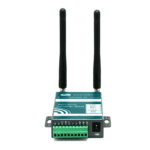
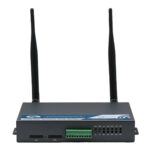
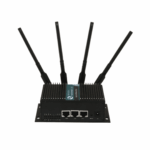
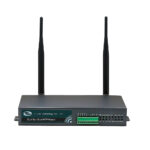

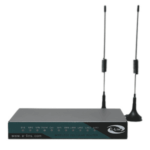
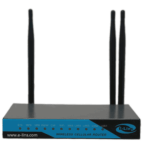
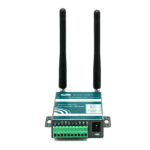
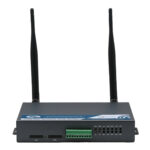
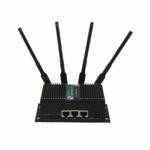
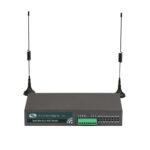
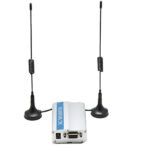
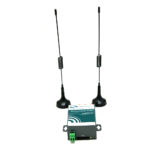
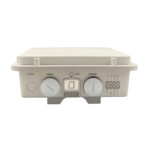
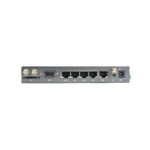
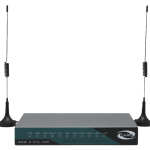
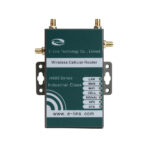
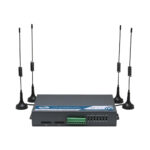
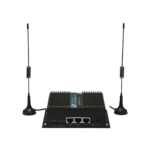
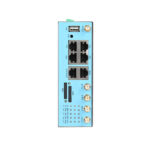
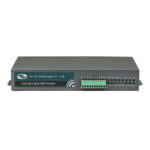
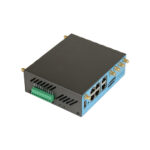
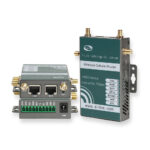
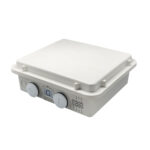
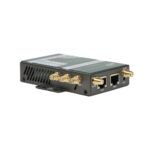
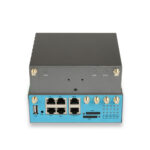
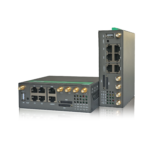
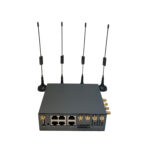
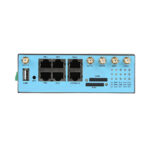
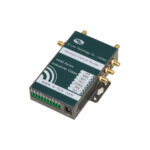
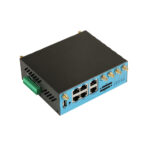
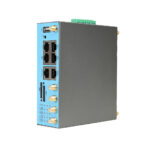




















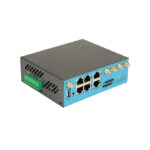
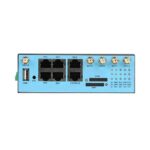
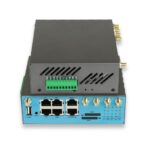


















Industrial 5G Router Ultimate Guide Industrial IoT Connectivity
Background: Industrial digital transformation is rapidly growing in areas such as manufacturing, transportation, energy and smart cities also remote monitoring applications. Reliable wireless connection has become mission-critical as organizations deploy more connected devices and edge computing solutions.
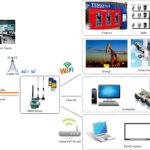
An Industrial 5G Router with SIM acts as the backbone for modern Industrial IoT& IIoT networks, allowing secure, high-speed and low-latency communication between field devices, cloud platforms and control centers.

In this guide, we will explore everything you need to know regarding industrial 5G routers and their benefits as well key features you should keep in mind before deploying a rugged 5G router for your project.
1)What is a 5G Router for the Industry?
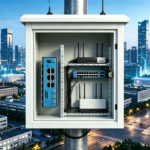
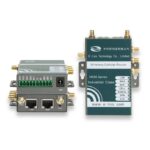
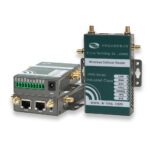
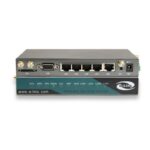
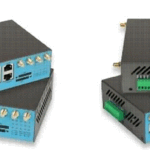
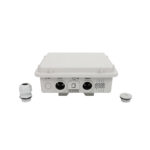
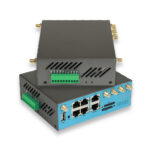
An Industrial 5G Router is a ruggedized networking device designed to provide for secure wireless broadband connectivity using public or private 5G cellular networks.
Industrial Routers: Unlike consumer-grade routers, these are built to run 24×7 in rugged environments and on mission-critical applications.
Typical features include:
• 5G NR connectivity
• 4G LTE fallback
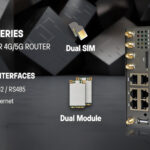
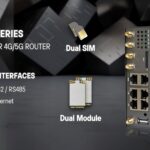
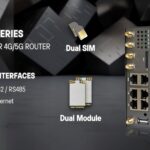
• Dual SIM redundancy
• VPN security
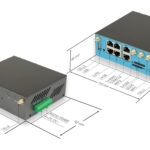
• Industrial-grade hardware
• Remote management
• Serial communication interfaces
• Multiple Ethernet ports
• Wide operating temperature range
The common applications of industrial 5G routers include:
• Smart manufacturing
• Industrial automation
• Oil and gas monitoring
• Renewable energy systems
• Transportation
• Smart city infrastructure
• Water treatment facilities
• Remote surveillance
2)5G: The New Era of Industrial Networking
Transitioning from 4G LTE to 5G brings about substantial enhancements, which support new industrial use cases.
1. Ultra-High Data Speeds
5G networks will provide multi-gigabit throughput and supportability:
• HD video surveillance
• AI analytics
• Edge computing
• Autonomous systems
2. Ultra-Low Latency
Many industrial control systems have a very high communication rate requirement (near real-time).
Benefits include:
• Faster machine response
• Reduced downtime
• Improved automation efficiency
• Better remote operation capabilities
3. Massive Device Connectivity
Thousands of sensors and smart devices are being deployed onsite in various industrial sites.
5G enables:
• Large-scale IoT deployments
• Smart factory systems
• Predictive maintenance
• Asset tracking
3) Features of High Speed Industrial 5G Router
1. Dual SIM Failover
Network availability is critical.
Dual SIM functionality provides:
• Automatic carrier switching
• Network redundancy
• Increased uptime
2. Industrial-Grade Hardware Design
Networking equipment can be subjected to, in many industrial environments:
• Extreme temperatures
• Dust
• Moisture
• Electrical interference
• Vibrations
What an industrial router would be capable of supporting:
• Metal enclosure
• DIN rail mounting
• Wide voltage input
• Surge protection
3. Advanced Security Features
Cybersecurity is increasingly important.
Look for support for:
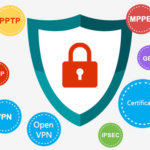
• IPsec VPN
• OpenVPN
• WireGuard VPN
• GRE tunnels
• Firewall policies
• Access control
4. Remote Device Management
At scale, this breaks down and managing hundreds of routers by hand is not possible.
Cloud-based management platforms provide:
• Remote monitoring
• Configuration management
• Firmware updates
• Device diagnostics
Long-tail keyword:
industrial router remote management solution
4) Industrial 5G Router For IoT & IIoT Applications
1. Smart Manufacturing
Factories increasingly rely on:
• Automated production lines
• AGVs
• Machine vision systems
• Robotics
With industrial 5G routers enabling reliable wireless networking on the factory floor.
Benefits include:
• Reduced wiring costs
• Increased flexibility
• Improved productivity
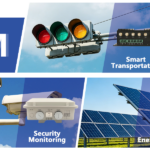
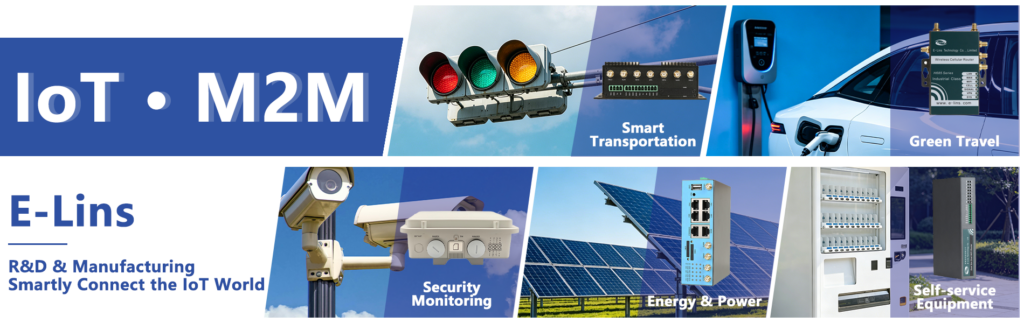
2. Smart Transportation
Transportation systems need connectivity such as for:
• Fleet management
• Passenger information systems
• Traffic control
• Video surveillance
Industrial 5G routers follow the trend and provide reliable message transfer in mobile environment.
3. Renewable Energy
Many solar farms and wind power stations are located far away from.
Industrial routers enable:
• SCADA connectivity
• Performance monitoring
• Remote maintenance
• Predictive analytics
4. Smart Cities
Here’s how municipalities put connected infrastructure to work:
• Smart lighting
• Smart parking
• Traffic monitoring
• Environmental sensors
For example, industrial 5G routers are communication gateways for connecting field devices to city management platforms.
5. Remote Video Surveillance
High-resolution security cameras require:
• High bandwidth
• Stable connectivity
• Secure transmission
5G provides sufficient throughput for:
• 4K video
• AI video analytics
• Remote monitoring
5) What are the selection methods for industrial 5G router?
Routers are one of those devices you buy once in a while, and there’re several elements to consider when picking the ideal router.
1. Network Compatibility
Verify support for:
• Global 5G bands
• Regional LTE bands
• Carrier certifications
Be compatible with where you deploy.
2. Interface Requirements
Different projects require different interfaces.
Common options include:
• Gigabit Ethernet
• RS232
• RS485
• USB
• DI/DO
• Wi-Fi
Select the router that matches up with your field equipment.
3. Deployment Environment
Consider:
• Temperature range
• Humidity levels
• Outdoor installation
• Shock and vibration
Select IP-rated enclosures for outdoor deployments
4. Security Requirements
Critical infrastructure projects should prioritize:
• VPN encryption
• Firewall functionality
• User authentication
• Secure boot
5. Scalability
The larger your projects grow, the more your networking solution should support:
• Additional devices
• Remote management
• Future software upgrades
6) Industrial 5G Router Vs Industrial 4G Router
Feature Industrial 4G Router Industrial 5G Router
Speed Good Excellent
Latency Moderate Ultra-Low
Capacity Limited Massive
Future Readiness Medium High
AI Applications Limited Excellent
Video Analytics Moderate Excellent
When allocating networks, it often makes longer-term economic and future expansion sense to make the initial investment in 5G for new deployments.
Private 5G Networks
Manufacturers are gradually rolling out private 5G Systems for:
• Enhanced security
• Greater control
• Predictable performance
Edge Computing
Industrial Routers Originally designed for routing network traffics, these are growing into edge computing platforms that can
• Local data processing
• AI inference
• Real-time analytics
AI-Driven Network Optimization
Artificial intelligence will enable:
• Predictive maintenance
• Automatic failover
• Dynamic bandwidth allocation
7)The Advantage of Using E-Lins Industrial 5G Routers
E-Lins: We’ve been focused on innovative cellular networking solutions for the most demanding IoT & M2M applications.
Our industrial 5G router solutions provide:
✔ Global 5G and LTE support
✔ Dual SIM redundancy
✔ Industrial-grade reliability
✔ VPN security
✔ Cloud-based remote management
✔ Flexible Ethernet and serial interfaces
✔ Long-term product availability
No matter if you are deploying a smart factory, transportation network, renewable energy project or remote monitoring system, our team will assist you in locating the optimal connectivity solution.
As your data evangelist, we invite you, do not want to let the public live with a dull patch.
Get in touch with E-Lins to tell us about your project, and find the right Industrial 5G Router for you!
8) Frequently Asked Questions (FAQ)
Q1. The Industrial 5G Router explained.
An Industrial 5G Router is a ruggedized networking device that connects to 5G cellular networks to provide reliable and secure internet access for industrial applications.
Q2. Industries are using Industrial 5G Routers.
Common sectors include manufacturing, transport, energy & utilities, smart city initiatives now in play around the world include oil & gas and mining where remote monitoring is playing a role.
Q3. Is the 5G industrial router better than the 4G industrial router?
For most new deployments, yes. 5G offers greater bandwidth, lower latency and national-scale architecture for future IoT applications.
Q4. Importance of Dual SIM in Industrial networking?
Support for dual SIMs is a feature that allows the access of network redundancy by automatically falling back on a backup carrier when connectivity goes down.
Q5. Does Industrial 5G Routers work with VPN?
Yes. Thus, well-known protocols of VPN technology like IPsec protocol and GRE tunneling, OpenVPN, WireGuard are supported by the majority of industrial routers for secure remote communications.
Q6. Are Industrial 5G Routers able to be remote managed?
Absolutely. Modern industrial routers typically utilize cloud management platforms to monitor, configure, and update firmware.
Q7. What to consider for the Industrial 5G Router
Look for network compatibility, interface specifications, environmental factors, security features, manageability and support in the next generation.
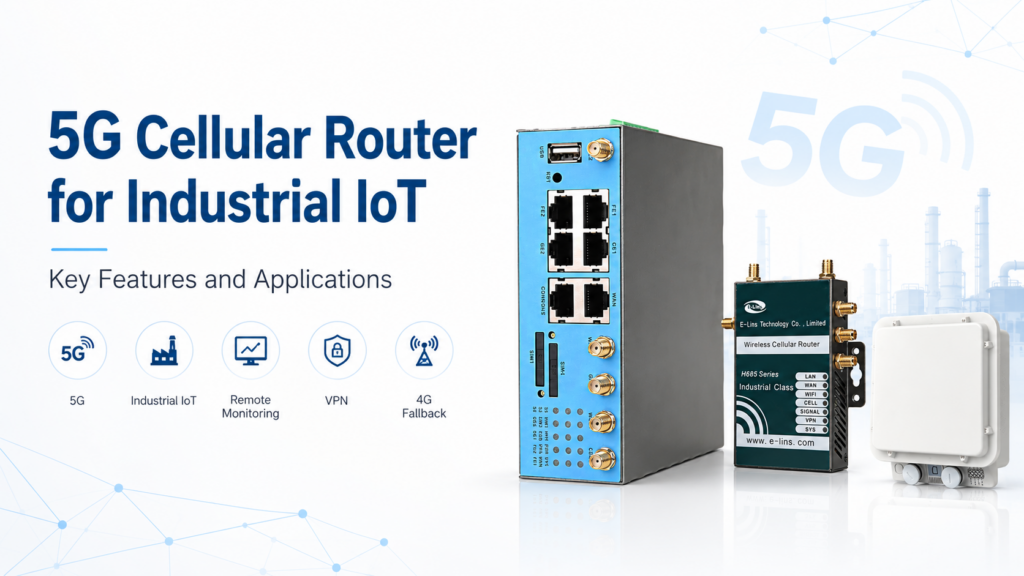
Are you sourcing an industrial 5g router? E-Lins will be an excellent choice for you. Founded since 1999, specialized on manufacturing industrial 5g router.